
Reviewed · TOURS IN CEBU
Cebu Traditional Bamboo Cooking
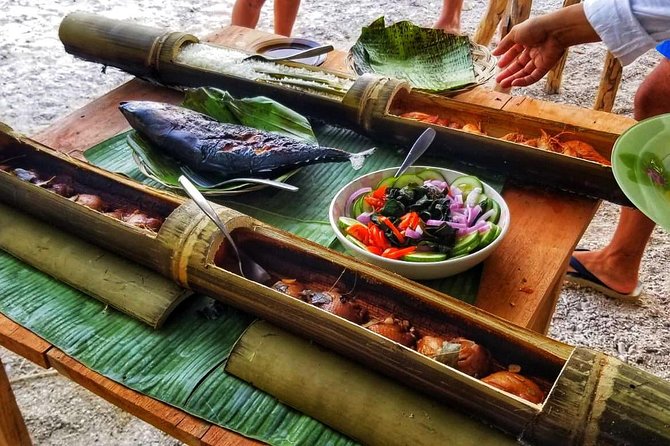
Cooking food inside bamboo gives this Cebu class its main attraction: a smoky flavor and a cooking method linked to the days before modern cookware. You prepare three Filipino main dishes, native salad, hanging rice, and dessert, then eat the meal beside the beach.
I like the chance to swim while the bamboo cooks, and I like that Lorelie Kalalang Ledesma sends your photos and recipes afterward. The main drawback is the firm booking policy: the experience is non-refundable, and you need at least three days’ notice so the bamboo can be ordered.
Key points at a glance
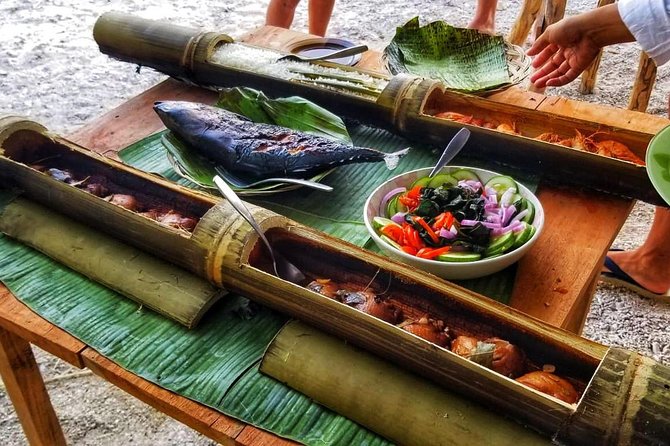
- Bamboo cooking over charcoal: Prepare food inside bamboo shells for a smoky taste that metal pots cannot copy.
- A full Filipino meal: The experience includes three main dishes, native salad, steamed or hanging rice, fruit, and two drinks.
- Beach waiting time: Take a swim at Hadsan Cove Resort while the food cooks.
- Private four-hour session: Only your group takes part, with a minimum of two people.
- Practical take-home value: You receive the recipes and photos by email after the class.
- Plan ahead: Book at least three days in advance, and remember that private transportation is not included.
Why bamboo cooking makes this Cebu class different
Many cooking classes teach you how to use a knife, stir a sauce, and sit down to eat. This one adds a piece of Filipino food tradition to the meal. The food cooks in bamboo over charcoal, which gives the finished dishes a smoky character and makes the cooking method part of the meal itself.
That matters because you are not simply copying a recipe in a standard kitchen. You are preparing food in a natural cooking vessel, then waiting for the charcoal to do its slow work. The bamboo shell is supplied as part of the class, along with the tools, ingredients, apron, and hairnet.
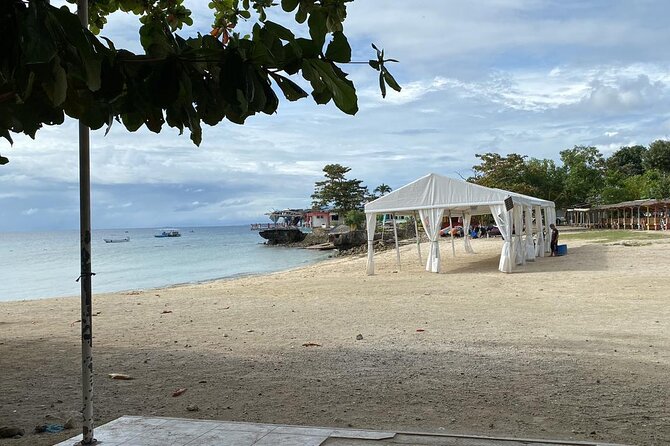
The experience takes place at Hadsan Cove Resort in Marigondon, Lapu-Lapu City. Cooking in front of the beach gives the four-hour session an easy rhythm. You prepare the food, let it cook, take a swim, and return to eat. It is a good setup for anyone who prefers a relaxed activity rather than a tightly packed sightseeing schedule.
A few more things to do in Cebu worth a look
- Manila Filipino Cooking Class: Meryenda Favorites
★ 5.0 · 80 reviews - Makati: Hands on Manila Cooking Class
★ 5.0 · 49 reviews - Private Filipino cooking class in a local Manila Home
★ 5.0 · 28 reviews
Arriving at Hadsan Cove Resort in Lapu-Lapu City
The meeting point is Agus, Gamay, The Beach Park-Hadsan, Lapu-Lapu City, Cebu 6015. Pickup is offered as a feature, but private transportation is not included, so check the exact pickup arrangement before you go. The meeting point is also near public transportation.
The class ends back at the meeting point. That makes the plan fairly simple: arrive at Hadsan Cove Resort, spend the session there, and leave from the same place. Since this is a private activity, only your own group participates. The minimum is two people, so it works best for couples, friends, or a small family group rather than solo visitors.
You receive confirmation at booking. Still, do not leave this one until the last minute. The operator needs three days’ notice to arrange the bamboo required for the cooking session.
The opening lesson: Filipino cooking before modern cookware
Before the cooking starts, you receive a short introduction to Filipino cooking history. The point is not to turn the class into a lecture. It sets up the reason bamboo matters and helps you understand why the cooking method is more than a decorative trick.
The class is based on an older survival-style way of cooking, from a time when ordinary cooking vessels were not available. Bamboo served as a useful container and cooking shell. Today, the method offers a direct connection to that practical past while also producing a smoky taste.
I like this introduction because it gives the activity a clear purpose. You learn why the bamboo is there before you start filling it. If you have already taken several standard cooking classes, this historical and practical angle is likely to make the experience feel more distinctive.
Preparing chicken, seafood, salad, and rice
The hands-on part begins with preparing the spices and herbs for the dishes. You work with the ingredients supplied for the meal and get the cooking tools needed for the class. Aprons and hairnets are included, which keeps the session organized and makes it easier to focus on the food.
The meal is described as three traditional Filipino main dishes featuring chicken, shrimp, and fish. The inclusion details also refer to chicken, pork, and seafood, so the exact protein selection is worth confirming before booking if you have a strong preference. The information does consistently point to three main courses, along with native Filipino salad and rice.
The salad gives you a fresh side dish to balance the charcoal-cooked food. The rice is described as steamed rice in the inclusions and hanging rice in the activity details. Hanging rice is a familiar Filipino preparation in which rice is cooked and served in a small woven container. If the distinction matters to you, ask the operator which version will be served on your date.
This is a useful class for someone who likes to participate but does not need every minute filled with complicated technique. The supplied details focus on herbs, spices, ingredients, and bamboo cooking rather than advanced culinary training. Expect a practical, social lesson built around a complete meal.
Same base, a different kind of day out:
- Cebu City: Whale Shark Swimming & Kawasan Falls Canyoneering
★ 4.7 · 665 reviews - Cebu City: Bohol Countryside Tour with Loboc Cruise Lunch
★ 4.5 · 488 reviews - Canyoneering Experience in Kawasan Falls with Lunch
★ 5.0 · 440 reviews - Cebu: Oslob Whale Sharks, Tumalog Falls & Sardine Snorkeling
★ 4.3 · 343 reviews
The charcoal wait is part of the experience
Once the food is prepared and placed in the bamboo, it cooks over charcoal. This is where the class differs most from cooking at home. Instead of standing over a metal pan and adjusting the heat every few seconds, you have a built-in pause.
That pause is put to good use. You can take a refreshing swim at the beach while the food cooks. The beach setting is not just a backdrop for photos. It gives you something to do during the cooking time and keeps the four-hour schedule from feeling like a long kitchen session.
The swim is also the main reason to bring suitable clothing and anything you need for a beach visit. The information confirms that you are welcome to swim, but it does not specify changing facilities or other beach amenities, so do not assume that every convenience is provided.
The charcoal method also explains why the food may not appear instantly. Bamboo cooking is part of the process, and the waiting time is built into the experience. If you prefer a fast meal with no pause, this may feel slow. If you like a leisurely lunch with a swim in the middle, it is a strong fit.
Eating the meal you prepared
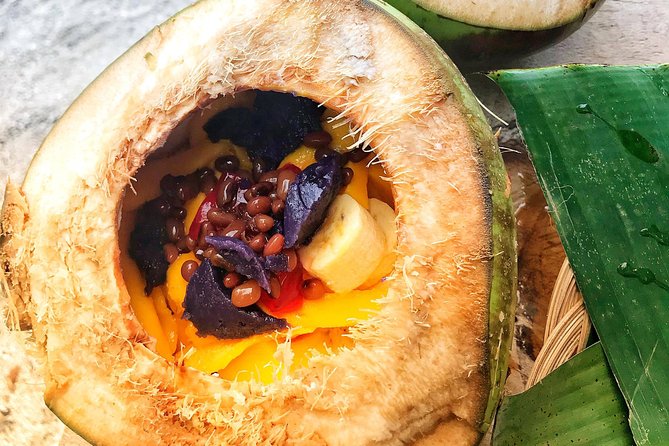
After the food finishes cooking, you sit down to eat the dishes prepared during the class. The included meal covers three main courses, native Filipino salad, rice, and fruit. Two drinks are also included, with the stated choices being beer, soda, or lemongrass tea.
That combination gives you a proper lunch rather than a small tasting. It also lets you compare the different ways the bamboo cooking method affects chicken and seafood. The smoky taste is the central flavor detail to watch for. Bamboo cooking is being used here to create something you cannot get in quite the same way from metal cookware.
The activity details describe a local seasonal fruit dessert prepared while the main food cooks. That is a nice use of the waiting period, and it adds a sweet ending without making the meal feel like a separate restaurant stop.
One practical point: the information uses slightly different wording for the proteins and rice. The overview lists chicken, shrimp, and fish, while the inclusion list says chicken, pork, and seafood. I would ask for the exact menu if you need to avoid pork, shellfish, or another ingredient. The available information does not state that dietary substitutions are offered.
Photos and recipes after the class
After the cooking class, you receive an email with the pictures taken during the session and the recipes. This is one of the most useful inclusions because it gives you a way to repeat the experience at home.
The photos can also serve as a record of the process, from preparing the spices and herbs to filling the bamboo and sitting down to eat. The recipes are especially valuable if you enjoyed a particular dish and want to make it again. You will not be limited to remembering the meal by taste alone.
The recipes may not let you reproduce the beach setting or charcoal fire exactly. You may also need to adapt the bamboo method to the cookware available at home. Still, the recipe email makes this more than a one-time lunch. It gives you something concrete to take away.
What the $109.99 price means
At $109.99 per person, this is not a bargain meal. The price makes more sense when you count the full package: a private four-hour activity, a guide, ingredients, cooking tools, apron, hairnet, bamboo shell, lunch, two drinks, beach access for swimming, photos, and recipes.
You are paying for an activity as well as food. The private format is important here. Only your group takes part, so you do not have to share the cooking pace with a large class. For two people, the cost buys a more personal experience and a meal with a clear sense of place.
The value is strongest if you want three things at once: a Filipino food lesson, a beach break, and a full lunch. If you only want to eat Filipino food cheaply, a local restaurant will likely offer better value. If you want a hands-on activity that explains a traditional cooking method, the price is easier to justify.
The booking pattern also matters. The experience is booked an average of 79 days in advance, which suggests you should not count on finding a last-minute opening. That is especially important for a private class that needs bamboo ordered ahead of time.
Who will enjoy this private Cebu experience
I would recommend this class to couples and small groups who enjoy food, simple hands-on activities, and beach time. It also suits people who want an experience tied to local cooking practice instead of another general resort activity.
Families may like the variety of tasks, the outdoor setting, and the chance to swim while lunch cooks. The four-hour length gives the activity room to feel unhurried, though younger children may need supervision around charcoal and cooking tools. The supplied information does not specify age limits, so check before booking with children.
It is also a good choice for people who want recipes to take home. The email with photos and recipes gives the class a practical afterlife, especially if you enjoy recreating dishes from a trip.
I would be more cautious if you have strict dietary needs, dislike seafood, or want a highly technical cooking course. The menu centers on chicken and seafood in the main description, and the class is built around a traditional method rather than advanced kitchen instruction.
Timing, weather, and cancellation details
Plan for about four hours from start to finish. The class begins with the cooking history introduction, continues with ingredient preparation and charcoal cooking, includes time for swimming, and ends with the meal.
This experience depends on good weather. If poor weather forces a cancellation, you are offered a different date or a full refund. It can also be canceled if the minimum number of participants is not met, with a different date, another experience, or a full refund offered.
Your own cancellation terms are much stricter. The experience is non-refundable and cannot be changed for any reason if you cancel or request an amendment. That makes travel planning important, especially if your Cebu schedule is still shifting.
Should you book Cebu Traditional Bamboo Cooking?
Book it if you want a private, four-hour food experience that combines Filipino recipes, bamboo cooking, charcoal smoke, lunch, and a beach swim. The most appealing detail is the rhythm: prepare the meal, let the bamboo cook it, take a swim, then eat what you made.
The experience is less suitable if you want the lowest-cost lunch, need a fully fixed menu, or prefer a short class with no outdoor waiting time. Confirm the exact proteins, rice style, pickup details, and any dietary questions before paying.
For the right visitor, the price buys more than food. It buys a memorable cooking method, personal time with Lorelie Kalalang Ledesma, and recipes and photos that continue the experience after you leave Cebu.
FAQ
Where does the bamboo cooking class take place?
The class takes place at Hadsan Cove Resort in Marigondon, Lapu-Lapu City. The meeting point is Agus, Gamay, The Beach Park-Hadsan, Lapu-Lapu City, Cebu 6015, Philippines.
How long does the experience last?
The activity lasts approximately four hours.
Is transportation included?
Pickup is offered as a feature, but private transportation is not included. Confirm the pickup arrangement when booking.
Is this a private activity?
Yes. Only your group participates in the activity.
How many people are required to book?
A minimum of two people is required.
How far in advance should I book?
You need to provide at least three days’ notice so the necessary bamboo can be ordered. The activity is booked an average of 79 days in advance, so earlier booking is sensible.
What food is included?
The experience includes three main courses, native Filipino salad, rice, fruit, and two drinks. The main description refers to chicken, shrimp, and fish, while the inclusion details mention chicken, pork, and seafood, so confirm the exact menu before booking.
Can I swim during the experience?
Yes. You are welcome to swim on the beach while the food cooks over charcoal.
What happens if the weather is poor?
If the activity is canceled because of poor weather, you are offered a different date or a full refund.
Just added in Cebu
- Whale Shark Watching & Tumalog Falls & Kawasan Falls★ 5.0 · 16 reviews
- Whale Shark Watching and Sumilon Sandbar Private Tour Package★ 5.0 · 17 reviews
- Whale Shark Watching with Sumilon Sandbar and Kawasan Falls Tour★ 5.0 · 8 reviews
- Full Day Shark Watching and Canyoneering in Cebu★ 5.0 · 15 reviews
- Half day tour with Snorkel at Sancturary and Sulpa island★ 5.0 · 3 reviews
- Cebu Whale Shark Encounter, Moalboal Sardines & Tumalog Falls★ 4.0 · 18 reviews
- Bohol Chocolate Hills & Tarsiers with roundtrip ferry from Cebu★ 5.0 · 7 reviews
- Transfer Cebu City – Bantayan Island★ 3.5 · 4 reviews
Tours in Cebu, compared.
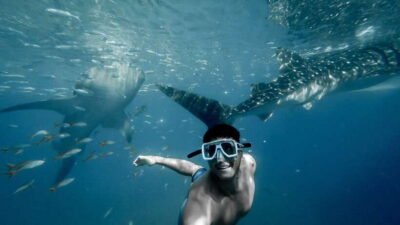
Whale Shark Swimming & Kawasan Falls Canyoneering
Read our review →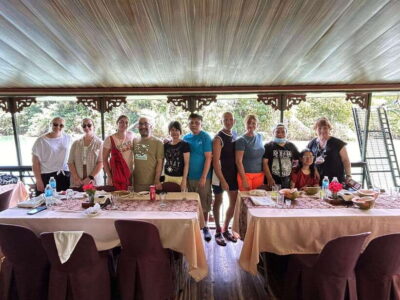
Bohol Countryside Tour with Loboc Cruise Lunch
Read our review →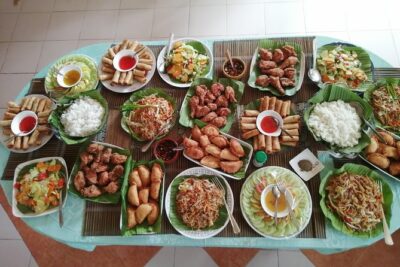
Canyoneering Experience in Kawasan Falls with Lunch
Read our review →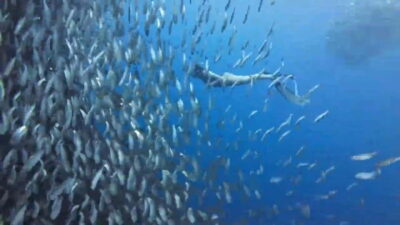
Oslob Whale Sharks, Tumalog Falls & Sardine Snorkeling
Read our review →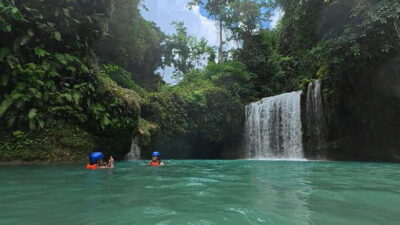
Whale Shark Swim and Kawasan Canyoneering Tour
Read our review →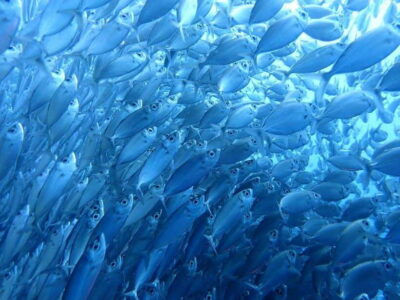
Oslob Whale Sharks, Moalboal Sardine Run & Turtles
Read our review →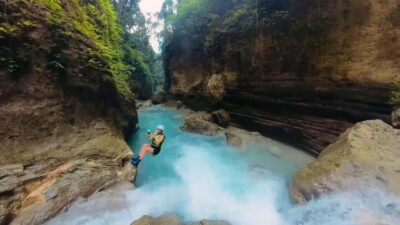
Kawasan Falls Canyoneering Tour with Ziplining & Lunch
Read our review →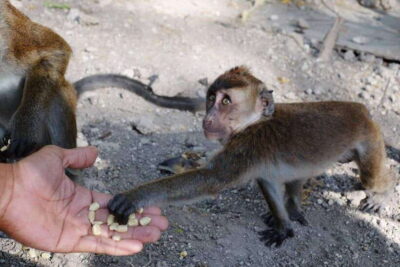
Whale Shark, Monkey Sanctuary, & Moalboal Turtles Tour
Read our review →Browse the lists this tour appears in