
Reviewed · WALKING TOURS
Cebu City: Walking Tour
Cebu’s old center is best understood on foot, where a museum, Spanish fortress, centuries-old house, church, food market, and modern city view sit within a compact urban area. This tour gives you that contrast in one outing, led by Chris, a friendly guide who brings plenty of warmth and local detail.
I like the small groups of no more than 10 people, and I like that you can choose a full walk or stop after one to two hours. The price is also fair at $18, especially since several major sights are included. The catch is the 3 to 4 kilometer walk, plus extra cash costs for Fort San Pedro, transport, food, and possibly Casa Gorordo Museum.
Key points at a glance
- National Museum of the Philippines, Cebu: Start with stories from before the modern Philippines took shape.
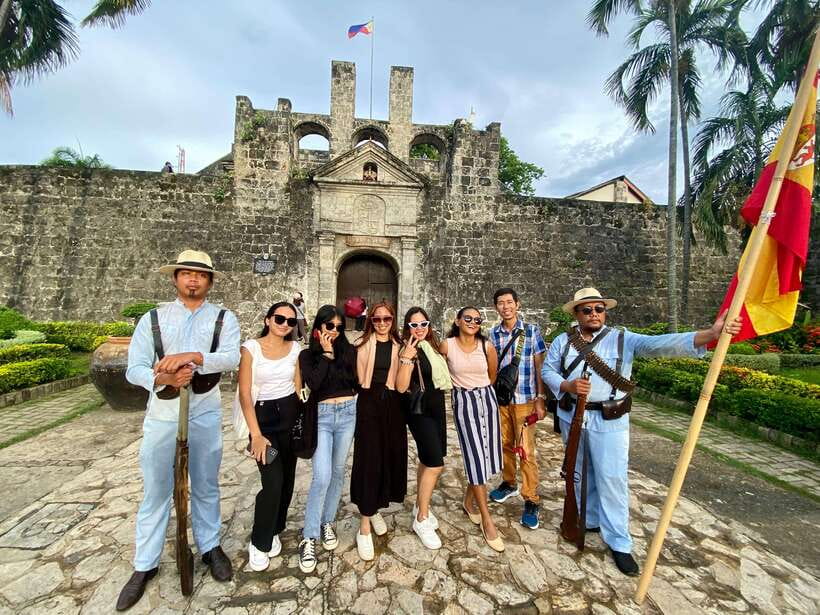
- Fort San Pedro: See Cebu’s Spanish-era fortress, with a small PHP 30 admission fee.
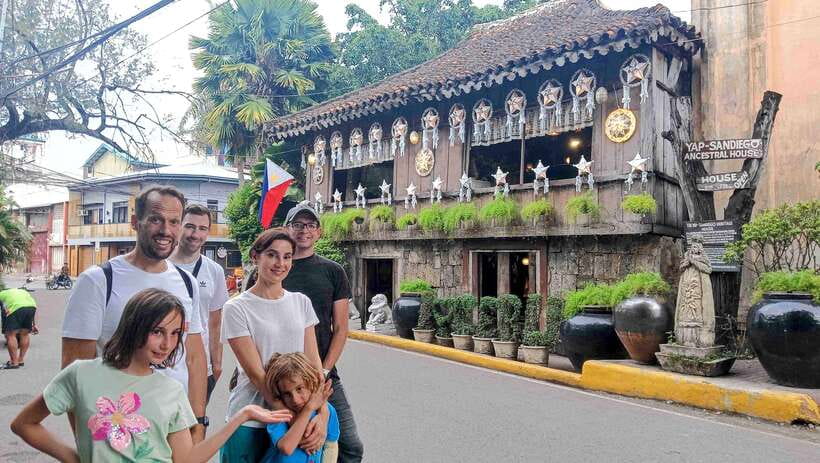
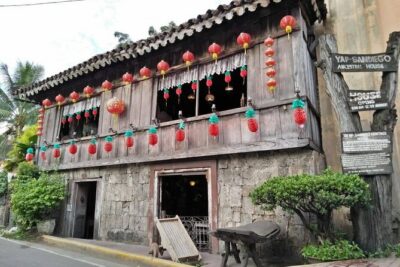
- Yap-San Diego Ancestral House: Get a sense of life inside an old Filipino home from the 1600s.
- Magellan’s Cross and Santo Niño Church: Visit two central religious landmarks with powerful links to Cebu’s past.
- Night options: Evening routes can include Carbon Night Market, Sugbo Mercado, and a city view from a roof deck.
- Flexible walking length: Complete the roughly three-hour route or ask in advance for a one to two-hour version.
Why this Cebu walk makes sense on your first day
Cebu can feel scattered when you first arrive. This walking tour gives you a useful first look without asking you to plan every stop yourself. You move through the historic center, hear the basic story of the city, and get a feel for how old Cebu and present-day Cebu sit side by side.
The route is not only about grand monuments. It also points you toward everyday places, including food markets and city streets. That matters because Cebu is more than its famous churches. You get a little religion, colonial history, family life, food, and nightlife in one compact experience.
The tour costs $18 per person. For that amount, you receive a guide and entry to the National Museum, Heritage of Cebu Monument, Magellan’s Cross, and Santo Niño Church. The free admissions help make the price good value, though you should budget another PHP 250 to PHP 500 for paid admissions, jeepney fare, refreshments, and food tasting.
A few more things to do in Cebu worth a look
- The Original Cebu City Historical and Food Walking Tour
★ 4.5 · 81 reviews - Manila: Street Food and Drinks Walking Tour with Tastings
★ 4.8 · 114 reviews - Viva Old Manila: Intramuros Walking Tour
★ 4.9 · 104 reviews
Meeting Chris beside the National Museum
The daytime meeting point is outside the National Museum of the Philippines, Cebu, beside Plaza Independencia. Go inside the museum and sit near the Museum Shop. The listed daytime start times are 9:30 and 14:30.
Chris is described as wearing glasses, blue and white rubber shoes, and carrying a paper. That may sound minor, but a clear meeting signal helps in a busy city. You will not need to stand outside scanning every face.
The evening meeting point changes to the McDonald’s near Magellan’s Cross, with a 19:30 start. Chris waits inside, near the entrance or close to the counter. Check the start time carefully when booking because different times can mean different stops.
Beginning with Cebu before the Spanish period
The National Museum is a strong place to start because it gives the walk a wider frame. Instead of opening with Spanish forts and churches, you begin with stories from before the Philippines came to be as a modern nation.
Admission is included, so you can spend time looking at the displays without adding to your budget. The museum also helps you understand why Cebu matters before the route turns to Spanish rule and Christian landmarks.
Do not expect a long museum visit unless you arrange one with the guide. The full walk lasts about three hours, so the museum is one part of a moving route rather than a complete morning inside. If you enjoy museum displays and want to read everything, the pace may feel quick.
Fort San Pedro and the Spanish era
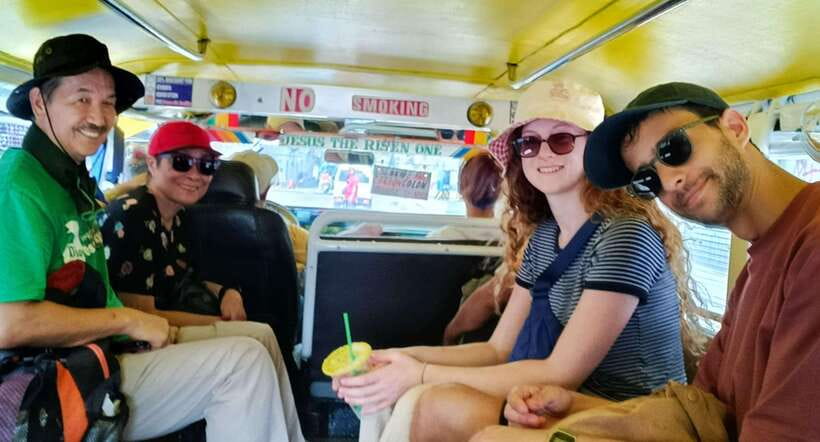
Fort San Pedro gives the tour a clear physical link to Spanish Cebu. The old fortress is one of the route’s most direct reminders of the colonial period, and its compact setting works well on a walking tour.
You pay PHP 30 in cash to enter. That is a small fee, but you should carry Philippine pesos because the extra charges are not included in the tour price.
I like this stop because it gives shape to the historical story. A museum can explain the past, while a fortress lets you see how that past occupied space. The fort also provides a change of mood after the museum, shifting the route outdoors and into the older part of the city.
The tour description connects the fort with a sense of security and the Spanish era. Keep your expectations measured: this is one stop in a city walk, not a long military-history visit. Your time there will depend on the group’s pace and stamina.
Same base, a different kind of day out:
- Cebu City: Whale Shark Swimming & Kawasan Falls Canyoneering
★ 4.7 · 665 reviews - Cebu City: Bohol Countryside Tour with Loboc Cruise Lunch
★ 4.5 · 488 reviews - Canyoneering Experience in Kawasan Falls with Lunch
★ 5.0 · 440 reviews - Cebu: Oslob Whale Sharks, Tumalog Falls & Sardine Snorkeling
★ 4.3 · 343 reviews
An old Cebu home at Yap-San Diego Ancestral House
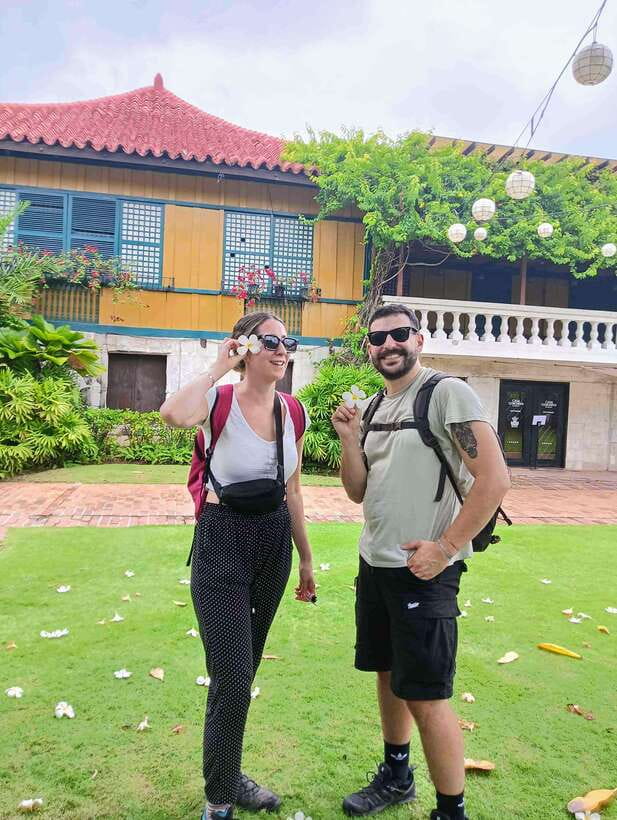
The Yap-San Diego Ancestral House offers a different kind of history. Forts and churches show public power and religion. An ancestral home shows how a family house might have looked and felt centuries ago.
The attraction is tied to Filipino life in the 1600s, giving you a more personal view of the past. You are not simply looking at walls or dates. You are thinking about domestic space, family routines, and the way an old Cebu home was used.
This is one of the more appealing stops for anyone who prefers human stories to formal monuments. It also helps balance the Spanish-focused parts of the route. The available information does not specify whether this house is included at every start time, so confirm the exact route for your chosen slot.
Casa Gorordo Museum is another possible paid stop, with an admission fee of PHP 150. It is not listed among the included admissions, so bring extra cash if Chris includes it in your route or if you decide to visit.
Magellan’s Cross and Santo Niño Church
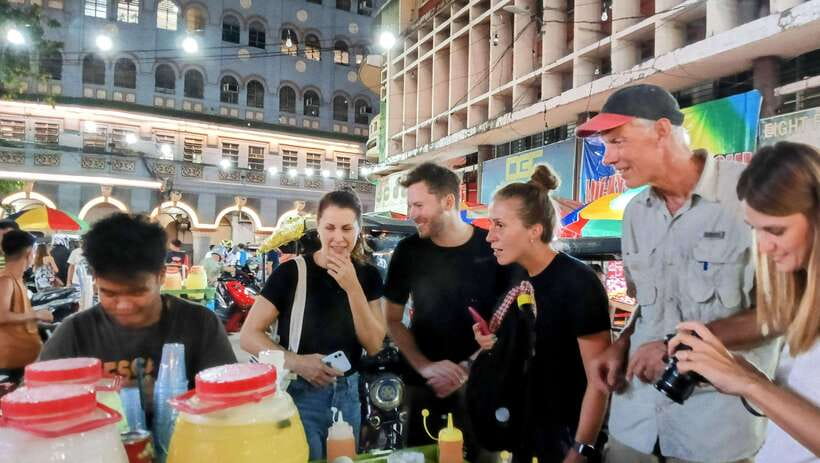
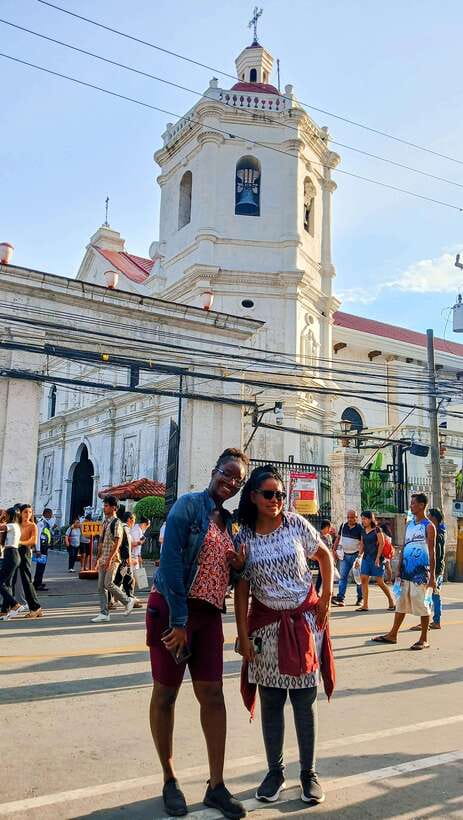
Magellan’s Cross is one of Cebu’s best-known landmarks and an important stop in the city’s religious story. The cross is free to visit, and its central location makes it an easy part of the walking route.
The stop invites you to think about the meeting of local Filipino life, Spanish influence, and Christianity. The tour connects it with the way ancestral Filipinos lived before the modern period, though you should expect a short landmark visit rather than a long archaeological presentation.
Santo Niño Church is also included at no extra cost. Together, the church and Magellan’s Cross give the route its strongest religious focus. If you are sensitive to dress rules, plan ahead. No shorts, clothing above the knee, slippers, or shawls used for covering are allowed according to the tour information. Wear proper shoes and clothing that covers below the knee.
These rules are worth taking seriously. You do not want to lose time or feel uncomfortable at the entrance. A simple, modest outfit is the practical choice.
Night markets and Cebu after dark
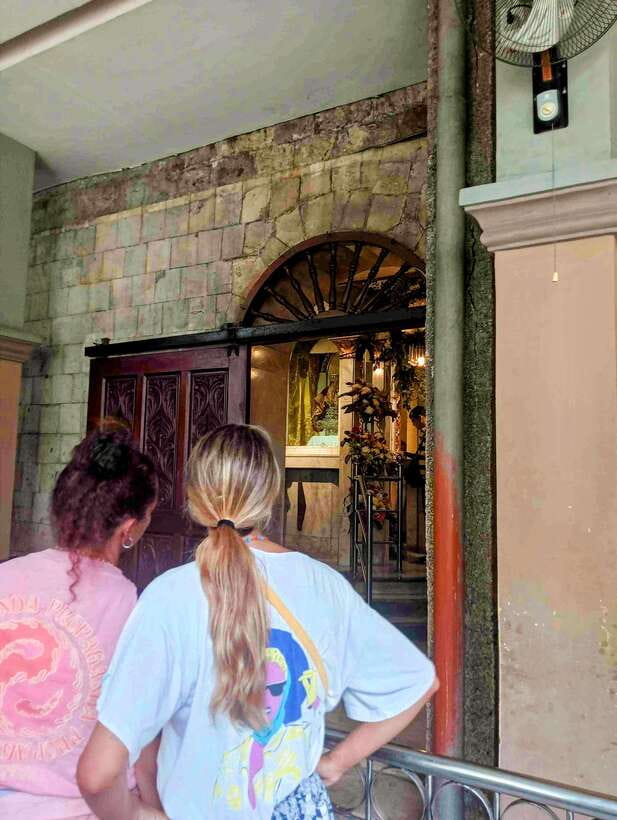
The evening route begins at 19:30 near Magellan’s Cross. Depending on the time and route chosen, you may visit Carbon Night Market, Sugbo Mercado, and a roof deck for a city view.
This gives the tour a different character from the daytime version. During daylight, the focus is mostly on museums, forts, churches, and ancestral homes. At night, the emphasis shifts toward food, local streets, markets, and the city as a place where people gather after work.
Food is not included, so bring money or buy something along the way. The suggested budget includes about PHP 250 for drinks or food tasting, but your actual spending can vary. If you have dietary restrictions, ask what is available before buying. The tour information does not promise a specific dish or tasting menu.
The night route may suit you if you want a social introduction to Cebu rather than a formal sightseeing circuit. It is also useful if daytime heat makes a three-hour walk less appealing. Still, different times visit different places, so do not assume the evening tour covers every daytime landmark.
How the walking distance affects the experience

The route covers about 3 to 4 kilometers. That is manageable for many people, but Cebu’s heat, street conditions, and the stop-and-go nature of a city walk can make the distance feel longer than the number suggests.
Wear real walking shoes. Slippers are not allowed, and comfortable footwear is sensible for the route anyway. Bring water, especially for a daytime start, although you may also buy drinks or food during the walk.
The group’s pace and stamina affect the walking time. A full route takes about three hours, while the shorter version takes about one to two hours. Families with children can join, but children may need to stop early.
I like this flexibility because it lets you match the route to your energy. If you have just arrived after a long journey, the shorter walk may be the better choice. Tell the guide beforehand if you want the half route, rather than waiting until the group is already moving.
Guide Chris and the small-group feel
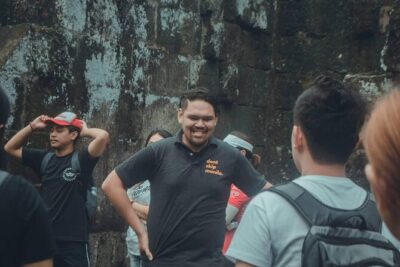
Chris is the named guide, and the strongest praise centers on his manner. He is described as charismatic, generous, friendly, kind, and good fun. The useful takeaway is that this is not designed as a silent march between monuments. You should expect conversation, stories, and a guide who enjoys making Cebu feel approachable.
The small-group limit of 10 people helps. You can ask questions without trying to catch a guide’s attention from the back of a large crowd. It also makes it easier to adjust the walk for pace, family needs, or a shorter finish.
The languages are English and Tagalog. If you want local context, Chris’s Tagalog ability may add useful detail, while English makes the route accessible to international visitors.
No guide can control every part of a city walk. Traffic, heat, crowds, and the group’s walking speed can affect the day. The tour’s value depends partly on how much you enjoy learning through conversation rather than simply checking off sights.
Extra costs and the real price
At $18, the tour is reasonably priced for a guided introduction to central Cebu. You get the walk, the guide, and admission to four listed attractions at no extra charge: the Heritage of Cebu Monument, National Museum of the Philippines, Cebu, Magellan’s Cross, and Santo Niño Church.
Plan for PHP 250 to PHP 500 in additional cash. The known costs include:
- PHP 30 for Fort San Pedro
- PHP 15 for jeepney transport
- PHP 150 for Casa Gorordo Museum
- About PHP 250 for drinks, refreshments, or food tasting
You may not pay every one of these fees because the route can vary by time. Still, carrying PHP 250 to PHP 500 gives you room to handle the likely extras without hunting for an ATM.
The price is strongest if you want a guide to connect the stops. If you only want to see Magellan’s Cross and the church, you can visit those free sites independently. The tour earns its keep through the historical context, route planning, and local food or market suggestions.
Who should book this walk
I would recommend this experience to first-time Cebu visitors who want a quick orientation to the old city. It suits people who enjoy history but do not want to spend an entire day indoors, and it works well for those who want a taste of local nightlife after seeing the major landmarks.
It is also a good option if you prefer a small group and want the chance to speak directly with your guide. The short-route option helps families and anyone unsure about managing a full three-hour walk.
I would be more cautious if you dislike walking, need a fully accessible route, or want a fixed list of stops with no changes. The information provided does not give detailed accessibility details, and different start times can include different places.
Cancellation is flexible: you can cancel up to 24 hours before the activity for a full refund. You can also reserve now and pay later, which is useful when your Cebu schedule is still shifting. The activity is shown as available over seven days, but the actual experience is a walking tour of about one to three hours, not a seven-day tour.
Should you book the Cebu City Walking Tour?
Book it if you want a friendly, compact introduction to Cebu that mixes major sights with markets, food, and local stories. Chris’s warm, engaging style is a major reason to choose this tour, while the low price and free admissions make it good value.
Choose the shorter route if you are traveling with children or arriving tired. Carry pesos, wear proper walking shoes and modest clothing, and check which attractions belong to your selected time. If you want to understand Cebu quickly rather than simply photograph it, this is a sensible first walk.
FAQ
How long does the Cebu City Walking Tour last?
The full walk takes about three hours. A shorter option takes about one to two hours, but you should request the shorter route beforehand.
How far do you walk?
The tour covers approximately 3 to 4 kilometers. The exact walking time depends on the group’s pace and stamina.
Where does the daytime tour meet?
Daytime tours meet inside the National Museum of the Philippines, Cebu, beside Plaza Independencia. Sit near the Museum Shop. The listed daytime start times are 9:30 and 14:30.
Where does the evening tour meet?
Evening tours meet at 19:30 inside the McDonald’s near Magellan’s Cross. The guide waits near the entrance or close to the counter.
What languages does the guide speak?
The tour is offered in English and Tagalog.
What should I wear and bring?
Wear clothing that covers below the knee and avoid shorts, slippers, and clothing above the knee. Bring Philippine pesos for Fort San Pedro, jeepney fare, Casa Gorordo Museum, drinks, or food tasting. Food is not included.
Just added in Cebu
- Whale Shark Watching & Tumalog Falls & Kawasan Falls★ 5.0 · 16 reviews
- Whale Shark Watching and Sumilon Sandbar Private Tour Package★ 5.0 · 17 reviews
- Whale Shark Watching with Sumilon Sandbar and Kawasan Falls Tour★ 5.0 · 8 reviews
- Full Day Shark Watching and Canyoneering in Cebu★ 5.0 · 15 reviews
- Half day tour with Snorkel at Sancturary and Sulpa island★ 5.0 · 3 reviews
- Cebu Whale Shark Encounter, Moalboal Sardines & Tumalog Falls★ 4.0 · 18 reviews
- Bohol Chocolate Hills & Tarsiers with roundtrip ferry from Cebu★ 5.0 · 7 reviews
- Transfer Cebu City – Bantayan Island★ 3.5 · 4 reviews
Walking Tours, compared.

Street Food and Drinks Walking Tour with Tastings
Read our review →
The Original Cebu City Historical and Food Walking Tour
Read our review →
Intramuros Walking Tour with Transportation by Don’t Skip Manila
Read our review →
Manila Intramuros Walking tour with Local Tour Guide
Read our review →Browse the lists this tour appears in