
Reviewed · CANOES & KAYAKS
From Tagbilaran City/Panglao Island: Bohol Mangrove Kayaking
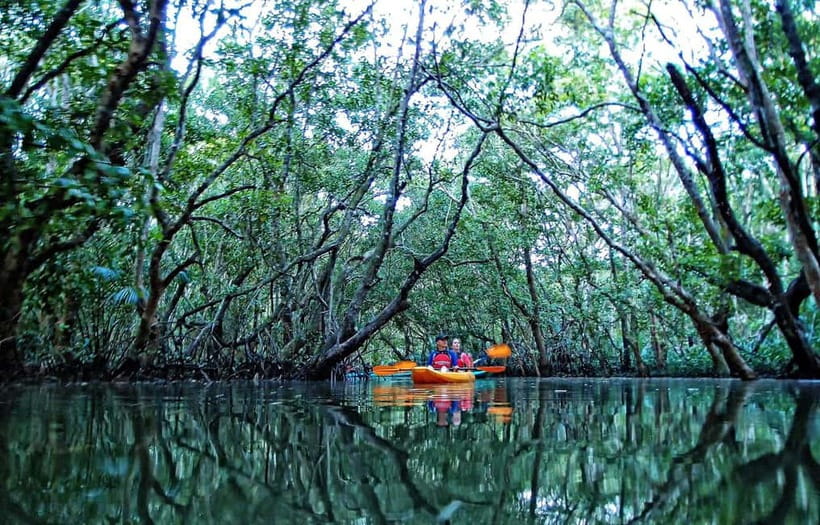
The best part of this Bohol outing is simple: you steer your own kayak through narrow mangrove corridors on the quiet Abatan River. There are no engines and no crowds pressing in behind you. The route leads through old flooded forest, then opens onto wider river sections where your guide explains the local environment and community.
I like the small-group feel and the care given to conservation. I also like the guides’ personal touch. Vince has taken photos for guests without rushing them, while Jeremy brings strong environmental knowledge to the stops along the way. The main consideration is physical: you can paddle for up to two hours, and the activity is not suitable for non-swimmers, children under six, or people with mobility impairments.
Key points to know before you book
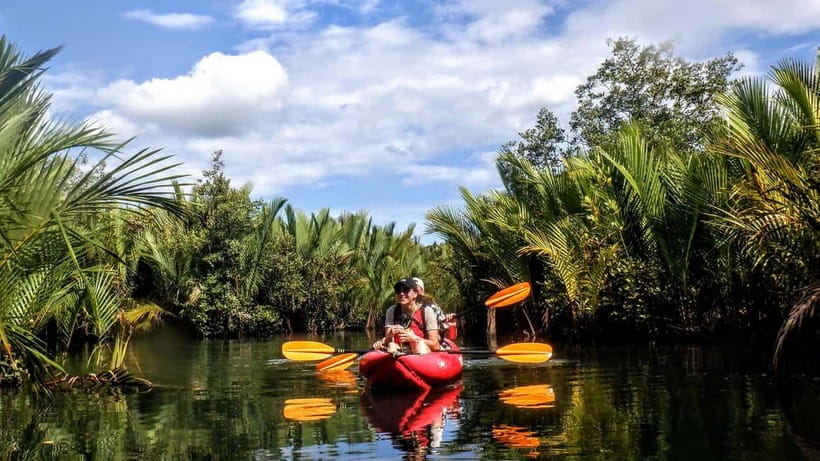
- The route uses real mangrove tunnels: Narrow passages lead into quieter sections of the Abatan River, with wider stretches for views and explanations.
- You paddle, rather than ride: A safety briefing and basic lesson come before the water time, so beginners can learn the strokes and steering.
- Local guides shape the experience: Vince and Jeremy are among the guides named in guest feedback, with the tour offered in English and Tagalog.
- The trip supports a protected river corridor: The area contains 32 mangrove species, including the endangered Camptostemon philippinense.
- The five-hour schedule includes more than kayaking: Transport, equipment, changing facilities, food, drinks, lockers, and water refills are included.
- The drive varies by pickup point: Tagbilaran is about 15 minutes from the river station, while Panglao or Loboc can take about an hour.
Why the Abatan River feels different from a standard Bohol outing
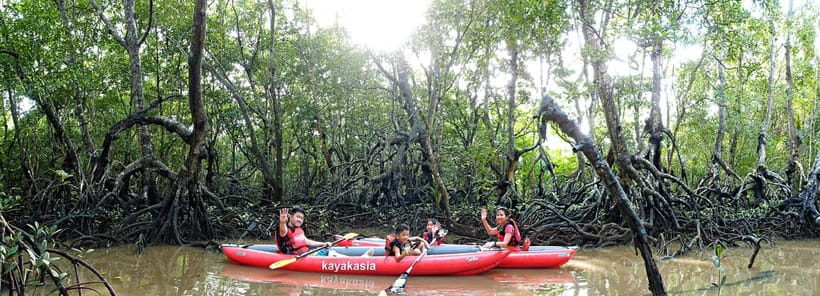
Bohol is well known for beaches, countryside drives, and crowded photo stops. This trip offers a slower kind of sightseeing. You move at paddle speed, close to the waterline, with the sound of the kayak and birds doing most of the work.
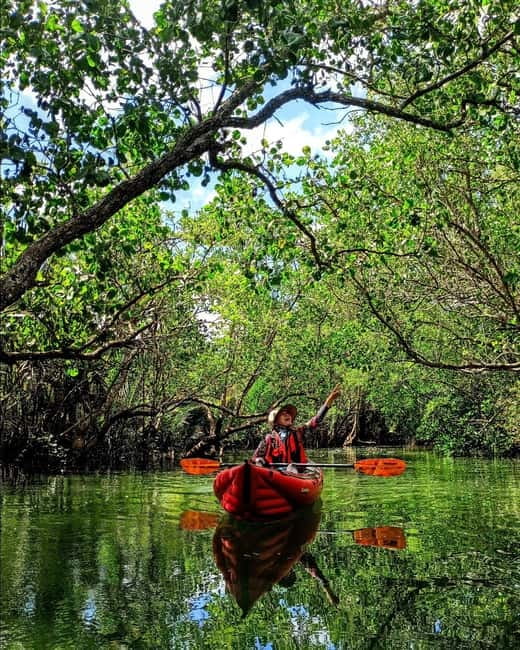
The mangroves form a maze of roots, branches, and narrow waterways. Some passages act like side roads into the forest. Others return you to the main river, where your guide can pause to explain how the plants hold the riverbank together and provide nursery areas for fish.
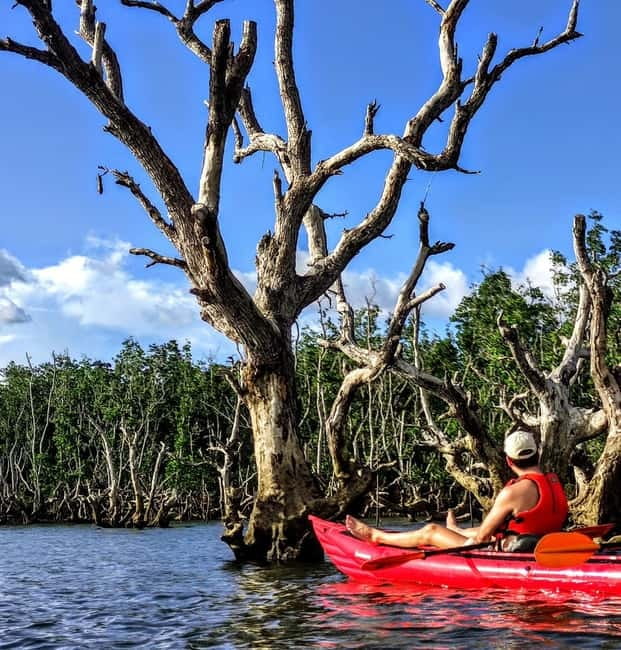
The setting is not polished for display. That is part of its appeal. You are not watching a staged wildlife show or riding through a decorative garden. The mangrove corridor is a working natural area tied to the nearby river community.
Kayakasia Philippines presents the outing as a conservation-focused activity, and the details matter. The area contains 32 mangrove species, including Camptostemon philippinense, an endangered species. Mangroves help reduce coastal erosion, shelter young fish, and store carbon. Your payment includes river and community fees, so the visit gives local people a reason to protect the waterway rather than replace it with a more intensive use.
You should not expect a dramatic wildlife spectacle on demand. Wildlife viewing is part of the outing, but birds and other animals follow their own schedule. The pleasure comes from paying attention: a heron overhead, crab holes in the mud, or the shape of a root system beside your kayak.
A few more things to do in Bohol worth a look
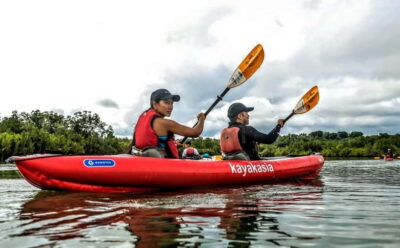
- Bohol: SUSTAINABLE Mangrove Tunnels & Firefly Kayaking trail
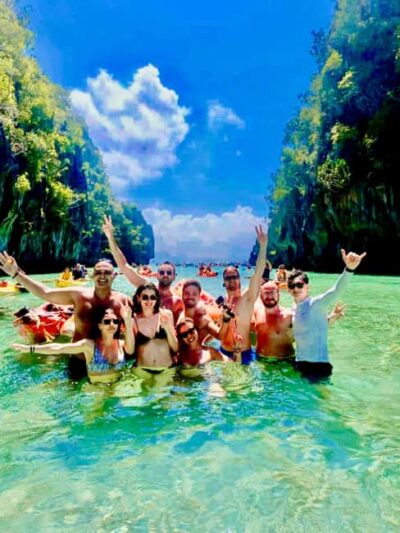
★ 5.0 · 26 reviews - El Nido: Big Lagoon Kayaking & Island Adventure
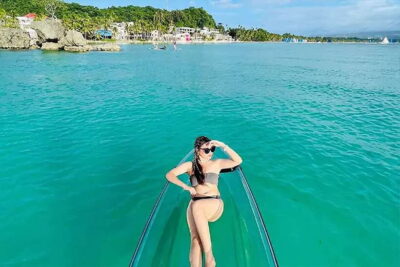
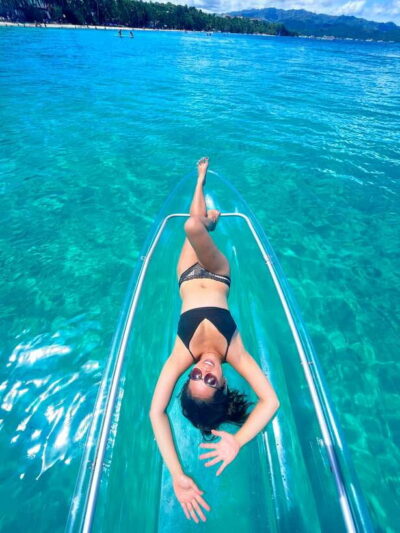
★ 4.4 · 132 reviews - Boracay: Crystal Kayak Photo-op Experience
★ 4.7 · 72 reviews
From hotel pickup to the river station
The experience begins with round-trip transport from resorts in Panglao Island or Tagbilaran City. The travel time depends on where you stay. Tagbilaran is listed at about 15 minutes from the river station, while the journey from Panglao or Loboc can take about an hour. A separate schedule estimate gives a 30-minute van ride, so allow extra time rather than planning a tight connection afterward.
This transfer is useful if you do not have your own vehicle. You avoid arranging a driver for a remote river departure and can return to your accommodation after the paddle. The tradeoff is that the five-hour activity includes road time, so the actual time on the water is limited to a maximum of two hours.
That is not necessarily a weakness. Two hours of steady paddling through confined mangrove channels can be enough for a satisfying outing, especially in warm weather. You get a focused river experience without turning the day into an endurance test.
At the river station, you can use lockers, a washroom, and changing rooms. Bring swimwear or comfortable clothes that can handle splashes. Sunscreen and insect repellent are sensible, as are water and a camera. Water refills are provided, which cuts down on the need for single-use bottles.
The safety lesson matters, even for beginners
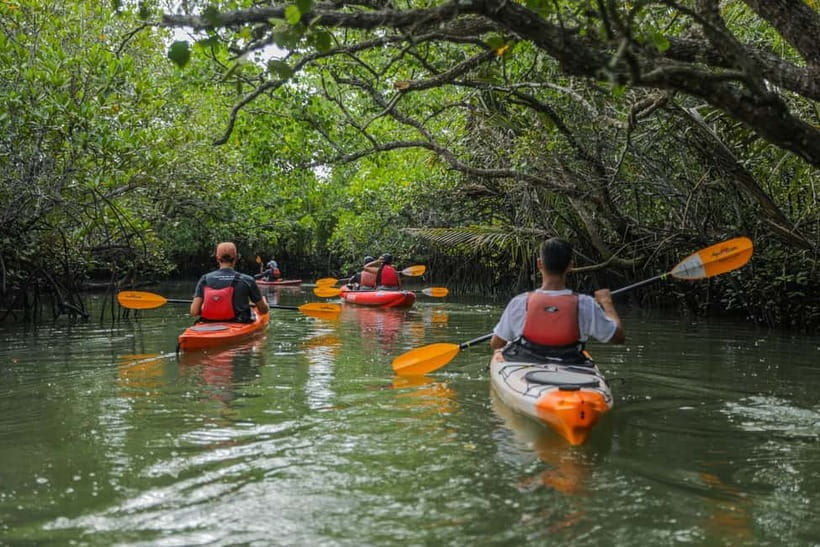
Before you launch, the guide provides a full safety briefing and a basic kayaking lesson. You learn how to handle the equipment and get your bearings before entering the narrower channels.
This is a beginner-friendly activity, but it is still active. You need to paddle, steer, and make small adjustments when the route bends or narrows. The guide leads the way and helps you understand the conditions, but you are not simply sitting in a boat while someone else does the work.
Non-swimmers should not book this experience. Children under six are excluded, and the activity is not suitable for people with mobility impairments. Those limits are worth taking seriously because the outing takes place on open river water, not on a fixed platform or easy walking trail.
The right clothing is practical rather than stylish. Wear something comfortable, use sunscreen before launch, and pack insect repellent. A camera can be useful, but secure it properly. The kayak route involves water, branches, and movement, and you may not want to hold a phone for the entire paddle.
Paddling into the mangrove tunnels
Once on the water, the route becomes more personal than a standard boat cruise. You choose your line, follow the guide, and work through the turns yourself. The tunnels can feel narrow and enclosed, while other sections open into the main river with more sky and room around you.
That change in scale gives the route its character. One minute you are studying roots and low branches at close range. The next, you are looking across a broad stretch of river and listening to an explanation about the surrounding ecosystem.
The guides stop along the way to point out plants, birds, and signs of life in the mud. You might see crab holes or hear about the role of the mangrove roots as shelter for fish. You may also learn how typhoons once caused major damage in the area and how the recovering mangroves now help protect the river community.
The guide’s presence makes a large difference here. Vince has been praised for explaining the area clearly, taking photos, and allowing plenty of time rather than pushing the group onward. Jeremy has also been singled out for his strong background in environmental subjects. Guide assignments can change, but the experience depends on this local, conversational approach.
The route is described as a roughly 7-kilometer paddle by one guest, though the stated maximum water time is two hours. That gives you a useful sense of scale: this is a genuine paddle, not a five-minute photo stop, but it is not designed as an all-day expedition.
Same base, a different kind of day out:
- Bohol: Premium Chocolate Hills, Tarsiers & River Experience
★ 4.7 · 804 reviews - Bohol: Boat Tour to Sandbar and Snorkeling with Turtles
★ 4.3 · 186 reviews - Bohol: Chocolate Hills and Countryside Tour
★ 4.6 · 175 reviews - Bohol: Dolphin Watching & Sea Turtle Swim Island Tour
★ 4.2 · 159 reviews
A quiet river with a conservation purpose
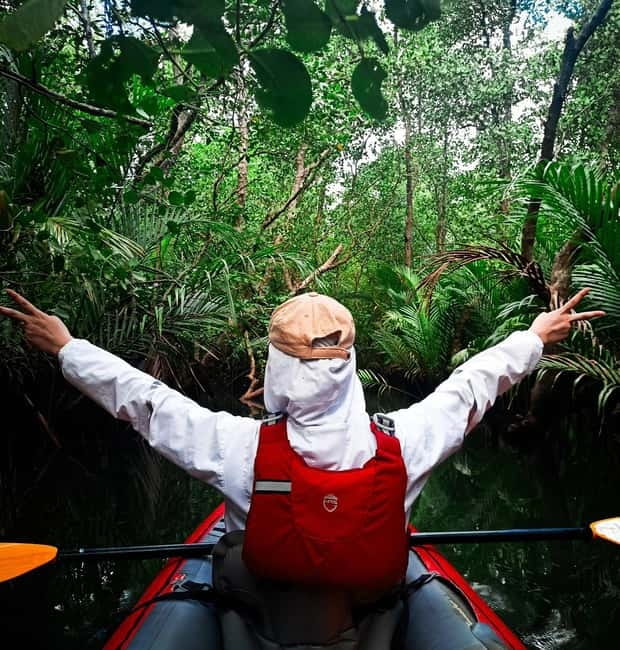
The silence is one of the strongest reasons to choose this activity. There is no motor noise competing with the birds and no megaphone carrying commentary across the water. Your paddle creates a soft rhythm, and the narrow passages make the river feel more secluded than the distance from Bohol’s resort areas might suggest.
The quiet also makes this a good choice for people who want a break from busy sightseeing. You do not move from one attraction to another. Instead, you spend time noticing small details and listening to the guide’s explanation.
The conservation message is more convincing because it connects to practical work. Mangroves reduce erosion, support fish nurseries, and store carbon. They also give the riverbank protection during severe weather. The tour’s community and river fees help attach financial value to leaving this corridor intact.
You should still keep your expectations grounded. This is not a research expedition, and the guide cannot promise a particular bird or animal. The focus is on the ecosystem as a whole, with wildlife as part of the experience rather than a guaranteed performance.
Food, drinks, and the return to the station
After the main paddle, the outing includes local snacks and food and drinks either during the break or afterward. The meal has received especially strong praise for its taste and generous portions. That matters after two hours on the river, when a small snack can feel more like a proper meal.
You also have access to water refills, changing rooms, a washroom, and lockers. These practical inclusions make the trip easier to manage, especially if you are coming straight from a beach hotel and need to change before the ride back.
The schedule allows the experience to slow down after the paddle. You are not rushed from the kayak into the van. That breathing room is one reason this outing works well as a half-day plan rather than as a quick add-on between major Bohol attractions.
Food quality can vary from one day to the next, but the available feedback consistently highlights the meal as a strong part of the experience. If you value local food as much as scenery, include that in your calculation of the overall price.
Is $64 a fair price?
At $64 per person, this is not the cheapest way to spend half a day in Bohol. The price makes more sense when you count what is included: round-trip hotel transport, kayak equipment, instruction, a professional guide, river and community fees, food, drinks, water refills, lockers, washroom access, and changing rooms.
You are also paying for a smaller, lower-impact outing rather than a large commercial boat ride. Limited spaces help keep the route quieter and reduce pressure on the mangrove corridor. For a first-time paddler, having instruction and a guide on a less familiar river adds useful value.
The price is less attractive if you only want a short scenic ride or if you already have transport, equipment, and river access arranged. It is aimed at people who want the full service and the environmental context, not simply a kayak rental.
I would compare it with the cost of arranging a private driver, renting suitable equipment, and finding a safe route independently. Once those pieces are added, the guided package becomes easier to justify, particularly for visitors staying in Panglao and facing the longer drive.
Who will enjoy this most
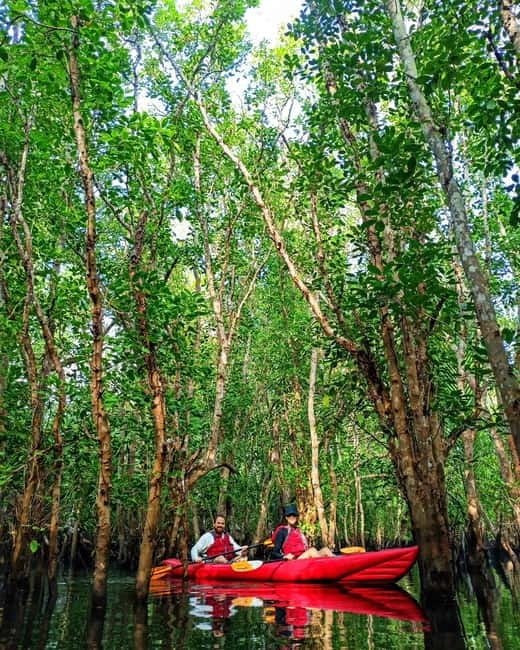
I would choose this for you if you want a quiet outdoor activity with real local context. It suits beginners who are comfortable in the water and willing to paddle for up to two hours. You do not need advanced kayaking skills, but you should expect to take part rather than sit back.
It is also a good fit for nature photographers, birdwatchers, and anyone who prefers a slower morning or afternoon. The narrow waterways offer details that are easy to miss from a road or a motorboat.
This is not the right pick if you want a beach day, a fast thrill, or guaranteed animal sightings. It may also be tiring in hot weather, and the longer drive from Panglao takes a fair share of the five-hour schedule.
The activity is offered in English and Tagalog. A guide who can explain the plants, wildlife, local culture, and conservation work adds much more value than a simple route escort. That human element is central to the experience.
Booking details worth keeping in mind
The experience lasts five hours, with starting times available according to the date you choose. You can cancel up to 24 hours before departure for a full refund, and reserve now while paying later, which helps if your Bohol schedule is still moving around.
Plan around the transport time. From Tagbilaran, the river station is relatively close. From Panglao or Loboc, allow about an hour on the road, despite the shorter 30-minute estimate sometimes used for the transfer. The safest approach is to keep the rest of the day flexible.
Bring swimwear, comfortable clothing, sunscreen, insect repellent, water, and a camera. The provider supplies the kayak gear, safety instruction, food, drinks, and water refills.
Should you book the Mangrove Tunnels Trail?
Book it if you want to see a quieter side of Bohol and are happy to power the experience with your own arms. The strongest reasons are the peaceful river, narrow mangrove passages, local guiding, and the direct connection between your visit and conservation work.
The activity earns its price through the full package and the careful pace. You get transport, equipment, food, and facilities, but the real value is the chance to spend time in a protected river corridor without engines or large crowds.
Skip it if you cannot swim, have mobility limits, dislike paddling, or want a quick sightseeing stop. For everyone else, this is one of the more distinctive half-day choices around Bohol. Pack light, leave room for a good meal afterward, and expect the river to reward patience rather than speed.
FAQ
How long does the Bohol mangrove kayaking experience last?
The full activity lasts five hours, including transport, preparation, kayaking, food, and the return to Bohol. The maximum time on the water is two hours.
Where does the tour provide pickup?
Round-trip transport is provided from resorts in Panglao Island or Tagbilaran City. The river station is about 15 minutes from Tagbilaran and about one hour from Panglao or Loboc.
Is kayaking equipment included?
Yes. Kayak gear and equipment are included, along with a basic kayaking lesson and safety instructions before launch.
Is the activity suitable for beginners?
Yes. A basic lesson and safety briefing are provided, and advanced kayaking experience is not listed as a requirement. You must be able to swim and take part in the paddling.
What food and facilities are included?
Food and drinks, local snacks, water refills, lockers, a washroom, and changing rooms are included.
Can children and people with mobility impairments join?
Children under six, people with mobility impairments, and non-swimmers should not join this activity.
Just added in Bohol
- Kawasan Canyoneering Adventure Package from Cebu★ 5.0 · 11 reviews
- 2025 Tarsier, Waterfalls & Chocolate Hills Tour★ 5.0 · 3 reviews
- Kawasan Falls and Mantayupan Falls in One Day from Cebu★ 5.0 · 5 reviews
- Kalanggaman Island Day Tour Package from Cebu City or Mactan★ 3.0 · 6 reviews
- Bohol Firefly Watching (Private)★ 4.5 · 7 reviews
- Exclusive Bohol,Philippines Chocolate Hills-Tarsier Tour★ 4.5 · 5 reviews
- BOHOL Tour 2026 – Chocolate Hills, Tarsier and River Cruise Lunch★ 5.0 · 5 reviews
- Bohol Alicia Panoramic Park★ 5.0 · 8 reviews
Canoes & Kayaks, compared.
SUSTAINABLE Mangrove Tunnels & Firefly Kayaking trail
Read our review →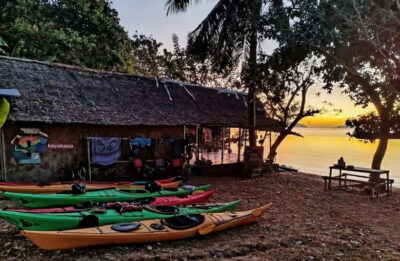
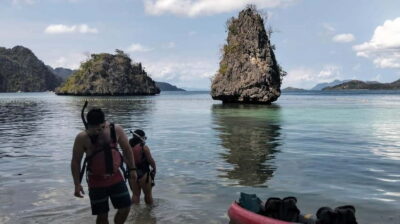
North Face Kayaking Tour with Lunch and Snorkeling
Read our review →
Shared Underground River with Mangrove Paddle Boat & LUNCH
Read our review →Browse the lists this tour appears in