
Reviewed · TOURS IN MANILA
Makati: Hands on Manila Cooking Class
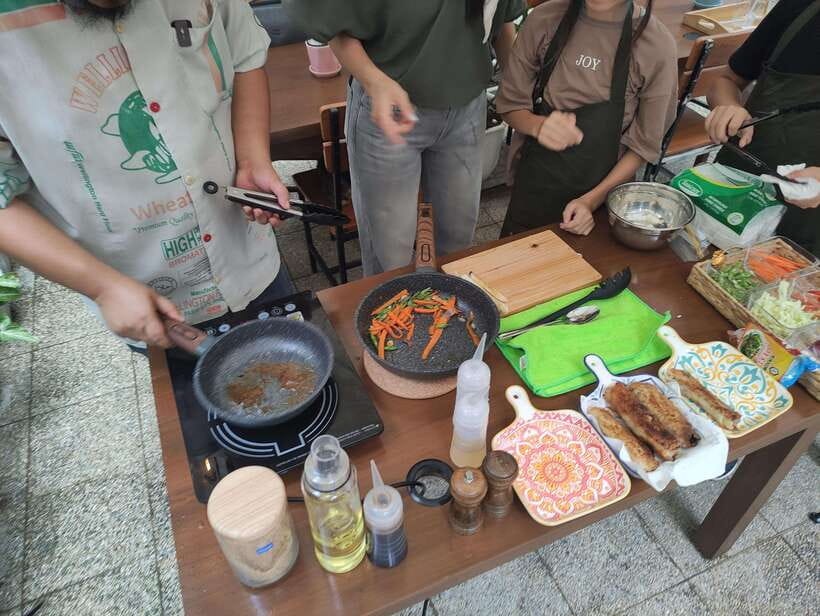
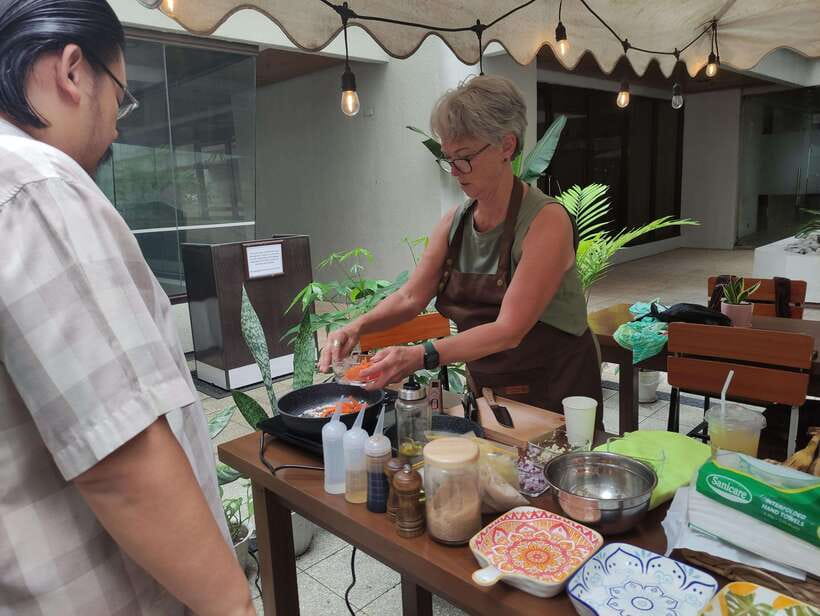
Filipino cooking is at its best when it is shared, and this two-hour class lets you make a whole meryenda, or snack spread, rather than just one small dish. Under Chyl’s calm guidance, you prepare pancit, lumpia, and turon, then sit down to eat what you have made. The so-called snack is generous enough to cover a meal, so arrive hungry.
I like the small four-person limit, which gives you real time at the cooker instead of watching a demonstration from the back of a crowd. I also like the cultural side: Chyl talks about family food, Filipino customs, and the stories behind simple dishes. The main consideration is the open-air setting, which can be affected by rain, and the $60 price is not a bargain if you only want a quick cooking lesson.
Key points at a glance
- Three dishes in two hours: Make pancit noodles, savory lumpia, and sweet turon.
- A personal class with Chyl: The group is limited to four, and solo bookings may become one-on-one instruction.
- More than a recipe lesson: Expect stories about Filipino family life, food traditions, and everyday meryenda.
- A very filling snack: The food can amount to two meals, so do not eat a large lunch first.
- Convenient Makati setting: The class takes place outdoors near the Peninsula Hotel and Greenbelt Mall area.
- Beginner-friendly cooking: You receive the equipment and ingredients, and Chyl guides you through each stage.
What this Makati cooking class really offers
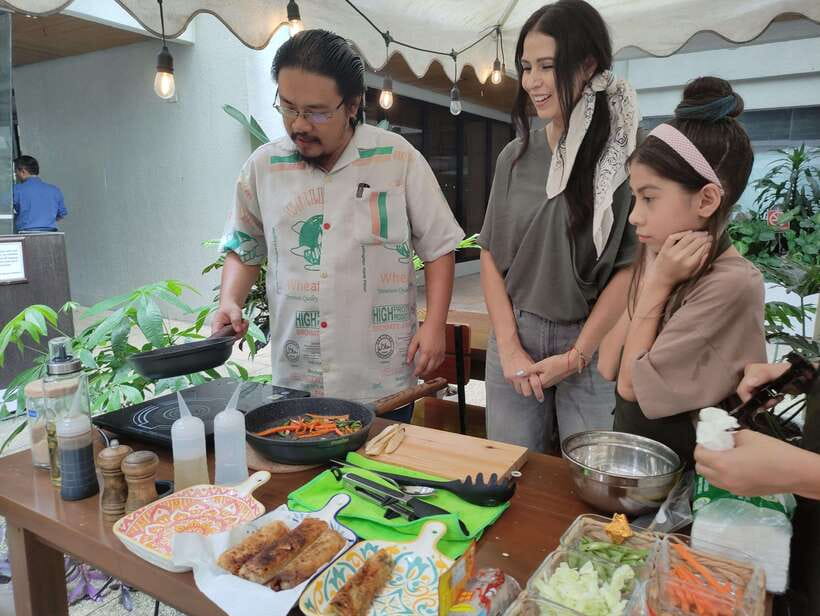
This is not a formal restaurant kitchen or a long culinary course. It is a compact, friendly introduction to home-style Filipino food, designed to fit neatly into an afternoon in Makati.
You work through three familiar snacks. Pancit gives you a savory noodle dish, lumpia teaches you how to prepare and wrap a crisp spring roll, and turon brings the sweet finish with fried bananas wrapped in a thin coating. Together, they show three sides of Filipino snack culture: filling noodles, portable fried food, and a simple dessert built around bananas.
The useful part is that you do the work yourself. You prepare ingredients, cook at your own station, and assemble the dishes rather than simply watching Chyl cook. That makes the lesson easier to remember when you return home.
The class is also about how Filipinos eat. Meryenda is not just a quick bite between meals. It can be a social pause, a family habit, or a substantial plate shared with others. The food may be called snacks, but the portions are generous. Several people have found themselves with enough left over for later.
A few more things to do in Manila worth a look
- Manila Filipino Cooking Class: Meryenda Favorites
★ 5.0 · 80 reviews - Private Filipino cooking class in a local Manila Home
★ 5.0 · 28 reviews
Meeting Chyl and settling into the outdoor kitchen
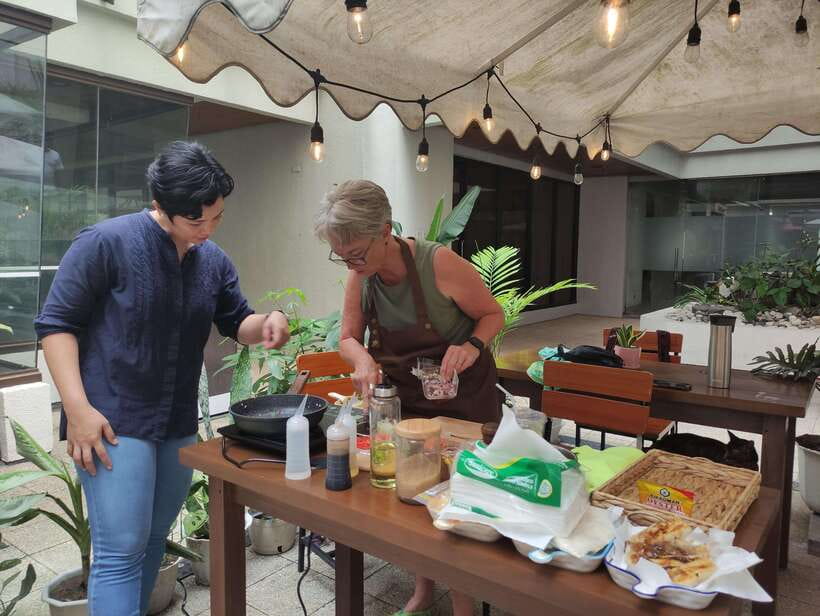
The class meets in an outdoor courtyard in front of a coffee kiosk. Look for Chyl there. The location is convenient if you are staying near central Makati, with the Peninsula Hotel and Greenbelt Mall area mentioned as nearby reference points.
The setting has a relaxed feel. Tables are prepared in advance, and each person receives cooking equipment and ingredients. A cold nonalcoholic drink is included, which is especially welcome in Manila’s warm weather.
That preparation matters. You are not standing around while someone shops, measures every ingredient, or searches for missing pans. The work area is ready when you arrive, so the two-hour schedule can focus on cooking and conversation.
The meeting point may not be instantly obvious, so I would confirm the exact location with the organizer before leaving your hotel. One piece of location information identifies Nueva Vizcaya, while the activity itself is presented as a Makati experience. Since the meeting instructions point to the Makati courtyard, check the map pin and current directions carefully.
Pancit, lumpia, and turon from scratch
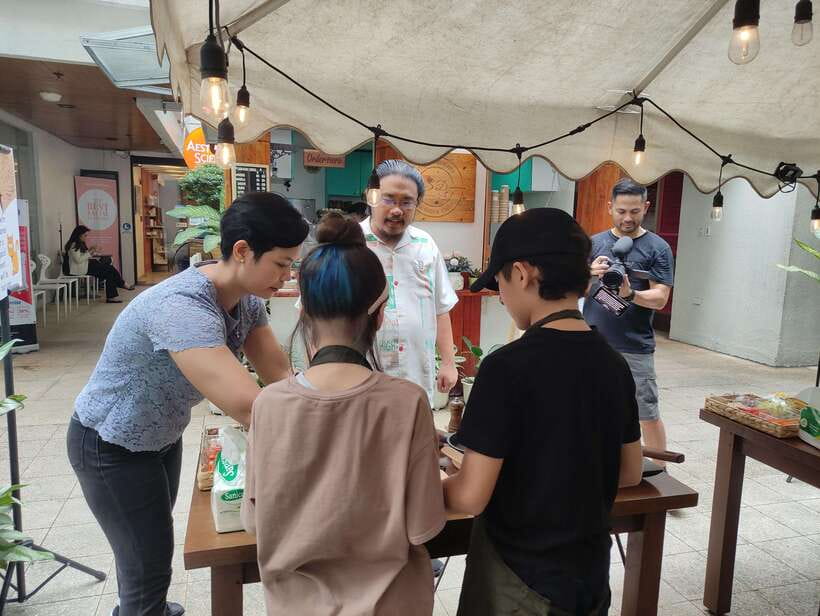
The class builds toward a complete snack spread. You start with preparation, then move into cooking and assembly as Chyl explains what to do.
Pancit noodles
Pancit is the savory anchor of the class. You learn how to prepare a noodle dish that feels substantial and practical for home cooking. This is a useful choice for beginners because it teaches several basic habits at once: organizing ingredients, managing a hot pan, and bringing separate components together at the right time.
Chyl explains the steps clearly and lets you take the lead. If you already cook often, you can ask questions about technique and Filipino food customs. If you are new to cooking, she breaks the process into manageable parts.
The dish also gives you a good sense of everyday Filipino food. It is not an elaborate celebration dish that requires rare products or special equipment. It is the kind of food you can picture making in your own kitchen.
Same base, a different kind of day out:
- Intramuros, Manila: Historical Bamboo Bike Tour
★ 4.8 · 583 reviews - Experience Intramuros with Bamboo Bicycle – Ecotours
★ 5.0 · 508 reviews - Manila: Intramuros, Chinatown, and Old Manila Half-Day Tour
★ 4.8 · 475 reviews - Manila: Old & New 4-Hour City Tour
★ 4.5 · 458 reviews
Lumpia spring rolls
Lumpia is the most hands-on part of the lesson. You work with the filling and wrappers, then learn how to shape the rolls before cooking them until crisp.
The wrapping stage is where a patient instructor helps. Too much filling can make a roll difficult to close, while too little can leave it thin and fragile. Chyl’s teaching style is calm and supportive, so you can correct your technique without feeling rushed.
This is also a good group dish. Everyone can prepare several rolls, then compare how they turn out. The small class size means you should have enough room and attention to do the work yourself instead of passing ingredients around a crowded table.
Turon
Turon gives the class its sweet finish. Bananas are wrapped and fried, creating a dessert that is simple in concept but tied closely to Filipino snack culture.
Chyl uses the dish to discuss Filipino family life and the way everyday recipes develop. That cultural context adds value to an otherwise basic banana dessert. You learn not only what to do, but why a modest snack can carry family memories and local meaning.
The three recipes also make sense together. Pancit is filling, lumpia is savory and crunchy, and turon finishes the meal with sweetness. You leave with a better sense of how Filipino meryenda can work as a complete spread.
Chyl’s teaching style and the value of the stories
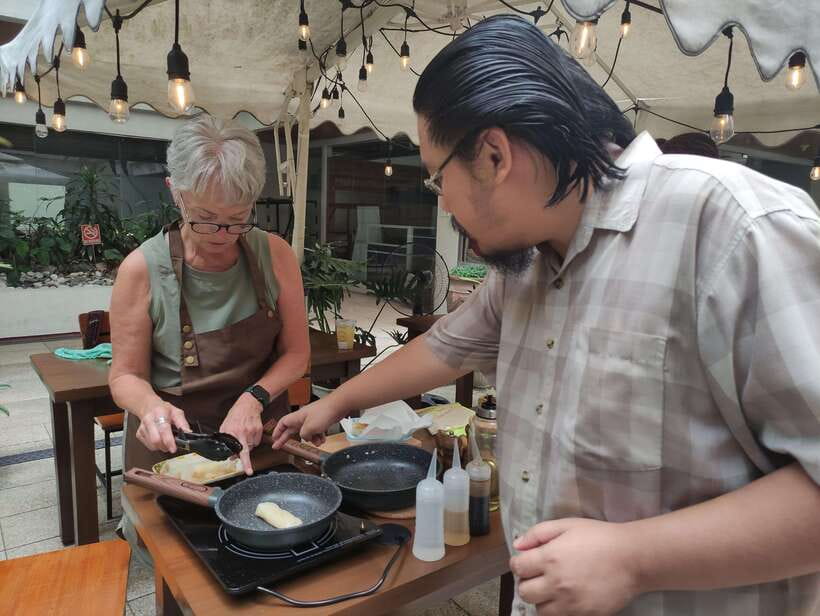
The strongest part of this experience is Chyl herself. Her style is calm, warm, and patient. She gives clear instructions, but she also leaves room for you to handle the ingredients, operate the cooker, and ask questions.
That balance suits mixed ability groups. Experienced cooks can take more control and ask about small details. Beginners receive enough guidance to make the dishes from scratch without being left behind.
Chyl also brings personal stories into the lesson. She talks about family, food customs, and the role of home cooking in the Philippines. Those details help you connect the dishes with ordinary life rather than treating them as isolated recipes.
The cultural explanations are not a separate lecture. They arrive while you are chopping, wrapping, stirring, and waiting for food to cook. That makes the information easier to absorb and keeps the class moving.
Solo bookings can be especially good here. If you are the only person scheduled, Chyl may turn the class into a private lesson, giving you more time to ask questions and set the pace. That can be a real advantage if you want direct instruction, though some people may prefer the social energy of a full small group.
Why the two-hour schedule works
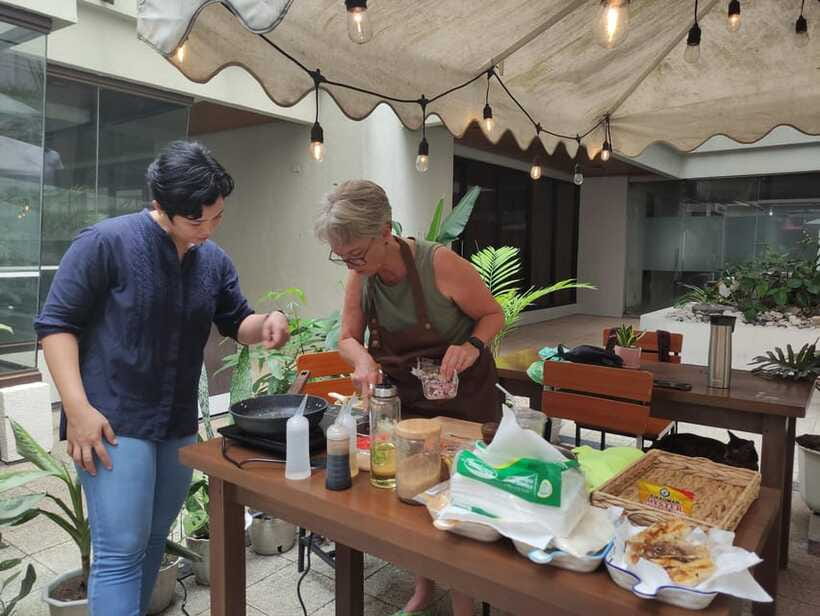
Two hours is enough time to cook and eat without making the activity consume your day. You can fit it between sightseeing, shopping, or an evening plan in Makati.
The schedule is brisk but not intended to feel like a professional kitchen test. Ingredients and equipment are ready, and the recipes are approachable. You move from preparation to cooking, then eat the finished food before the session ends.
The final meal is an important part of the timing. This is not a class where you take one bite and leave. You prepare three dishes and have time to enjoy them. The large portions mean you may need to pace yourself, especially if you have already eaten.
For children, the minimum age is nine. The short length and simple recipes can work well for families with older children, but the class still involves hot equipment and frying. Parents should be ready to help younger participants stay focused around the cooker.
Is $60 a fair price?
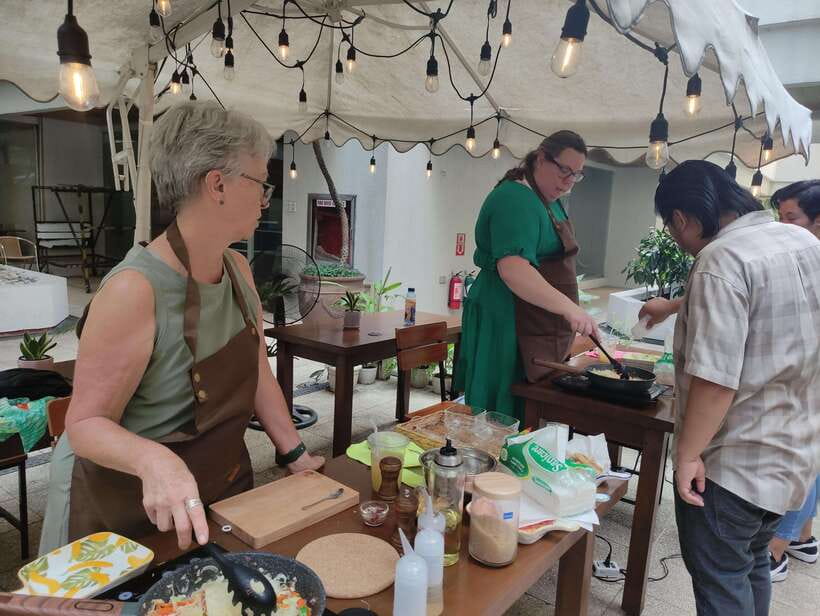
At $60 per person, this is not the cheapest way to eat Filipino food in Manila. You could buy pancit, lumpia, and turon for much less at a local food stall or restaurant.
The comparison changes when you count what is included. You receive ingredients, cooking equipment, instruction in a small group, a nonalcoholic drink, cultural background, and the food you prepare. You are paying for an activity and a meal, not just for three dishes.
The group limit is important to the value. With no more than four participants, you should receive direct help rather than a quick demonstration followed by a crowded tasting. If your class has only one or two people, the personal attention becomes stronger.
I would consider the price reasonable for someone who wants a hands-on cultural activity in Makati. It is less compelling if you are mainly looking for inexpensive food, or if you already know Filipino cooking well and do not care about the stories and instruction.
The outdoor setting and weather concern
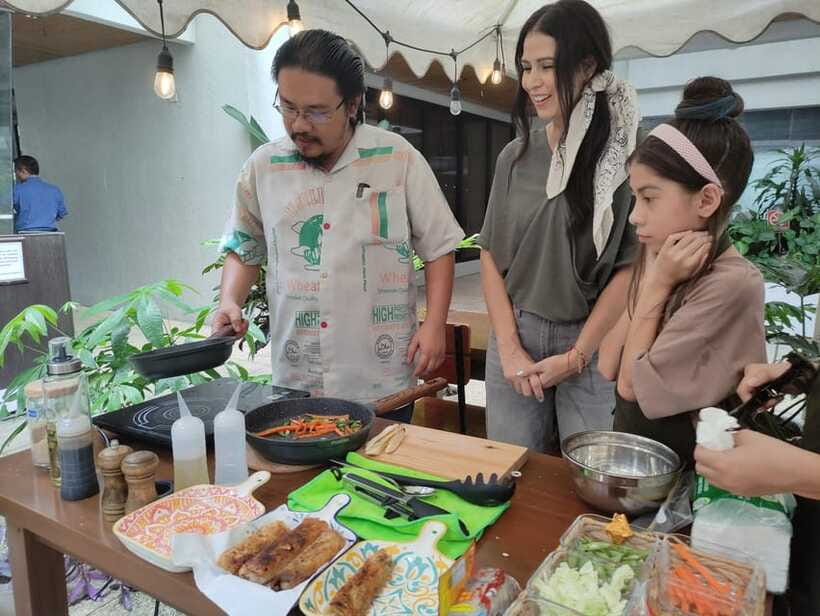
The open-air courtyard adds charm and makes the cooking feel informal. You are not sealed inside a large tourist kitchen. The setting allows conversation and gives the class a pleasant social character.
The tradeoff is weather. A covered space would offer more protection, and rain has caused practical problems in the past, including rearranging and drying equipment. If the forecast looks poor, contact the organizer before setting out and ask how the session will be handled.
Bring comfortable clothes. Cooking, wrapping, and handling hot pans are easier when you are dressed for movement rather than a formal dinner. You do not need to bring equipment or ingredients.
The activity is wheelchair accessible. It is not suitable for people with visual impairments, and children under nine cannot join.
Getting there without a stressful start
Hotel pickup and drop-off are not included. You need to make your own way to the courtyard.
The local Grab app is recommended for getting around Manila. It works much like Uber and can help you arrange a car to the meeting point, especially if you are unfamiliar with Makati streets or dealing with heavy traffic.
Allow extra time. One participant arrived late after trouble finding a Grab, and Chyl still allowed the full two-hour cooking period. That is generous, but you should not rely on it. A late arrival can make the preparation stages harder to follow and may disrupt a small group.
Use the coffee kiosk and outdoor courtyard as your visual markers. Since the location can be hard to find, confirm the exact meeting details before the class, even if you are staying nearby.
Who should book this experience?
I would choose this class if you want to understand Filipino food through everyday dishes rather than a formal tasting menu. It is a good fit for solo visitors, couples, friends, families with older children, and beginners who want to cook with direct help.
It also suits people who like taking practical memories home. Pancit, lumpia, and turon use familiar cooking ideas and can be adapted outside the Philippines. You may not find every ingredient in your local shop, but the dishes are approachable enough to inspire another attempt at home.
Experienced cooks can still enjoy the session if they like cultural conversation and want to ask questions. Just know that the recipes are designed to be accessible, not technically demanding.
I would hesitate only if you dislike outdoor activities, need a fully weatherproof venue, want a larger social group, or judge value strictly by the cost of the food. The class is strongest when you care about the preparation, the stories, and the chance to cook with a local guide.
Should you book the Makati cooking class?
Book it if you want a short, friendly introduction to Filipino food with real hands-on work. Chyl’s calm instruction, personal stories, and small-group format give the class more substance than a simple recipe demonstration.
The best reason to go is the combination of food and context. You make pancit, lumpia, and turon, then understand how snacks connect with Filipino homes, families, and daily life. The main caution is the open-air venue and the fairly high price for a two-hour activity.
If that tradeoff works for you, this is a smart afternoon choice in Makati. Arrive hungry, wear comfortable clothes, confirm the meeting point, and use Grab to avoid losing time on the way there.
FAQ
Where does the cooking class take place?
The class takes place in an outdoor courtyard in front of a coffee kiosk in Makati. The activity is described as being in the heart of Makati, near the Peninsula Hotel and Greenbelt Mall area.
How long does the class last?
The class lasts two hours. Starting times depend on availability when you book.
What dishes will I prepare?
You prepare pancit noodles, lumpia spring rolls, and turon, a sweet banana-based snack.
Is the food enough for a full meal?
The dishes are described as meryenda, or snacks, but the portions can be very generous. You may find that the food amounts to a full meal, with leftovers possible.
Is the class suitable for beginners?
Yes. The instructor guides you through preparation and cooking, and the class includes the equipment and ingredients you need.
How many people can join?
The group is limited to four participants. A solo booking may become a more personal one-on-one class.
Is the class suitable for children?
Children under nine cannot join. Children aged nine and older may take part, and the short format can suit families, but hot cooking equipment is used.
Is the activity wheelchair accessible?
Yes, the activity is wheelchair accessible. It is not suitable for people with visual impairments.
What should I bring?
Bring comfortable clothes. You should also download the Grab app to help arrange transportation to the meeting point.
Just added in Manila
- From Manila: Villa Escudero Guided Tour★ 5.0 · 19 reviews
- Breathtaking Cultural Experience in Villa Escudero★ 4.5 · 15 reviews
- Day hike to Mount Daraitan with Tinipak River 2024★ 5.0 · 22 reviews
- Manila Street food and Night Market Tour★ 4.7 · 21 reviews
- Solo Traveler Friendly Manila Walk w/ Mobile Photography★ 5.0 · 22 reviews
- Tagaytay, Taal Volcano & Heritage Town: A Journey of Discovery★ 5.0 · 29 reviews
- From Manila: 2-Day Buscalan Tour with Apo Whang-od★ 3.6 · 29 reviews
- Anilao Snorkel Safari: Explore the Amazing Underwater World★ 5.0 · 25 reviews
Tours in Manila, compared.
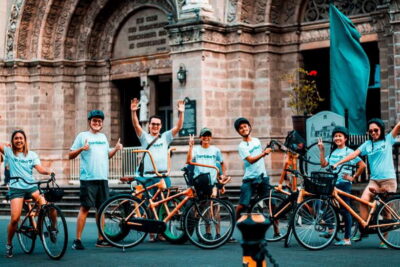
Intramuros, Manila: Historical Bamboo Bike Tour
Read our review →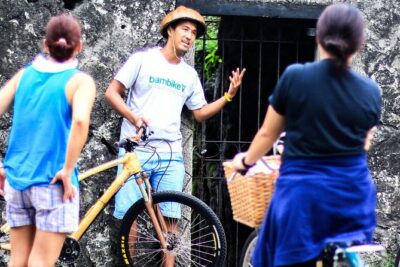
Experience Intramuros with Bamboo Bicycle – Ecotours
Read our review →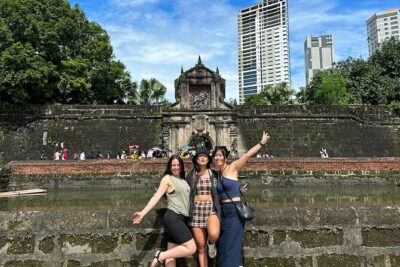
Intramuros, Chinatown, and Old Manila Half-Day Tour
Read our review →
Spectacular Manila to Tagaytay: Full-Day Sightseeing Tour
Read our review →
Makati Nightlife: VIP Access to Clubs, Rooftops & Go-Go Bars
Read our review →
Discover Tagaytay’s Countryside: Half-Day Sightseeing Tour
Read our review →
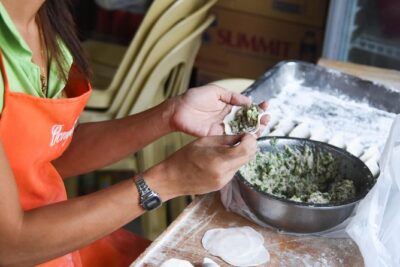
Manila Food Tour: Explore World’s Oldest Chinatown
Read our review →Browse the lists this tour appears in