
Reviewed · TOURS IN CEBU
Mactan and Cebu Twin City Tour with Lunch
Cebu’s story comes together quickly on this private tour. In one day, you move from the chapel holding Magellan’s Cross to the Basilica of the Holy Child, an old ancestral home, a hilltop Taoist temple, and the Mactan shrine honoring Datu Lapu-Lapu.
I like the way the tour mixes major landmarks with places that show everyday Filipino craft and family life. I also like having a private vehicle and guide, since Cebu traffic can be slow and unpredictable. Guides who have led recent departures include Annabelle, known as Miss Belle, and Liz, with Carlo praised for his careful driving.
The trade-off is a busy seven-hour schedule. You see a lot, but the stops are fairly short, and traffic can eat into sightseeing time. The lunch option adds value, though drinks and snacks are not included.
Key points to know before booking
- Magellan’s Cross and the Basilica of the Holy Child: Two of Cebu’s most important Christian landmarks sit close together, making this an efficient opening stop.
- A private group with hotel pickup: You travel by private vehicle from your Cebu City hotel rather than joining a large coach.
- Yap Ancestral House: This roughly 300-year-old home offers a look at domestic life and a personal collection of antiques.
- Cebu Taoist Temple: You get a quiet change of pace and views toward Cebu City, Mandaue, and Lapu-Lapu.
- Mactan’s Lapu-Lapu shrine and guitar factory: The afternoon connects local resistance history with one of the island’s best-known crafts.
- Lunch and transport are included: The advertised price is $116 per person, with admission fees and lunch included when that option is selected.
Why this tour gives you a useful first look at Cebu
Cebu is not a city you understand by seeing only one church or one monument. Its story includes Spanish colonization, Christianity, Chinese-Filipino cultural influence, local resistance, and working crafts. This itinerary places those pieces side by side.
You begin in central Cebu City, then cross to Mactan Island after lunch. That route matters. Cebu City and Mactan are close, but they feel like separate parts of the same urban area, joined by bridges and busy roads. The tour gives you a broad first look without asking you to arrange several taxis or negotiate each stop yourself.
The private format is especially useful here. You can ask questions, spend a little longer at a stop when traffic allows, and avoid losing time to hotel pickups for a large group. You still need to accept the limits of a seven-hour day. This is a sampler, not a slow study of Cebu.
A few more things to do in Cebu worth a look
- Cebu City: Bohol Countryside Tour with Loboc Cruise Lunch
★ 4.5 · 488 reviews - Canyoneering Experience in Kawasan Falls with Lunch
★ 5.0 · 440 reviews - Cebu: Kawasan Falls Canyoneering Tour with Ziplining & Lunch
★ 4.8 · 259 reviews
Starting with Magellan’s Cross and the Basilica
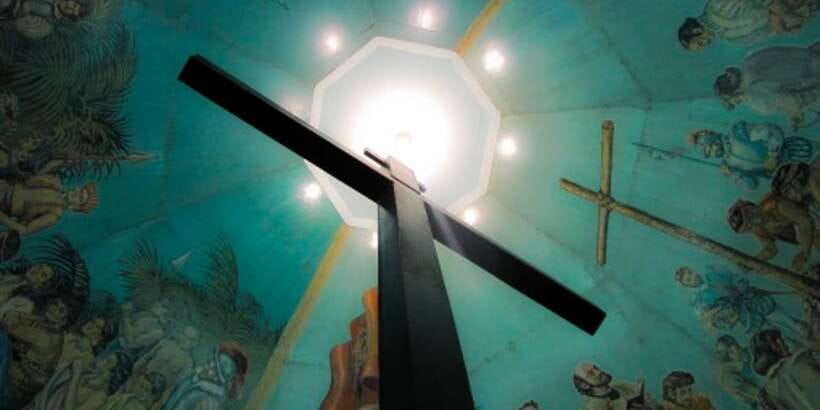
The day begins at Magellan’s Cross, Cebu’s most famous landmark. The cross is kept inside a small chapel and is traditionally linked to Ferdinand Magellan’s arrival in the Philippines in 1521.
The site is important, but it is compact. Do not expect a large museum complex or a long, quiet visit. Its value comes from the story attached to the place and from its position at the center of Cebu’s early Spanish-era narrative. Your guide can help explain why this small chapel matters far beyond its size.
A short walk brings you to the Basilica of the Holy Child. The Augustinian church was made a basilica in 1965 during celebrations marking 400 years of Christianity in the Philippines. It was the first church established in the islands, according to the tour’s historical account.
The building is made from hewn stone and holds the figure of the Holy Child of Cebu, described as the country’s oldest relic. For me, this stop adds more substance than a quick photo at Magellan’s Cross. You see how faith, colonial history, and local devotion remain tied together in one place.
Dress and behavior should be respectful at both religious sites. The tour information does not set out a formal dress code, but you should treat these as active places of worship rather than ordinary sightseeing stops.
Fort San Pedro and the old city story
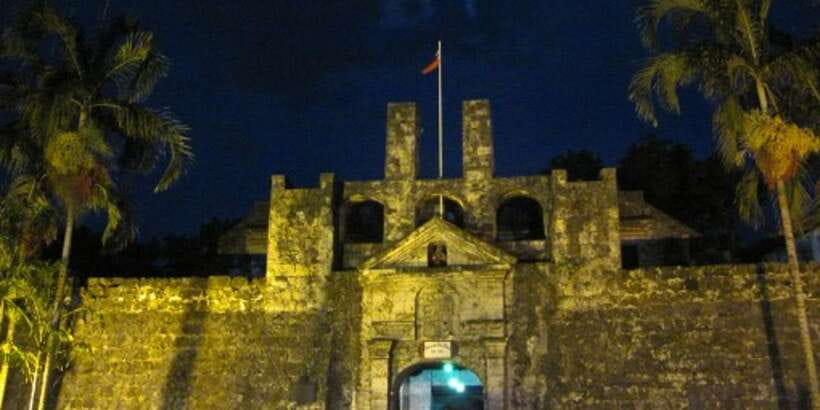
Fort San Pedro follows the basilica. It was built by Spanish and indigenous Cebuano laborers, and it gives the colonial story a more defensive setting.
The fort helps you picture Cebu as a strategic port. Churches explain religion and administration. A fort explains control, security, and the importance of the harbor. Your guide is valuable here because the physical site alone does not tell the full story.
This is another relatively focused stop rather than an all-day visit. If you prefer a tour with long stretches inside museums, this itinerary may feel quick. If you want to connect several important places in one day, the short format works well.
The sequence also keeps the morning centered in Cebu City before moving to the more residential and cultural stops. That makes the route easy to follow, even if traffic forces some changes to the exact timing.
A 300-year-old home at Yap Ancestral House
Yap Ancestral House is one of the most distinctive stops on the route. The home is about 300 years old and has been converted into a display space for a personal collection of antiques.
I like this stop because it shifts the focus from national events to domestic life. A church and fort tell you about public institutions. An ancestral house lets you think about the families who lived in Cebu, the objects they kept, and the way a home can preserve several generations of memory.
The appeal depends partly on your interest in old interiors and antiques. If you want a hands-on craft workshop or a large formal museum, this may feel modest. If you enjoy seeing historic homes and personal collections, it adds character that a list of major monuments cannot provide.
Your guide can also help place the house in the wider story of Cebu’s mixed cultural influences. The itinerary includes both Spanish-era sites and Chinese-Filipino heritage, which gives the day more range than a standard colonial sightseeing loop.
Same base, a different kind of day out:
- Cebu City: Whale Shark Swimming & Kawasan Falls Canyoneering
★ 4.7 · 665 reviews - Cebu: Oslob Whale Sharks, Tumalog Falls & Sardine Snorkeling
★ 4.3 · 343 reviews - Cebu: Whale Shark Swim and Kawasan Canyoneering Tour
★ 4.6 · 318 reviews - Cebu: Oslob Whale Sharks, Moalboal Sardine Run & Turtles
★ 4.5 · 266 reviews
A quieter stop at Cebu Taoist Temple
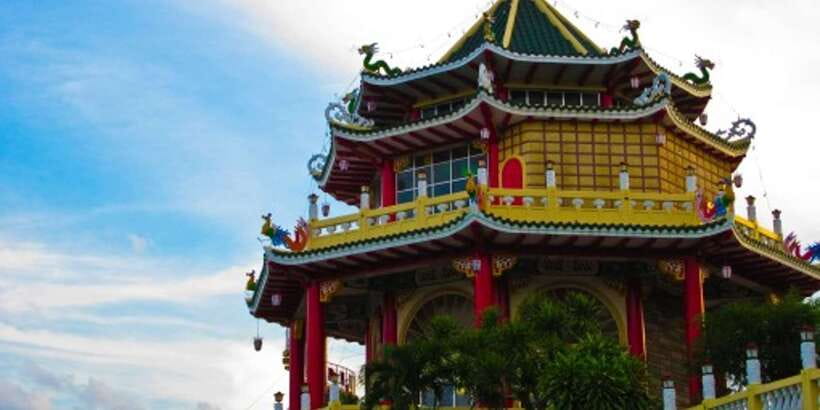
The Cebu Taoist Temple offers a change of mood. After the central city’s historic buildings and traffic, you visit a peaceful temple with views across Cebu City and toward Mandaue and Lapu-Lapu.
The setting makes this one of the best pauses in the program. You are not only checking another religious building off a list. You are also getting a wider view of the urban area you are touring. Seeing Cebu City, Mandaue, and Lapu-Lapu from above helps you understand how closely these places are connected.
The temple visit is not presented as a long religious lesson or ritual experience. It is a sightseeing stop with a calm atmosphere and city views. You should follow the guide’s instructions about respectful conduct and photography while on the grounds.
Because the stop comes before lunch, it can also break up the morning neatly. The tour moves from historical landmarks to a home, then to a temple with an outlook over the city. That variety helps prevent seven hours of similar stops from feeling repetitive.
Lunch and what the price includes
Lunch is included when you select the lunch option. One recent departure used the PUSO buffet, where the guide helped make the meal a smooth part of the day. The supplied details do not guarantee that every departure uses the same restaurant, so check the selected option and current arrangements when you book.
Drinks and snacks are not included. I would keep that in mind, particularly if you prefer to have something between major stops. The tour description does not specify a drink package or special dietary arrangements, so you should ask the provider before booking if food restrictions are important to you.
At $116 per person, the value depends on how many people are in your private group and how much you value convenience. You are paying for hotel pickup and drop-off, transport, a live guide, entrance fees, and lunch when selected. You also avoid arranging separate rides between Cebu City and Mactan.
For one or two people, the cost may feel high compared with exploring a few city sights independently. For a family or small private group, the price can make more sense because the vehicle, guide, and planning are bundled together. The strongest value comes from the combination of history, city views, Mactan sightseeing, and private transport in one day.
Crossing to Mactan through Marcelo Fernan Bridge
After lunch, the route heads to Mactan Island via Marcelo Fernan Bridge. The bridge connects Cebu City and Mactan Island, and the crossing marks the second half of the tour.
This transfer is more than a simple road segment. It shows how the two parts of the urban area depend on each other. You leave the central Cebu City landmarks behind and move toward the island linked with Lapu-Lapu and local guitar production.
Traffic is the main practical concern. Cebu roads can be crowded, and the timing of each stop may shift. A private driver helps because you are not responsible for finding the next site, but no tour vehicle can remove road delays. Carlo has been specifically praised for handling difficult traffic, which is useful context when you are deciding how much driving comfort matters to you.
Meeting Lapu-Lapu at the Mactan shrine
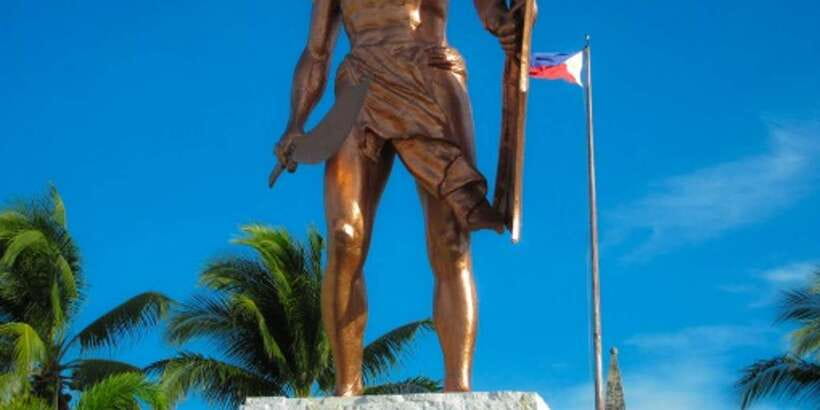
The first Mactan stop is the Lapu-Lapu shrine, marked by a 20-meter bronze statue of Datu Lapu-Lapu.
The statue honors an indigenous hero and gives you a different view of the 1521 arrival of Magellan. Earlier in the day, you see the cross associated with Magellan’s landing. Here, you see a monument honoring the local leader connected with resistance to Magellan. Placing both stops in the same day creates a more balanced story than treating the Spanish arrival as the only important event.
The shrine is an outdoor monument, not a long museum visit. It works best as a clear historical stop and photo opportunity. Your guide’s explanation matters because the meaning of the statue is tied to the encounter between foreign explorers and local leadership.
This is also where the tour’s twin-city idea becomes most apparent. Cebu City provides the main colonial and religious sites, while Mactan adds a strong local identity and a separate chapter of the same history.
Watching guitars take shape at a local factory
The final stop is a local guitar factory. You can see how traditional Philippine guitars are made before returning to your hotel.
This visit gives the day a practical ending. After churches, forts, houses, and monuments, you see a living craft connected to local work. The description does not promise a full lesson or hands-on guitar-making session, so think of it as a factory visit and demonstration rather than a workshop.
I find this kind of stop valuable because it keeps the tour from being only about the past. You see an item being made, not just an object displayed behind glass. If you are considering a souvenir, this may also help you understand the work behind Philippine guitars before deciding what to buy, although the tour details do not confirm that purchases are available.
The visit is a good fit for anyone who likes craft, music, or production processes. It may be less important to you if your main goal is churches and archaeological history, but it adds useful variety and gives Mactan a cultural connection beyond the shrine.
Guides, vehicles, and the private format
The tour provides a live guide in English or Japanese and includes hotel pickup and drop-off from Cebu City. It is sold as a private group experience, so you are not sharing the day with a large public group.
Guides who have led this route include Miss Belle, also called Annabelle, and Liz. They have been praised for explaining Cebu’s history, culture, and way of life in a friendly manner. That detail matters because the itinerary has several sites whose importance is not obvious from the buildings alone.
The driver is just as important. Cebu traffic can be difficult, especially when the tour crosses between the city and Mactan. Carlo has been singled out for professional driving and for managing crowded roads. You should still allow for delays, but private transport makes the day far easier than arranging separate rides.
A private tour also gives you a more direct way to ask questions. You can ask for clarification at the basilica, Fort San Pedro, or the Lapu-Lapu shrine without waiting for a large group to catch up. The amount of flexibility may depend on the day’s traffic and the guide’s schedule, so do not assume that every stop can be extended indefinitely.
Who will get the most from this seven-hour route
I would recommend this tour if you are staying in Cebu City and want a first orientation without spending time planning transport. It suits first-time visitors, families, couples, and small groups that want the guide and vehicle to handle the practical work.
It is also a good choice if you want several kinds of sightseeing in one day:
- Religious landmarks and early Spanish-era history
- A historic family home and antique collection
- A Taoist temple with city views
- A monument to Datu Lapu-Lapu
- A local guitar-making visit
You may want a different plan if you prefer slow travel. Seven hours is enough to see the main stops, but not enough to linger deeply at every one. The itinerary also has several short visits, so anyone wanting a full museum day or extended time at one church may find it too broad.
The lunch option is useful if you prefer a tidy schedule, especially since the day moves between Cebu City and Mactan. Bring money or a payment method for drinks and snacks, since those are not included.
Should you book the Mactan and Cebu Twin City Tour?
Book it if you want a well-organized introduction to Cebu’s major sights, with Mactan added in the same day. The private vehicle, hotel pickup, English or Japanese guide, admission fees, and lunch option make the $116 price easier to justify for a small group.
The best reasons to choose it are the range of stops and the guide support. Magellan’s Cross, the Basilica of the Holy Child, Fort San Pedro, Yap Ancestral House, the Taoist Temple, Lapu-Lapu shrine, and guitar factory each show a different side of the area.
Skip it if you want an unhurried day at one or two sites, or if you are comfortable arranging your own transport and meals for less. For everyone else, this is a practical first-day tour, especially when you want Cebu’s history, Mactan’s local identity, and a taste of Filipino craft in one manageable route.
The activity allows free cancellation up to 24 hours before departure and offers reserve-now, pay-later booking. Its overall rating is 4.8 from 24 reviews, and transport received a 91 percent perfect score, useful signs that the vehicle and route planning are central strengths.
FAQ
How long does the Mactan and Cebu Twin City Tour last?
The tour lasts seven hours, including the Cebu City and Mactan stops, lunch, transport between locations, and hotel return.
Is hotel pickup included?
Yes. Hotel pickup and drop-off are included for hotels in Cebu City.
What languages are available for the guide?
Live guiding is available in English and Japanese.
Is this a private tour?
Yes. The activity is offered for a private group rather than as a shared public group tour.
Is lunch included?
Lunch is included if you choose the lunch option. Snacks and drinks are not included.
What can you see on the tour?
The route includes Magellan’s Cross, the Basilica of the Holy Child, Fort San Pedro, Yap Ancestral House, Cebu Taoist Temple, the Lapu-Lapu shrine on Mactan Island, and a local guitar factory.
Just added in Cebu
- Discover Scuba Diving★ 5.0 · 18 reviews
- Scuba Diver Course (PADI)★ 5.0 · 18 reviews
- Moalboal Sardines Run Private Tour w/ Transfers Option★ 5.0 · 22 reviews
- BEST OF CEBU: Cebu City Heritage with Uphill Tour | Joiners★ 4.5 · 22 reviews
- Whale Shark, Canyoneering, Sardines Run and Turtles with Transpo★ 4.5 · 28 reviews
- Mactan Island Hopping Gilutungan, Caohagan, Nalusuan + Lunch★ 3.6 · 27 reviews
- Cebu: Mactan Island Hopping Boat Tour with Lunch★ 4.5 · 24 reviews
- Half-Day Cebu City Tour★ 4.5 · 29 reviews
Tours in Cebu, compared.

Whale Shark Swimming & Kawasan Falls Canyoneering
Read our review →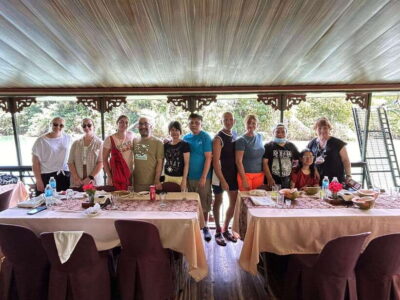
Bohol Countryside Tour with Loboc Cruise Lunch
Read our review →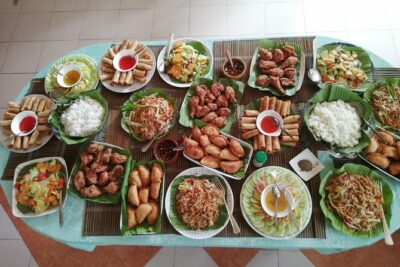
Canyoneering Experience in Kawasan Falls with Lunch
Read our review →
Oslob Whale Sharks, Tumalog Falls & Sardine Snorkeling
Read our review →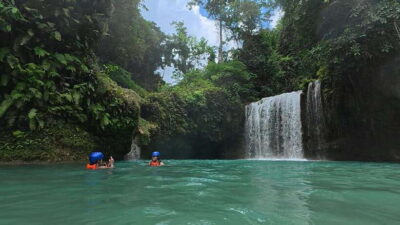
Whale Shark Swim and Kawasan Canyoneering Tour
Read our review →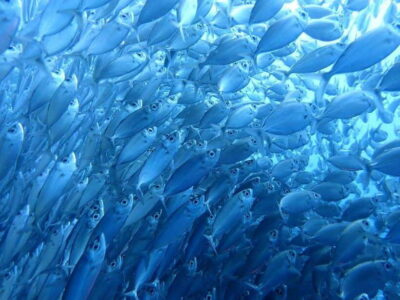
Oslob Whale Sharks, Moalboal Sardine Run & Turtles
Read our review →
Kawasan Falls Canyoneering Tour with Ziplining & Lunch
Read our review →
Whale Shark, Monkey Sanctuary, & Moalboal Turtles Tour
Read our review →Browse the lists this tour appears in