
Reviewed · THE PHILIPPINES
WaterColors – Open Water Diver Certification in Boracay
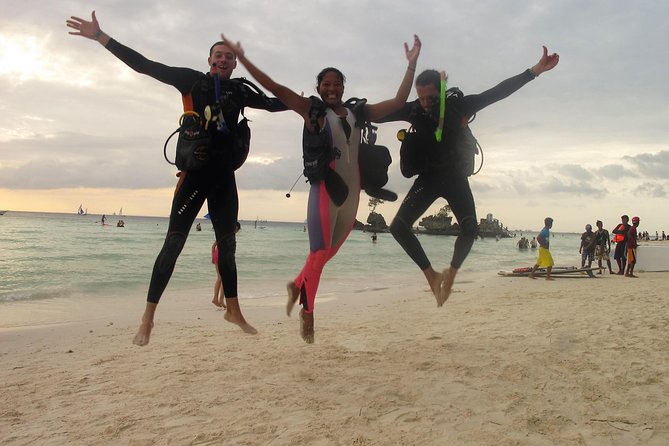
Boracay is more than a beach stop on this four-day course. You begin with PADI theory, move into shallow and confined water practice, then head by boat into the open sea for the five required open-water sessions. I like the steady progression and the fact that instructors such as Jimmy and Darwin are praised for calm, patient coaching.
I also like that the price covers the instructor, equipment, course materials, certification processing, and boat transport. The main catch is the schedule: this is a serious course, not a casual half-day activity, and Day 4 is reserved for unfinished skills, extra sessions, and the final exam.
Key Points Before You Book
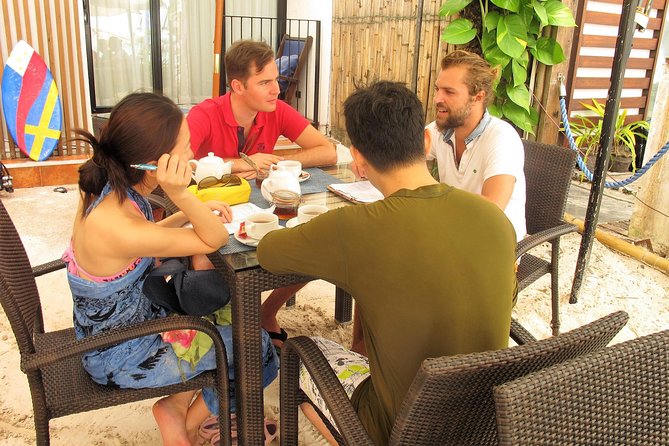
- Five open-water sessions: The course takes you from basic skills to five boat-based sessions in the sea.
- Patient instruction: Jimmy and Darwin are noted for clear explanations, calm support, and careful attention underwater.
- Four full days: Expect theory, confined-water practice, sea sessions, logging, and a final exam.
- Boracay meeting point: Start and finish at WaterColors Boracay Dive Resort near Station 1 and Willy’s Rock.
- Useful inclusions: Equipment, PADI course materials, certification processing, and boat transport are included.
- Plan around flights: You should not scuba dive within 24 hours of flying.
Starting at WaterColors Near Station 1
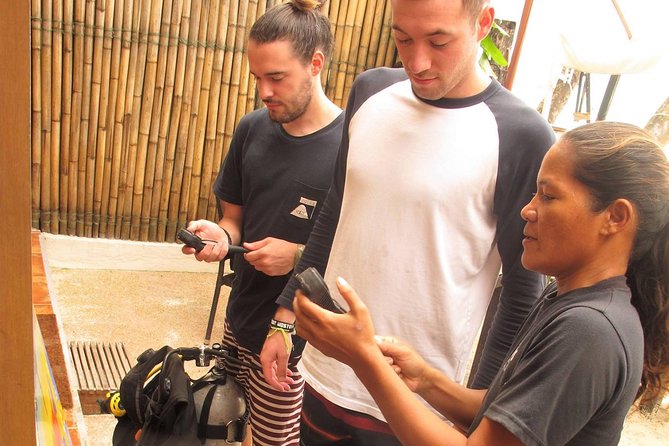
The course begins at WaterColors Boracay Dive Resort on Boracay Highway Central, at White Beach Station 1. The meeting point is beachfront, near Willy’s Rock and beside Balabag Plaza, so it is relatively easy to locate if you are staying around Station 1.
Registration begins at 10 a.m. on the first day. Bring the health paperwork the operator requires, including the completed PADI Diver Medical Form and health questionnaire. You should check the form before booking because some medical answers may require a doctor’s clearance.
The center asks for every participant’s height and weight at the time of booking. That information matters because the staff needs to prepare suitable equipment. You should also bring a printed copy of the completed medical paperwork to WaterColors.
The course is open to participants from age 10. Most people can take part, and service animals are allowed. A multilingual instructor may be available, but you should ask about language options before you reserve.
Other trips people book in the Philippines:
- El Nido: Island Hopping Tour A Lagoons and Beaches
★ 4.3 · 1,572 reviews - From Puerto Princesa: Underground River Full-Day Trip
★ 4.3 · 1,460 reviews - Bohol: Premium Chocolate Hills, Tarsiers & River Experience
★ 4.7 · 804 reviews
Day One: Theory, Shallow Water, and Your First Sea Session
The first morning gives you the foundation for everything that follows. After registration, you work through briefings, video lessons, reading, knowledge reviews, quizzes, logbook entries, and session debriefings.
That may sound classroom-heavy, but this part is important. You need to understand equipment, basic procedures, and safety rules before dealing with the open sea. A good instructor will connect the written material to what you are about to do in the water.
After lunch, the course shifts to confined water. The instructor takes you from the beach into shallow water and eventually to an area where you cannot stand. This gradual change lets you practice skills while still building confidence.
The first open-water session follows at about 3 p.m., once your instructor believes you are ready. You travel by boat to a suitable depth for the course and begin applying the skills from the morning. By the end of the program, you should complete five open-water sessions.
The first day ends with logging and more theory around 4:30 p.m. It is a long day, but the pace makes sense. You are not simply being taken to sea and handed equipment. You are learning, practicing, checking your understanding, and then discussing what happened.
Day Two: Two Sea Sessions and Repeated Practice
Day Two starts early, at 8 a.m., with more confined-water training. This repeated practice is one of the strongest parts of the schedule. Scuba skills can feel awkward at first, and extra time in shallow water gives you a safer place to sort out equipment and procedures.
The second open-water session begins at about 9 a.m. After returning, you go back to theory at 11 a.m., take a lunch break, then complete another confined-water session at 1:30 p.m. The third open-water session follows at 3 p.m.
This is a demanding day. You will spend time in class, in shallow water, and at sea, with logging and theory again at the end. It is also the day when the course begins to feel like a real training program rather than an introduction.
The repeated sessions are useful because your instructor can watch how you improve. Jimmy is described as friendly, responsible, patient, and careful about checking that participants were comfortable underwater. Darwin is also praised for clear instructions and a calm manner, including when helping someone return to scuba after an eight-year break.
That kind of steady supervision matters more than flashy talk. If you feel nervous, tell your instructor early. The schedule allows room for coaching, but your instructor needs to know what feels difficult.
Day Three: Completing the Core Water Work
Day Three begins with theory at 8 a.m., followed by confined-water practice at 10 a.m. After lunch, the fourth open-water session takes place at about 1 p.m.
By now, the course is less about a first impression and more about consistency. You are expected to repeat the required skills and show that you can manage them with proper instruction. Logging and further theory follow the session, with extra time available for anything not yet completed.
This flexible block is helpful. Not everyone learns at the same speed, and weather or water conditions can affect the schedule. The course does not treat Day Three as a finish line if you still need work.
You should also remember that the provided schedule lists approximate times. Boat operations, conditions, instructor decisions, and your own progress can shift the exact order. Keep Day 4 open instead of making firm plans elsewhere on the island.
Same base, a different kind of day out:
- Coron Ultimate Tour: 7 Destinations with Lunch & Transfers
★ 4.8 · 754 reviews - Cebu City: Whale Shark Swimming & Kawasan Falls Canyoneering
★ 4.7 · 665 reviews - Coron: Private Boat Hire with Guided Tour and Lunch on Beach
★ 4.9 · 658 reviews - Cebu Moalboal: Kawasan Canyoneering Adventure with Lunch
★ 4.9 · 630 reviews
Day Four: Catch-Up Work, Final Exam, and Certification Paperwork
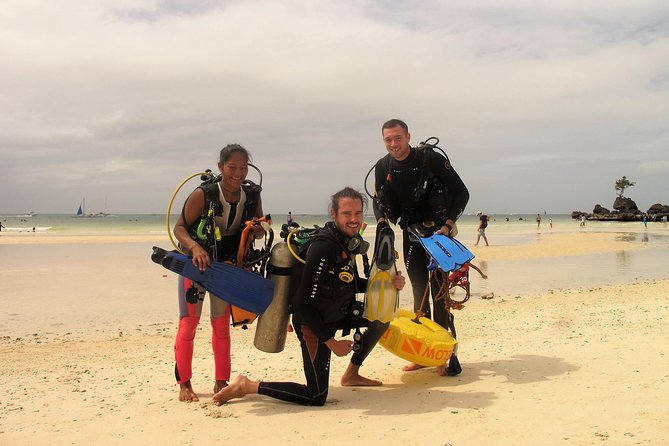
The final day runs from 8 a.m. to 5 p.m. and is set aside for unfinished skills, sessions, and theory. You then complete the final exam and certification paperwork.
This structure protects the learning process. If a skill takes longer than expected, you are not forced to rush it simply because the calendar says the course is ending. On the other hand, you should not treat Day 4 as a free day. It remains part of the course and may be used fully.
Once the required work is complete, the course moves to certification processing and a celebration. The program is designed to qualify you for a PADI Open Water certification, not merely give you a short recreational taste of scuba.
What the $545 Price Covers
The listed price is $545 per person. That is not cheap compared with a single introductory water activity, but it covers a four-day certification program rather than one short outing.
Included are:
- A PADI scuba instructor
- PADI course materials
- Certification processing
- Scuba equipment
- Boat transport to and from the sea session sites
That bundle gives the price practical value. Equipment rental alone can add up, and boat transport is essential for the open-water portion. You also avoid arranging course materials and certification paperwork separately.
Food and drinks are not included unless specifically stated. Hotel transfers, towels, and souvenir photos also cost extra or require your own arrangements. Plan to meet at the WaterColors resort rather than expecting pickup from your hotel.
The course also offers group discounts. If you are booking with friends or family, ask how the discount applies before paying. The maximum group size is 15 people, though your actual class arrangement may depend on the instructor and booking date.
Because the course is commonly booked well ahead of time, planning matters. The average booking lead time is 107 days, so last-minute availability may be limited, especially if you need specific dates.
Why the Instructors Matter
A beginner course depends heavily on the instructor. The equipment and schedule can be excellent, but you still need someone who explains clearly, watches carefully, and stays patient when a skill takes time.
Jimmy receives strong praise for relaxed personal training, humor, and clear instruction. His teaching is especially suited to someone who wants reassurance without being hurried. Darwin is also singled out for calm explanations, patience, and attention to comfort underwater.
Those qualities matter because the first sessions can feel unfamiliar. You must manage breathing, equipment, movement, and instructions at the same time. A calm instructor helps you focus on one task instead of feeling overwhelmed.
WaterColors may also provide a multilingual guide. Ask about availability for your course before booking, since the information does not specify which languages are offered on particular dates.
Boracay as a Place to Learn Scuba
Boracay is widely regarded as one of the Philippines’ leading scuba locations. The course uses the island not just as a classroom base, but as a place to complete the practical sea work required for certification.
You will depart by boat to a suitable site selected for the course. The exact location and depth are not fixed in the information provided, which is sensible because instructors must account for conditions and student ability.
The boat transport is included, so you do not need to arrange a separate transfer to the sea site. That makes the practical side simpler, especially if this is your first scuba course.
Still, Boracay’s conditions can affect the plan. The activity requires good weather, and poor conditions can lead to a new date or a full refund. Keep your schedule flexible and avoid booking a flight immediately after the course.
Who Will Get the Most From This Course
This course suits you if you want an internationally recognized PADI Open Water certification and can commit four days to structured training. It is also a good fit if you prefer learning in stages rather than being rushed straight into the sea.
First-time scuba participants are the obvious audience, but the course can also suit someone returning after a long break. Darwin’s patient help with a participant who had not been underwater for eight years shows why an instructor’s manner can make a difference.
It may be less suitable if you want a quick activity between beach visits. The program includes theory, quizzes, confined-water sessions, five open-water sessions, logbook work, and a final exam. You need enough time and attention for the full process.
The minimum age is 10, but the medical form still matters. Parents or guardians should review the health requirements carefully for younger participants.
Practical Planning Tips for Your Four Days
Schedule the course early in your Boracay stay if possible. That gives you room to complete all sessions and deal with a weather delay without risking your departure plans.
Do not fly within 24 hours after scuba activity. This is one of the most important planning points, so leave a full buffer before your flight home.
Bring your printed medical form, comfortable clothing for a long day, and money for food and drinks. Towels are not supplied, and souvenir photos are available to purchase rather than included.
You should also provide accurate height and weight details at booking. The staff uses them to prepare equipment, and correct information helps avoid delays at the center.
Ask about the group size and instructor language when you reserve. The maximum is 15 participants, and a multilingual guide may be available by request. If you prefer a smaller learning group, ask what arrangement applies to your chosen date.
Cancellation is free up to 24 hours before the start time. Within 24 hours, no refund is offered, except that poor weather may result in a new date or full refund. Since the course depends on sea conditions, this policy is worth understanding before you make other plans.
Should You Book the WaterColors Course?
I would choose this course if you want to leave Boracay with a full PADI Open Water certification rather than a one-time introductory session. The gradual schedule, included equipment, boat transport, and certification processing make the $545 price easier to justify.
The biggest reason to book is the teaching style associated with Jimmy and Darwin: calm explanations, patience, and attention to comfort. That is exactly what you want when learning a technical skill underwater.
I would skip it if you only have one free day, dislike classroom work, or need a tightly fixed schedule. Four days is a real commitment, and Day 4 may be needed for catch-up work.
For the right participant, this is a practical way to turn a Boracay holiday into a recognized scuba qualification. Book early, complete the medical paperwork, leave space around your flight, and approach the course as training rather than a casual beach activity.
FAQ
How long does the WaterColors Open Water course take?
The course lasts approximately four days. The schedule includes theory, confined-water practice, five open-water sessions, logging, a final exam, and certification paperwork.
What is included in the $545 price?
The price includes a PADI scuba instructor, PADI course materials, certification processing, scuba equipment, and boat transport to and from the sea site.
Where does the course begin and end?
You meet at WaterColors Boracay Dive Resort near White Beach Station 1, close to Willy’s Rock and Balabag Plaza. The activity ends back at the same meeting point.
How many open-water sessions are included?
The course schedule is designed to include five open-water sessions. Additional time on Day 4 may be used if any sessions or skills remain unfinished.
What is the minimum age?
The minimum age is 10 years. All participants must also complete the required health questionnaire and PADI Diver Medical Form.
Can I take the course if I have a medical condition?
You must complete the PADI Diver Medical Form before taking part. Depending on your answers, you may need special medical certification from a doctor, so review the form before booking.
Can I fly immediately after the course?
No. Scuba activity within 24 hours of flying is not recommended. You should plan your flight with that required time gap in mind.
Just added in the Philippines
- 2-Hour Boracay Land Tour via Etrike★ 5.0 · 3 reviews
- Scuba Diver Course (PADI)★ 5.0 · 18 reviews
- Discover Scuba Diving★ 5.0 · 18 reviews
- Skip the Line: Villa Escudero Plantation & Resort Day Pass Ticket★ 4.5 · 11 reviews
- Breathtaking Cultural Experience in Villa Escudero★ 4.5 · 15 reviews
- Shared Honda Bay Island Hopping Tour★ 4.5 · 20 reviews
- Puerto Princesa Honda Bay Island Hopping Shore Excursion★ 5.0 · 16 reviews
- Bohol: Private Balicasag Tour with extra snorkeling time★ 3.9 · 15 reviews