
Reviewed · SHOPPING TOURS
Explore Manila Slums and Hidden Market
Tondo is not a polished sightseeing district. That is the point. With a local guide, you walk through residential alleys, see how people solve everyday problems, visit a wet market, and ride the same jeepneys and tricycles used by local residents. Floyd and Venus are among the guides connected with the experience, and both bring a personal understanding of the area.
I like two things here: the chance to see Manila beyond grand churches and shopping malls, and the easy mix of walking, food tasting, and local transport. The bao, egg tarts, local snacks, and market produce add flavor to what could otherwise feel like a serious social study. The main consideration is that this is a tour through poor communities, so you need curiosity, humility, and respect rather than a camera-first attitude.
Key points to know before you go
- Tondo from the inside: Walk through residential areas with a local guide who can explain daily life and community solutions.
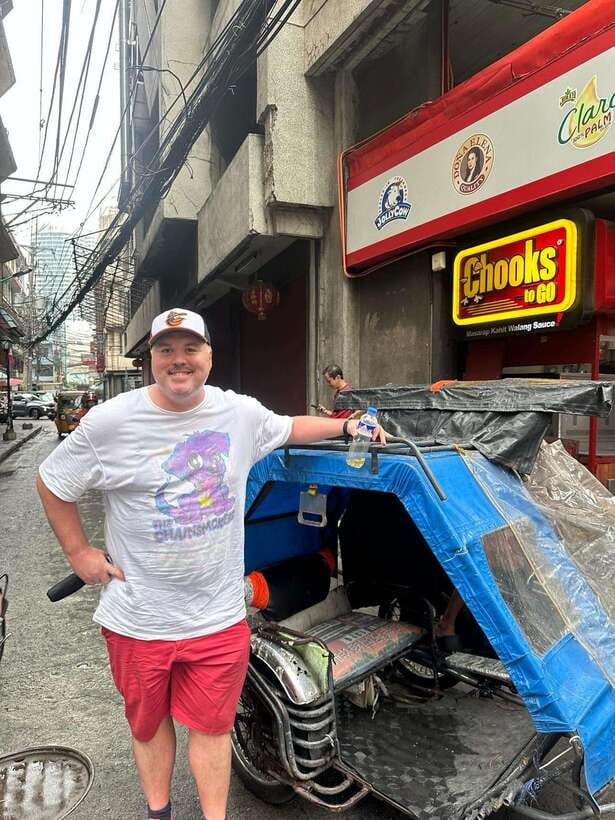
- Three ways to move: The tour includes a tricycle ride, a jeepney ride, and walking through Tondo and Chinatown.
- A working wet market: See fruits, vegetables, groceries, and local food being bought and sold.
- Small-group setting: The group is limited to 10 people, which makes conversation with the guide easier.
- Food adds a welcome touch: Stops may include bao, egg tarts, drinks, beer, and other local tastes.
- A two-hour snapshot: This is a focused introduction, not a full-day social or historical tour.
Tondo is the reason to book this tour
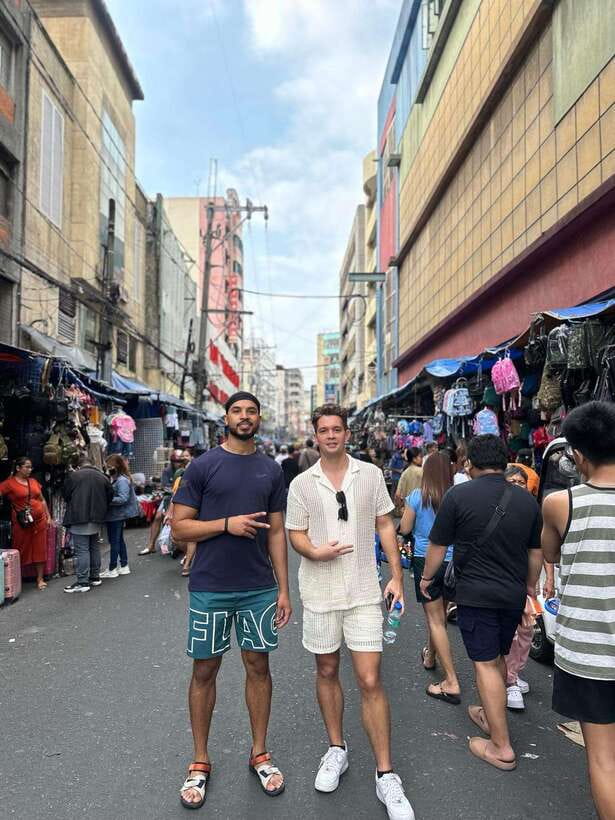
Many Manila sightseeing routes stay in Intramuros, along the bay, or around major shopping areas. Those places matter, but they do not show the full city. Tondo offers a very different view: narrow residential lanes, small businesses, market traffic, children at play, and people managing busy lives in limited space.
I use the word slum carefully here. It describes poverty and crowded housing, but it can also flatten a community into a label. Your guide helps put people before the label. The focus is not simply on hardship. You see work, humor, family life, local trade, and the practical ways residents deal with their surroundings.
That balance is one of the strongest parts of the experience. Floyd was born and raised in the area and has worked as a police sergeant with training in medicine and explosive ordnance work. His local connections help explain why a visit that could feel awkward or intrusive can instead become a more thoughtful walk through a place he knows personally.
Venus brings a different strength. She is described as energetic, warm, and generous with local knowledge. She can make the tour feel like an afternoon spent with a well-informed friend, moving between streets, food stops, and Chinatown without turning the experience into a lecture.
Guide assignments can vary, so you should not assume you will get one particular person. The important point is to have a guide who knows the community and can explain what you are seeing.
A few more things to do in Manila worth a look
- Manila: Guided Night Market Experience
★ 5.0 · 54 reviews - Manila’s Culinary Expedition: The Ultimate Food and Market Tour
★ 5.0 · 42 reviews - Manila Street food and Night Market Tour
★ 4.7 · 21 reviews
Starting at Tutuban Center Mall
The meeting point is Tutuban Center Mall, near the Bonifacio Monument and Lawson Convenience Store. This gives you a practical place to meet before entering the surrounding streets.
Tutuban places you close to old Manila’s trading districts and the Divisoria area. It is not a quiet starting point. Expect plenty of movement, shops, traffic, and people going about ordinary business. That setting prepares you for the rest of the tour better than a hotel lobby would.
Give yourself enough time to find the exact meeting spot. The listed point is specific, but large commercial areas can still take a moment to navigate. Keep your belongings close, wear shoes suited to uneven streets, and bring water. The tour lasts only two hours, but Manila’s heat and close-packed streets can make that feel like a full outing.
Walking through Tondo’s residential alleys
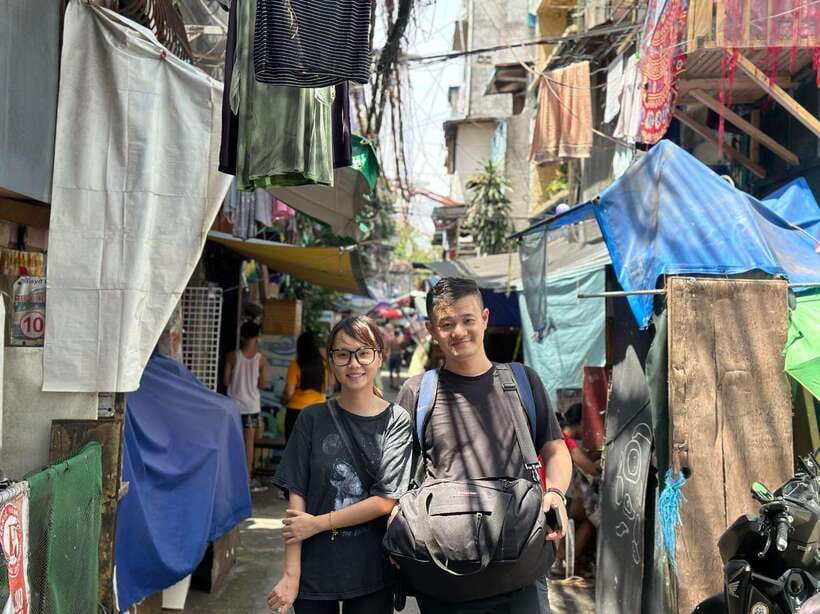
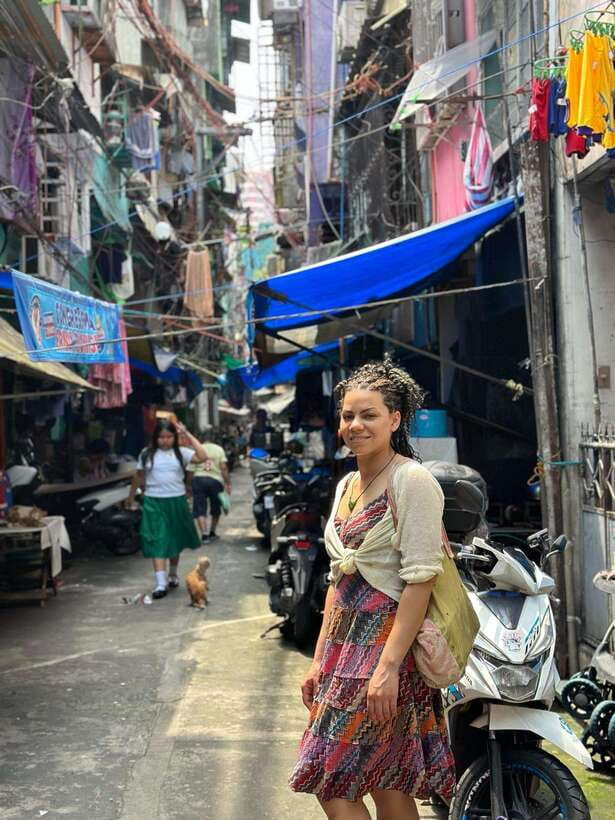
The first major section takes you into Tondo with your guide. You pass through local housing areas and narrow lanes where daily life happens close to the street.
You may see residents working, children playing, small shops operating, and neighbors greeting one another. The guide provides the needed context, explaining how people use shared spaces and how the area functions as a community. This is more useful than simply walking through and taking pictures without understanding what you are seeing.
The strongest moments come through conversation. The guides introduce you to local residents and help create a respectful exchange. You are not just looking at buildings. You are hearing about Filipino life from people who live it.
Still, you need to handle this part with care. Do not photograph people without permission, especially children. Ask before taking pictures, listen when someone speaks to you, and remember that this is someone’s home, not a stage set. A good attitude will make the experience better for you and less intrusive for the people around you.
Some past outings have included extra time with residents and visits to especially poor sections, as well as areas described as middle-class slums. The exact route can change, but the aim is to show more than one side of local housing and income levels.
Seeing the wet market at street level
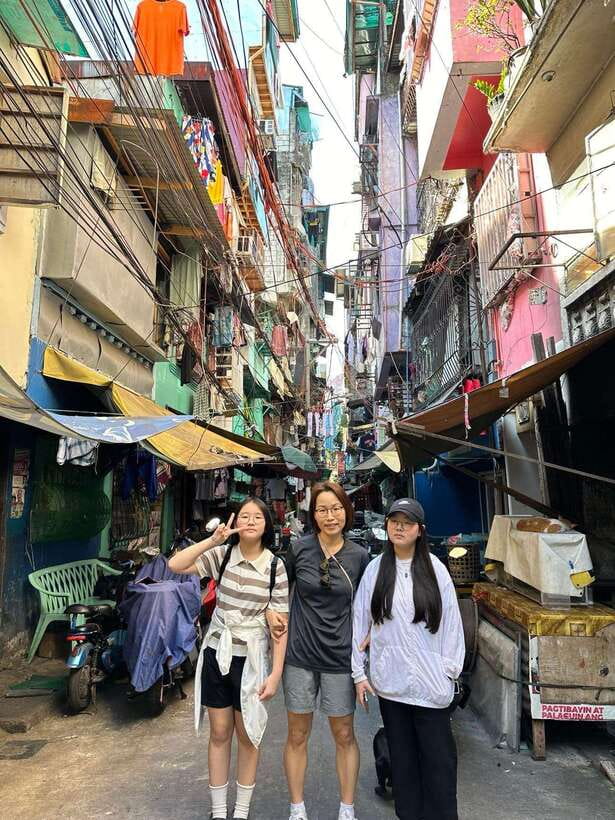
The wet market is one of the tour’s most concrete stops. You see fresh produce, groceries, and local food being sold in a working market rather than a display made for sightseeing.
For many visitors, this may be the most visually memorable part of the walk. Colorful produce, close quarters, local bargaining, and the constant movement of shoppers create a sharp picture of how people buy food in Manila. It also gives you a useful link between the residential area and the wider economy. These markets are not only places to browse. They are part of how households eat and small sellers earn money.
The market can be crowded, noisy, and wet underfoot. That is part of the setting, not a flaw in the tour, but it may not suit you if you want a calm stroll. Keep your bag secure and follow the guide’s lead through tight sections.
The guide can point out produce and food customs that you might miss on your own. That turns a quick walk through stalls into a better lesson in local life. You may also get the chance to try a few local treats along the way.
Same base, a different kind of day out:
- Intramuros, Manila: Historical Bamboo Bike Tour
★ 4.8 · 583 reviews - Experience Intramuros with Bamboo Bicycle – Ecotours
★ 5.0 · 508 reviews - Manila: Intramuros, Chinatown, and Old Manila Half-Day Tour
★ 4.8 · 475 reviews - Manila: Old & New 4-Hour City Tour
★ 4.5 · 458 reviews
Riding a tricycle through local streets
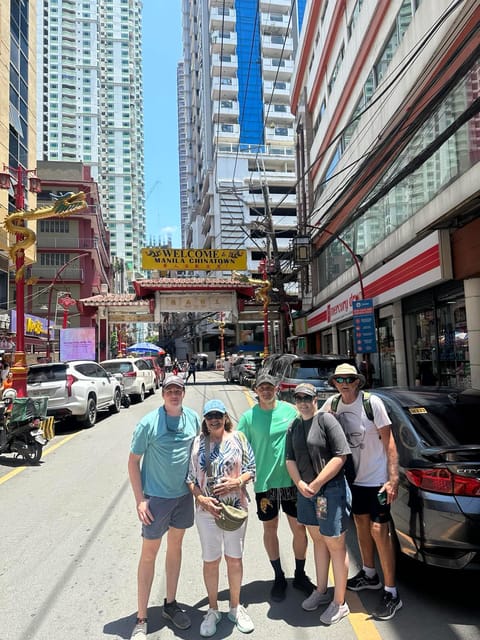
A tricycle ride adds a practical transport lesson. These small vehicles are part of everyday movement in Manila neighborhoods, and riding one lets you cover streets in a way that feels very different from a private car or air-conditioned coach.
The ride is short, but it helps connect the parts of the tour. You get a quick view of side streets, homes, shops, and market activity while sitting close to the surrounding city. It is also a reminder that local transport is shaped by tight streets and short urban trips.
Do not expect a scenic ride in the usual sightseeing sense. You are not heading toward a grand viewpoint. The value is in using ordinary transport and seeing how it fits into local routines.
Taking a jeepney to Chinatown
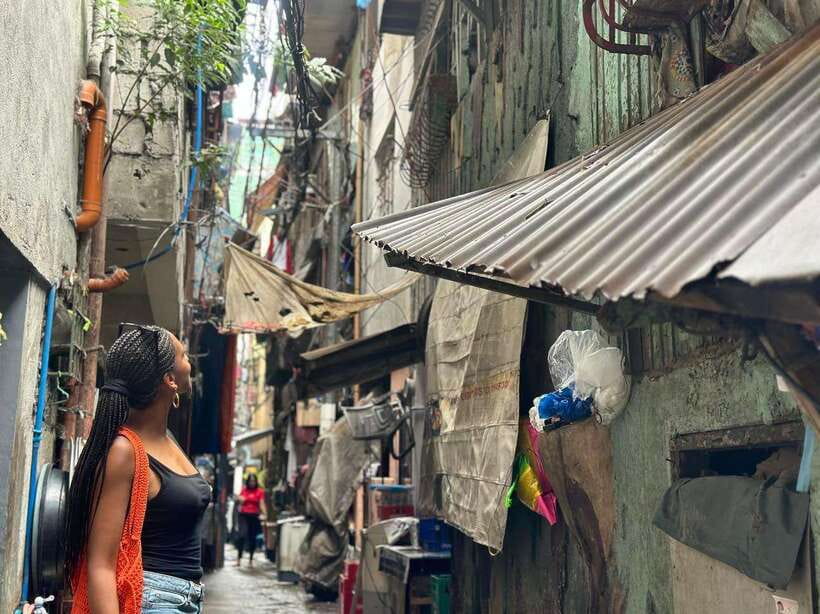
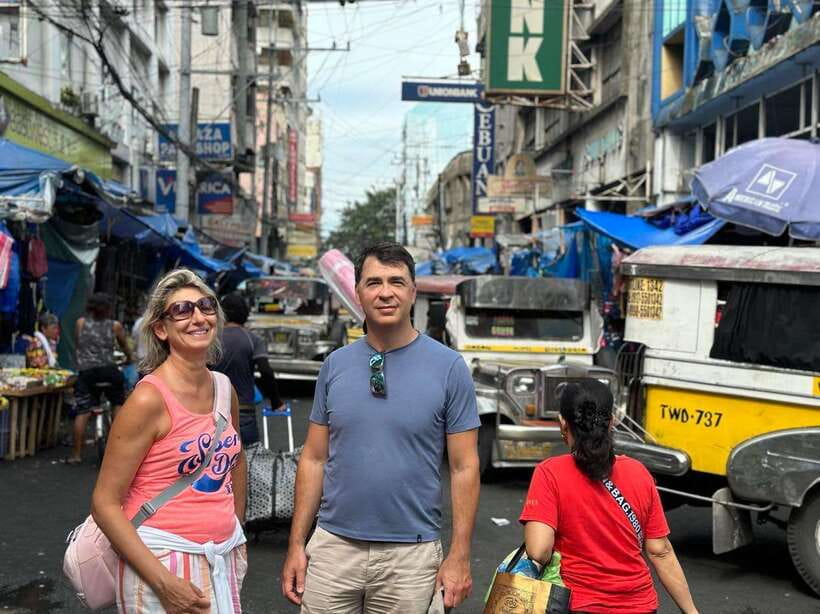
The jeepney ride is another high point. For many first-time visitors to Manila, a jeepney is one of the city’s most recognizable forms of public transport. Riding one gives you a direct taste of local travel, with the noise, close seating, and constant street activity that come with it.
Your guide handles the practical side and helps you understand how the ride fits into the route. The experience is brief, but it breaks up the walking and gives you a new view of the city.
The destination is Chinatown, described as the oldest Chinatown in the world. The tour connects this historic commercial area with the neighboring communities, showing how different parts of old Manila sit close together. You are not simply visiting Chinatown as a food stop. You are seeing it as part of a wider urban district shaped by trade, migration, transport, and local shopping.
Traffic and crowding can make jeepney travel less comfortable than a taxi. That is worth knowing before you book. If you enjoy trying ordinary local transport, it is a plus. If you want quiet and personal space, it may be the least comfortable section.
Food stops in Chinatown and beyond
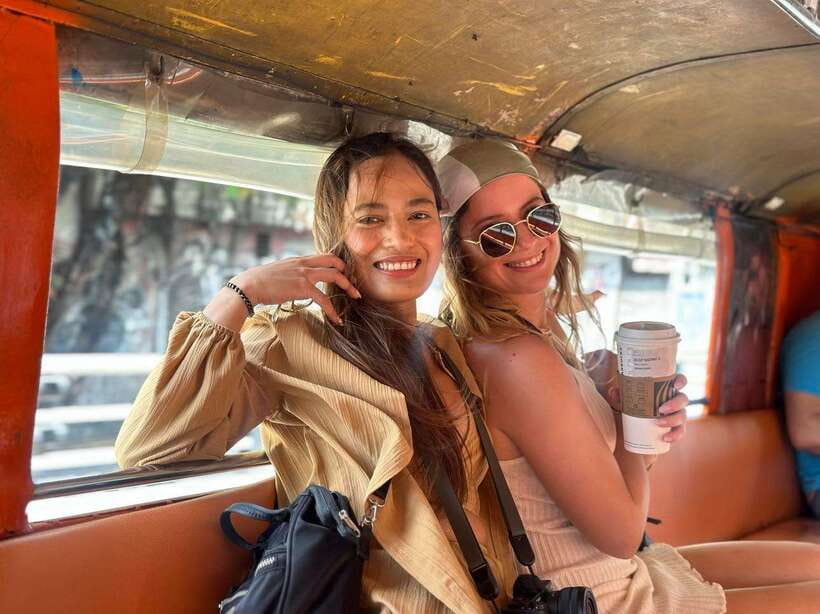
Food gives the tour a lighter finish. Stops have included bao, egg tarts, local snacks, drinks, and a meal at a local restaurant. One outing also included a beer, though you should confirm what is included when booking if a particular drink matters to you.
The treats are not the main reason to book, but they make the experience more social. Sharing food gives you a natural way to talk with the guide and ask about Filipino tastes, routines, and family life.
The egg tarts and bao have been particular favorites, but the exact food selection may depend on the route and what is open. Think of this as a series of small tastes rather than a planned food tour. If you have allergies or dietary restrictions, ask the provider before you go. No detailed dietary information is supplied for the experience.
Chinatown also gives the guide room to point out places you would probably miss on your own. You move beyond a simple market visit and get a sense of how local food, shopping, and transport overlap in old Manila.
What the guides add
This experience depends heavily on the guide. Tondo is not a district where a generic script will do the job. You need someone who can explain the setting, read the mood of the street, and help you interact with residents in a respectful way.
Floyd’s background gives the tour a strong local connection. His work in the police force, medical training, and roots in the area offer a practical perspective on safety and community life. He has also been described as spending extra time with groups, taking them to a local restaurant, and helping them understand both very poor areas and more stable residential sections.
Venus brings energy and personal warmth. Her guiding style includes food stops, stories about Filipino life, and an easy connection with people in the neighborhoods. If your guide is Venus, you can expect a lively pace and plenty of local explanation.
Because the group is capped at 10, you have a better chance to ask questions than on a large bus tour. That matters here. The best parts come from conversation, not from checking off famous sights.
Is $65 good value for two hours?
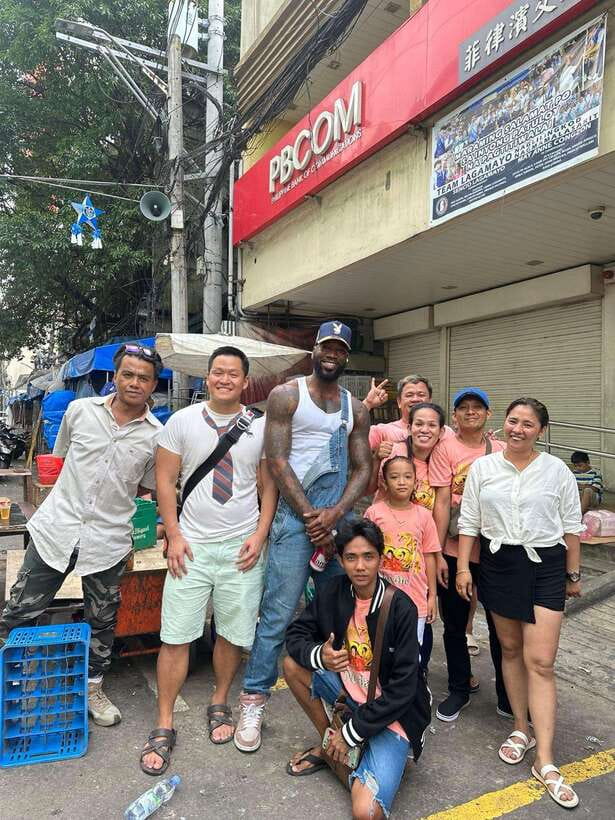
At $65 per person, this is not the cheapest way to spend two hours in Manila. You are paying for a local guide, a small group, two forms of local transport, access to a route that is difficult to understand on your own, and food or drink stops that have been part of the experience.
The value is strongest if you want interpretation and personal contact. A self-guided walk through Tondo would cost less, but you would miss the guide’s local relationships, safety support, and explanations. You might also have trouble knowing where it is appropriate to go or how to approach people.
The price is less attractive if you only want a quick market visit or a jeepney ride. You can find those experiences elsewhere for less. Here, the point is the complete picture: Tondo, residential life, the wet market, local transport, Chinatown, and conversation with a guide.
Free cancellation up to 24 hours before the start and the option to reserve without paying immediately make the booking less risky. The tour runs for two hours, with starting times subject to availability.
Who will enjoy this experience most?
I would choose this tour if you have already seen Manila’s major sights and want a more grounded view of the city. It also works well near the start of a Manila stay if you want local context before exploring on your own.
You will likely enjoy it if you:
- Want to meet local residents rather than only visit monuments
- Are comfortable walking through poor and crowded communities
- Like trying public transport
- Enjoy food tastings and local markets
- Want a small group and an English-speaking guide
- Prefer social history and daily life to polished sightseeing
I would think twice if you dislike close quarters, busy streets, uneven conditions, or informal interactions. This is not a luxury excursion, a standard food tour, or a photo safari. The tour asks you to pay attention to people and place.
Practical advice for a respectful visit
Wear light, comfortable clothing and sturdy shoes. You will walk through residential lanes and market areas, then ride local transport, so practical clothes matter more than a polished outfit.
Bring only what you need and keep valuables secure. The tour takes place in crowded public areas, and you will be more comfortable with a small bag than with bulky luggage.
Ask before photographing residents. This is especially important around children and inside housing areas. If you are offered food or invited into conversation, respond with courtesy, but do not treat poverty as entertainment.
Finally, keep your expectations realistic. Two hours gives you a sharp introduction, not a complete picture of Tondo or Manila. The tour is valuable because it opens a door. It cannot explain every social issue or represent every resident.
Should you book this Tondo tour?
Book it if you want to see a side of Manila that standard sightseeing leaves out, and if you can approach the visit with respect. The combination of local guides, residential streets, wet-market life, jeepney and tricycle rides, Chinatown, and small food stops gives you a lot in two hours.
The strongest reason to choose it is the guide’s local connection. Floyd’s roots and practical background, or Venus’s friendly and energetic style, can turn a sensitive subject into a useful human encounter. The main caution is simple: this is a poor community, not a theme park. If you accept that, the $65 price can be fair value for an eye-opening introduction to everyday Manila.
FAQ
Where does the tour meet?
Meet your guide at Tutuban Center Mall, near the Bonifacio Monument and Lawson Convenience Store.
How long does the experience last?
The tour lasts two hours.
What places does the tour visit?
The experience includes Tondo residential areas, a local wet market, Chinatown, and nearby old Manila districts.
Does the tour include local transportation?
Yes. A tricycle ride and a jeepney ride are included.
Is the tour conducted in English?
Yes. The live tour guide speaks English.
How large is the group?
The tour is limited to 10 participants.
Who are the guides?
Guides connected with the experience include Venus and Floyd. The guide assigned to your booking may vary.
Is food included?
Food stops and tastings are part of the experience. These have included bao, egg tarts, local food, drinks, and, on some outings, beer.
How much does the tour cost?
The price is $65 per person.
Can I cancel the booking?
You can cancel up to 24 hours in advance for a full refund. You can also reserve now and pay later.
Just added in Manila
- From Manila: Villa Escudero Guided Tour★ 5.0 · 19 reviews
- Breathtaking Cultural Experience in Villa Escudero★ 4.5 · 15 reviews
- Day hike to Mount Daraitan with Tinipak River 2024★ 5.0 · 22 reviews
- Manila Street food and Night Market Tour★ 4.7 · 21 reviews
- Solo Traveler Friendly Manila Walk w/ Mobile Photography★ 5.0 · 22 reviews
- From Manila: 2-Day Buscalan Tour with Apo Whang-od★ 3.6 · 29 reviews
- Tagaytay, Taal Volcano & Heritage Town: A Journey of Discovery★ 5.0 · 29 reviews
- Anilao Snorkel Safari: Explore the Amazing Underwater World★ 5.0 · 25 reviews
Shopping Tours, compared.

Manila’s Culinary Expedition: The Ultimate Food and Market Tour
Read our review →
Browse the lists this tour appears in