
Reviewed · INTRAMUROS HERITAGE WALKS
Intramuros, Manila: Historical Bamboo Bike Tour
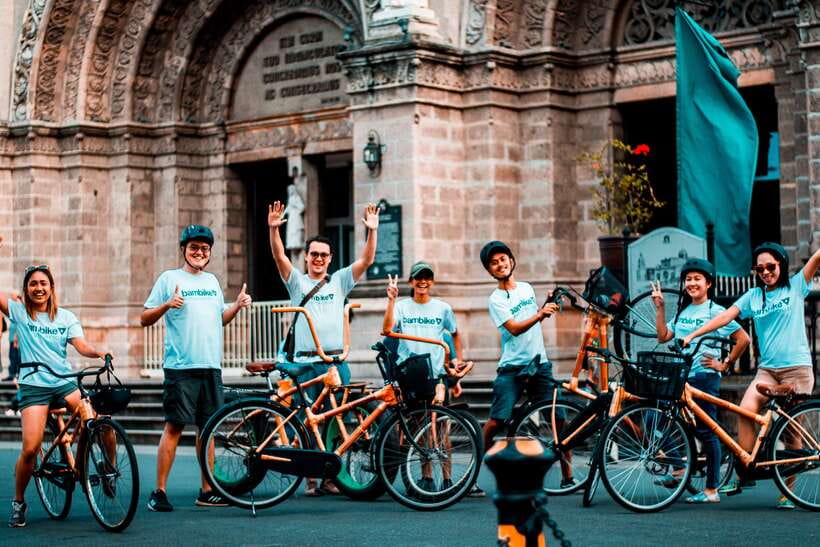
Intramuros is far too large to appreciate properly in a quick walk, and this bamboo bike tour gives you a clever way to cover its major sights without turning the visit into a hot march. You ride locally made bikes through the old walled city, stopping for stories at the Japanese cannon, Puerta Real Gardens, Fort Santiago, Manila Cathedral, and San Agustin Church.
I especially like the flat, easy route and the guides’ mix of history, jokes, and practical help. Guides including Josh, Paolo, Chi, Prime, Anj, and JD are praised for explaining the past clearly while keeping the pace relaxed. The main drawback is Manila’s heat. Even the 9:30 a.m. departure can feel hot and humid, so sunscreen, water, and light clothing matter.
Key points at a glance
- Locally made bamboo bikes: You choose a bike that fits you, including city-style bikes with baskets and mountain-bike designs.
- A broad Intramuros route: The tour links the Japanese cannon, Puerta Real Gardens, Puerta del Parian, Manila Cathedral, Fort Santiago, and San Agustin Church.
- Flat and gentle riding: The route is suited to casual cyclists and people who are not fully confident on a bike.
- Strong guide-led storytelling: Josh, Paolo, Chi, Prime, JD, Anj, and other guides explain history in English or Tagalog.
- Useful comfort touches: Helmets, rain ponchos when needed, sunscreen and insect repellent support, a cold towel, and ice cream are part of the experience.
- Good value at $27: For a 2 to 3 hour guided visit with bike rental and entrance fees, the price is fair, especially if you want context rather than quick photographs.
Why a bamboo bike works so well in Intramuros
Intramuros is Manila’s old walled district, with large plazas, church grounds, defensive structures, gateways, and side streets spread across a sizable area. Walking between all the major stops takes time, and the tropical heat can make a short distance feel longer than it looks on a map.
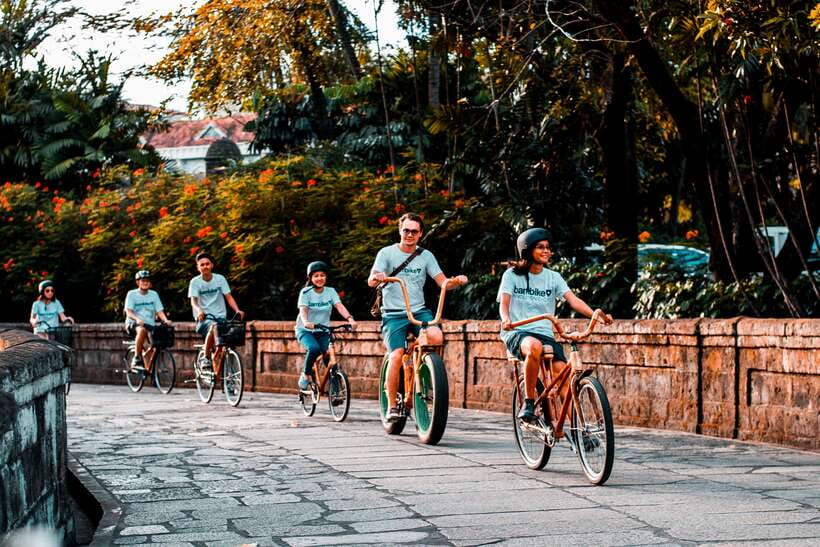
The bike solves that problem without making the outing strenuous. You ride at a casual pace, then park and listen while the guide explains each site. The cycling is not the main event. It is the link between the history stops.
The bikes are made by local craftsmen from bamboo. You first select one that suits your height and riding style. The available designs include city cruisers with baskets, mountain-bike-style models, and bikes with useful kickstands. Children’s bikes are available for children as young as five, while infant seats can be requested at booking.
The route is flat, and the bikes have no gears, so you do not need advanced cycling skills. I would still call this an active tour, especially in hot weather, but it is far less demanding than a long city ride. Safety support is one of the better parts of the setup. A staff member may help manage traffic, and guides keep an eye on the group while crossing or riding through busier sections.
More history on foot in Manila:
- Experience Intramuros with Bamboo Bicycle – Ecotours
★ 5.0 · 508 reviews - Manila: Intramuros, Chinatown, and Old Manila Half-Day Tour
★ 4.8 · 475 reviews - Manila Food Tour: Explore World’s Oldest Chinatown
★ 5.0 · 158 reviews
Starting with the Japanese cannon
The first historical stop is a Japanese cannon inside Intramuros. The guide uses it to explain the wartime period and the destruction that affected Manila during World War II.
This is a short stop, about 15 minutes, but it sets the tone. You are not simply cycling past old walls and taking pictures. The guide connects a physical object to the city’s more recent past, helping you see Intramuros as a place shaped by several periods, not only Spanish colonial rule.
The cannon area also gives you an early chance to get comfortable with the bike. The group usually settles into its pace here, and you can ask questions before the route becomes more involved.
Puerta Real Gardens and the first longer history stop
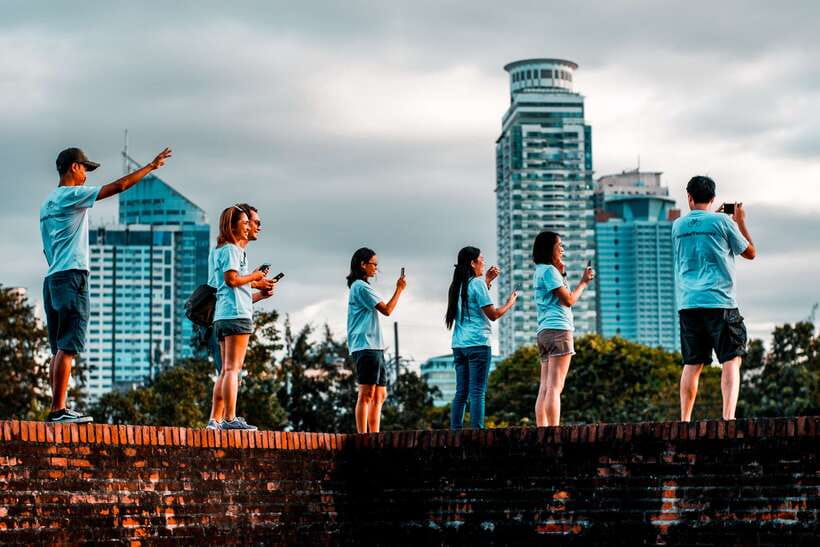
Puerta Real Gardens is scheduled for about 30 minutes, making it one of the longer stops early in the tour. The gardens offer a quieter setting for the guide’s explanation, with local plant life around the historic grounds.
This is where the tour begins to add layers to the story of Intramuros. You hear about the city’s role during the Spanish period and how its walls, gates, churches, and public spaces fit together. The guide-led format works well here because the meaning of the site is not always obvious from its appearance.
The stop is also a useful break from riding. You can listen, take photographs, and ask follow-up questions without feeling hurried. Several guides are praised for allowing enough time to explore while keeping the group moving.
Puerta del Parian and a welcome café pause
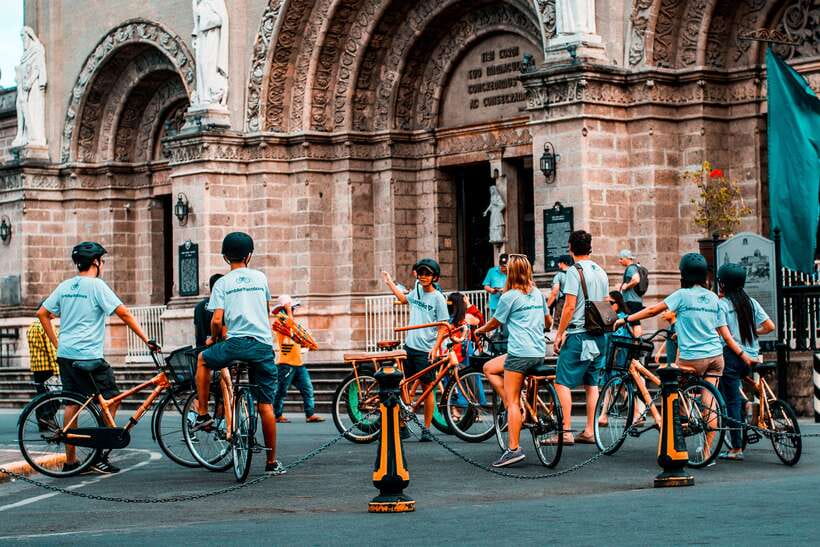
Puerta del Parian was one of the early gateways into Intramuros. The guide explains the gate’s place in the old city and the movement of people through the walled district.
The stop lasts around 15 minutes, so expect a focused explanation rather than a long visit. That is typical of this tour. You receive the key background, take pictures, then continue by bike instead of spending the entire morning at one location.
There is also a short café break of about 15 minutes. This matters in Manila’s heat. The tour is not built around long meal stops, but a pause gives you time to cool down and reset before the cathedral and Fort Santiago. You should still bring a resealable drink. Water is available to top up, but one rider noted that there is not always a formal scheduled drink stop, so ask the staff when you need one.
A few more things to do in Manila worth a look
- Manila: Guided Sunset Bamboo Bike Tour in Intramuros
★ 4.8 · 119 reviews - Express Bamboo Bike Tour inside Intramuros
★ 4.5 · 66 reviews
Manila Cathedral and Plaza de Roma
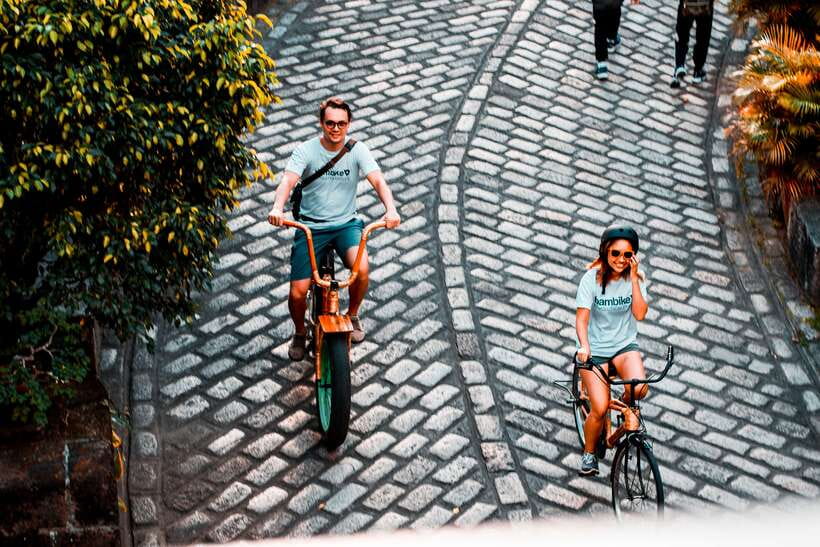
Manila Cathedral and Plaza de Roma form the historic center of Spanish colonial Manila. The cathedral is one of the tour’s most important visual stops, while the plaza helps you understand how religious and civic life were organized inside Intramuros.
The guide’s role is especially useful here. A church and plaza can blur into a general sightseeing stop if you do not know what to look for. The explanations give you a sense of why this part of Intramuros mattered and how the city developed around it.
The cathedral visit is listed at about 15 minutes. That is enough for an introduction and photographs, but you should not expect an extended religious or architectural tour. If you like taking your time inside major buildings, you may want to return on your own after the bike tour.
Fort Santiago, the longest stop on the route
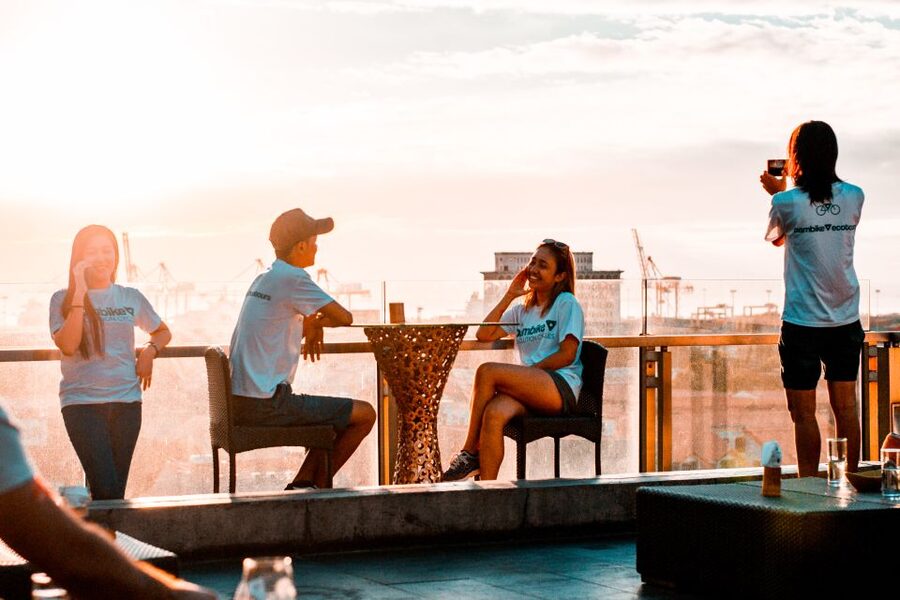
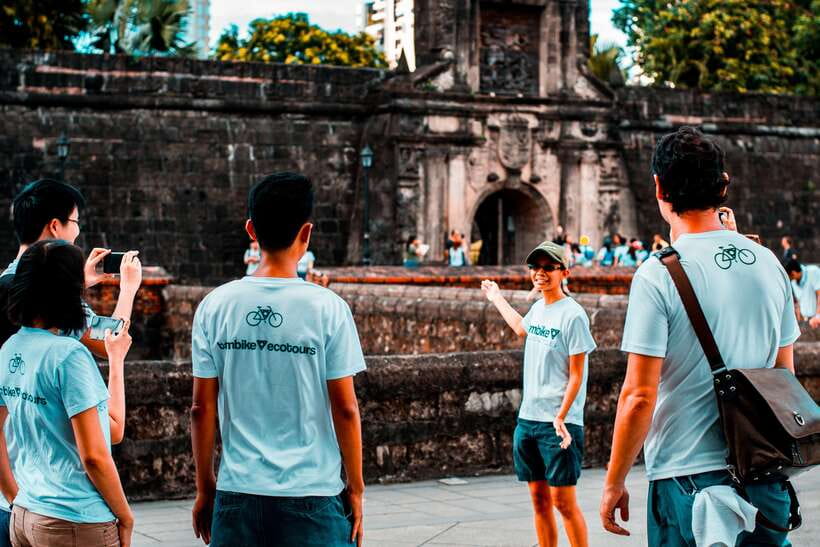
Fort Santiago receives about 45 minutes, making it the tour’s main historical visit. The fort is one of Intramuros’ defining sites, and the longer stop allows the guide to explain its role in the city’s defense and wartime story.
You ride into the area, then spend time walking and listening. This change from cycling to exploring is welcome. Fort Santiago has enough historical detail that a quick pass would not do it justice, and the guide can point out the parts that deserve your attention.
The stop also gives you time to take photographs and ask questions. Guides such as Mica, Anj, Prime, and Paolo have been singled out for keeping their explanations lively, clear, and easy to follow. The best guides do not turn the visit into a lecture. They add small facts, invite questions, and use humor without making light of difficult events.
San Agustin Church and the final ride
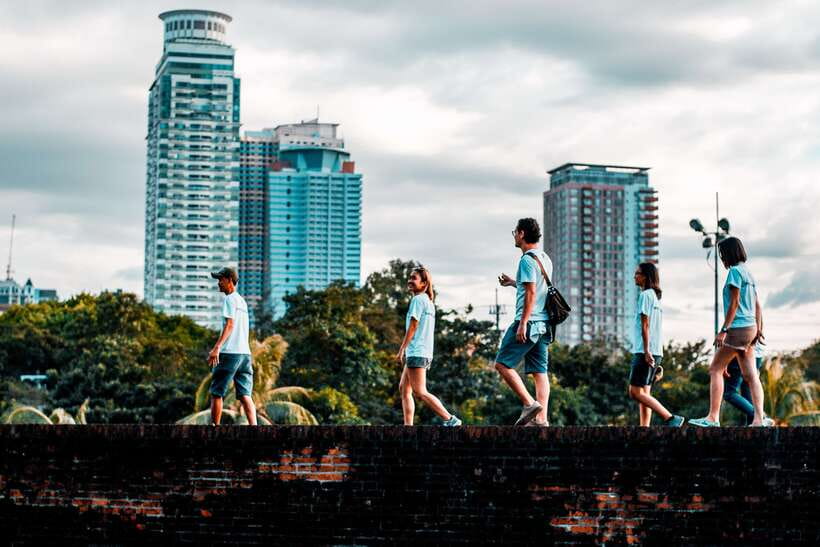
San Agustin Church is the last listed historical stop, with about 15 minutes of guided time. It gives the route a strong architectural and religious finish before you return to the starting point.
As with Manila Cathedral, this is an introduction rather than an exhaustive church visit. The guide places the church within Intramuros’ broader story, then gives you time to look around and take pictures.
The short final ride back is easy, but you may feel the heat by this point. That is why the ending is well judged. You receive a cold towel and ice cream, a simple touch that feels genuinely useful after cycling around the walled city. It is not just a decorative extra. On a warm morning, the towel and ice cream help you cool down before continuing your Manila sightseeing.
How much riding and effort should you expect?
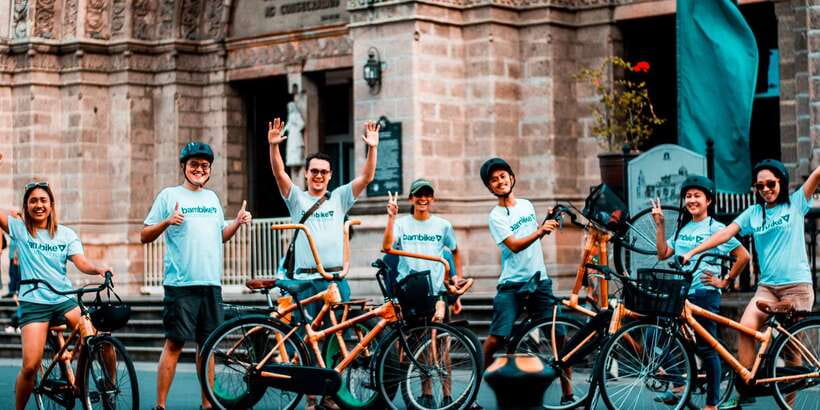
This is a relaxed sightseeing ride, not a cycling challenge. The route is flat, and the pace is designed for casual riders. People who are nervous on bikes often find the setup manageable because there are regular stops and staff support.
The main physical issue is climate, not hills. Reviews describe the 9:30 a.m. start as hot and humid, and later departures may feel warmer. I would wear breathable clothing, use sunscreen before arrival, and carry water. Comfortable shoes matter because you spend time standing and walking at the historical sites.
Rain does not automatically cancel the tour. It operates in most weather, with rain ponchos available if needed, except during a tropical storm. Light rain may make the ride less comfortable, but the staff are prepared to keep the route going.
Guides, group feel, and safety
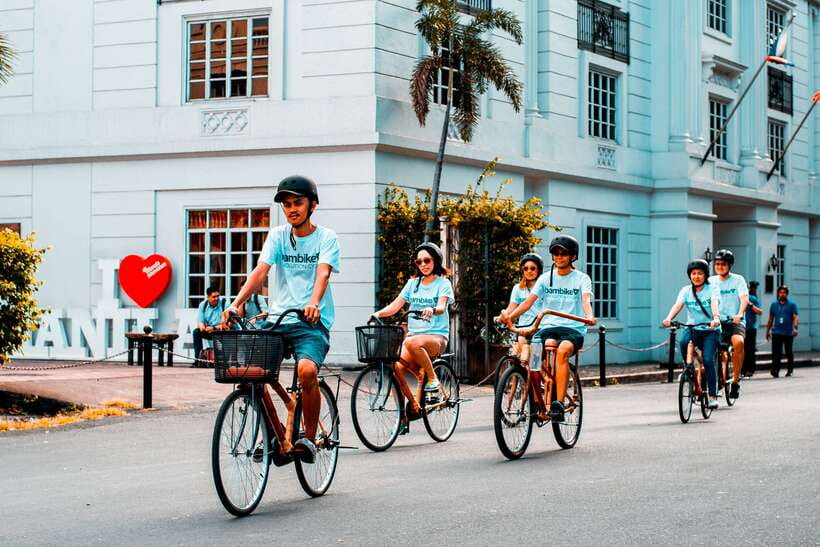
The guide can make or break a history tour, and this experience puts real emphasis on storytelling. English and Tagalog are available. Guides frequently named for clear, engaging presentations include Josh, Paolo, Chi, Prime, JD, Anj, Mica, Justine, and Inah.
You should expect a small-group format, though the exact group size is not provided. Staff help with photographs at stops, answer questions, and keep riders together. Solo visitors are especially well served because the guides are willing to take pictures without making it awkward.
The route does include public streets, so this is not a completely traffic-free ride. Staff help control crossings and guide the group through the city. If you are an unsteady cyclist, tell the team at the start so they can help you choose a suitable bike.
Children aged 4 to 12 must be accompanied by an adult. Unaccompanied minors are not allowed. Infant seats for ages 2 to 4 are available if requested in advance.
Is $27 a fair price?
At $27 per person, the tour is good value for anyone who wants to see the main Intramuros sights with historical context. The price includes the local guide, bamboo bicycle, helmet, entrance fees, and rain poncho if needed. Hotel pickup and drop-off are not included.
You could walk around Intramuros for less, but you would cover less ground and need to research the sites yourself. You could also hire transport, but that would not provide the same easy access or continuous explanation. Here, the bike connects the stops and the guide supplies the background.
The value is strongest on the longer 3-hour option. The extended route gives you more time at the main sites and leaves enough space for questions and photographs. If you have only a short window in Manila, the 2-hour version still covers the core experience, but history fans should choose the longer departure when available.
Practical tips for choosing your time
The 9:30 a.m. departure is a smart choice if you want to avoid the worst midday heat. You finish around lunchtime, leaving time for food or a café inside or near Intramuros.
Bring:
- Comfortable shoes
- Light, comfortable clothes
- Sunscreen
- A resealable water bottle
- A small towel if you dislike riding in heat
The team may provide sunscreen, insect repellent, and water support, but I would not rely on those as your only supplies. Manila’s sun can be strong even during a morning tour.
Meeting and drop-off arrangements can vary by the option you book. The listed starting and ending point is Bambike Ecotours Intramuros, but check your confirmation carefully before setting out.
Who should book this tour?
I would recommend it to first-time Manila visitors, history fans, solo visitors, families with older children, and anyone who wants to see several Intramuros landmarks without a long walk. It also suits people who prefer a guide to explain what they are seeing instead of reading signs at each stop.
You may want another option if you dislike cycling, struggle with heat, or want to spend a long time inside each church and fort. The tour gives you a broad, well-paced introduction, not hours of quiet museum time.
Should you book the Intramuros bamboo bike tour?
Book it if you want an active but gentle way to understand Manila’s old walled city. The flat route, local bamboo bikes, strong English-language guiding, and regular historical stops make it a practical first visit to Intramuros.
Choose the longer option if history matters to you, and aim for the morning. Bring water, sunscreen, and patience for the heat. At $27, this is a fair buy for a guided route that covers more ground than walking and ends with the small but welcome reward of a cold towel and ice cream.
FAQ
Where does the Intramuros bamboo bike tour take place?
The tour takes place in Intramuros, the historic district of Manila. The listed starting and ending point is Bambike Ecotours Intramuros, though the exact meeting point may vary by the option booked.
How long does the tour last?
The experience lasts about 2 to 3 hours. The longer route includes more riding and guided time at the main historical sites.
What sites are included?
The route includes the Japanese cannon, Puerta Real Gardens, Puerta del Parian, Manila Cathedral and Plaza de Roma, Fort Santiago, and San Agustin Church.
What is included in the price?
The price includes a local guide, bamboo bicycle rental, helmet, entrance fees, and rain ponchos when needed. Hotel pickup and drop-off are not included.
What languages are available?
The tour is offered with a live guide in English or Tagalog.
Is the tour suitable for children?
Children aged 4 to 12 must be accompanied by an adult. Children’s seats are available for ages 2 to 4 if requested when booking. Unaccompanied minors are not allowed.
What happens if it rains?
The tour operates in most weather conditions and provides rain ponchos if needed. It does not operate during a tropical storm. Free cancellation is available up to 24 hours in advance, and you can reserve now and pay later.
More Historical Tours in Manila
- Explore Intramuros: Introduction to Philippine History
★ 5.0 · 80 reviews - Experience Manila’s Heritage: Intramuros & More in Half a Day!
★ 5.0 · 76 reviews - Half-Day Heritage Tour: Manila’s Historic Gems
★ 4.9 · 29 reviews - Tagaytay, Taal Volcano & Heritage Town: A Journey of Discovery
★ 5.0 · 29 reviews
Just added in Manila
- Breathtaking Cultural Experience in Villa Escudero★ 4.5 · 15 reviews
- From Manila: Villa Escudero Guided Tour★ 5.0 · 19 reviews
- Manila Street food and Night Market Tour★ 4.7 · 21 reviews
- Solo Traveler Friendly Manila Walk w/ Mobile Photography★ 5.0 · 22 reviews
- Day hike to Mount Daraitan with Tinipak River 2024★ 5.0 · 22 reviews
- Half-Day Heritage Tour: Manila’s Historic Gems★ 4.9 · 29 reviews
- Manila: Intramuros Walled City Guided Walking Tour★ 4.5 · 30 reviews
- Half-Day Manila City Tour★ 5.0 · 29 reviews
Intramuros Heritage Walks, compared.
Experience Intramuros with Bamboo Bicycle – Ecotours
Read our review →
Intramuros, Chinatown, and Old Manila Half-Day Tour
Read our review →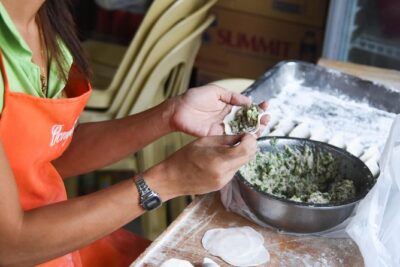
Manila Food Tour: Explore World’s Oldest Chinatown
Read our review →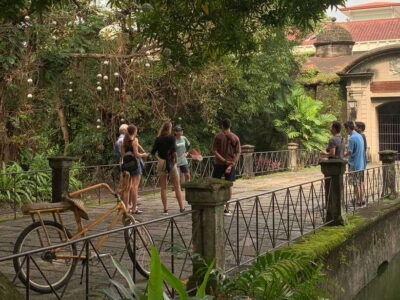
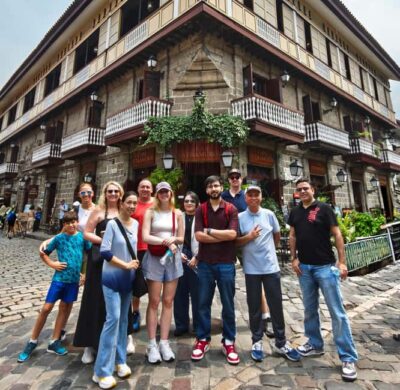
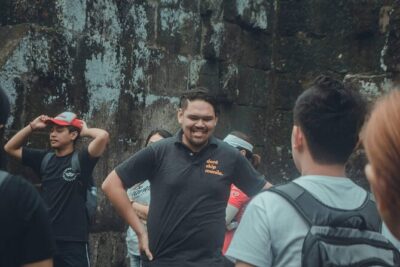
Explore Intramuros: Introduction to Philippine History
Read our review →
Experience Manila’s Heritage: Intramuros & More in Half a Day!
Read our review →Browse the lists this tour appears in