
Reviewed · INTRAMUROS HERITAGE WALKS
Manila Food Tour: Explore World’s Oldest Chinatown
Binondo is best understood one bite at a time. This three-hour walk takes you from Binondo Church through Carvajal Street and small Chinese-Filipino eateries, with stops for fresh lumpia, Kuchay Ah Pie, handmade dumplings, mami, dim sum, and hopia. It is a tasty way to see Manila’s oldest Chinatown without spending a full day.
I like the excellent variety, with about eight foods covering snacks, noodles, dumplings, pastries, and drinks. I also like the guiding team, including Jian, Nel, Chloe, and Rian, who bring personal stories and help groups move through busy restaurants. The main caution is simple: this is a large amount of food, and the tour is not suitable for vegans.
Key points at a glance
- Eight substantial tastings: Expect sweet and savory dishes, not just tiny samples.
- Binondo Church meeting point: The tour begins and ends at the Minor Basilica and National Shrine of Saint Lorenzo Ruiz.
- Small-group setting: The tour is marketed for groups of up to 10, while the additional booking information lists a maximum of 15.
- Local food stops: You visit busy restaurants, street-side vendors, dumpling shops, and a historic bakery.
- About three hours on foot: Wear comfortable walking shoes and plan to keep the rest of your day open.
- A filling experience: Morning visitors are advised to skip breakfast, and even some groups have had food left over.
Why Binondo makes such a good food tour
Binondo is not a polished food district built for sightseeing. It is a working part of Manila where Chinese and Filipino traditions meet in shops, bakeries, noodle houses, markets, and family-run restaurants. That makes a guide useful. You could walk the same streets on your own, but you might pass the small storefronts without knowing what to order or how to fit several stops into a short visit.
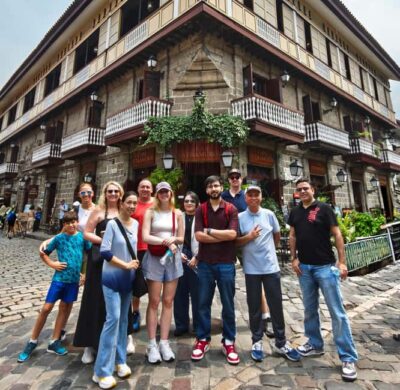
The tour begins at Binondo Church, a practical landmark and an important part of the neighborhood’s story. From there, you head into the streets around Carvajal Street, where food stalls and small shops bring the area to life. The setting can be crowded and noisy, but that is part of the appeal. You are seeing Binondo as a place where people eat and work, not as a stage set for sightseeing.
I especially like the way the food provides a route through the neighborhood. Instead of stopping for one large meal, you move from snack to snack and restaurant to restaurant. That gives you a better sense of how Chinese cooking has become part of everyday Filipino food.
More Food Tours in Manila
- Manila: Street Food and Drinks Walking Tour with Tastings
★ 4.8 · 114 reviews - Manila: Guided Food Tour of Binondo with Tastings
★ 4.8 · 38 reviews - Manila Street food and Night Market Tour
★ 4.7 · 21 reviews
Starting at Binondo Church and Carvajal Street
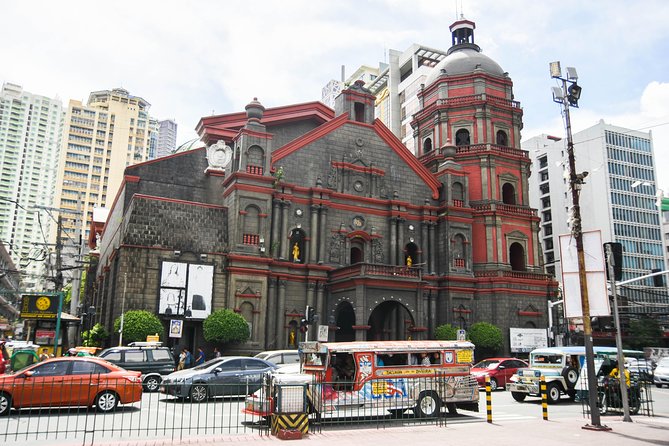
Meet your guide at the Minor Basilica and National Shrine of Saint Lorenzo Ruiz, commonly called Binondo Church, at 1006 Plaza Lorenzo Ruiz. The tour also finishes here, so you do not need to arrange a separate ride from the final stop.
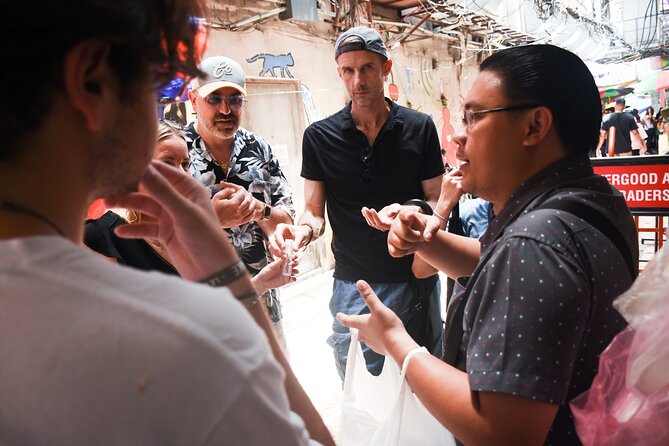
The church is more than a meeting point. It gives the walk a clear starting marker and places you at the edge of one of Manila’s oldest commercial districts. Your guide may begin with the area’s background before leading you into the food stops. Guides named in the tour’s booking information include Jian, Nel, Chloe, and Rian. The strongest experiences depend on how much your guide talks about both the dishes and the neighborhood around them.
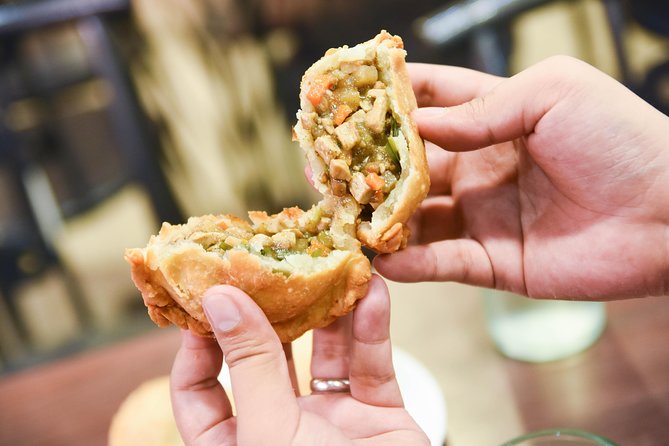
Carvajal Street is an appealing first food area because it quickly shows you the range of Binondo cooking. Fresh lumpia brings crisp vegetables and soft wrapper together with a savory filling. Kuchay Ah Pie offers a different texture and flavor, with chive-filled pastry as one of the less familiar items you may encounter in Manila.
These first bites are useful for setting expectations. You are not simply being handed famous dishes at famous restaurants. You are trying food from vendors and small businesses that might not be obvious to someone walking through the district for the first time.
Handmade dumplings and the pleasure of a short queue
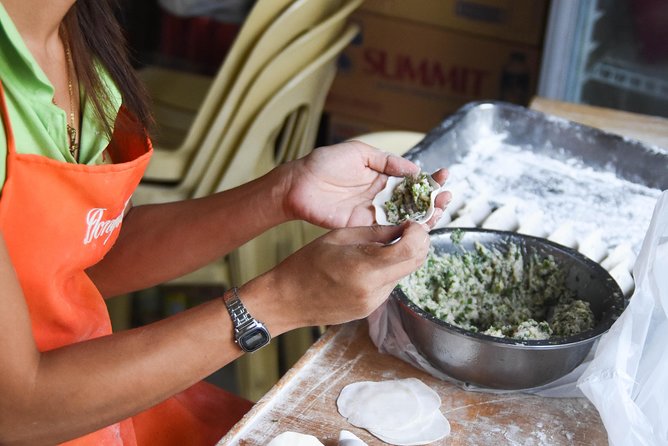
The dumpling stop is one of the strongest parts of the route. You get to see handmade dumplings treated as a craft rather than a frozen side dish. The focus is on fresh preparation, texture, and the skill involved in folding and cooking each piece.
Dumplings are also where a guide can save you time. One group was served quickly despite a long queue because the guide knew the shopkeepers. That kind of local connection matters in Binondo, where small restaurants can be busy and seating may be limited.
You may find this stop more satisfying than the familiar dim sum served in large international restaurants. The attraction is not only the flavor. It is the chance to see how a small, focused food business works and to taste a dish that guides consider one of the tour’s best stops.
The portion size is worth noting. Several stops provide enough food that you may not finish every item, especially if the group orders full portions to share. If you are visiting in the morning, skip breakfast. This is not a coffee-and-one-bite outing.
Mami, the Filipino comfort-food stop
Next comes mami, a noodle soup with a firm place in Filipino comfort food. Soup might seem less exciting than dumplings or pastries, but it gives the route balance. After several snacks, a bowl of noodles offers warmth and substance.
The mami stop also helps explain how Chinese cooking became part of Filipino daily life. This is not a simple tour of imported dishes. The food has been adapted, eaten, and made part of local habits over time.
The exact restaurant and serving details can vary, so you should think of mami as a chance to try a familiar local staple rather than a formal tasting course. It may be one of the more filling points on the route. If you have a small appetite, pace yourself early.
This is also a good moment to ask your guide about ingredients. Guides such as Nel, Chloe, and Rian have been praised for explaining the food and Filipino culture as they go. The tour is strongest when those explanations connect the bowl in front of you with the neighborhood’s Chinese-Filipino identity.
More history on foot in Manila:
- Intramuros, Manila: Historical Bamboo Bike Tour
★ 4.8 · 583 reviews - Experience Intramuros with Bamboo Bicycle – Ecotours
★ 5.0 · 508 reviews - Manila: Intramuros, Chinatown, and Old Manila Half-Day Tour
★ 4.8 · 475 reviews - Manila: Guided Sunset Bamboo Bike Tour in Intramuros
★ 4.8 · 119 reviews
Classic dim sum in a busy Chinatown setting
The itinerary then moves to a restaurant known for classic dim sum. This portion gives you the broadest view of the Chinese side of Binondo’s cooking, with several small dishes shared around the table.
Dim sum works well on a group tour because it lets everyone sample more than one item. You might receive dumplings, steamed bites, or other small plates, depending on what is being served during the visit. The food is prepared for sharing, so the experience feels social rather than like a series of isolated tastings.
The practical benefit of having a guide is clear here. Busy restaurants can be hard to navigate when you do not know what to order, and a group needs seats, utensils, and a sensible pace. The guides help keep the route moving and arrange food so you can taste without spending time working out every detail yourself.
Still, do not expect a quiet restaurant meal. You are moving through an active neighborhood, and tables may be close together. If you want a slow, private lunch, this format may feel rushed. If you want to try several dishes in a short period, it is a good fit.
Finishing with hopia at a historic bakery
The final food stop is a bakery known for hopia, a flaky pastry associated with Chinese-Filipino food traditions. The pastry comes in several flavors, giving you a sweet finish after the savory food earlier in the walk.
Hopia is a useful final stop because it travels well. If you are already full, you can have a taste and save the rest for later. One group had several leftovers wrapped carefully to take back to a hotel, and a late-night pastry snack is a sensible use for food you cannot finish during the tour.
This bakery stop also gives the experience a clear ending. You finish with something portable and distinctly tied to the neighborhood’s Chinese-Filipino food culture, then return to the church meeting point.
The route includes soda, tea, water, and bottled water. Those drinks are welcome in Manila’s heat, although the timing of the tour and the weather can affect how comfortable the walk feels.
What the three-hour format means for you
Three hours is a useful length for this experience. You get enough time for several stops and some local context, but you do not lose an entire day. That leaves room for Intramuros, museums, shopping, or a rest at your hotel afterward.
The pace has generally been described as manageable, with enough walking to work up an appetite but not so much that the food becomes an afterthought. You should still wear walking shoes. Streets may be uneven, crowded, or wet, and you will spend the full tour on your feet.
Timing matters. A morning tour can be more comfortable in warm weather, and one family specifically preferred a weekday morning when the area was cooler and less crowded. The tour requires good weather. If poor weather cancels it, you are offered another date or a full refund.
The route is near public transportation, but private transportation is not included. You need to make your own way to Binondo Church and back from the area after the tour. Since the activity ends at the same meeting point, it is easier to combine with nearby Manila plans than with a faraway attraction.
Group size, guides, and the value of local help
The small-group idea is one of the tour’s main advantages. The tour is promoted as having a maximum of 10 people, while the additional information gives a maximum of 15. Either way, it is far more manageable than a large bus group.
A smaller group helps at food stops. You can hear the guide, share dishes more easily, and move through narrow streets without forming a long line. It also makes conversation with the guide more natural.
Guide quality is important on a food walk, and the named guides bring different strengths. Jian is described as the owner who started the tour and is flexible when weather or local conditions disrupts the plan. Nel is known for a cheerful manner and for handling food restrictions thoughtfully. Chloe has been praised for lively explanations about food, residents, and local history. Rian is described as personable and clear in English.
The tour seems best when the guide does more than announce each dish. The most useful commentary connects the food with Manila, Filipino habits, and the Chinese community in Binondo. If your guide is in a storytelling mood, the walk becomes much more than a meal with legs.
Is $60 a fair price?
At $60 per person, this is not the cheapest way to eat in Manila. You can find individual snacks and meals for far less if you are comfortable ordering on your own.
The value comes from the number of tastings, the planning, the drinks, and the time saved. You receive about eight food items, ranging from fresh lumpia and pastries to dumplings, noodles, and dim sum. You also get a route through places that can be hard to identify on your first visit.
The price makes more sense if you want an introduction rather than a single meal. It is also useful early in your Manila stay because you can learn which foods you like and which parts of Binondo you may want to revisit. If you are already confident ordering in Manila and prefer to spend very little, you may find it expensive.
Group discounts may be available, which can improve the value for families or friends. A mobile ticket and free cancellation up to 24 hours before the start time also make booking fairly flexible. Changes made within 24 hours are not accepted, so keep the local cut-off time in mind.
Who should book this food walk?
I would choose this tour for a first visit to Manila, especially if you want food and place together. It is also a good choice for people who enjoy trying several dishes but do not want to plan every restaurant themselves.
It suits curious eaters, couples, families with older children, and solo visitors who would rather share a table than eat alone. The tour has also worked well for Filipinos from outside Manila who want to try especially good versions of familiar foods.
You should come with an open mind. The food includes items you may not recognize, and the tour is not designed for vegans. If you have other restrictions, tell the guide in advance. Nel, in particular, has been described as accommodating with different food needs, but the supplied information does not promise that every restriction can be handled.
This is not the best pick for someone seeking a private luxury meal, a formal cooking class, or a light snack before dinner. The portions are generous, the streets are active, and the food comes from working local businesses rather than a controlled tasting room.
Should you book the Binondo food tour?
Book it if you want a well-paced introduction to Binondo and are happy to make food the main event. The strongest reasons are the broad menu, the small-group format, and the chance to visit places you might not locate on your own.
Skip it if you have a very limited appetite, need a fully vegan menu, or prefer to explore independently on a low budget. For most visitors, though, $60 buys more than food. It buys a planned route, local guidance, and a practical way to understand how Chinese and Filipino cooking meet in Manila.
Come hungry, wear good shoes, and leave room for hopia.
FAQ
Where does the tour begin?
It begins at the Minor Basilica and National Shrine of Saint Lorenzo Ruiz, also known as Binondo Church, at 1006 Plaza Lorenzo Ruiz, Binondo, Manila.
Where does the tour end?
The activity ends back at the Binondo Church meeting point.
How long does the tour last?
The tour lasts approximately three hours.
How many foods are included?
The tour includes eight different food items, with a mix of sweet and savory dishes.
What foods might I try?
The route includes fresh lumpia, Kuchay Ah Pie, handmade dumplings, mami, classic dim sum, and hopia. Drinks include soda, tea, and water.
Is private transportation included?
No. Private transportation is not included. You are responsible for getting to and from the meeting point.
Is the tour suitable for vegans?
No. The additional information states that the tour is not suitable for vegans.
What happens if bad weather cancels the tour?
You will be offered a different date or a full refund if poor weather causes the experience to be canceled. You can also cancel for a full refund if you do so at least 24 hours before the start time.
Just added in Manila
- From Manila: Villa Escudero Guided Tour★ 5.0 · 19 reviews
- Breathtaking Cultural Experience in Villa Escudero★ 4.5 · 15 reviews
- Manila Street food and Night Market Tour★ 4.7 · 21 reviews
- Solo Traveler Friendly Manila Walk w/ Mobile Photography★ 5.0 · 22 reviews
- Day hike to Mount Daraitan with Tinipak River 2024★ 5.0 · 22 reviews
- Makati Rooftop Barhopping with Local Guide★ 4.8 · 26 reviews
- Makati Rooftop and Hidden Bars Experience★ 4.9 · 30 reviews
- Manila: Binondo Chinatown Guided Walking Tour★ 5.0 · 27 reviews
Intramuros Heritage Walks, compared.
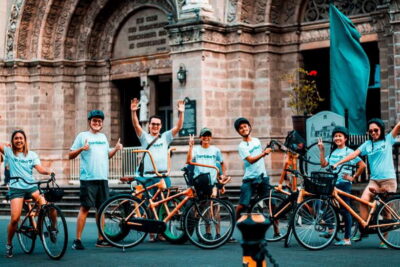
Intramuros, Manila: Historical Bamboo Bike Tour
Read our review →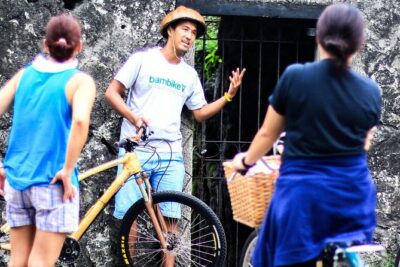
Experience Intramuros with Bamboo Bicycle – Ecotours
Read our review →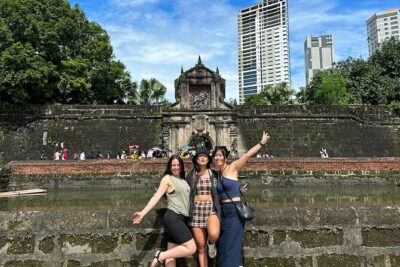
Intramuros, Chinatown, and Old Manila Half-Day Tour
Read our review →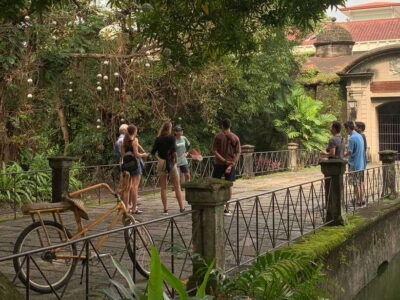
Explore Intramuros: Introduction to Philippine History
Read our review →
Experience Manila’s Heritage: Intramuros & More in Half a Day!
Read our review →Browse the lists this tour appears in