
Reviewed · INTRAMUROS HERITAGE WALKS
Manila: Guided Food Tour of Binondo with Tastings
Binondo is best understood one bite at a time. This three-hour walk starts at Binondo Church, winds through Carvajal Street and small alleys, and links six food stops that would be easy to miss on your own. You’ll taste Filipino-Chinese favorites while learning how the district’s food and community developed.
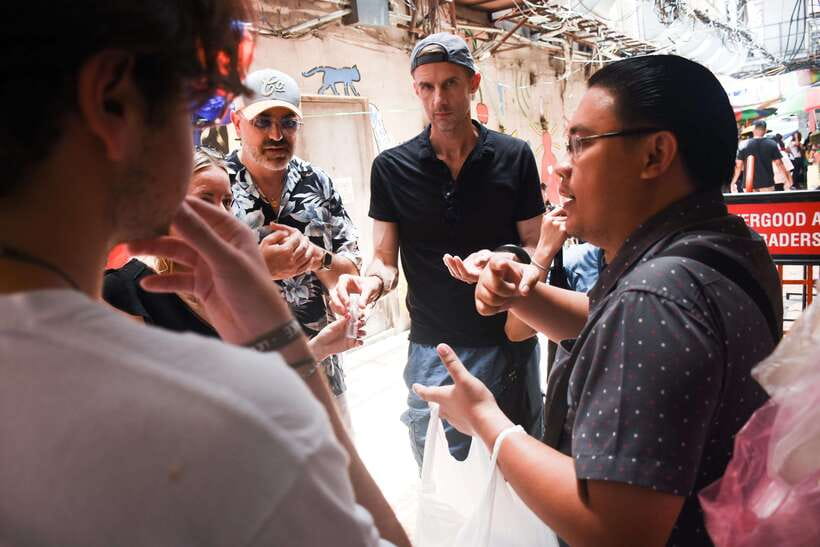
I like the generous portions and the way the tour reaches small eateries instead of sticking to broad, obvious streets. I also like the guides. Chloe, Nel, Jian, and Juan are all named as hosts, and the strongest praise goes to their warmth, local stories, and helpful Manila advice.
The main drawback is simple: you need to eat meat and dairy, since the tour is not suitable for vegans or vegetarians. Some portions may also be too large to finish, and the first sweet vegetable wrap is not likely to win everyone over.
Key points to know before booking
- Six food stops in three hours: Expect a steady parade of tastings, not one long sit-down meal.
- Start at Binondo Church: Meet near the candle area in the church lobby, then return there at the end.
- The dumplings are a major highlight: Handmade dumplings receive the most consistent praise.
- Come hungry: Portions are described as more than generous, so skip a large breakfast.
- Small streets are part of the experience: Carvajal Street and the side alleys reveal a less obvious side of Binondo.
- Plan for a real walking tour: Wear comfortable shoes, leave luggage behind, and be ready for rain or shine.
Why Binondo works so well as a food tour
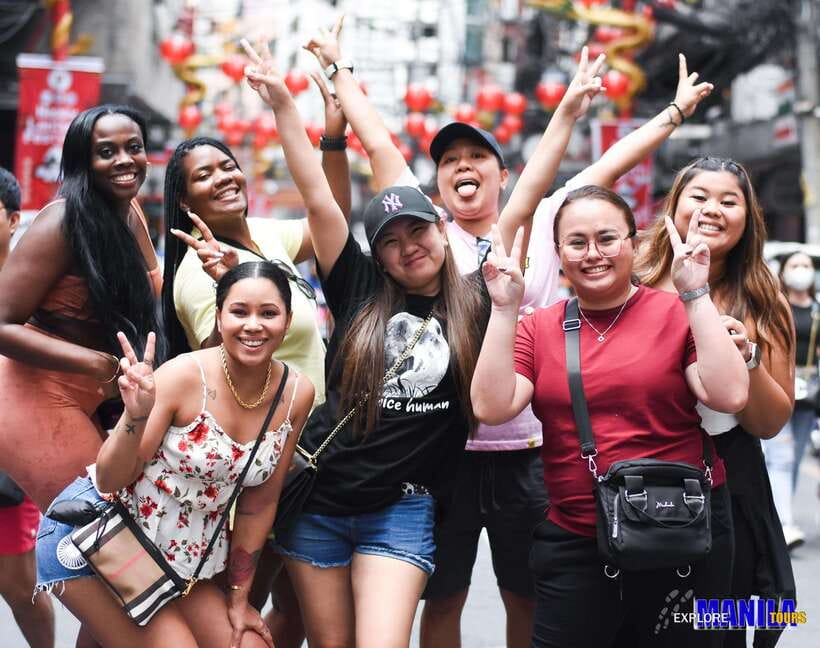
Binondo is known as the world’s oldest Chinatown, and the appeal here is not just a list of dishes. The food gives you a practical way to understand the meeting of Chinese and Filipino traditions.
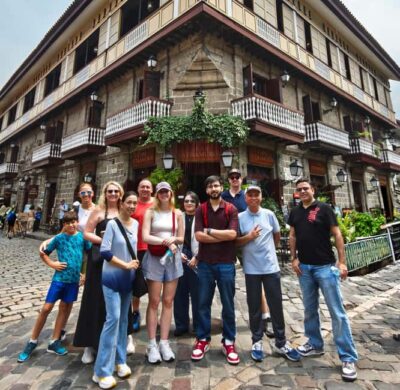
The tour begins at Binondo Church, a useful landmark and a fitting place to start. From there, your guide leads you through streets where food stalls, restaurants, bakeries, and small passageways sit close together. You are not simply moving from one restaurant to another. You are seeing how eating, trade, family businesses, and neighborhood life overlap.
That matters because Binondo can feel confusing on a first visit. The streets and alleys are easy to explore in a hurry without understanding what you are looking at. A local guide gives the walk a clear thread and points you toward places you might not choose by yourself.
The tour is also a good choice if you want food with context. The guides explain Filipino-Chinese cuisine and share stories about the Chinese community in the Philippines. Juan, in particular, is described as offering background on how the community developed, while Chloe, Nel, and Jian are praised for adding cultural details and practical Manila tips.
More Food Tours in Manila
- Manila Food Tour: Explore World’s Oldest Chinatown
★ 5.0 · 158 reviews - Manila: Street Food and Drinks Walking Tour with Tastings
★ 4.8 · 114 reviews - Manila Street food and Night Market Tour
★ 4.7 · 21 reviews
Starting at Binondo Church and Carvajal Street
Your meeting point is the lobby of Binondo Church, near the candles. This is important to note because the instruction is not simply to meet outside the church or somewhere on the surrounding street. If you use Grab, set the church as your destination and allow time to find the candle area.
The opening walk heads toward Carvajal Street, where fresh lumpia is the first featured taste. This Filipino spring roll is prepared by local vendors, and the stop gives you an early look at the food traditions that have lasted in this part of Manila.
Fresh lumpia is different from the crisp fried rolls many people expect. The filling and wrapper offer a softer, more delicate start to the meal. The tour uses it to show how local Filipino food and Chinese culinary influence meet rather than sitting in separate boxes.
One note of balance: the first tasting is described as a sweet vegetable wrap, and one group found it less appealing than the other stops. You may enjoy it, but do not judge the whole tour by this opening bite. The strongest praise comes later, especially for the dumplings.
Handmade dumplings and the best part of the meal
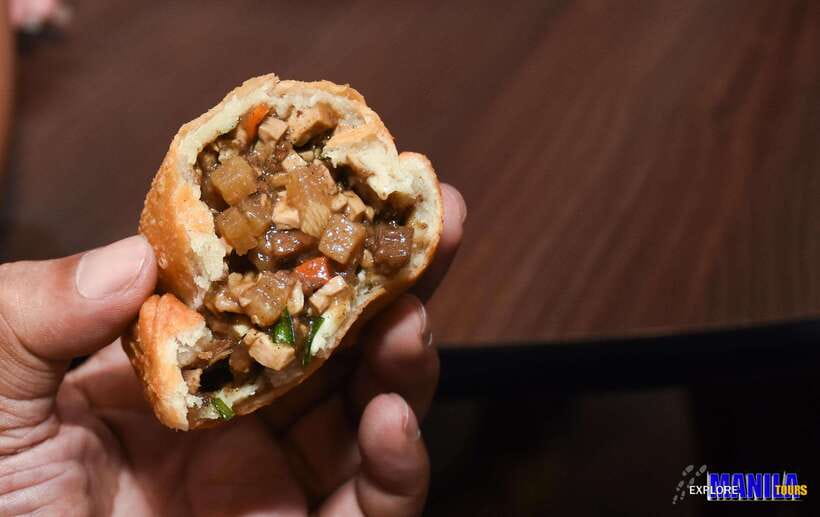
The dumpling stop is the clearest favorite across the feedback. You can expect handmade dumplings presented as a central part of the food walk, with attention to preparation and local technique.
This is where the tour feels most useful for a visitor who lacks a guide. Dumplings can look familiar, but the details of the wrapper, filling, shape, and cooking method are easy to overlook. Your guide can explain what you are eating and help place it within Filipino-Chinese food culture.
Several people singled out the dumplings as their favorite food, and one person called the dim sum the best they had eaten. The repeated praise suggests that this is not a token tasting added to fill out the route. It is one of the stops you should especially look forward to.
The portions are also substantial. If you plan to try everything, eat lightly before meeting the group. The practical advice is to avoid a full breakfast, not because the tour is difficult, but because several full tastings arrive in quick succession.
Mami, comfort food with a local place in Manila
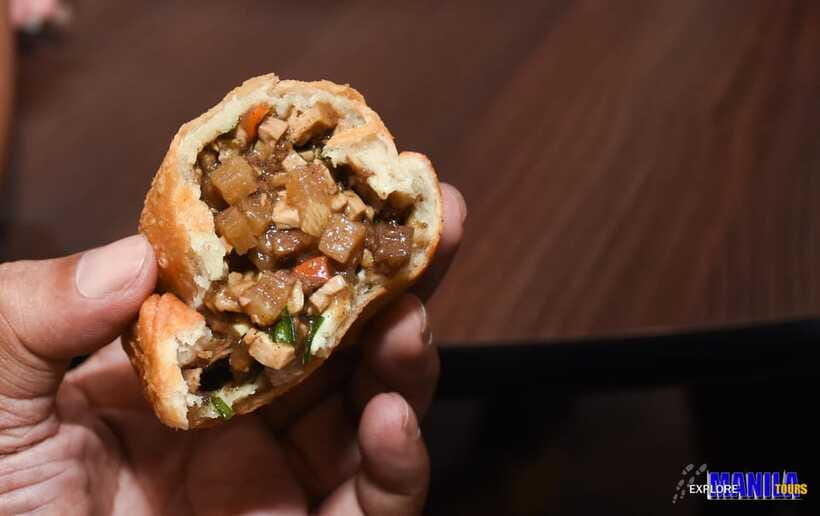
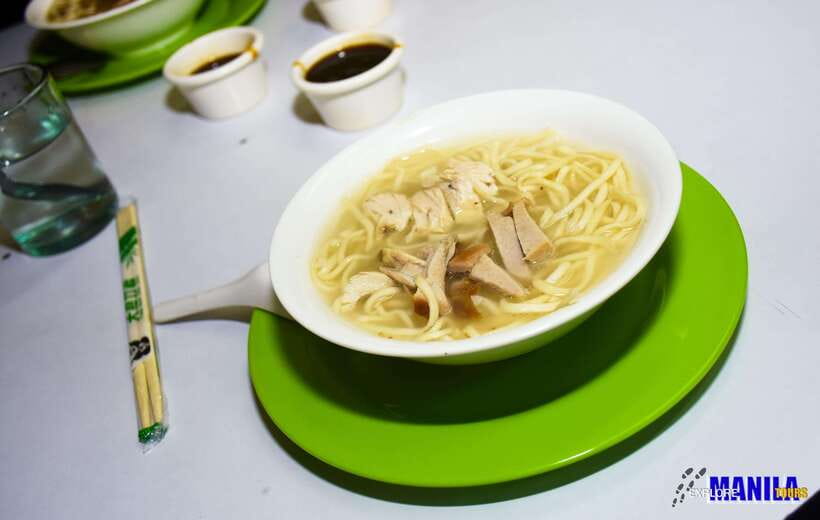
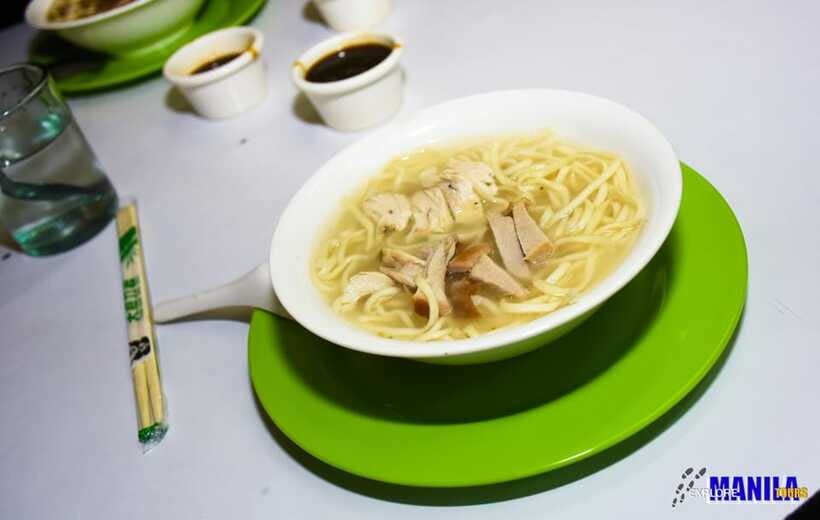
The next part of the route features mami, a noodle soup tied to Filipino comfort food. This is a useful change of pace after the earlier snacks and dumplings.
A bowl of mami gives the meal warmth and substance. It also shows how Chinese-style noodles became part of everyday Filipino eating. The point is not to treat the dish as an imported curiosity. It has a place in local food culture, and the guide helps explain that connection.
This stop may be especially welcome if you have spent the morning walking around Manila. The tour takes three hours, and the food is served at several points rather than all at once. Mami provides a more filling middle section before the later dim sum and bakery tastings.
Since the tour is designed around shared sampling, you do not necessarily have to finish every portion. One guide, Juan, reportedly made clear that there would be more food than most people could eat and that nobody was pressured to finish everything. That is a helpful approach, especially for solo visitors or couples who want to taste widely without wasting food.
More history on foot in Manila:
- Intramuros, Manila: Historical Bamboo Bike Tour
★ 4.8 · 583 reviews - Experience Intramuros with Bamboo Bicycle – Ecotours
★ 5.0 · 508 reviews - Manila: Intramuros, Chinatown, and Old Manila Half-Day Tour
★ 4.8 · 475 reviews - Manila: Guided Sunset Bamboo Bike Tour in Intramuros
★ 4.8 · 119 reviews
Classic dim sum in a local setting
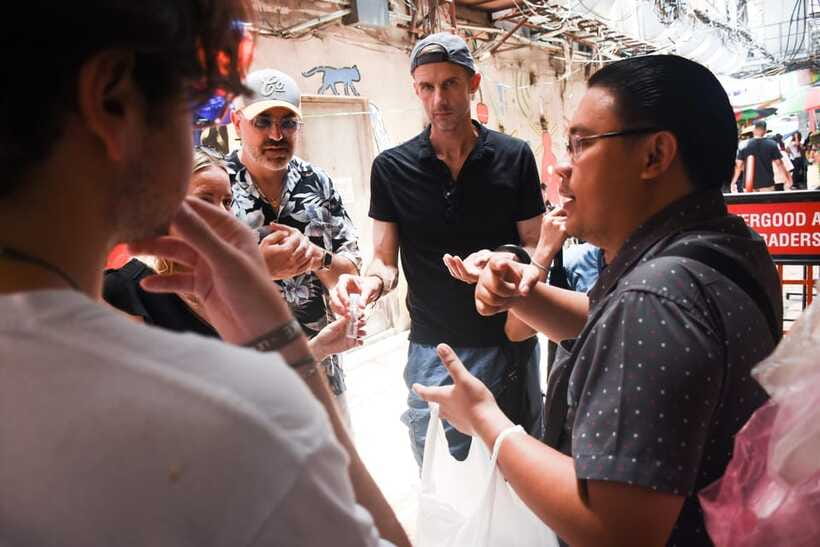
The dim sum stop continues the Chinese side of the food story. This is presented as a respected destination for classic dim sum, with the emphasis on traditional preparation and careful cooking.
You should expect another substantial tasting rather than a tiny sample. The tour is built for people who want a full food experience, and the portions can add up quickly. If you are traveling with a partner, sharing may make it easier to sample everything.
This is also a good point to ask your guide questions. Jian is praised for combining local and cultural stories with the food, while Chloe and Nel are described as friendly hosts who keep the group comfortable. The guides are not only there to carry you from one address to the next. They help explain what makes each stop worth your time.
The route’s small streets are part of the pleasure here. You may pass through alleys that you would not think to enter alone. That does not make the tour an adventure walk in the usual sense, but it does give you a more grounded view of Binondo than a stop at one famous restaurant would.
Ending with hopia at a historic bakery
The final food stop is a bakery known for hopia. These flaky pastries come in several flavors and bring the tour to a sweet finish.
Hopia is strongly associated with Chinese-Filipino baking, so this stop neatly closes the food story. After lumpia, dumplings, noodles, and dim sum, the bakery shows how the same cultural exchange appears in sweets and everyday snacks.
There is also a practical wrinkle. The hopia may be offered partly as a take-home dessert, and one person felt that this was unnecessary because the group was already full. If you are staying in a hotel or have room in your bag, it can be a pleasant souvenir to eat later. If you are traveling light or are already stuffed, it may feel like one extra item to manage.
The bakery gives the route a clear ending, and then you walk back to Binondo Church. The tour does not include hotel transport, so you will arrange your own ride afterward.
What $60 buys you
The price is $60 per person. That is not a bargain-priced street-food crawl, so value depends on how much use you make of the guide and the number of tastings.
You are paying for a three-hour walking route, an English-speaking guide, and all food and drinks listed for the tour. The route includes six food stops, which makes the cost easier to justify if you are happy sampling several generous portions instead of paying for one restaurant meal.
The guide is the biggest part of the value. Without local help, you could visit Binondo and still miss the smaller eateries and side streets. A strong guide also makes the food easier to understand. Chloe, Nel, Jian, and Juan are praised for explaining the area, offering Manila suggestions, and making solo visitors and couples feel at ease.
The price is less appealing if you want a light snack walk. You may not finish every serving, and one person specifically suggested that the amount of food could support a lower price. I would book this for the access and explanations as much as for the meal itself.
How much walking and planning to expect
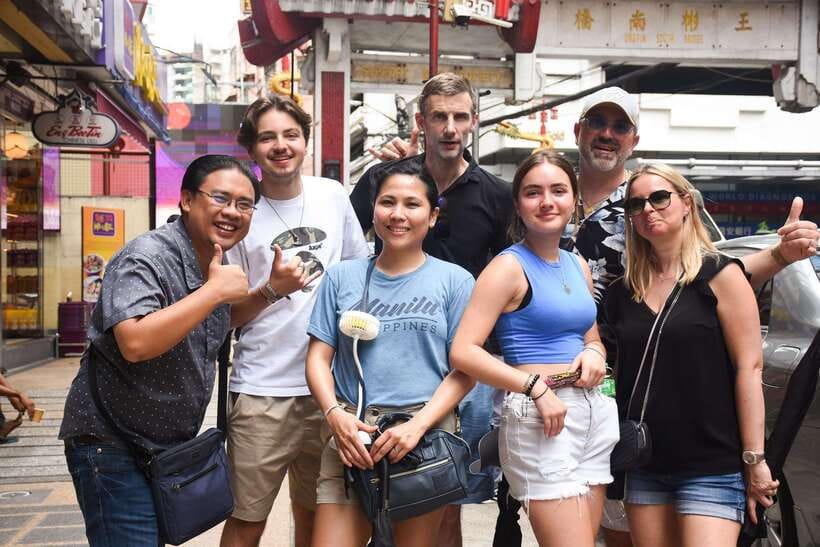
The activity lasts three hours and takes place on foot. Comfortable shoes are essential, since the route moves between the church, streets, alleys, restaurants, and bakery.
The tour runs rain or shine. Manila weather can change quickly, so bring suitable protection and avoid assuming that rain will cancel the walk. The supplied information does not list a weather alternative or indoor replacement.
Leave baby strollers, luggage, and large bags behind. Those items are not allowed, and crowded streets and narrow alleys would make them awkward even if they were permitted.
The tour is not suitable for wheelchair users. It is also not suitable for vegans or vegetarians. Those are firm planning points, not minor inconveniences, because the main value of the experience comes from eating the planned dishes.
The meeting point is easy to identify if you follow the instructions: Binondo Church lobby, near the candles. Grab is suggested as the local ride-hailing option for reaching the church.
The guides make the difference
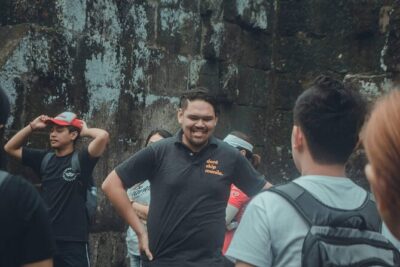
The experience appears to rely heavily on the person leading your group. Chloe is praised for clear explanations, Manila tips, and keeping couples comfortable. Nel is described as warm and welcoming, particularly for solo visitors, and as someone who helps guests feel safe in an unfamiliar area.
Jian is praised for adding cultural stories and interesting food facts. Juan is described as friendly, easygoing, and well prepared on the origins and development of the Chinese community in the Philippines.
You may not receive the same guide each day, so the tone can vary. That is normal for a walking tour. The good news is that several different guides are named positively, rather than the experience depending on only one person.
This also means you should use the walk as a conversation. Ask about the dishes, the neighborhood, and what else to eat in Manila. The guides are specifically noted for offering useful suggestions beyond the route.
Who should book this Binondo walk
I would recommend this to first-time visitors to Binondo who want structure and a full introduction rather than a single restaurant meal. It also suits solo visitors, since the guide helps with ordering, orientation, and the social side of joining a small food group.
Couples and small groups should enjoy it if they are willing to share. The quantity of food is a plus for hungry eaters, but it can be excessive for anyone who prefers small, carefully paced tastings.
This is not the right choice for vegetarians, vegans, wheelchair users, or anyone carrying luggage through Manila. It may also disappoint you if you want a relaxed seated lunch with long breaks. The route is active and food-focused, with several stops packed into three hours.
FAQ
Where does the Binondo food tour begin?
It begins at Binondo Church. Meet in the church lobby near the candles area.
Where does the tour finish?
The walk returns to Binondo Church after the bakery stop.
How long does the experience last?
The tour lasts three hours.
What language is the tour conducted in?
The live guide speaks English.
What food is included?
The tastings include fresh lumpia, handmade dumplings, mami, classic dim sum, and hopia from a local bakery. Food and drinks listed for the tour are included.
Is hotel pickup included?
No. You must make your own way to Binondo Church and arrange your own return transport.
Can I bring luggage or a large bag?
No. Luggage and large bags are not allowed on the tour.
Are baby strollers allowed?
No. Baby strollers are not allowed.
Is the tour suitable for vegetarians or vegans?
No. The tour is not suitable for vegetarians or vegans.
What should I bring?
Wear comfortable shoes. The tour takes place on foot and runs rain or shine. You can use the Grab app to reach the meeting point.
Can I cancel the booking?
You can cancel up to 24 hours in advance for a full refund. The reserve-now, pay-later option is also available.
Should you book it?
Book this tour if you want to understand Binondo through its food, enjoy generous servings, and prefer a local guide to lead you through small streets and lesser-known eateries. The dumplings, dim sum, and guide-led stories are the strongest reasons to go.
Skip it if you need vegetarian food, wheelchair access, or a light tasting menu. Also think twice if $60 feels high for food you may not finish. For most hungry visitors who want an organized first look at Manila’s Chinatown, the combination of six tastings, local guidance, and neighborhood context makes it a solid choice.
Just added in Manila
- From Manila: Villa Escudero Guided Tour★ 5.0 · 19 reviews
- Breathtaking Cultural Experience in Villa Escudero★ 4.5 · 15 reviews
- Manila Street food and Night Market Tour★ 4.7 · 21 reviews
- Solo Traveler Friendly Manila Walk w/ Mobile Photography★ 5.0 · 22 reviews
- Day hike to Mount Daraitan with Tinipak River 2024★ 5.0 · 22 reviews
- Makati Rooftop Barhopping with Local Guide★ 4.8 · 26 reviews
- Makati Rooftop and Hidden Bars Experience★ 4.9 · 30 reviews
- From Manila: 4-Day Sagada and Banaue Rice Terraces Tour★ 4.9 · 29 reviews
Intramuros Heritage Walks, compared.
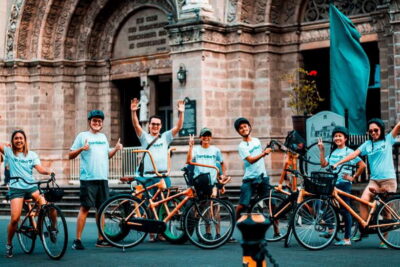
Intramuros, Manila: Historical Bamboo Bike Tour
Read our review →
Experience Intramuros with Bamboo Bicycle – Ecotours
Read our review →
Intramuros, Chinatown, and Old Manila Half-Day Tour
Read our review →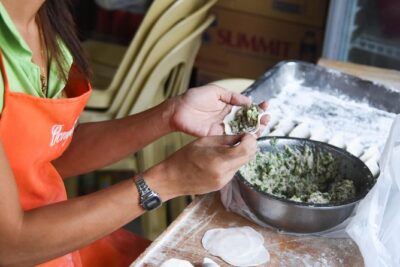
Manila Food Tour: Explore World’s Oldest Chinatown
Read our review →
Explore Intramuros: Introduction to Philippine History
Read our review →Browse the lists this tour appears in