
Reviewed · TOURS IN MANILA
Revolutionary Tour of Manila
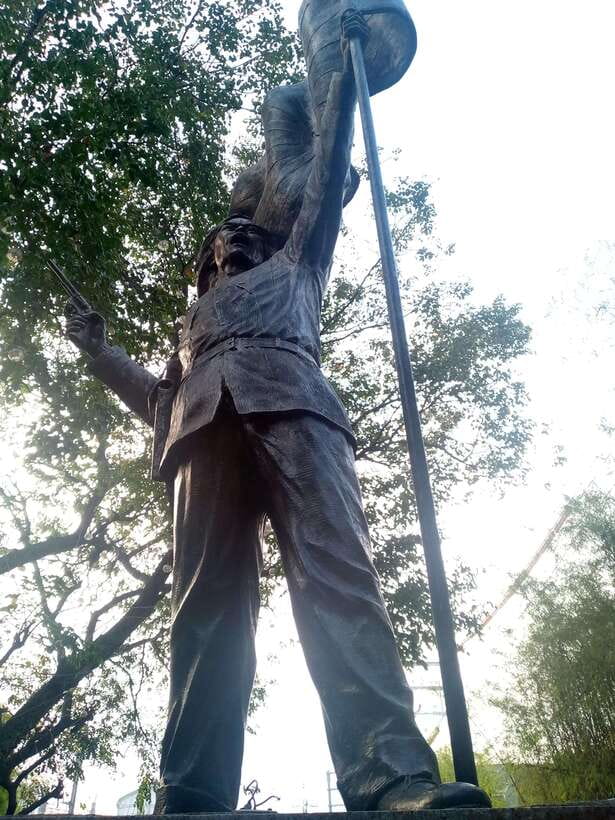
The most moving part of this tour is Fort Santiago, where the story of Philippine independence becomes painfully real. You see Dr. Jose Rizal’s last prison cell, walk through cramped dungeons, and visit the mass grave linked to about 600 Filipino and American civilian prisoners of war.
I like the clear route from Spanish rule to independence and the attention given to people often left out of the usual history lesson. I also like that the price includes entrance fees and transportation, useful in a hot, busy district where a guide can help you cover several sites without fuss.
The main caution is timing. A three-hour visit can shrink if Mass prevents entry to the Manila Cathedral or San Agustin Church, as happened on one booking. Check the church schedule if seeing the interiors matters most to you.
Key points to know before you go
- Fort Santiago carries the emotional weight: Allow about an hour for Rizal’s cell, the dungeons, and wartime memorials.
- The tour follows Manila’s fight for freedom: Expect discussion of pre-Hispanic society, Spanish rule, reformism, the Philippine-American War, and Japanese occupation.
- Two major churches add a political angle: The Manila Cathedral helps explain church and government power, while San Agustin Church shows how religious buildings survived repeated upheaval.
- Calle Real provides the sharp contrast: The former downtown of Intramuros is presented against its changed modern identity.
- Jerome earned special praise: One booking singled out Jerome for his English and German, and for making the included transportation enjoyable.
- Plan for heat and changing access: Wear shoes, use sunscreen or mosquito repellent, and remember that Mass may limit church visits.
Why Intramuros is the right place for this history lesson
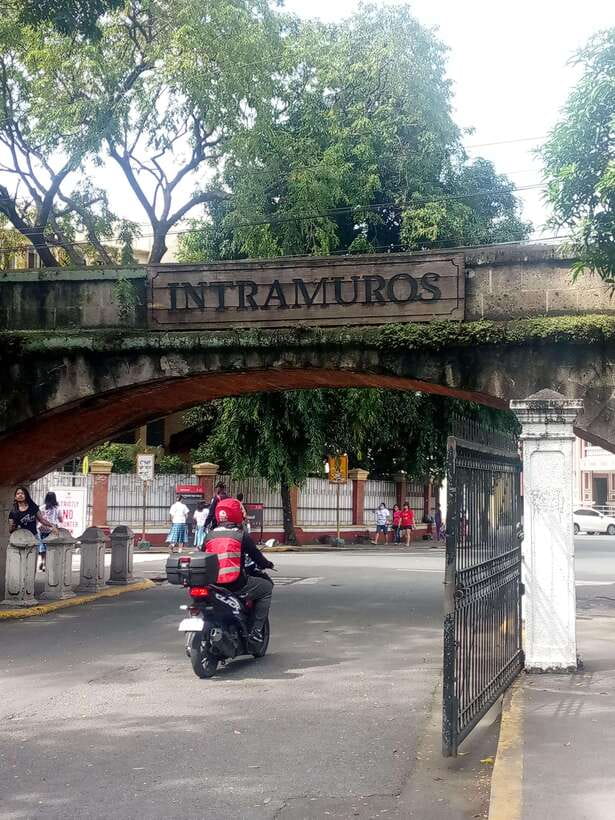
Intramuros is not simply a collection of old walls and churches. It is the part of Manila where several chapters of national history sit close together, often within a short walk.
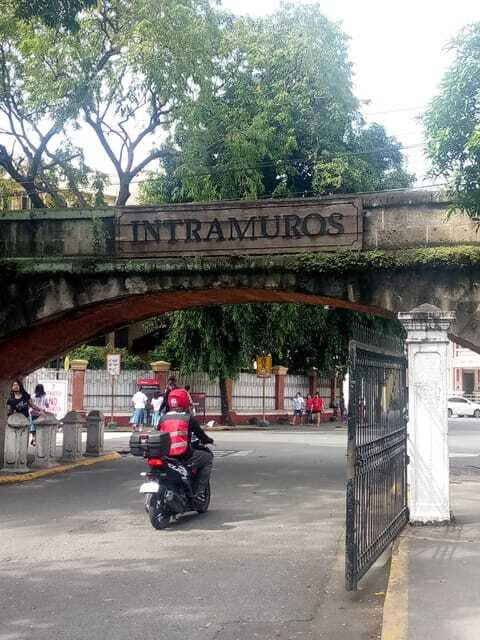
This tour begins at Fort Santiago Gate on 18 Sta. Clara Street. Look for the guide holding the tour poster. The route then moves through Fort Santiago, the Manila Cathedral, San Agustin Church, General Luna Street, and Calle Real before returning to Fort Santiago.
I like that sequence because it starts with personal sacrifice, widens into questions of power, and ends with a look at how the old center has changed. You are not just ticking off monuments. You are following an argument: Manila’s history was shaped by conquest, faith, reform, war, and the difficult work of building a nation.
The tour is priced at $60 per person and lasts three hours. That is not the cheapest way to see Intramuros, but the value depends on how much explanation you want. You receive a professional guide, admission, and transportation. If you tried to arrange separate entrances and transport, you would also lose time and miss the links between the sites.
Other trips people book in Manila:
- Intramuros, Manila: Historical Bamboo Bike Tour
★ 4.8 · 583 reviews - Experience Intramuros with Bamboo Bicycle – Ecotours
★ 5.0 · 508 reviews - Manila: Intramuros, Chinatown, and Old Manila Half-Day Tour
★ 4.8 · 475 reviews
Fort Santiago: Rizal, prison cells, and wartime suffering
Plan on spending about an hour at Fort Santiago, the main stop and the place where the tour’s emotional force is strongest.
The guide begins with a wide view of Philippine history, from the pre-Hispanic era through Spanish rule, reform movements, the revolution, and the Japanese occupation. That larger frame matters. Without it, Fort Santiago can feel like a series of stone walls and old rooms. With it, the site becomes a place where different generations faced foreign control and argued over what freedom should mean.
One focus is Dr. Jose Rizal, the writer and reformist whose ideas helped shape the national movement. You see the last prison cell where he was detained. The stop gives the tour a human scale. Instead of hearing only about political events, you are asked to consider what it meant for one person to face imprisonment and execution while his ideas helped influence the future nation.
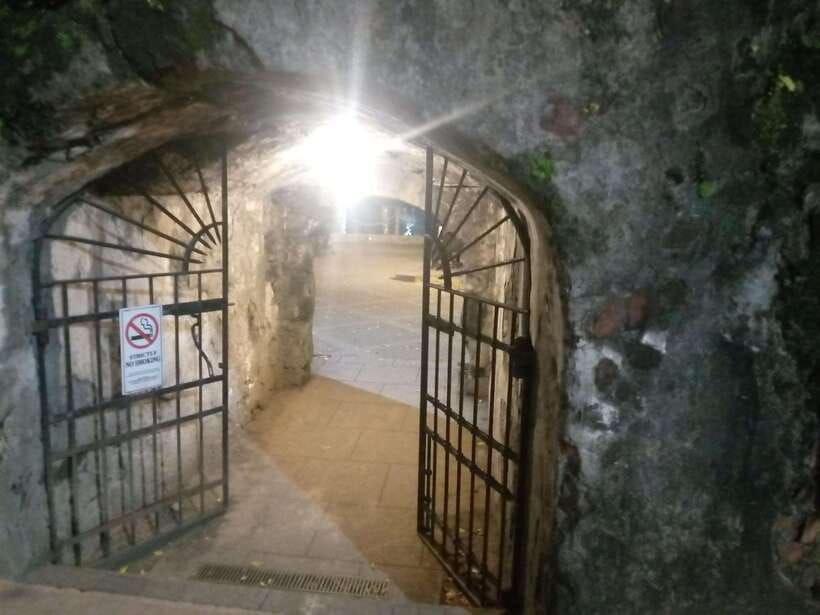
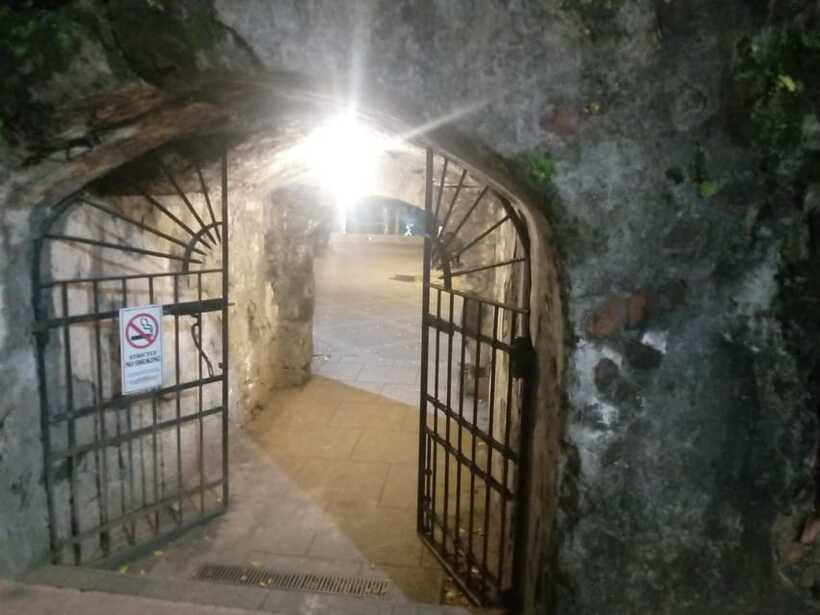
The dungeons are another serious part of the visit. The tour describes their lack of air and the harsh conditions inside. The wording about a thin supply of oxygen is not decorative. It points to the physical misery of a place designed to confine people, not to preserve their dignity.
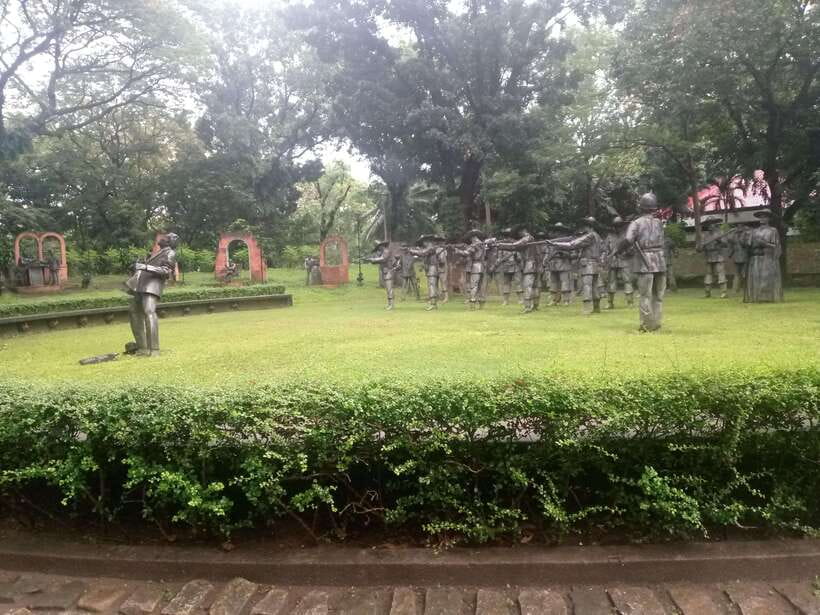
You also walk through chambers connected to the deaths of about 600 Filipino and American civilian prisoners of war. A mass grave serves as a place of remembrance. This section may feel heavy, but it is important. The tour does not limit the story to famous leaders. It gives space to civilians and other unsung patriots whose suffering is easier to overlook.
I would give Fort Santiago your full attention. The one-hour visit is not long if you pause at each section, listen to the explanations, and take in the contrast between the fortress setting and the human stories connected to it.
The Manila Cathedral and the struggle over power
The next stop is the Manila Cathedral, with about 30 minutes set aside for a guided visit.
Here the focus shifts from prison and war to the relationship between the church and government. That is a useful change of pace. Manila’s political history cannot be understood through military conflict alone. Religious institutions held major authority during Spanish rule, and the balance between church power and government power affected public life and national identity.
The cathedral gives the guide a place to explain that contest. You may hear less about individual battlefield events and more about institutions, authority, and the forces that shaped colonial society.
There is one practical concern: church access is not guaranteed. A Mass may prevent the group from entering, as happened during one tour. If that occurs, the guide may still explain the cathedral from outside, but the overall visit can be shorter than the advertised three hours.
That makes the timing of your booking worth considering. The activity information does not provide a fixed schedule of Masses, so you should check ahead if the cathedral interior is a priority. This is not a complaint about the site. It is simply how an active church works.
General Luna Street and the Philippine-American War
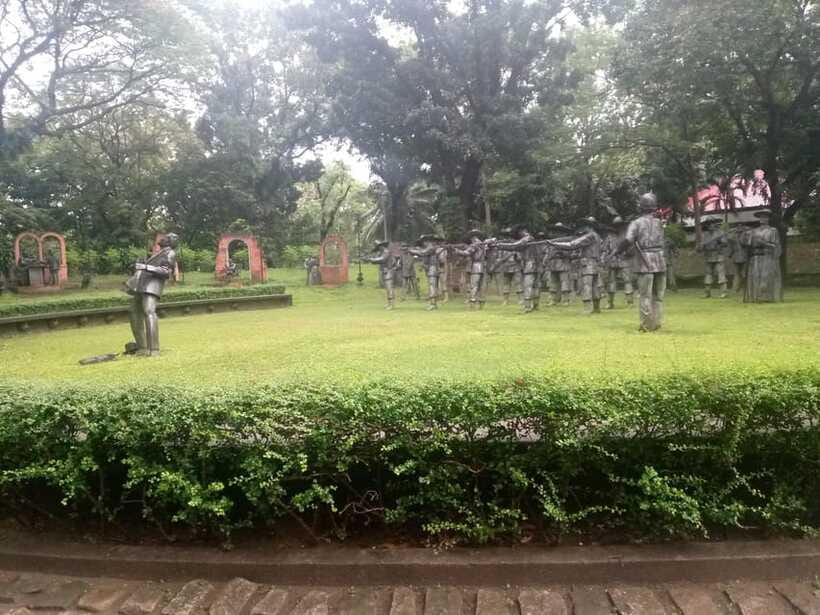
The walk along General Luna Street adds a different kind of history. Rather than remaining inside a single monument, you move through the old district while hearing stories of courage and sacrifice during the Philippine-American War.
This part is valuable because it connects the buildings to the streets around them. War and political change did not happen only in prisons, churches, or government rooms. They affected the entire city and the people who lived in it.
The route also helps explain why the word revolutionary cannot be limited to one uprising. The tour presents a longer trail toward freedom, beginning with earlier Filipino society, moving through Spanish control and reformism, and continuing through resistance to American rule and the Japanese occupation.
You should expect a guided explanation rather than a hands-on activity. The strength here is the context. If you already know Philippine history well, you may appreciate the emphasis on less celebrated figures. If the subject is new to you, the street walk helps connect the major periods in a logical way.
Same base, a different kind of day out:
- Manila: Old & New 4-Hour City Tour
★ 4.5 · 458 reviews - Spectacular Manila to Tagaytay: Full-Day Sightseeing Tour
★ 5.0 · 349 reviews - Makati Nightlife: VIP Access to Clubs, Rooftops & Go-Go Bars
★ 4.9 · 278 reviews - Discover Tagaytay’s Countryside: Half-Day Sightseeing Tour
★ 4.5 · 207 reviews
San Agustin Church and survival through changing eras
San Agustin Church receives another 30-minute guided visit. The emphasis is on its endurance through different periods of history.
That idea of survival makes San Agustin a useful companion to the cathedral. The Manila Cathedral stop focuses more on church and government power. San Agustin brings attention to how a religious building continued through upheaval and changing political control.
The visit is described as a chance to hear the church’s stories and take in its interior. Yet the same warning applies here: Mass can prevent entry. If the church is in use, your guide may need to adjust the visit, and your tour may finish sooner than planned.
I would not book this experience expecting a guaranteed, leisurely church tour. Book it for the full historical route, with the understanding that active religious services can alter the plan.
Calle Real: seeing old Intramuros in a new form
The final historical stop is Calle Real, once the main downtown area of Intramuros.
This is a fitting ending because it asks you to look at change rather than only preservation. Earlier stops focus on imprisonment, political authority, war, and religious survival. Calle Real lets you consider what happened to the former center of town and how different its present character is from its earlier role.
The tour presents the street as the opposite of its former identity. That contrast may be brief, but it gives you a useful way to read Intramuros after the guide leaves. You can look beyond restored walls and grand buildings and think about how city centers lose, regain, or change their importance.
The tour ends with drop-off options at Fort Santiago, including the original meeting point at 18 Sta. Clara Street. That makes it easy to continue exploring on foot if you still have energy, although the activity itself does not include a meal or drinks.
Guide language, transport, and pace
The tour is offered with a live guide in English or German. One particularly positive booking named Jerome and praised his English and German, his historical explanations, and the transportation provided during the experience. If Jerome is available for your date, his language skills may be especially useful for a bilingual group.
Transportation is included, but the provided details do not specify the vehicle type or how much of the route is covered by vehicle rather than on foot. Expect a mixture of guided walking and transfers between locations. Wear comfortable shoes and bring water, since the tour includes outdoor movement in Manila’s heat.
The activity is listed as wheelchair accessible. Still, the historic setting may involve surfaces and spaces that feel less smooth than a modern museum. If you use a wheelchair, confirm the exact route and access arrangements before booking, especially for the dungeons and church interiors.
A separate entrance is provided to skip the regular line. That can help in a popular historic district, though it does not override Mass schedules or other access limits.
Who will get the most from this $60 tour?
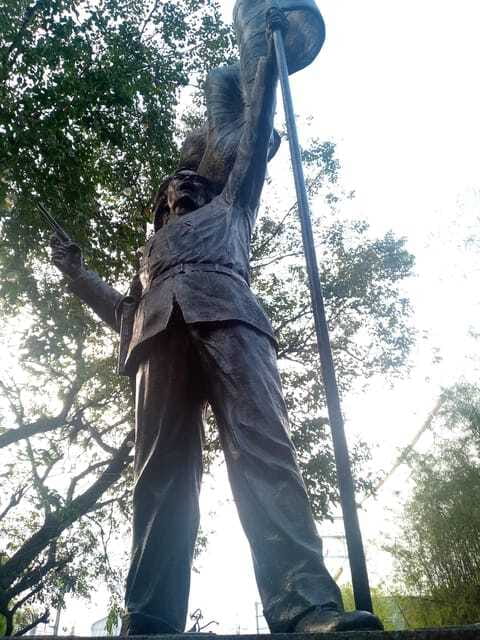
I think the tour suits you best if you want a guided introduction to Philippine history rather than a quick photo stop at Intramuros. You will get the most from it if you enjoy political stories, memorial sites, and explanations of how colonial rule shaped the road to independence.
It is also a good choice for first-time visitors to Manila who want the main historic sites connected in one outing. The guide’s route saves you from working out how Fort Santiago, the cathedral, San Agustin Church, General Luna Street, and Calle Real fit together.
The tour may be less suitable if you want a slow, architecture-focused visit. Three hours is enough for a strong overview, but not enough for long independent exploration at every stop. It may also disappoint if your main goal is guaranteed access to both churches, since Mass can change the plan.
At $60, I see fair value in the combination of a guide, admissions, and transportation. The price is easier to justify if you want historical interpretation and a structured route. If you only want to walk around Intramuros and read signs at your own pace, a self-guided visit may cost less, though you would miss the tour’s linked account of reform, revolution, war, and remembrance.
The experience has a rating of 4 from seven bookings, which fits the picture I would give you: strong historical content and good guiding, with access and timing issues that can affect the day. The most praised qualities are the detailed explanations, cultural context, transport, and Jerome’s English and German communication.
Practical advice for a smoother visit
Apply sunscreen before you arrive. Mosquito repellent is also recommended, especially if you are sensitive to bites.
Wear shoes rather than going barefoot, and do not bring alcohol or drugs. The tour does not include meals or drinks, so bring water or plan a drink before or after the three-hour route.
Arrive at Fort Santiago Gate and look for the guide’s tour poster. Since the same area is used for drop-off, the end of the tour is simple, but you should still allow time to find the correct gate at the start.
Free cancellation is available up to 24 hours before the activity for a full refund. You can also reserve now and pay later, which helps if your Manila schedule is still shifting.
Should you book the Revolutionary Tour of Manila?
Book it if you want the history behind Intramuros, not just its walls. Fort Santiago gives the tour its strongest moments, while the cathedral, San Agustin Church, General Luna Street, and Calle Real fill in the political and social setting.
Go in with realistic expectations about the churches. Mass may block entry and shorten the route, so check schedules if those interiors are essential. If you can accept that small risk, the three-hour plan offers a useful, well-connected introduction to Manila’s struggle for freedom at a reasonable price for a guided experience with admissions and transport.
FAQ
Where does the Revolutionary Tour of Manila begin?
The tour begins at Fort Santiago Gate on 18 Sta. Clara Street. Look for the guide holding the tour poster.
How long does the tour last?
The tour lasts three hours. Fort Santiago takes about one hour, while the Manila Cathedral and San Agustin Church each receive about 30 minutes of guided time.
What places does the tour visit?
The route includes Fort Santiago, the Manila Cathedral, San Agustin Church, General Luna Street, and Calle Real. The tour returns to Fort Santiago for drop-off.
Is transportation included?
Yes. Transportation is included along with a professional guide and entrance fees. The specific type of vehicle is not stated.
Is the tour available in English or German?
Yes. The live guide is available in English or German. A guide named Jerome was specifically praised for speaking both languages well.
Can I cancel or pay later?
You can cancel up to 24 hours before the tour for a full refund. Reserve now and pay later is also available.
Just added in Manila
- Private Tour: Tagaytay Midlands & Taal Volcano Boat Ride★ 4.5 · 15 reviews
- Tagaytay Adventure: Volcano Views, Countryside, Market & Cruise!★ 4.5 · 14 reviews
- 3 Days Private Tour in Banaue Ifugao visiting Batad Rice Terraces★ 3.5 · 3 reviews
- Tagaytay + Hidden Valley Springs: A Scenic Escape w/ Transfers★ 4.0 · 4 reviews
- Unforgettable Manila Fishing Village Day Excursion 2024★ 5.0 · 4 reviews
- Tagaytay Day Tour sightseeing with Panoramic Taal volcano view★ 5.0 · 6 reviews
- 5 Days Sagada Banaue Batad Discovery (PRIVATE GROUP TOUR Max 6 Travellers)★ 5.0 · 16 reviews
- Shared Old Manila Tour★ 5.0 · 5 reviews
Tours in Manila, compared.

Intramuros, Manila: Historical Bamboo Bike Tour
Read our review →
Experience Intramuros with Bamboo Bicycle – Ecotours
Read our review →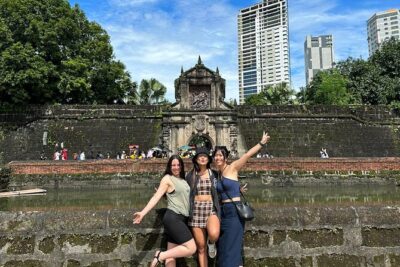
Intramuros, Chinatown, and Old Manila Half-Day Tour
Read our review →
Spectacular Manila to Tagaytay: Full-Day Sightseeing Tour
Read our review →
Makati Nightlife: VIP Access to Clubs, Rooftops & Go-Go Bars
Read our review →
Discover Tagaytay’s Countryside: Half-Day Sightseeing Tour
Read our review →
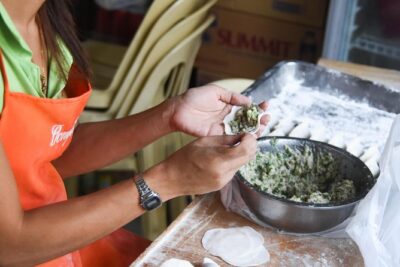
Manila Food Tour: Explore World’s Oldest Chinatown
Read our review →Browse the lists this tour appears in