
Reviewed · TOURS IN MANILA
indigenous Forest experience Manila 2023
The most memorable part of this day is not simply walking through forest. It is meeting the Aeta people of the Binictican Hills and seeing how local plants, bamboo, and basic forest skills remain part of daily life. An Aeta guide leads the practical side of the visit, including plant uses, survival methods, and lunch prepared with bamboo.
I like the personal scale, with groups limited to 15, and I like the small details that turn a nature outing into a cultural visit. Guides Eddie and Ricky have been praised for answering questions and pointing out plants with medicinal uses. The main drawback is the long day from Manila and the fairly active forest walk, so this is not a soft, sit-back excursion.
Key points to know before booking
- Aeta community visit: Meet an Indigenous community connected to the Binictican Hills and learn about daily life in the forest.
- Pamulaklakin Forest Trail: Spend about three hours on the trail, with admission included.
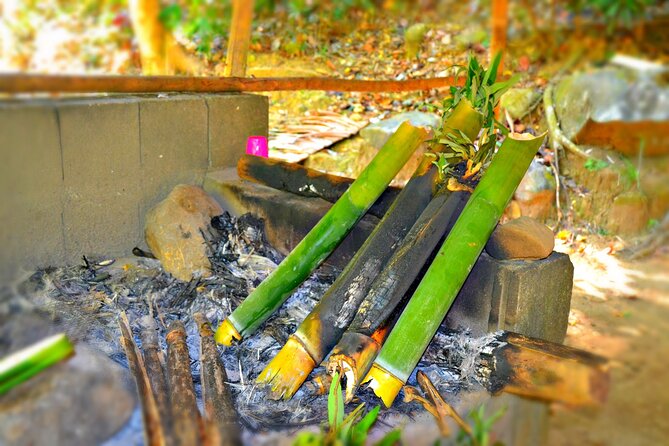
- Bamboo-cooked lunch: Eat a traditional meal prepared inside bamboo, with bamboo cups or other small items sometimes made on the spot.
- Small-group setting: The group limit is 15, giving you more room to ask questions and follow demonstrations.
- Manila pickup: Transfers are offered from select parts of Manila in an air-conditioned vehicle.
- Weather matters: Poor conditions can lead to a new date or a full refund, and a minimum group size is required.
From Manila to the Binictican Hills
This is a full-day outing, usually lasting 10 to 12 hours, with a 6:30 am start. That early departure matters. Subic Bay is outside Manila, and the time on the road makes this a serious day trip rather than a quick city add-on.
Pickup is available from select areas of Manila, and the vehicle is air-conditioned. That is a useful comfort on a long transfer, especially after several hours of walking. The exact pickup area is important, so check it before paying. A convenient transfer can make the difference between a manageable day and a tiring one.
I would plan a simple breakfast before leaving, since the tour begins early and the main meal comes later. Wear shoes suited to a forest trail, not city sandals. The walk is described as active, and one account specifically advises being prepared for it. You should also expect warmth, humidity, and uneven ground, even though the transport itself is comfortable.
The road time is part of the value calculation. At $160 per person, you are paying not only for the forest visit but also for a full day of transport, a guide, the included trail admission, and lunch. If you want a quick nature stop, the price may feel high. If you want a guided cultural visit without arranging transport from Manila yourself, it becomes easier to justify.
Other trips people book in Manila:
- Intramuros, Manila: Historical Bamboo Bike Tour
★ 4.8 · 583 reviews - Experience Intramuros with Bamboo Bicycle – Ecotours
★ 5.0 · 508 reviews - Manila: Intramuros, Chinatown, and Old Manila Half-Day Tour
★ 4.8 · 475 reviews
Meeting the Aeta community of Subic Bay
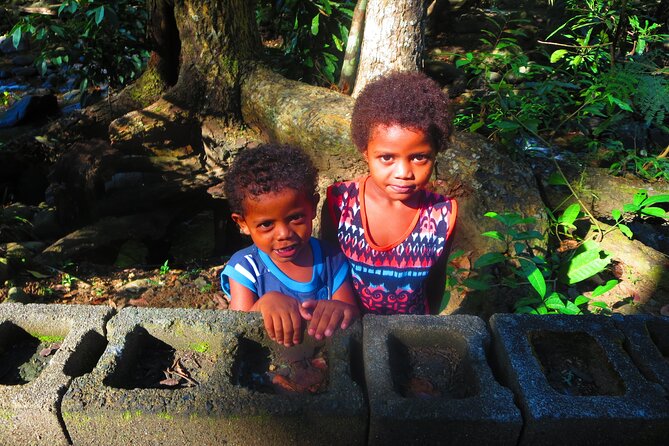
The Aeta people are Indigenous to the Philippines, and the community visited here lives in the Binictican Hills area of Subic Bay. The visit offers a direct way to learn about their relationship with the forest instead of simply looking at trees from a marked path.
The Aeta are known for their distinctive tightly curled hair and smaller stature compared with many other Filipino groups. Those physical details may catch your attention, but the stronger reason to visit is the chance to learn from their practical use of the forest. The experience focuses on what plants can do, how the surrounding area supports daily life, and how simple materials can be put to work.
A respectful attitude is essential. You are entering a community, not a theme park. Listen carefully, ask questions politely, and treat demonstrations and photographs with care. The available details do not specify a photography policy, so ask your guide before photographing people or private areas.
The tour is designed to be personal. With no more than 15 people, you are less likely to feel lost in a crowd, and you should have a better chance to hear the guide. That size also helps during demonstrations, where a large group could make it harder to see how a tool, plant, or bamboo item is being used.
Three hours on the Pamulaklakin Forest Trail
The Pamulaklakin Forest Trail is the main outdoor portion of the day, with about three hours allocated to the visit. It is located in one of the remaining rainforest areas around Subic Bay’s Binictican Hills, giving the outing a clear sense of place.
This is not just a green backdrop for photographs. The guide points out plants with medicinal value and explains how the Aeta use materials found nearby. That practical focus is what separates this outing from a standard forest stroll. You are encouraged to notice details that you could easily walk past on your own.
The trail portion can also be the most demanding. You should expect walking rather than a short roadside stop. The information provided does not give a distance, elevation gain, or exact trail surface, so you should not assume it is easy or fully paved. If you have mobility concerns, ask the provider for current trail conditions before booking.
Guides Eddie and Ricky have been singled out for being involved throughout the day, answering questions, and making the walk fun. Their approach appears to suit people who want conversation rather than a silent march through the trees. An Aeta guide also leads the cultural and plant-related portion, giving the visit a direct connection to the community.
Keep your attention on the guide during plant demonstrations. It is useful to learn which plants have medicinal uses, but that does not mean you should pick, taste, or apply anything yourself. The information is educational, not a substitute for medical advice.
Learning forest skills instead of just seeing them
A key feature is the demonstration of jungle survival skills. The supplied details do not list every skill, so I would not book this expecting a fixed menu of activities. The emphasis is on showing how the forest can provide useful materials and food-related tools through local knowledge.
This kind of demonstration gives context to the trail. A tree is no longer just a tree. Bamboo is not merely a tall plant beside the path. It becomes a material for cooking, cups, and other practical items. That shift in perspective is one of the best reasons to choose this outing.
The small group should help here. You can ask why a plant matters, how bamboo is prepared, or how the technique fits into everyday life. A large coach group would make such exchanges harder. The cap of 15 people is one of the tour’s strongest features for anyone who values direct contact.
Do not expect a museum-style lesson with displays and formal interpretation. The appeal is hands-on and local. You learn by walking, watching, asking, and eating. That may feel less polished than a conventional attraction, but it can also feel more genuine.
Same base, a different kind of day out:
- Manila: Old & New 4-Hour City Tour
★ 4.5 · 458 reviews - Spectacular Manila to Tagaytay: Full-Day Sightseeing Tour
★ 5.0 · 349 reviews - Makati Nightlife: VIP Access to Clubs, Rooftops & Go-Go Bars
★ 4.9 · 278 reviews - Discover Tagaytay’s Countryside: Half-Day Sightseeing Tour
★ 4.5 · 207 reviews
Bamboo lunch in the forest
Lunch is prepared traditionally inside bamboo, then served as part of the experience. This is more than a meal break. It shows how a familiar forest material can become part of cooking and dining.
The meal has received especially warm attention, and bamboo-made cups have been produced on the spot as small souvenirs. That detail adds a personal touch, though you should confirm current souvenir and customs rules before bringing bamboo items home. One person reported no quarantine problem returning with bamboo products, but rules can differ by country and change over time.
The available information does not provide a menu, so do not book this expecting a particular dish or a choice of meals. If you have allergies or dietary needs, ask the provider in advance. The tour description only confirms a traditionally prepared lunch, not special dietary arrangements.
I like the way lunch connects the cultural and forest parts of the day. You are not only being told how materials are used. You get to see the process linked to something practical and shared. It also creates a natural pause after the trail.
What the $160 price really covers
At $160 per person, this is not the cheapest way to spend a day near Manila. The value depends on what you would otherwise have to arrange yourself.
The price includes the guided community and forest visit, admission to the trail, transportation in an air-conditioned vehicle, and lunch. Transfers are free from select Manila areas, and the small group limit adds a level of attention that is harder to find on a large bus excursion.
You are also buying time and planning. Reaching Subic Bay independently would require arranging transport, finding the trail, and organizing a community visit with local guidance. Here, those parts are combined into one day. For a first visit to the Philippines, that convenience may be worth more than saving money on separate transport.
Still, the cost is harder to defend if your main goal is a short forest walk. The 10 to 12-hour schedule is long, and much of the day is likely tied to the journey between Manila and Subic Bay. I would choose it for cultural contact and guided interpretation, not simply for scenery.
Group discounts may be available, which could improve the value for families or friends. Ask how the discount applies before booking, since the supplied details do not state the size of the reduction.
Weather, timing, and the day’s flexibility
The experience requires good weather. If conditions make the outing unsafe or impractical, you are offered another date or a full refund. That policy is useful for a forest trip, where rain can affect paths and outdoor demonstrations.
A previous weather disruption led to changes in a related day of touring, with the guides helping the group see other sights. That suggests flexibility may be possible, but you should not assume the exact same plan will always be available. Ask what happens to the itinerary if heavy rain affects the forest portion.
You can cancel for a full refund up to 24 hours before the start time. Cancellations or changes made inside that window are not refunded or accepted. Cutoff times use local time in the Philippines, so keep that in mind if you are booking from abroad.
Confirmation is normally sent at booking. If you book within eight hours of departure, confirmation depends on availability and may arrive later. The experience also requires a minimum number of participants, so a cancellation for that reason may result in another date, another experience, or a full refund.
Who will enjoy this most
I would recommend this outing to you if you want a cultural experience with real time outdoors. It suits curious visitors who ask questions, enjoy learning how everyday materials are used, and do not mind giving a full day to a place outside Manila.
It is also a good match if you prefer a small group. The 15-person limit should make it easier to hear the guides and take part in demonstrations. People who value food as part of cultural learning will appreciate the bamboo lunch.
You may want to think twice if you dislike early starts, long road transfers, or forest walking. The tour is not described as a gentle sightseeing ride, and the three-hour trail portion could be tiring. It is also not the right choice if you want a tightly scripted schedule with a detailed menu and a fixed list of survival activities.
Most people can participate, according to the supplied information, but that is not the same as saying the trail is suitable for every physical condition. If you have concerns about walking, heat, uneven ground, or dietary needs, contact Yolo Travel Philippines before booking.
Should you book the Pamulaklakin Forest experience?
Book this day if you want to meet the Aeta community, learn how forest plants and bamboo are used, and share a meal connected to the place. The strongest parts are the small group, the direct guidance from Aeta hosts, the practical plant lessons, and the warm, involved approach associated with Eddie and Ricky.
Skip it if your priority is a short, inexpensive nature outing close to Manila. The $160 price and 10 to 12-hour schedule make sense only when you value the cultural exchange as much as the trail itself.
For the right person, this is a thoughtful way to see a side of the Philippines that a city tour cannot provide. Bring patience, sturdy footwear, and plenty of questions. The forest is the setting, but the people and their everyday knowledge are the reason to go.
FAQ
Where does the Indigenous Forest experience take place?
It takes place at the Pamulaklakin Forest Trail in the Binictican Hills area of Subic Bay, Olongapo, Philippines.
How long does the tour last?
The full experience lasts about 10 to 12 hours. The Pamulaklakin Forest Trail visit itself is scheduled for about three hours.
What time does the tour start?
The stated start time is 6:30 am.
Is pickup available from Manila?
Yes. Free transfers are offered from select areas of Manila. Check whether your accommodation falls within the pickup area before booking.
How many people can join the group?
The tour has a maximum of 15 participants.
Is lunch included?
Yes. The experience includes a traditionally prepared lunch made inside bamboo.
Is the trail admission included?
Yes. Admission to the Pamulaklakin Forest Trail is included.
What happens if bad weather cancels the tour?
If poor weather causes cancellation, you will be offered another date or a full refund. A cancellation caused by not meeting the minimum number of participants also offers another date or experience, or a full refund.
Just added in Manila
- Private Tour: Tagaytay Midlands & Taal Volcano Boat Ride★ 4.5 · 15 reviews
- Tagaytay Adventure: Volcano Views, Countryside, Market & Cruise!★ 4.5 · 14 reviews
- 3 Days Private Tour in Banaue Ifugao visiting Batad Rice Terraces★ 3.5 · 3 reviews
- Tagaytay Day Tour sightseeing with Panoramic Taal volcano view★ 5.0 · 6 reviews
- Tagaytay + Hidden Valley Springs: A Scenic Escape w/ Transfers★ 4.0 · 4 reviews
- Unforgettable Manila Fishing Village Day Excursion 2024★ 5.0 · 4 reviews
- 5 Days Sagada Banaue Batad Discovery (PRIVATE GROUP TOUR Max 6 Travellers)★ 5.0 · 16 reviews
- Shared Old Manila Tour★ 5.0 · 5 reviews
Tours in Manila, compared.

Intramuros, Manila: Historical Bamboo Bike Tour
Read our review →
Experience Intramuros with Bamboo Bicycle – Ecotours
Read our review →
Intramuros, Chinatown, and Old Manila Half-Day Tour
Read our review →
Spectacular Manila to Tagaytay: Full-Day Sightseeing Tour
Read our review →
Makati Nightlife: VIP Access to Clubs, Rooftops & Go-Go Bars
Read our review →
Discover Tagaytay’s Countryside: Half-Day Sightseeing Tour
Read our review →
Manila Food Tour: Explore World’s Oldest Chinatown
Read our review →Browse the lists this tour appears in