
Reviewed · HISTORICAL TOURS
Cebu: Heritage Half-Day Tour: Explore Historic Landmarks
Cebu’s story comes into focus around a few compact city blocks: a cross linked to Magellan’s 1521 arrival, the Philippines’ oldest Catholic church, a Spanish fort, and the country’s oldest street. This private half-day tour gives you a quick, useful introduction without making you arrange taxis between each stop.
I like the hotel pickup and drop-off across Cebu City, Mactan Island, and Lapu-Lapu City, and I like that the group is private rather than shared with strangers. The driver-guide can park close to the sites, which matters in Cebu’s busy center. The main drawback is time: with several major sights packed into a few hours, you’ll get an overview rather than a slow, detailed museum visit.
Key points to know before booking
- Magellan’s Cross and Santo Niño begin the story: See the small chapel linked to the 1521 arrival and the country’s oldest Roman Catholic church.
- Fort San Pedro adds a military chapter: Walk its stone walls, view cannons, and visit the small museum area.
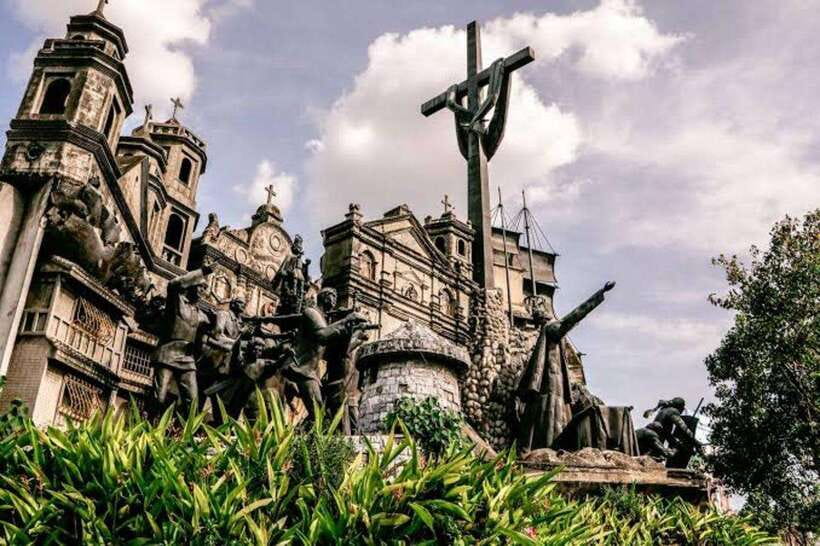
- The Heritage of Cebu Monument works as a visual history lesson: Its detailed scenes connect Cebu’s early, Spanish, and later eras.
- Colon Street brings the past into present-day Cebu: The country’s oldest street is still part of the city’s daily life.
- Private transport saves time: Pickup and drop-off are available in Cebu City, Mactan Island, and Lapu-Lapu City.
- The $74 price includes the practical extras: Entrance fees, bottled water, transport, and an English or Tagalog-speaking driver-guide are included.
Why this short Cebu tour works
Cebu is often treated as a beach gateway, especially by people staying on Mactan Island. Yet the city’s central district holds some of the most important places in Philippine history. This tour gives you a way to see them in one concentrated outing, with transport handled from the start.
I see the biggest benefit in the route’s range. You move from a religious symbol to a church, then to a fort, a sculpted history display, and an old commercial street. That variety helps you understand Cebu as more than a colonial stop. It shows how Spanish rule, Catholic devotion, local memory, and modern city life overlap.
The experience is described as a half-day tour, though the booking information lists a validity of one day. In practical terms, plan for a morning or another available starting time lasting several hours. Exact departure times depend on availability, so check the schedule before paying.
Because this is a private group, you are not tied to a large coach party. The driver-guide speaks English and Tagalog, and pickup is available from an area or hotel within Cebu City and the Mactan area. The service also includes drop-off in Cebu City, Mandaue City, or Lapu-Lapu City.
A few more things to do in Cebu worth a look
- The Original Cebu City Historical and Food Walking Tour
★ 4.5 · 81 reviews - Cebu: Exploring Cebu City’s rich history and Uphill Tour
★ 4.5 · 68 reviews - Cebu City: Historical Street and Food Tour
★ 4.9 · 31 reviews
Magellan’s Cross and the beginning of Cebu’s Spanish chapter
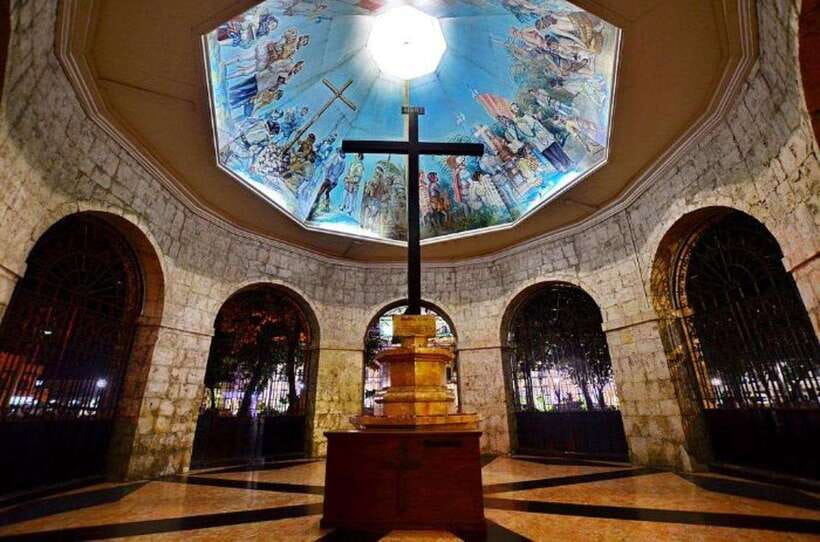
The usual first stop is Magellan’s Cross, a small chapel that holds a cross associated with Ferdinand Magellan’s arrival in Cebu in 1521. That moment is often presented as the beginning of Christianity in the Philippines, though the meaning of the site is larger than the object itself.
This is a good place to start because it introduces the meeting of European and Cebuano history. Magellan arrived during a period of local leadership and trade, not in an empty or isolated place. The cross became a symbol of the religious and political changes that followed.
You should expect a short visit rather than a long museum experience. The chapel is compact, so the value comes from hearing the explanation and understanding why the site matters. It also gives you an immediate sense of how much history is concentrated in Cebu’s old center.
A practical note: Magellan’s Cross and the Basilica del Santo Niño are close to one another, so this part of the tour feels connected rather than like two unrelated stops. Keep your camera ready for the exterior and interior details, but give the religious setting the respect you would give any active place of worship.
Inside the Basilica del Santo Niño
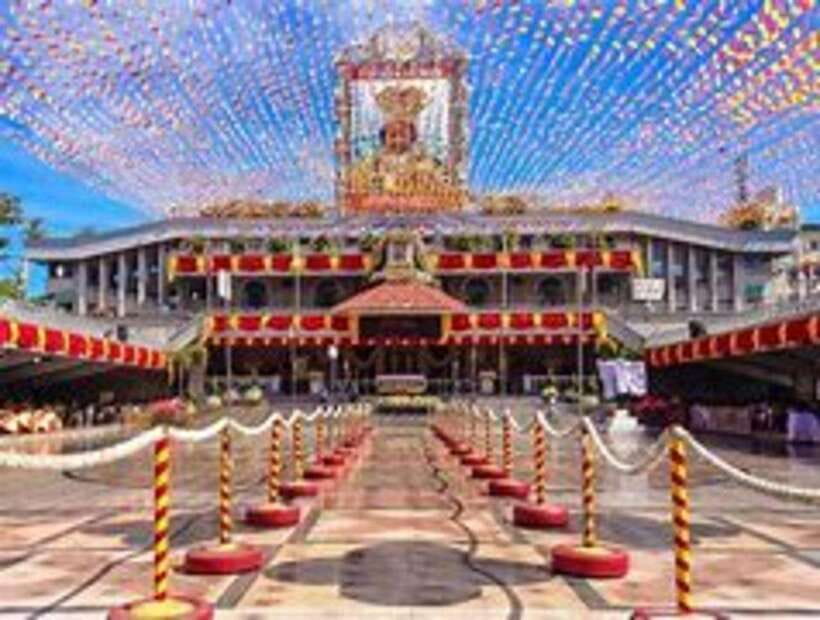
The Basilica Minore del Santo Niño de Cebu is described as the oldest Roman Catholic church in the Philippines. Its importance comes from both its age and the image of the Santo Niño, which Magellan is said to have given to Queen Juana of Cebu.
The church is not simply another old building on a sightseeing route. The Santo Niño remains a major religious relic, and the basilica continues to function as a sacred place. You can expect time for a guided visit, photographs where appropriate, and some free time. The listed visit here is about 30 minutes, so you will see the key areas without lingering for a full service or extended study.
I like this stop because it gives the tour a human and spiritual center. Forts and monuments can tell you what happened, but the basilica shows how those events remain part of daily faith. The contrast between the small Magellan’s Cross chapel and the larger church also helps you place the opening chapter of Cebu’s Catholic story.
Dress and behavior should suit a church visit. The supplied details do not specify a formal dress code, so check current local expectations if this matters to you. If you want quiet time for prayer or careful interior viewing, the short schedule may feel brisk.
Fort San Pedro and Cebu’s defensive past
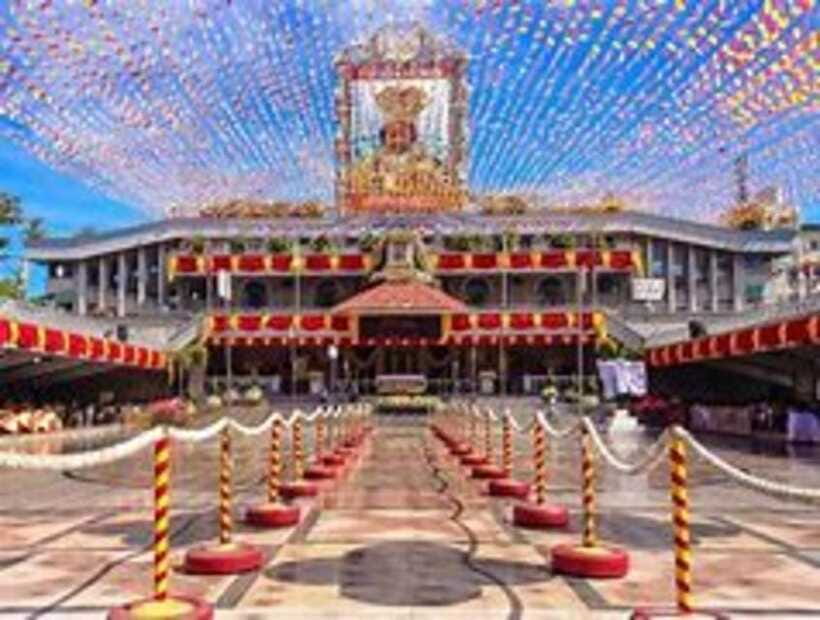
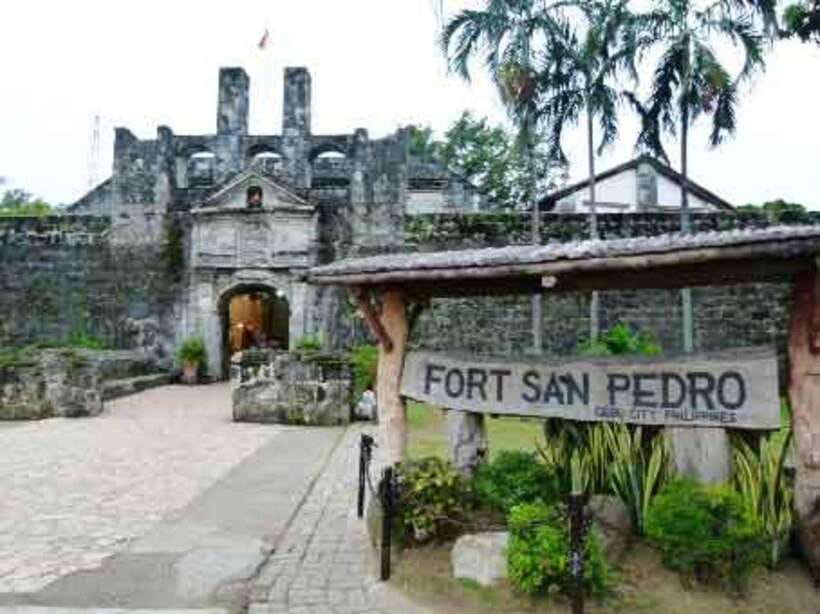
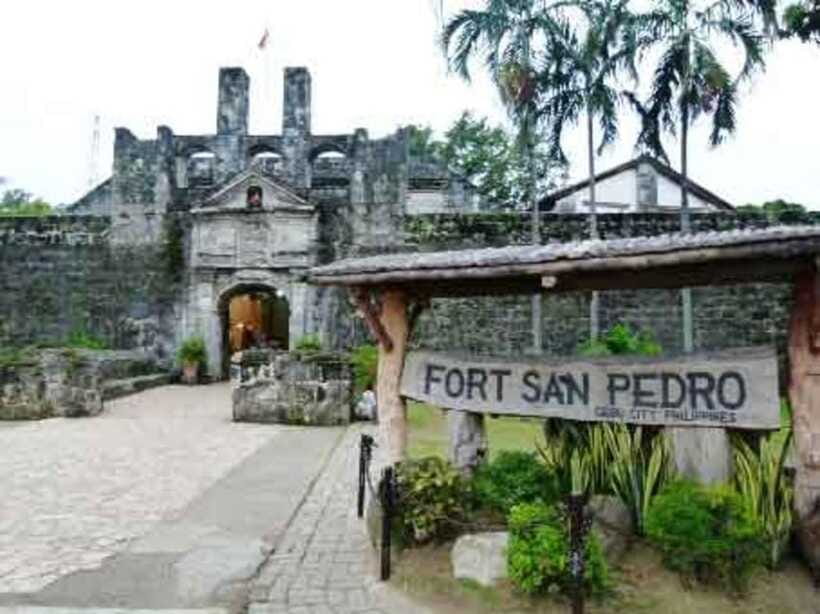
Fort San Pedro shifts the focus from religion to power and defense. It is one of the oldest military defense structures in the Philippines, built during the Spanish era. Its stone walls and cannons point to a period when Cebu’s harbor and settlement needed protection.
The fort visit includes sightseeing, walking, photographs, and free time. About 30 minutes is allocated here. That is enough to walk through the main area and take in the walls, but it is not enough for a slow reading of every display.
A museum area contains artifacts connected with Cebu’s past. This is useful if you want more than an outdoor photo stop. The objects and fort structure together show how colonial authority was defended and organized.
I would pay attention to scale. Fort San Pedro is not a vast European citadel. Its appeal is that it is compact and close to the center of Cebu’s older district. You can understand its layout quickly, then move on without losing half a day.
The walking is manageable based on the short visit description, but you are still moving between vehicle, fort, and other sites. Comfortable shoes will make the outing easier. The driver-guide’s ability to park close to each stop is especially helpful here, since it reduces unnecessary walking in a busy urban area.
Same base, a different kind of day out:
- Cebu City: Whale Shark Swimming & Kawasan Falls Canyoneering
★ 4.7 · 665 reviews - Cebu City: Bohol Countryside Tour with Loboc Cruise Lunch
★ 4.5 · 488 reviews - Canyoneering Experience in Kawasan Falls with Lunch
★ 5.0 · 440 reviews - Cebu: Oslob Whale Sharks, Tumalog Falls & Sardine Snorkeling
★ 4.3 · 343 reviews
The Heritage of Cebu Monument in carved scenes
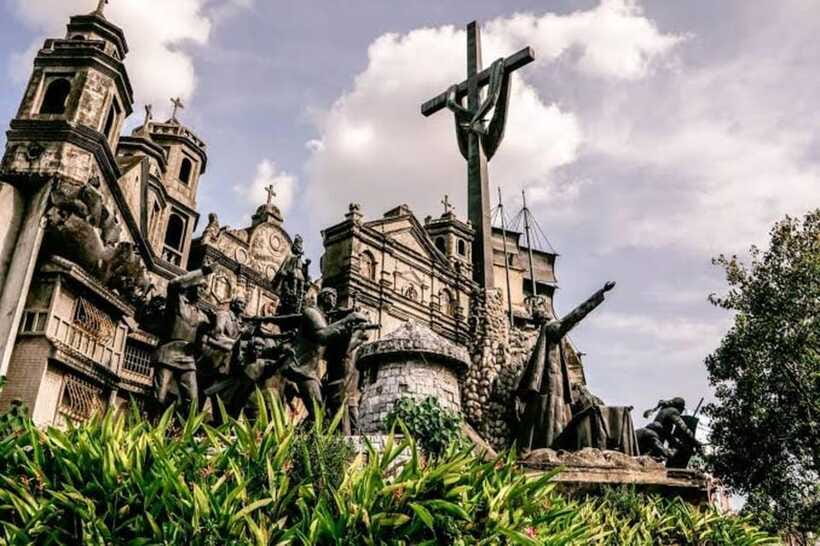
The Heritage of Cebu Monument is one of the tour’s more distinctive stops. Instead of presenting history through a single building or artifact, it uses a detailed sculpture to show key events that shaped Cebu.
The monument covers Cebu’s story from pre-colonial times through later periods. That makes it a useful visual aid, especially if you do not already know the sequence of events. Look for the way several scenes are brought together in one work. The result is less like reading a timeline and more like looking at a three-dimensional history panel.
The information provided for the tour groups this stop with the longer Cebu city portion, which lasts about an hour and includes a break, photographs, sightseeing, walking, and shopping. The exact time at the monument itself is not specified. That flexibility can be useful, since your driver-guide can help you focus on the main details without turning the visit into a lengthy lecture.
This stop is particularly good for first-time visitors who want context before seeing more of Cebu. At the same time, the sculpture is a summary, not a complete historical source. Treat it as an introduction that helps you recognize the major chapters, not as a substitute for a full museum visit.
Colon Street, where old Cebu meets the present
Colon Street is identified as the oldest street in the Philippines. Walking here changes the mood again. You are no longer looking at one preserved site. You are moving through a living city street where older buildings and newer establishments occupy the same urban space.
This is one of the most useful parts of the experience if you want to see Cebu beyond formal monuments. The street gives you a sense of continuity. History here is not fenced off from daily life. It is part of the same city where people shop, work, travel, and meet.
The tour includes free time, sightseeing, walking, and shopping during the wider Cebu portion. Do not expect Colon Street to look like a perfectly preserved historical lane. Its interest comes from the mix of old and new, not from a spotless period setting.
I would use this stop to notice the city’s scale and rhythm rather than rush through it for photographs. The tour does not promise a long shopping session, so keep purchases modest unless you know you have extra time. Your driver-guide can also help keep the stop practical before the return journey.
What the private vehicle changes
A private group is a meaningful part of the value here. Cebu’s historic core is compact on a map, but traffic and parking can make short distances slow. Having a driver-guide pick you up and bring you close to the sites cuts out the work of arranging separate rides.
Pickup is offered in Cebu City, Mactan Island, and Lapu-Lapu City. Drop-off options include Cebu, Mandaue City, and Lapu-Lapu City. This makes the tour useful on a day when you are changing hotels, staying near the airport area, or based across the water on Mactan Island, provided your exact location falls within the stated service area.
The guide drives and explains the places in English or Tagalog. No guide name is supplied, so you should not book expecting a particular named escort. The experience is also not presented as a large walking tour with a specialist historian. It is better understood as a private sightseeing service with historical interpretation along the way.
The ability to park close to each site is worth noting. One recent booking described the pickup as on time and said the vehicle reached parking areas close to the stops. Another booking found the driver able to pick up and drop off at the sites as needed. That flexibility can make the route feel less tiring, though traffic conditions can always affect Cebu travel.
Is $74 a fair price?
At $74 per person, the tour is not the cheapest way to see Cebu’s central landmarks. Its value depends heavily on how many people are in your private group and where you are staying.
The price includes hotel pickup and drop-off, an English or Tagalog-speaking driver-guide, all entrance fees, and bottled water. Those inclusions remove several small costs that can add up. More important, you are paying for private transport across a busy city and for a route that joins several major sites in one outing.
For one person or a small group, the price may feel high compared with visiting individual sites independently. For a private group splitting the cost, it can make more sense, especially if you are staying in Mactan or Lapu-Lapu City and want direct transport into Cebu’s historic center.
The tour also offers free cancellation up to 24 hours before the start time and a reserve-now, pay-later option. These terms help if your Cebu plans are still moving around. Confirm the pickup area and start time before booking, since the schedule is based on availability.
Who should book this experience?
I would recommend this tour to a first-time Cebu visitor who wants the main historic sights explained in one compact outing. It suits you if you prefer a private vehicle, want hotel pickup, or are staying outside central Cebu and do not want to arrange several rides.
It also works well for people with only part of a day available. The route gives you religious, military, artistic, and street-level views of the city. You will leave with a clearer picture of why Cebu matters in Philippine history.
You may want a different plan if you prefer slow museum visits, long church stops, or extensive time at each landmark. The schedule is designed for coverage. You will see the key places, but you should not expect a specialist lecture or a full-day historical study.
Should you book the Cebu heritage tour?
Book it if you want an efficient private introduction to Cebu’s old center, with transportation and entry fees handled in advance. The strongest features are the compact route, close parking, pickup across Cebu and Mactan, and the mix of sites from Magellan’s Cross to Colon Street.
Skip it if your priority is unhurried exploration or if you are comfortable arranging local transport on your own. At $74 per person, the value lies in convenience and private service rather than a long guided program. For a short first look at Cebu’s past, it is a sensible choice.
FAQ
How long does the Cebu heritage tour last?
It is presented as a half-day tour, with the booking information showing a one-day validity period. Starting times depend on availability.
Where can pickup take place?
Pickup is available from areas or hotels within Cebu City, Mactan Island, and Lapu-Lapu City.
Where can I be dropped off?
Drop-off options include Cebu, Mandaue City, and Lapu-Lapu City.
Is the tour private?
Yes. The experience is arranged for a private group rather than a shared group.
What languages does the driver-guide speak?
The driver-guide speaks English and Tagalog.
Are entrance fees included?
Yes. All entrance fees are included in the price.
Is bottled water provided?
Yes. Bottled water is included.
Can I cancel for a full refund?
You can cancel up to 24 hours in advance for a full refund. The tour also offers a reserve-now, pay-later option.
Just added in Cebu
- Whale Shark Watching & Tumalog Falls & Kawasan Falls★ 5.0 · 16 reviews
- Whale Shark Watching with Sumilon Sandbar and Kawasan Falls Tour★ 5.0 · 8 reviews
- Full Day Shark Watching and Canyoneering in Cebu★ 5.0 · 15 reviews
- Whale Shark Watching and Sumilon Sandbar Private Tour Package★ 5.0 · 17 reviews
- Half day tour with Snorkel at Sancturary and Sulpa island★ 5.0 · 3 reviews
- Cebu Whale Shark Encounter, Moalboal Sardines & Tumalog Falls★ 4.0 · 18 reviews
- Bohol Chocolate Hills & Tarsiers with roundtrip ferry from Cebu★ 5.0 · 7 reviews
- Transfer Cebu City – Bantayan Island★ 3.5 · 4 reviews
Historical Tours, compared.
Intramuros, Manila: Historical Bamboo Bike Tour
Read our review →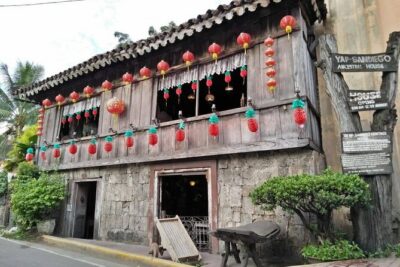
The Original Cebu City Historical and Food Walking Tour
Read our review →
Explore Intramuros: Introduction to Philippine History
Read our review →
Experience Manila’s Heritage: Intramuros & More in Half a Day!
Read our review →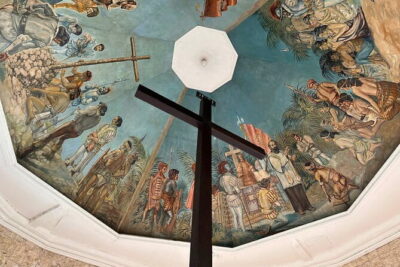
Exploring Cebu City’s rich history and Uphill Tour
Read our review →
Browse the lists this tour appears in