
Reviewed · HISTORICAL TOURS
BEST OF CEBU: Cebu City Heritage with Uphill Tour | Joiners
Cebu’s best surprise may be how quickly the city shifts from Spanish-era churches and stone defenses to cooler hill roads and broad city views. This 4 to 5-hour trip connects those two sides without making you arrange several rides.
I like the strong mix of history and scenery, especially the 17th-century Yap-Sandiego Ancestral House and the Taoist Temple’s hillside setting. I also like the small maximum group of 10, air-conditioned transport, bottled water, and entrance fees included.
The main drawback is traffic. Cebu’s roads can stretch a short route into a slow one, and the Temple of Leah or Sirao Flower Garden may feel too polished or tourist-focused if you prefer quiet historic sites.
Key points at a glance
- Two very different Cebus in one morning: See the old city center, then climb toward Taoist Temple, Sirao, and Temple of Leah.
- A useful first-day introduction: The route covers major landmarks, churches, monuments, and hilltop attractions in a single outing.
- The Yap-Sandiego house is the historic highlight: Its Spanish and Chinese design gives you a close look at domestic life from the 17th century.
- The best views come uphill: The Taoist Temple and the highland stops offer a welcome change from the crowded streets below.
- Rix, Tyler, and Olivier have led this route: Guide quality can shape the day, and the guides associated with this tour have been praised for humor, history, flexibility, and conversation.
- Dress properly for Santo Niño: Wear respectful clothing, since inappropriate dress can prevent entry to the basilica.
What this Cebu tour actually gives you
At $63.50 per person, this is not the cheapest way to see Cebu. It is a practical package for anyone who wants transport, a guide, admission charges, bottled water, and a souvenir handled in one booking.
The value lies in the route. Cebu’s older sights are spread around the city, while Sirao Flower Garden and Temple of Leah sit uphill. A taxi or ride-hailing car can take you to individual stops, but arranging the full circuit would take time and could become costly. Here, you can rest in an air-conditioned vehicle while the driver handles Cebu’s difficult traffic.
This is a joiner tour, with no more than 10 people. That is small enough to feel more personal than a large coach trip, though it is not a private tour. You should expect a shared pace and short visits rather than long, unhurried time at every site.
The experience works best as a first look at Cebu. It does not explore each place in great depth, but it gives you enough history, architecture, religion, and scenery to decide what deserves a longer return visit.
A few more things to do in Cebu worth a look
- The Original Cebu City Historical and Food Walking Tour
★ 4.5 · 81 reviews - Cebu: Exploring Cebu City’s rich history and Uphill Tour
★ 4.5 · 68 reviews - CEBU: Cebu City Heritage and Uphill Guided Tour
★ 4.2 · 31 reviews
Starting with Cebu’s carved history
The Cebu Heritage Monument is a compact outdoor display of sculpted scenes from Cebu’s past. Artist Eduardo Castrillo created the tableau, which brings together important figures and events in a single dramatic composition.
You have about 30 minutes here. That is enough to look closely, take photographs, and listen to an explanation of the scenes, but not enough for a long historical lecture. I like this opening because it gives you a frame for the rest of the morning. The churches, fort, cross, and ancestral house are easier to understand when you have first seen Cebu’s story presented in one place.
The monument is visual rather than quiet or contemplative. If you want a full account of Cebu’s colonial period, you will need more time elsewhere. Still, it is a sensible first stop and a good way to get your bearings.
Inside the Yap-Sandiego Ancestral House
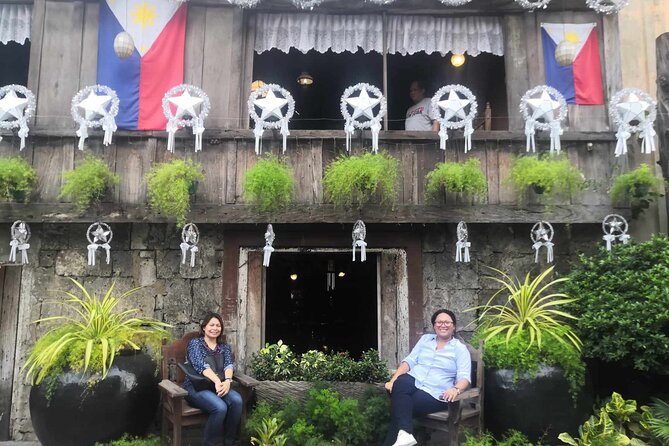
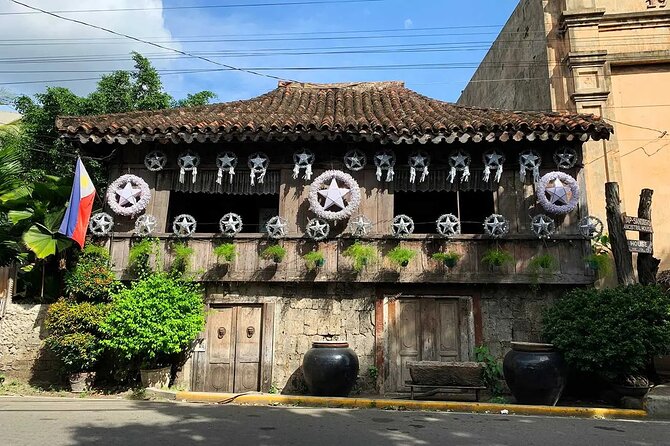
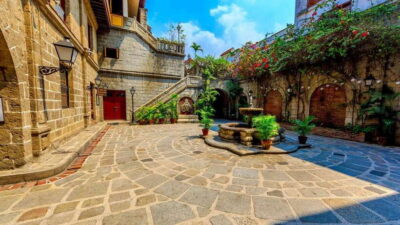
The Yap-Sandiego Ancestral House is one of the most rewarding stops because it feels more intimate than the city’s grand monuments. Built in the 17th century, the house reflects both Spanish and Chinese influence.
You can expect roughly 30 minutes inside. Look for the old furnishings and domestic details rather than only the building’s exterior. This is where the tour shifts from public history to everyday life. The house helps you picture how families lived, stored belongings, and arranged their space centuries ago.
I would give this stop your full attention. The visit is short, and the house offers a different kind of history from Fort San Pedro or Magellan’s Cross. It also gives the morning a human scale before the route returns to larger civic and religious landmarks.
Fort San Pedro and Cebu’s Spanish-era defenses
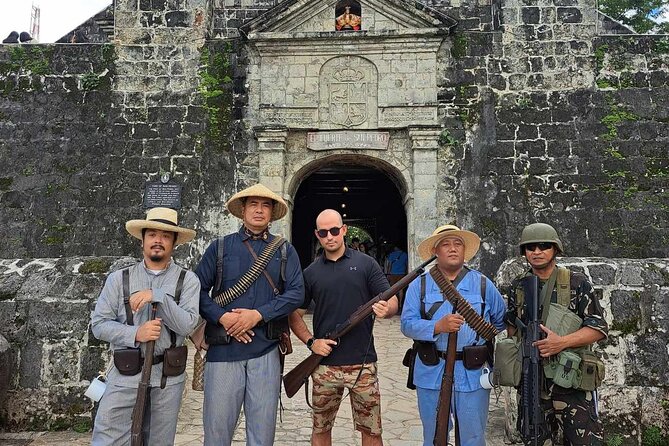
Fort San Pedro is a small, triangular stone fort built in 1738. It was created as a military defense structure during the Spanish colonial period and is described as the oldest and smallest fort in the Philippines.
The planned stop lasts about 30 minutes. That is enough to walk around the walls and central spaces without turning the visit into a full museum session. The fort’s compact size works well on a tight schedule, since you can understand its shape quickly.
I like the contrast here. The Yap-Sandiego house shows private life, while Fort San Pedro shows the defensive side of colonial Cebu. You also get a sense of how concentrated the old city is. Several important sites sit within the same general historic district, yet traffic can still affect how long it takes to move between them.
Same base, a different kind of day out:
- Cebu City: Whale Shark Swimming & Kawasan Falls Canyoneering
★ 4.7 · 665 reviews - Cebu City: Bohol Countryside Tour with Loboc Cruise Lunch
★ 4.5 · 488 reviews - Canyoneering Experience in Kawasan Falls with Lunch
★ 5.0 · 440 reviews - Cebu: Oslob Whale Sharks, Tumalog Falls & Sardine Snorkeling
★ 4.3 · 343 reviews
Magellan’s Cross and Santo Niño
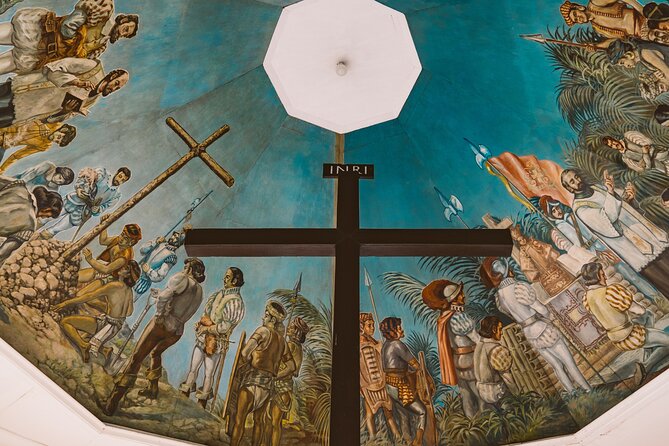
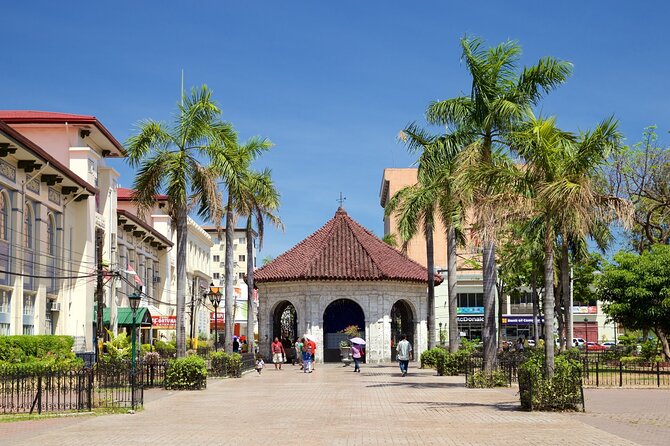
Magellan’s Cross marks the arrival of Portuguese explorer Ferdinand Magellan in 1521 and the introduction of Christianity to the Philippines. The cross is protected inside a small chapel, with the original cross enclosed within the display.
You have about 20 minutes here. This is a brief stop, but it carries major symbolic weight. Even if you are not visiting Cebu for religious reasons, it helps explain why Santo Niño devotion is so central to the city.
The nearby Basilica Minore del Santo Niño de Cebu receives about 30 minutes. Founded in 1565, it is the oldest Roman Catholic church in the Philippines and holds the revered Santo Niño de Cebu statue. The basilica combines Spanish colonial design with an active Catholic setting, so this is not simply an old building to photograph.
Dress respectfully for this part of the route. The tour information specifically warns that improper clothing may prevent entry to Santo Niño Church. I would choose covered shoulders and knees rather than risk missing the visit. The schedule is also tight, so keep in mind that a major service or crowd may change the feel of the stop.
Fuente Osmeña and the Cebu Capitol Building are also part of the city drive. Fuente Osmeña is a public park and landmark centered on a historic fountain and named for President Sergio Osmeña. The Cebu Capitol Building, inaugurated in 1938, has a neoclassical design with large columns and a dome. These are useful drive-by points, though the listed schedule does not give them a separate extended stop.
The Taoist Temple on the hillside
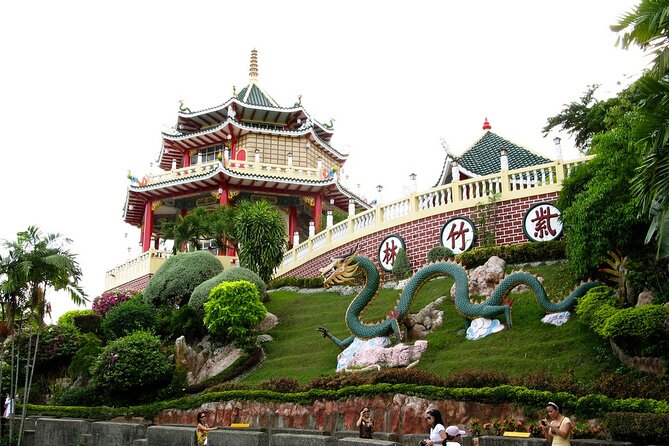
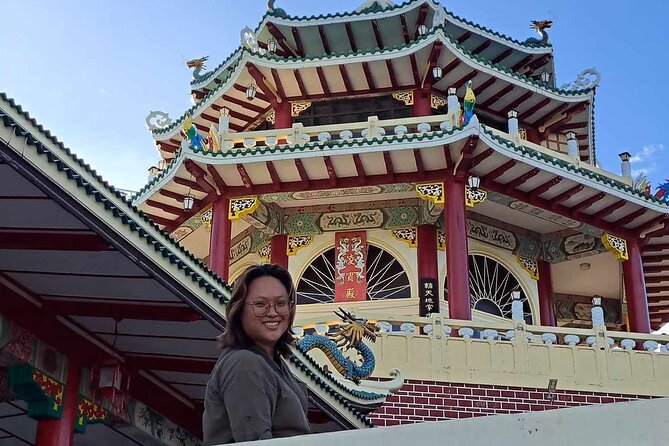
The Cebu Taoist Temple sits above the city and dates from 1972. Its design includes traditional Chinese details, gardens, and a replica of the Great Wall. The setting is as important as the building, since the hillside gives you a wider view back toward Cebu.
You have around 45 minutes here, the longest planned stop in the city portion. That extra time matters. You can look at the architecture, walk through the garden areas, and pause for the views instead of rushing through a quick photo stop.
This is one of the tour’s strongest contrasts. Within the same morning, you move from Spanish colonial churches to a Chinese religious site. It broadens your understanding of Cebu’s cultural mix without requiring a separate excursion.
Access can be affected by closure. One recent outing found the Taoist Temple unavailable, so you should treat this stop as an important possibility rather than an absolute guarantee. If it is open, allow yourself time to appreciate the calm hillside setting. If it is closed, the tour may need to adjust the schedule.
Sirao Flower Garden and the highland roads
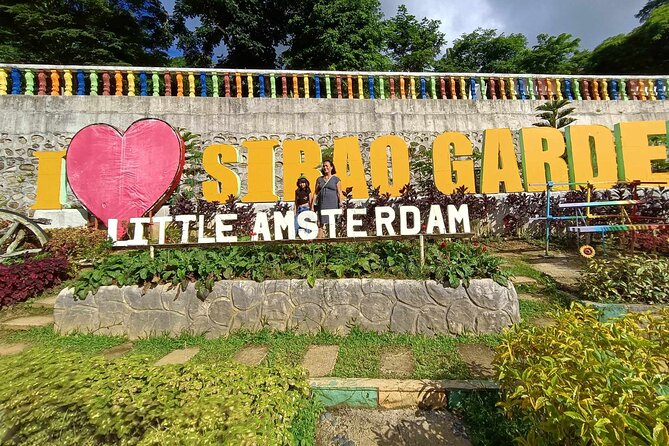
Sirao Flower Garden is known as Little Amsterdam because of its flower displays and Dutch-style windmill imagery. It sits in the mountainous part of Cebu and is designed for photographs.
The stop lasts about 30 minutes. You will have time to walk through the display areas, take pictures among celosia and other flowers, and enjoy the change in temperature and scenery. The highland air can feel like a relief after the city center.
I would set your expectations correctly. This is a purpose-built photo attraction, not a traditional botanical garden. Some displays may look dated, and the windmill theme can feel more manufactured than local. If you enjoy colorful backdrops and quick photographs, it earns its place. If you want a quiet garden with native plants, it may be the least satisfying stop.
Still, Sirao adds variety. A morning of monuments and churches can become visually repetitive, and this garden breaks it up with flowers, open views, and a lighter mood.
Temple of Leah and the final hilltop view
Temple of Leah is a large tribute to love and devotion, built in 2012. Its design draws on ancient Roman architecture, with sculptures, columns, decorative halls, and personal mementos connected to the memorial.
You get around 30 minutes here. That is enough to take in the scale and main details, though not enough for a slow examination of every sculpture. The structure is theatrical and oversized. You can enjoy it as a grand architectural display, but it is not an ancient Roman ruin.
This stop divides opinion more than the historic sites. I think it works best if you like dramatic buildings, family memorials, and hilltop photography. If you prefer Cebu’s older religious and domestic buildings, you might feel the Temple of Leah takes time away from places such as the ancestral house.
The reward is the setting. From the hill, you can look across Cebu and toward other mountains. After the traffic and close quarters of the old city, the open views give the tour a pleasant finish.
Guides, driving, and the pace of the day
The guide can make a major difference on a compact route like this. Rix has been described as friendly, funny, flexible, and strong on historical explanations. Tyler has been praised for combining information with wit, while Olivier has been noted for his talkative style, cheerful personality, and singing.
Your assigned guide may be different, so I would not book solely for one particular person. The important point is that the tour depends on a guide who can explain the sites clearly while adjusting to traffic, closures, and the group’s pace.
The driver matters just as much. Cebu traffic can be heavy, especially around the city’s main roads and popular sites. A careful driver who knows how to move between stops can save time and reduce stress. You also get useful downtime in the van during the uphill portion, which is welcome after several short walks.
Because the tour lasts only 4 to 5 hours, you should expect an overview rather than long visits. The schedule includes many places, so bring your attention to the guide and avoid spending too much time on early photographs if you want to keep the later stops comfortable.
Who gets the best value from $63.50
I see the price as reasonable for a first-time visitor who wants a guided circuit. The fee includes an air-conditioned vehicle, entrance fees, bottled water, professional guide assistance, and a Cebu souvenir. You are paying for coordination as much as for admission.
The tour suits you if:
- You have only half a day for Cebu City.
- You want both historic downtown sites and hilltop attractions.
- You prefer a guide to explain what you are seeing.
- You are comfortable sharing transport with a group of up to 10.
- You want the main admissions and basic transport handled in advance.
- You are traveling alone and would appreciate a planned route and company.
It may not suit you if you want a private schedule, extended time inside each church, or a purely historic tour. Sirao and Temple of Leah are more photo-oriented, and traffic can reduce the time available at each stop.
The tour is available with pickup, and confirmation is provided when you book. Most people can participate, with no stated restrictions. Free cancellation applies when you cancel at least 24 hours before the local start time. Inside 24 hours, the amount paid is not refunded, and last-minute changes are not accepted.
Should you book this Cebu city and hill tour?
I would book it for a first Cebu visit, especially if you want one efficient morning that covers the old city, several religious landmarks, Chinese architecture, flower displays, and hilltop views.
The best reasons are the varied route, small group limit, included transport, and strong guide potential. The main cautions are traffic, short stop times, the chance of a site closure, and the polished feel of Sirao and Temple of Leah.
If the Yap-Sandiego house, Fort San Pedro, Santo Niño, and the Taoist Temple appeal to you, this is a useful introduction. If you already know Cebu’s central sights and prefer slow, detailed visits, spend your time on fewer places instead.
FAQ
How long does the tour last?
The tour lasts approximately 4 to 5 hours.
How much does the tour cost?
The price is $63.50 per person.
What is the maximum group size?
The tour has a maximum of 10 participants.
Is hotel pickup available?
Pickup is offered.
Are admission fees included?
Yes. All fees and taxes are included, along with admission to the Yap-Sandiego Ancestral House, Fort San Pedro, Sirao Flower Garden, and Temple of Leah.
Is transportation provided?
Yes. The tour uses an air-conditioned vehicle.
What should I wear for the Santo Niño Basilica visit?
You should follow a respectful dress code. Improper clothing may prevent you from entering Santo Niño Church.
What is the cancellation policy?
You can cancel at least 24 hours before the experience for a full refund. Cancellations or changes made less than 24 hours before the start time are not refunded or accepted.
Just added in Cebu
- Scuba Diver Course (PADI)★ 5.0 · 18 reviews
- Discover Scuba Diving★ 5.0 · 18 reviews
- Moalboal Sardines Run Private Tour w/ Transfers Option★ 5.0 · 22 reviews
- Cebu Historic and Views Tour Pickup Dropoff and Lunch (private)★ 5.0 · 26 reviews
- Cebu Highlands Tour (Tops,Taoist temple, Leah and sirao garden)★ 4.5 · 28 reviews
- Whale Shark, Canyoneering, Sardines Run and Turtles with Transpo★ 4.5 · 28 reviews
- Mactan and Cebu Twin City Tour with Lunch★ 4.8 · 24 reviews
- Mactan Island Hopping Gilutungan, Caohagan, Nalusuan + Lunch★ 3.6 · 27 reviews
Historical Tours, compared.

Intramuros, Manila: Historical Bamboo Bike Tour
Read our review →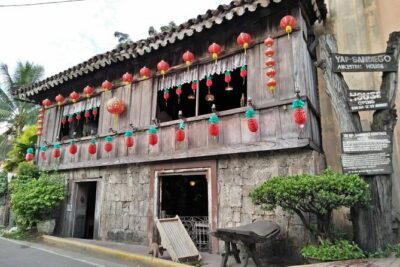
The Original Cebu City Historical and Food Walking Tour
Read our review →
Explore Intramuros: Introduction to Philippine History
Read our review →
Experience Manila’s Heritage: Intramuros & More in Half a Day!
Read our review →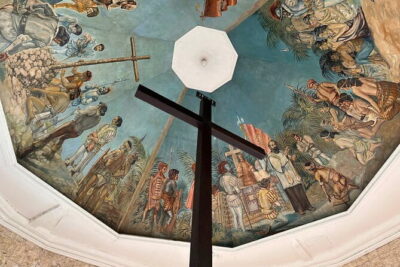
Exploring Cebu City’s rich history and Uphill Tour
Read our review →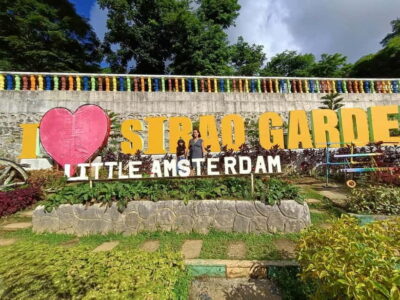
Browse the lists this tour appears in