
Reviewed · TOURS IN MANILA
Embark on a 7-Day Banaue-Sagada Adventure of a Lifetime
The most memorable part of this seven-day mountain trip is the steady move from Manila’s city traffic into the stone terraces and old villages of Ifugao, then onward to Sagada’s caves and waterfalls. You spend much of the week on foot, not just looking at the mountains from a roadside stop.
I like the way the route links several very different places: the Banaue and Batad terraces, Tappiyah Waterfalls, Sumaguing Cave, and Bomod-Ok Falls. I also like the small maximum group of 15, which should make mountain transfers and trail movement easier to manage. The catch is serious: you need to walk for six to eight hours a day on mountain trails, and the early 3:00 am start will test your enthusiasm before breakfast.
Key points to know before booking
- The Ifugao terraces are the heart of the trip: You hike through Banaue, Cambulo, Batad, and Bangaan rather than viewing the terraces only from a lookout.
- The fitness requirement is real: Several days include about six hours of walking, with the full experience requiring strong physical fitness.
- Sagada adds a different kind of adventure: You explore Sumaguing Cave, an underground stream, and the route to Bomod-Ok Falls.
- Meals cost extra: Prepare about 150 to 250 Philippine pesos per meal per person.
- The group is capped at 15 people: That is a useful limit for a demanding route through remote mountain areas.
- The price covers transport and fees, not food: At $1,300 per person, the value depends heavily on how much you value guided access and the amount of driving and trail planning handled for you.
Why this route is more than a rice terrace photo stop
Many trips to northern Luzon give you a quick view of the Banaue terraces, a photo, and a long drive onward. This one asks you to walk into the area. That changes the experience.
The terraces are not just green steps cut into a hillside. They are working agricultural systems built with stone, earth, water channels, and constant upkeep. The Ifugao knowledge behind them includes irrigation, masonry, and terrace repair. Walking among the fields lets you see how the terraces fit together, rather than treating them as a single scenic backdrop.
The route also gives you time in villages. Cambulo and Bangaan are not simply names on a map. They are part of the path, and reaching them on foot makes the distance and terrain meaningful. You should expect a trip shaped by hills, uneven paths, changing weather, and the daily rhythm of mountain communities.
That authenticity comes with a price. The walking is not a gentle sightseeing stroll. You need to be ready for long trail days, and the description specifically calls for above-average fitness. If you prefer short walks and comfortable road travel, this is the wrong choice.
Other trips people book in Manila:
- Intramuros, Manila: Historical Bamboo Bike Tour
★ 4.8 · 583 reviews - Experience Intramuros with Bamboo Bicycle – Ecotours
★ 5.0 · 508 reviews - Manila: Intramuros, Chinatown, and Old Manila Half-Day Tour
★ 4.8 · 475 reviews
Day 1: Banaue begins the mountain walking
The tour starts from Manila at 3:00 am, an unusually early departure that allows the group to make its way toward Banaue. The first scheduled activity is a three-hour visit involving the Banaue Rice Terraces.
Banaue is the natural opening chapter. The terraces show how people shaped steep ground for farming without turning the mountains into a modern construction site. Your guide can help connect the practical details, such as water flow and stone retaining walls, with the wider Ifugao way of life.
Three hours is enough to get an introduction and begin walking, but it is not a full survey of every terrace system in the region. The day also includes a long transfer from Manila, so you may feel the early start and road time by the end of it. I would treat Day 1 as both a cultural orientation and a warm-up for the harder hiking ahead.
Wear shoes with reliable grip from the first morning. You will be happier with a small day bag, water, sun protection, and clothing that can handle mud or rain.
Day 2: Four hours on foot to Cambulo
Day 2 takes you to Cambulo after breakfast, with about four hours of hiking. The day is listed as an eight-hour activity, so the walking is only part of the schedule. You should allow time for stops, meals, village exploration, and the slower pace that mountain trails demand.
Cambulo is known for terraces with a pyramid-like shape. The fields wrap around the terrain in a way that makes the village feel closely tied to the surrounding slopes. This is one of the stronger cultural parts of the route because you are not rushing from one viewpoint to another. You are walking through a place where farming and settlement are connected.
The free admission noted for this stop does not mean the day is without value. The main cost here is access, transport planning, and the guided route. Still, you should know that the $1,300 price does not cover meals, and food costs continue throughout the week.
Day 3: Tappiyah Waterfalls, Batad, and Bangaan
Day 3 is another eight-hour mountain day. In the morning, you hike about three hours to Tappiyah Waterfalls and spend time exploring Batad village and its terraces. After lunch, you walk another three hours toward Bangaan.
Batad is one of the most striking places on the route because its terraces form a dramatic bowl around the village. The setting gives you a strong sense of how much work went into shaping the slopes. Tappiyah adds a welcome change from stone walls and cultivated fields. The waterfall gives the day a clear destination, but reaching it still requires a proper hike.
The second walk to Bangaan means you do not simply return to a vehicle after the waterfall. You continue through the mountain country and finish at the final village of this section. That makes Day 3 one of the most demanding days, even though the listed walking time totals about six hours.
Lunch is not included, so carry enough water and plan to pay locally for meals. The supplied guidance suggests budgeting 150 to 250 pesos per meal per person. Exact food choices are not specified, so it is wise to keep expectations simple and practical.
Same base, a different kind of day out:
- Manila: Old & New 4-Hour City Tour
★ 4.5 · 458 reviews - Spectacular Manila to Tagaytay: Full-Day Sightseeing Tour
★ 5.0 · 349 reviews - Makati Nightlife: VIP Access to Clubs, Rooftops & Go-Go Bars
★ 4.9 · 278 reviews - Discover Tagaytay’s Countryside: Half-Day Sightseeing Tour
★ 4.5 · 207 reviews
Day 4: Sagada changes the mood
Day 4 shifts from the Ifugao terrace villages to Sagada in the Mountain Province. The scheduled Sagada visit lasts about three hours, giving you an introduction to a mountain town known for its unusual burial traditions, caves, and quieter pace.
After several days focused on terraces, Sagada offers a different cultural setting. Its appeal is not one single monument. It is the combination of highland scenery, local traditions, and the feeling of a small mountain community far from Manila. The drive from the terrace area also gives your legs a break, though this is not a full rest holiday.
You should not assume that Day 4 is effortless. The itinerary does not provide every transfer duration, and the entire trip involves substantial road travel. If you are tired by this point, use the day to recover sensibly rather than treating every spare moment as another chance to hike.
Some North Luzon programs connected with this operator have included optional side trips to places such as Mount Pinatubo and Baguio. Those additions are not part of the seven-day route described here, so ask before booking if you are considering extra stops. They may change the schedule and the physical demands.
Day 5: Sumaguing Cave requires confidence on rough ground
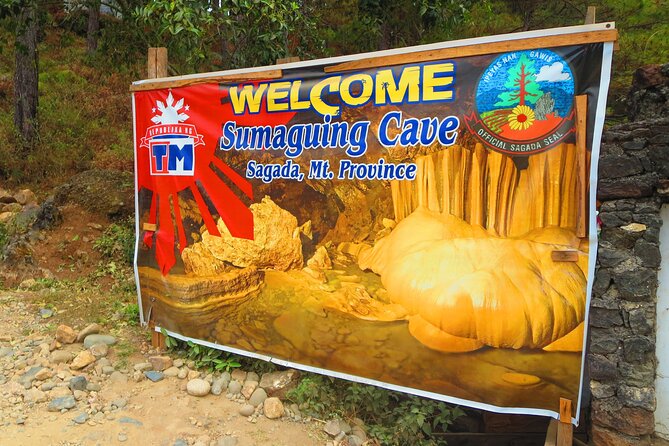
Sumaguing Cave is the underground centerpiece of the trip. The visit lasts about four hours and includes an underground stream, stone waterfalls, calcium formations, glittering walls, and water-worn stalagmites.
This is not a walk through a paved show cave. The description points to wet and uneven conditions, and the cave experience depends on moving through a natural environment rather than following a polished tourist route. You should be comfortable with slippery ground, darkness, and getting wet.
The cave is a good reason to choose this tour over a standard northern Luzon sightseeing circuit. It adds a physical challenge that is completely different from the terrace hikes. At the same time, anyone uneasy in confined spaces should think carefully before booking. The available information does not provide a detailed equipment list, so ask the operator what footwear and clothing are recommended.
The four-hour schedule allows time to appreciate the formations instead of racing through. Still, cave conditions can affect pace, and this is another day when sturdy shoes and a calm attitude matter more than fashion.
Day 6: The walk to Bomod-Ok Falls
Bomod-Ok Falls is also called Big Falls, and the name gives you a useful hint about the scale of the stop. It sits in a valley and takes roughly one to two hours to reach on foot from the main area. The total visit is listed at about four hours.
The walk gives you a final major outing before the return to Manila. The waterfall is not a roadside attraction. You earn the view by going down into the valley, then you must account for the climb back out. That return is easy to underestimate, particularly after the earlier terrace hikes and Sumaguing Cave.
I like the way the itinerary saves a large waterfall for the final full activity day. It gives the trip a clear finish, but it also means you should manage your energy from Day 1. Do not race through the first trails simply because you feel fresh.
The waterfall visit is included in the admission costs, but meals remain separate. As on the other days, the practical question is not only how beautiful the destination will be. It is whether your knees and feet are ready for another mountain route.
Day 7: A scenic road back to Manila
The final day is a scenic drive back to Manila, with about four hours listed for the activity. After six nights of walking, caves, villages, and waterfalls, the road journey gives you time to look back at the route without another major hike.
The trip begins very early and covers a lot of ground, so transport is central to the value. An air-conditioned vehicle is included, which matters in the Philippine heat and after long trail days. The group limit of 15 also helps keep the road portion more manageable than a large coach tour.
The available schedule does not promise a long list of final sightseeing stops. Think of Day 7 as a return transfer rather than another attraction-packed day. If you need to catch a flight from Manila, confirm the expected arrival time directly with the operator before making tight connections.
What the $1,300 price really buys
At $1,300 per person, this is not a cheap overland trip. The price includes an air-conditioned vehicle and all listed fees and taxes, but not meals. You should also budget for six to eight days of food at roughly 150 to 250 pesos per meal per person.
The value rests in the route and the logistics. You are not arranging separate transport from Manila to Banaue, then onward to Sagada, then back to Manila. The trip links several remote places with guided walks and a small group. That can be worth paying for if you want to focus on the mountains instead of solving every transfer yourself.
The price is harder to justify if you mainly want scenic viewpoints and short outings. Much of the appeal comes from the physical access to villages, waterfalls, and caves. You are paying for a demanding experience, not a relaxed coach holiday.
A small group maximum of 15 is helpful, but it does not turn the route into a private tour. You should expect shared decisions about pace, stops, and daily movement. If you need a custom schedule, ask about private arrangements before booking.
Guides, group size, and the human side of the trip
The operator is Yolo Travel Philippines. Trip information connected with the company identifies Joannah as a travel coordinator and Marlon as a driver on a North Luzon journey. Your actual guide and driver may be different, so confirm names and roles when you book.
The human side matters here because the route is long and physically demanding. A good coordinator can help keep transfers, trail starts, and village visits in order. A capable driver matters just as much, since the itinerary links Manila with remote mountain areas over several days.
The group cap of 15 is a useful middle ground. You get the social feel of a shared tour without the scale of a full-size bus group. It also means your pace may be affected by the slowest member, which is normal on a route with steep and uneven trails.
Who should book this North Luzon adventure
I would recommend this trip to you if you want:
- Several days of active hiking rather than a series of quick viewpoints
- Direct contact with Banaue, Batad, Cambulo, and Bangaan
- Waterfalls and caves alongside cultural sites
- A structured route through remote areas of northern Luzon
- A small shared group instead of a very large tour
- A strong physical challenge with long walking days
I would be cautious about booking if you have limited hiking experience, difficulty walking for six to eight hours, discomfort in caves, or little patience for long vehicle transfers. The wording about strong physical fitness should be taken seriously, not treated as routine tour language.
The trip has received an overall rating of 5 from three published ratings, and the strongest praise centers on the range of cultural and natural stops, the planning, and the quality of the overall North Luzon route. One account describes a trip with people over 65, but that journey included additions and may not reflect the pace or exact conditions of this seven-day program. Do not use that example as proof that the route will be easy.
Practical preparation for seven hard days
Start with footwear. You need shoes suitable for mountain trails and wet cave conditions. The information does not specify whether gear is supplied, so ask before departure rather than assuming equipment will be available.
Bring a small day pack, reusable water container, quick-drying clothing, rain protection, and a change of clothes for the cave and waterfall days. These are practical suggestions based on the terrain described, not a formal packing list from the operator.
Keep cash available for meals and any small local expenses. Food is not included, and the suggested meal budget is 150 to 250 pesos per person. The tour includes mobile ticketing, pickup, and group discounts, but confirm exactly where pickup occurs because the stated start time is 3:00 am.
The cancellation terms are strict. The booking is non-refundable and cannot be changed for personal reasons. If bad weather cancels the trip, or if the minimum group size is not reached, you are offered a new date or a full refund. That makes travel insurance and careful date selection sensible.
Should you book it?
Book this tour if you want northern Luzon at walking pace, can handle long mountain days, and value having transport and route planning arranged for you. The combination of terraces, village trails, Sumaguing Cave, and Bomod-Ok Falls gives you far more than a quick Banaue stop.
Skip it if you want a soft adventure, flexible meals, or a slow cultural tour with plenty of free time. The early start, non-refundable terms, extra meal costs, and demanding trails are real limits.
For a fit visitor who wants a concentrated week in the Philippine highlands, this is a strong choice. Just arrive ready to walk, carry sensible gear, and let the mountains set the schedule.
FAQ
How long is the Banaue and Sagada tour?
The experience lasts approximately seven days and six nights.
Where does the tour begin?
The tour begins in Manila, with a stated start time of 3:00 am.
Where does the tour end?
The itinerary returns to Manila on Day 7 after a scenic drive.
How much walking is required?
You must be able to trek in the mountains for about six to eight hours a day. The itinerary specifically calls for a strong physical fitness level.
What places are visited in the Banaue area?
The route includes the Banaue Rice Terraces, Cambulo, Batad, Tappiyah Waterfalls, and Bangaan Rice Terraces.
What does the Sagada portion include?
The Sagada portion includes a visit to Sagada, exploration of Sumaguing Cave, and a walk to Bomod-Ok Falls.
Is Sumaguing Cave included?
Yes. Sumaguing Cave is included in the itinerary, and admission is listed as included.
Are meals included?
No. Meals are not included. The suggested budget is 150 to 250 Philippine pesos per meal per person.
How many people can join the group?
The activity has a maximum of 15 travelers.
What happens if bad weather cancels the tour?
If poor weather causes cancellation, you are offered a different date or a full refund. If the minimum number of participants is not reached, you are offered a different date or experience, or a full refund.
Just added in Manila
- Private Tour: Tagaytay Midlands & Taal Volcano Boat Ride★ 4.5 · 15 reviews
- Tagaytay Adventure: Volcano Views, Countryside, Market & Cruise!★ 4.5 · 14 reviews
- 3 Days Private Tour in Banaue Ifugao visiting Batad Rice Terraces★ 3.5 · 3 reviews
- Tagaytay Day Tour sightseeing with Panoramic Taal volcano view★ 5.0 · 6 reviews
- Tagaytay + Hidden Valley Springs: A Scenic Escape w/ Transfers★ 4.0 · 4 reviews
- Unforgettable Manila Fishing Village Day Excursion 2024★ 5.0 · 4 reviews
- 5 Days Sagada Banaue Batad Discovery (PRIVATE GROUP TOUR Max 6 Travellers)★ 5.0 · 16 reviews
- Shared Old Manila Tour★ 5.0 · 5 reviews
Tours in Manila, compared.

Intramuros, Manila: Historical Bamboo Bike Tour
Read our review →
Experience Intramuros with Bamboo Bicycle – Ecotours
Read our review →
Intramuros, Chinatown, and Old Manila Half-Day Tour
Read our review →
Spectacular Manila to Tagaytay: Full-Day Sightseeing Tour
Read our review →
Makati Nightlife: VIP Access to Clubs, Rooftops & Go-Go Bars
Read our review →
Discover Tagaytay’s Countryside: Half-Day Sightseeing Tour
Read our review →

Manila Food Tour: Explore World’s Oldest Chinatown
Read our review →Browse the lists this tour appears in