
Reviewed · TOURS IN MANILA
From Manila: 4-Day Sagada and Banaue Rice Terraces Tour
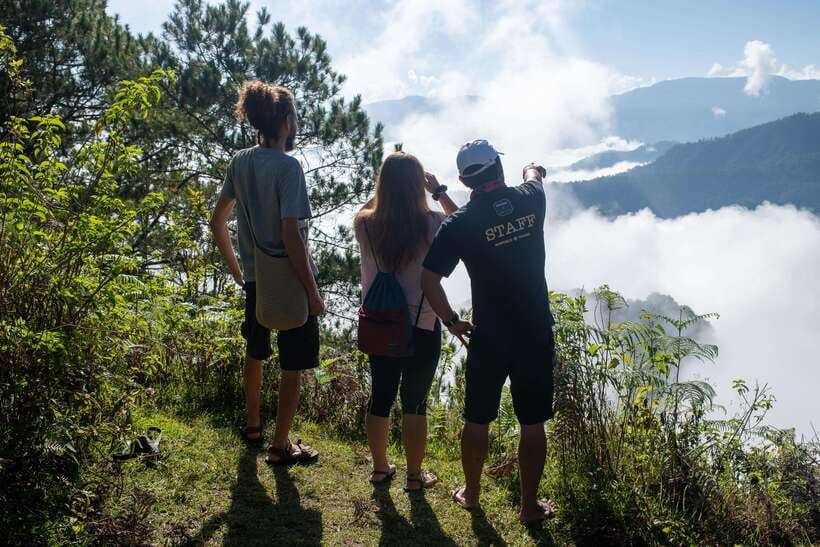
The best part of this four-day trip is how quickly the scenery changes. You leave Manila by overnight bus and wake in the cool Cordillera highlands, where hanging coffins, limestone caves, and ancient rice terraces replace city traffic. I like the mix of outdoor challenge and local culture, especially the chance to meet Ifugao people rather than simply stop for a viewpoint photo.
I also like the overnight stay overlooking Batad Rice Terraces and the way local guides such as Zohan, also known as Mark, add personal stories about village life and family traditions. The main drawback is the transport: the overnight ride to Sagada can take about 13 hours, and the walks include steep steps, slippery rocks, and tough terrain.
Key points at a glance
- A long overnight bus ride begins the trip: Meet at Coda Lines Terminal at least 15 minutes before departure and prepare for a full night on the road.
- Sagada brings the mystery: Visit the Hanging Coffins at Echo Valley and enter Sumaguing Cave with a local guide.
- Batad is the physical high point: Hike through famous terraces to Tappiya Falls, with the option to swim if conditions allow.
- Local culture is central: Meet Cordillera residents, visit weavers, and see the Ifugao House Museum.
- The accommodation is simple but well placed: Sleep in hostel or guesthouse accommodation in Sagada and Batad, including a stay overlooking the terraces.
- The tour adapts to the group: Private and small-group formats are available, and guides may adjust the pace or activities to suit ability and conditions.
Why this northern Luzon trip is worth the effort
At $306 per person, this tour is not just a series of entrance tickets and bus transfers. It bundles transport to the sites, entrance fees, breakfast, lunch on Day 3, local guides in Sagada and Banaue, and two nights of hostel accommodation.
That matters in the Cordilleras. The sites are spread across mountain roads, and reaching them independently takes planning, local transport, and a good deal of coordination. Here, you have a guide helping with the route, the cultural context, and the practical parts of the walks.
I would not call this a soft sightseeing holiday. The tour suits you best if you are happy to trade comfort for access. You will spend long hours on buses, walk on uneven ground, and possibly get wet or muddy around the cave and waterfall sections. In return, you get a far closer look at northern Luzon than a quick day trip from Manila can offer.
Guides are a major part of the experience. Zohan, also known as Mark, is praised for his care, humor, local connections, and ability to adjust the plan. Some departures may also involve guides such as Frank. The most useful quality is not simply knowing the route. It is being able to explain Ifugao customs, answer questions, and watch your footing on difficult paths.
A few more things to do in Manila worth a look
- Balabac Palawan Private Expedition 4 Days and 3 Nights
★ 3.5 · 103 reviews
The overnight bus from Manila to Sagada
Your trip begins at Coda Lines Terminal. You should arrive at least 15 minutes before departure, with your ticket details and a small overnight bag easy to reach.
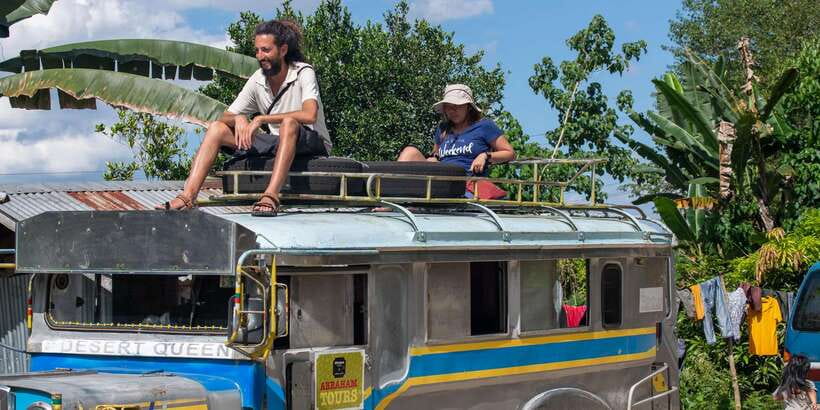
The bus ride is a serious part of the itinerary, not a minor transfer. One account describes the journey to Sagada as taking around 13 hours. Air conditioning and comfort breaks help, but you should still expect a long night on winding mountain roads.
Pack lightly for the bus. Keep water, snacks, a layer of warm clothing, medication, and basic toiletries with you rather than buried in your main luggage. The mountain air can feel much cooler than Manila, and you will want to arrive ready for the first outing.
This is the tour’s biggest comfort tradeoff. If you need a proper bed before sightseeing, the first day may feel demanding. If you can sleep on a bus and accept a rough start, the overnight departure saves daytime travel and gets you into the highlands quickly.
Sagada’s hanging coffins and Echo Valley
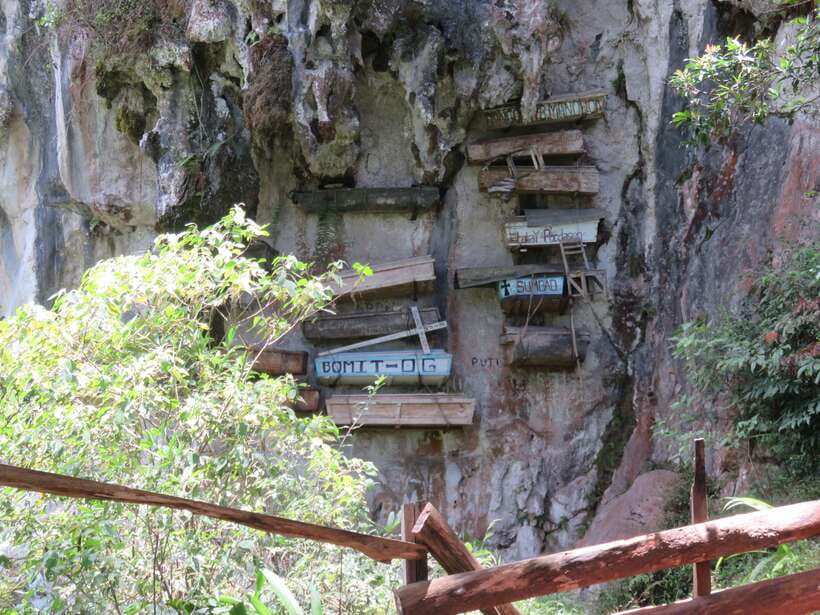
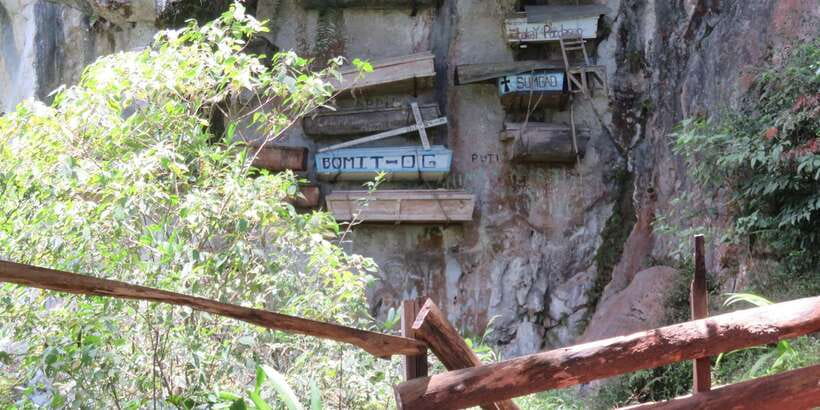
Sagada begins with one of the region’s most unusual sights: the Hanging Coffins at Echo Valley. Coffins are placed on cliffs and rock faces rather than in a conventional ground-level cemetery. The practice opens a window onto local burial customs and the way the community relates to its dramatic surroundings.
This stop is best approached with respect and patience. It is not simply a strange photo opportunity. Your local guide can explain the meaning behind the coffins and place the custom within Sagada’s community traditions.
The route around Echo Valley involves walking and uneven ground. You may find the paths manageable, but the mountain terrain can still test your balance. Wear shoes with a firm grip and avoid carrying more than you need.
The guide adds real value here. Without explanation, you see coffins on a cliff. With a local voice, you gain a better sense of why they are there and how the practice connects with the people who still live in the area.
Entering Sumaguing Cave
Sumaguing Cave is the tour’s most physical Sagada stop. You move through a dark limestone cave with slippery rocks, uneven surfaces, and sections that require careful footing. One account describes the experience as barefoot spelunking, which gives you a good sense of its hands-on nature.
This is not a polished visitor attraction with smooth walkways and bright signs. The appeal is the raw setting. You enter the cave, work your way across rock, and rely on the local guide to point out the route.
You should be realistic about your ability before committing to the full cave outing. The tour is not suitable for pregnant women or wheelchair users, and the cave can be hard for anyone uncomfortable with steep or slippery terrain. A guide may adjust the program if needed, but you should discuss your limits early.
One older participant found the treks challenging but appreciated close attention from the guide. That is useful advice for anyone who is fit enough to walk but not eager to race through a cave. Take your time, use your hands when needed, and let the guide set a safe pace.
Same base, a different kind of day out:
- Intramuros, Manila: Historical Bamboo Bike Tour
★ 4.8 · 583 reviews - Experience Intramuros with Bamboo Bicycle – Ecotours
★ 5.0 · 508 reviews - Manila: Intramuros, Chinatown, and Old Manila Half-Day Tour
★ 4.8 · 475 reviews - Manila: Old & New 4-Hour City Tour
★ 4.5 · 458 reviews
Moving from Sagada to Ifugao country
The next part of the route shifts from Sagada’s burial traditions and caves to the living culture of the Ifugao people. You visit traditional weavers and the Ifugao House Museum, where the focus turns to homes, craft, customs, and daily life.
These stops give the rice terraces a human context. The terraces are not just dramatic green steps cut into mountains. They are tied to farming, family, local knowledge, and long-standing community practices. I like this balance because it prevents the trip from becoming a chain of scenic stops without meaning.
Your guide can be especially useful here. Zohan is described as a local tribe member with family links to rice growers and wine makers. That kind of personal connection can make a difference when you want to understand how traditions are practiced rather than simply hear a short prepared speech.
The experience is not a museum-only visit. You meet people from the Cordillera region and see how local identity remains tied to the mountains. Be ready to ask questions. Guides are reported to welcome curiosity, and the cultural side of the trip rewards an interested attitude.
Batad Rice Terraces and Tappiya Falls
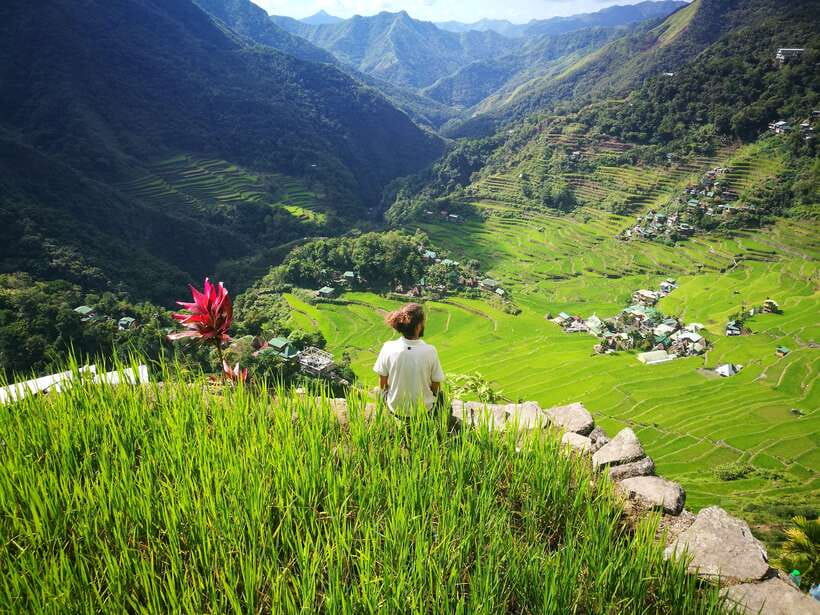
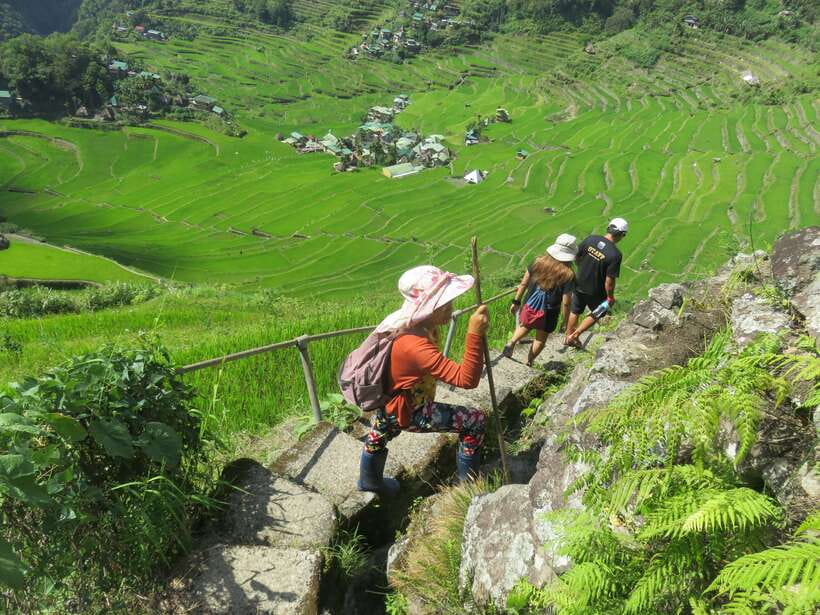
Batad is likely to be the visual centerpiece of the tour. The terraces curve around the mountainside in a huge bowl-like setting, with narrow paths cutting through and above the fields. You stay overnight in a guesthouse or hostel overlooking the terraces, which gives you more time to appreciate the place than a quick stop would.
The overnight location is a strong feature of the tour. You are not rushing in, taking a photo, and leaving immediately. You have a chance to settle into the mountain setting, rest after the walk, and see the terraces at a slower pace.
The route to Tappiya Falls adds a physical reward. You hike through the terraces and then reach a waterfall where you may be able to swim. The combination of hot exertion, mountain views, and cool water makes this one of the trip’s most memorable sections.
Do not underestimate the return walk. Paths around the terraces can be steep, and the route may include slick stones. If you choose to swim, bring suitable clothing and keep your belongings secure. The supplied details do not promise swimming conditions on every departure, so treat the waterfall stop as weather and access dependent.
The Batad portion also shows why a private or small group can help. Guides can keep an eye on different fitness levels and adjust the pace. One group included older, solo, and more reserved participants, and the guide tailored the experience so each person could take part comfortably.
Bangaan Village and the final mountain views
The itinerary continues to Bangaan Village for another look at the rice terraces before winding down in Banaue. Bangaan offers a different perspective from Batad and gives you one more chance to see how villages and cultivated slopes fit together.
The walk here deserves careful attention when you book. A three-hour hike into Bangaan was not completed on one departure, showing that weather, timing, or group needs can affect the plan. The tour includes the Bangaan area, but you should not assume every version will follow the longest possible hiking route.
This is one reason I value the flexible guiding style. A good mountain itinerary cannot always run like a city walking tour. Conditions change, and the best choice may be to shorten a route rather than push the group through unsafe terrain.
After the Bangaan visit, you return to Banaue for a farewell meal before boarding the bus back to Manila. Dinners are not included, and lunch is included only on Day 3, so budget for several meals along the way.
What the $306 price really covers
The $306 price is reasonable if you value convenience and local guiding. Included are transport to all listed sites, entrance fees, daily breakfast, lunch on Day 3, local guides in Sagada and Banaue, and two nights of hostel accommodation.
You still pay for drinks, dinners, lunch on Days 1 and 2, and presumably any personal purchases. The package is not all-inclusive, but the main transport and access costs are handled.
The real value comes from combining difficult-to-arrange locations in one route. Sagada, Batad, Bangaan, and Banaue are not compact city attractions. Coordinating mountain transport, site access, guides, and accommodation yourself can take time, especially if you do not speak local languages.
The price is less attractive if you dislike group schedules or long-distance buses. Private and small-group options are available, but you should confirm the format and any price difference before booking. For a first visit to this part of Luzon, I would pay for the structure if I wanted cultural explanation as well as scenery.
Comfort, fitness, and what to pack
You should treat this as an active trip. The most demanding sections include the cave, terrace walks, and routes near the waterfalls. Steep steps and slippery rocks are specifically part of the experience.
Pack:
- Shoes with strong grip
- A light warm layer for the highlands and bus
- Water and small snacks
- Swimwear or a change of clothes for Tappiya Falls
- A small overnight bag for the bus
- Personal medication and basic toiletries
You do not need to be an expert hiker, but you should be steady on your feet and willing to move slowly over uneven ground. The tour is not suitable for wheelchair users or pregnant women.
Accommodation is hostel or guesthouse style, not a luxury hotel. The reward is location, especially the stay overlooking Batad Rice Terraces. If you need polished rooms, private facilities, or a quiet transport plan, this may feel basic.
Who should book this four-day adventure?
I would recommend it to you if you want northern Luzon’s major sights but also care about the people and customs behind them. The best fit is an active visitor who enjoys caves, mountain paths, local stories, and simple accommodation.
It is also a good choice for solo visitors. A guide can help with the practical details, and the small-group or private format gives you more support than traveling alone through remote mountain areas.
Families with very young children, people with limited mobility, and anyone who dislikes long bus rides should think carefully before booking. The schedule is demanding, and the roads and trails are part of the price you pay for reaching the highlands.
The strongest part of the tour is its human side. Zohan, Mark, Frank, and the other local guides are not just there to point out the next stop. Their explanations about ancestors, farming, weaving, burial customs, and village life give the journey its character.
Should you book it?
Book this tour if you want a practical route into Sagada and Banaue, and if you are ready for rough roads and real walking. The combination of hanging coffins, Sumaguing Cave, Batad, Tappiya Falls, Bangaan, and Ifugao cultural visits gives you a broad look at the Cordilleras in four days.
Skip it if you want relaxed transport, guaranteed long hikes, or hotel-level comfort. For everyone else, $306 buys a demanding but memorable northern Luzon experience, with local guidance that can turn impressive scenery into a better understanding of the people who shaped it.
FAQ
Where does the tour meet in Manila?
The meeting point is Coda Lines Terminal. You should be at the bus terminal 15 minutes before departure.
How long is the tour?
The tour lasts four days and includes an overnight bus journey from Manila to Sagada, activities in Sagada and Banaue, and a bus return to Manila.
What sites are visited in Sagada?
The Sagada portion includes the Hanging Coffins at Echo Valley and Sumaguing Cave.
Does the tour visit the Ifugao Rice Terraces?
Yes. The route includes Batad Rice Terraces and Bangaan Village, along with time in Banaue.
Is accommodation included?
Yes. Two nights of hostel accommodation are included, one in Sagada and one in Batad.
What meals are included?
Daily breakfast is included, along with lunch on Day 3. Drinks, dinners, and lunch on Days 1 and 2 are not included.
Is the cave visit physically difficult?
Yes. The cave includes slippery rocks and challenging terrain. The terrace walks also involve steep paths and steps.
Is the tour suitable for wheelchair users or pregnant women?
No. The tour is listed as unsuitable for pregnant women and wheelchair users.
Can I cancel the booking?
You can cancel up to 24 hours in advance for a full refund. The tour also offers a reserve-now, pay-later option.
Just added in Manila
- Breathtaking Cultural Experience in Villa Escudero★ 4.5 · 15 reviews
- From Manila: Villa Escudero Guided Tour★ 5.0 · 19 reviews
- Manila Street food and Night Market Tour★ 4.7 · 21 reviews
- Solo Traveler Friendly Manila Walk w/ Mobile Photography★ 5.0 · 22 reviews
- Day hike to Mount Daraitan with Tinipak River 2024★ 5.0 · 22 reviews
- From Manila: Amazing Taal Volcano Island Boat Lake Tour w/ Guide★ 4.5 · 24 reviews
- Half-Day Heritage Tour: Manila’s Historic Gems★ 4.9 · 29 reviews
- Manila: Intramuros Walled City Guided Walking Tour★ 4.5 · 30 reviews
Tours in Manila, compared.

Intramuros, Manila: Historical Bamboo Bike Tour
Read our review →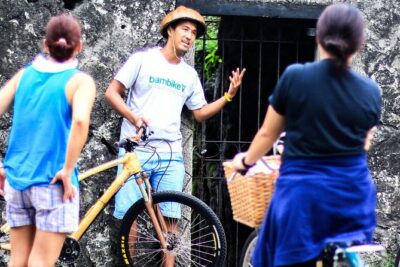
Experience Intramuros with Bamboo Bicycle – Ecotours
Read our review →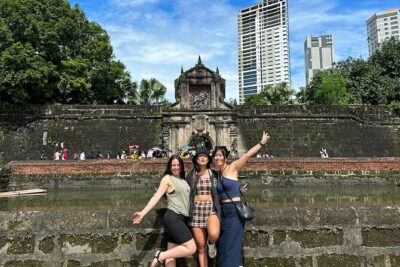
Intramuros, Chinatown, and Old Manila Half-Day Tour
Read our review →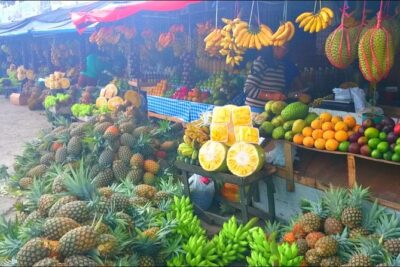
Spectacular Manila to Tagaytay: Full-Day Sightseeing Tour
Read our review →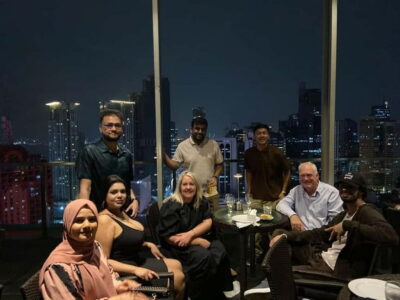
Makati Nightlife: VIP Access to Clubs, Rooftops & Go-Go Bars
Read our review →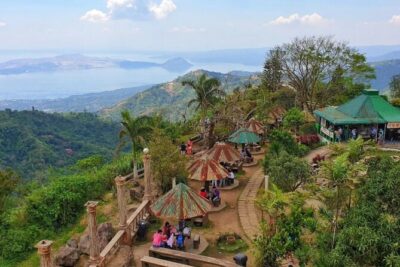
Discover Tagaytay’s Countryside: Half-Day Sightseeing Tour
Read our review →
Manila Food Tour: Explore World’s Oldest Chinatown
Read our review →Browse the lists this tour appears in