
Reviewed · INTRAMUROS HERITAGE WALKS
Experience Intramuros with Bamboo Bicycle – Ecotours
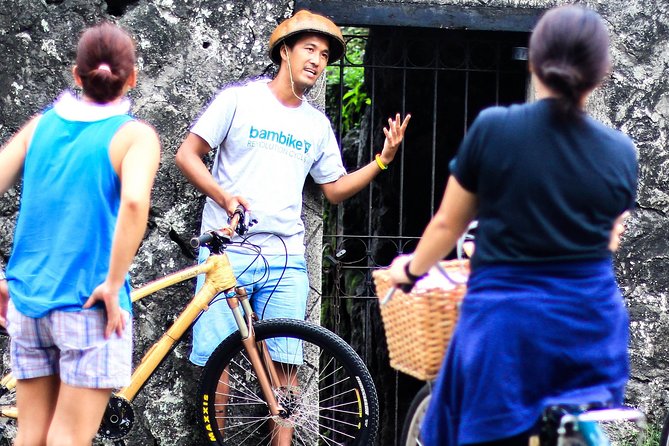
Intramuros is best seen slowly, and this tour gives you an unusual way to do it: on a handmade bamboo bicycle. You choose a bike that suits your size and riding style, then follow a guide through old gates, plazas, churches, and stretches of the city wall. I like the flat route and the way the tour mixes riding with short history stops, so you are not pedaling nonstop in Manila’s heat.
I also like the careful road support. A second guide may help hold traffic while the group crosses busier sections, which matters when cars and motorcycles share the route. The main drawback is that this is more of a sightseeing tour with bicycles than a long bike ride. If you want hours of uninterrupted cycling, the many stops may feel slow.
Key points at a glance
- Handmade bikes in many sizes: Choose your own bamboo bicycle at the Casa Manila starting point, with comfort taking priority over speed.
- An easy, mostly flat route: The ride suits many fitness levels, though you should already be comfortable riding around occasional city traffic.
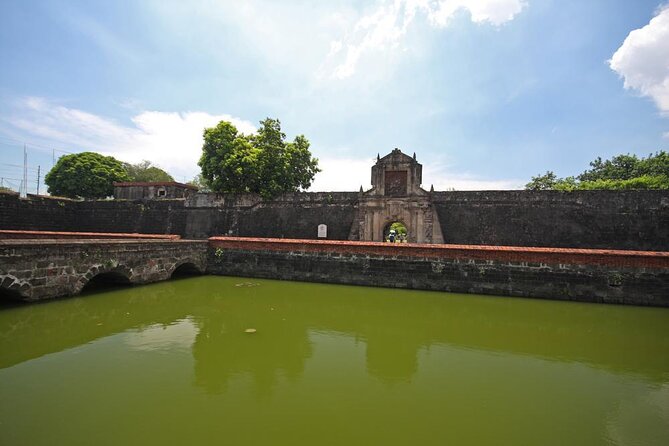
- Major Intramuros sights included: See Fort Santiago, Puerta del Parian, Plaza Roma, Manila Cathedral, San Agustin Church, and old defensive works.
- Guides make the difference: Past guides have included Anj, Anji, Chi, JD, Josh, Justine, Mika, and Paolo, with strong praise for their explanations and safety care.
- Weather-ready planning: Helmets, sunscreen or rain ponchos when needed, bottled water, and a cold towel are provided.
- A social enterprise with practical value: At $39 per person, you pay for a small-group guide, bike use, safety support, and access to several major sights.
Why a bamboo bike works well in Intramuros
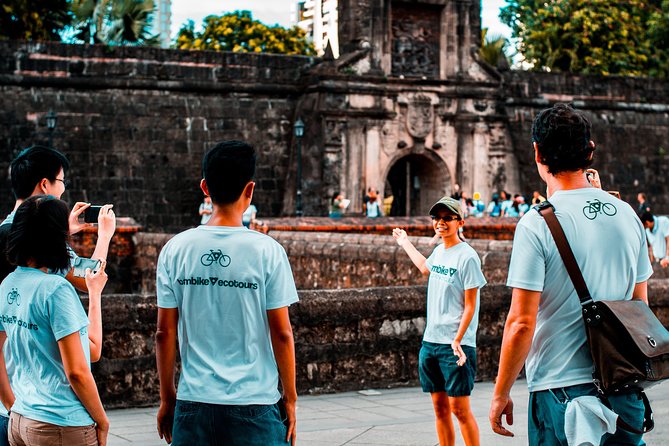
Intramuros is a compact district, but its sights are spread across lanes, plazas, gates, churches, and fortifications. Walking lets you absorb the details, yet Manila’s heat can make a long circuit tiring. A bicycle gives you more ground without turning the visit into a hurried drive-by.
The bamboo frame is the visual hook, but the real benefit is the pace. You move slowly enough to hear the guide, stop for photographs, and look at walls and gateways from street level. The bikes are not presented as identical rental machines. Each has its own style and size, and you choose one at the start.
The route is mostly flat and easy. That makes it suitable for many riders, including people who do not want a strenuous cycling excursion. You still need basic bike control. At points, you ride on city roads shared with cars and motorcycles, and children should be able to ride confidently before joining.
The group can reach up to 15 people. That is small enough for a guide to keep the group together, though a full departure will not feel private. A second staff member may ride along to help manage crossings and keep everyone safe. This extra support is one of the strongest practical features of the experience.
More history on foot in Manila:
- Intramuros, Manila: Historical Bamboo Bike Tour
★ 4.8 · 583 reviews - Manila: Intramuros, Chinatown, and Old Manila Half-Day Tour
★ 4.8 · 475 reviews - Manila Food Tour: Explore World’s Oldest Chinatown
★ 5.0 · 158 reviews
Starting at Casa Manila and choosing your bike
The meeting point is Bambike HQ in the Plaza San Luis Complex, at Casa Manila on Real Street near General Luna Street. The first ten minutes are used for waivers, bike selection, and basic preparation.
Take your time choosing the bicycle. Comfort matters more than picking the most eye-catching frame. The staff offers different styles and sizes, and the whole point is to match the bike to you before the group sets off. Helmets are included.
The tour can operate in all weather conditions. Sunscreen or rain ponchos are provided when needed, but you should still dress for Manila’s heat and humidity. Wear clothes you can pedal in and shoes that are secure on the pedals. Bottled water is available during the ride, and the cold towel at the end is a welcome small touch after three hours outside.
Casa Manila itself is a useful opening stop. It is a copy of a traditional house based on Spanish Colonial Period architecture. You do not spend a long time here, but it gives you a quick visual introduction to the kind of domestic setting associated with old Manila.
Japanese Cannon and the story of wartime Intramuros
The route continues along Muralla Street, where the group stops at a Japanese cannon. This pause shifts the story from Spanish rule and colonial buildings to the Japanese Occupation and World War II.
That change in subject is important. Intramuros is not only a collection of old Spanish-era facades. Its wartime history is also central to understanding the district, and the cannon provides a physical object around which the guide can explain that period.
The stop lasts about 15 minutes. That is long enough for a focused explanation and photographs, though it is not a museum visit with extensive indoor displays. If you want detailed military history, you may want to ask questions while the guide is speaking.
Puerta Real Gardens and the old defense system
At Puerta Real Gardens, you see one of Intramuros’s main gates and learn how the Spanish defense system extended beyond the walls. This is one of the better places to understand that the fortifications were not just a single stone barrier.
The gardens also provide a change of pace from riding along streets. You have about 20 minutes to look around and hear the explanation. The guide’s storytelling matters here, since the importance of a gate is not always obvious from its surviving stonework alone.
This is a good example of why the tour is not simply a bike rental. You could pedal past Puerta Real on your own, but you might miss the reason it was placed where it was and how it fit into the larger defensive plan.
Same base, a different kind of day out:
- Manila: Old & New 4-Hour City Tour
★ 4.5 · 458 reviews - Spectacular Manila to Tagaytay: Full-Day Sightseeing Tour
★ 5.0 · 349 reviews - Makati Nightlife: VIP Access to Clubs, Rooftops & Go-Go Bars
★ 4.9 · 278 reviews - Discover Tagaytay’s Countryside: Half-Day Sightseeing Tour
★ 4.5 · 207 reviews
A refreshment break at Café Y Ruedas
The group then rides toward the walls for a break at Café Y Ruedas. The stop is about 15 minutes and is intended to give you time to cool down before the route continues.
The tour description includes bottled water during the ride and refreshments afterward. The exact food or drink available at the café may depend on the day, and food and drinks are generally not included unless specified. Some departures have ended with a cold sweet treat, described by past participants as ice cream, but I would not book this expecting a particular flavor or menu item.
This pause is useful in Manila’s warm weather. It also gives you a chance to adjust your seating position, drink water, and ask the guide about the next stops. The ride is easy, but a short break keeps the experience from becoming uncomfortable.
Puerta del Parian and Chinese influence
Puerta del Parian is one of the more substantial stops, with about 30 minutes set aside. Here, the guide explains the gate, the nearby public spaces, and the importance of Chinese people and Chinese influence in Philippine history.
This stop adds needed variety. The tour is not limited to Spanish military power or Catholic landmarks. It also deals with the communities and cultural connections that shaped Manila. The gate gives the explanation a clear physical anchor, while the surrounding plaza provides room to pause and take photographs.
The amount of time here is generous compared with some of the shorter stops. If you enjoy the historical side of the tour, this is a good moment to ask questions. If your main interest is cycling, the extended explanation may make the ride feel stop-heavy.
Plaza Roma and Manila Cathedral
At Plaza Roma, you learn about one of Intramuros’s main public plazas and the buildings around it. The stop takes about ten minutes, then continues into Manila Cathedral for another ten minutes.
Plaza Roma helps you see Intramuros as a functioning civic center rather than just a walled attraction. The guide discusses the surrounding establishments and the role of the plaza in the old city.
Manila Cathedral is described as the heart of Christianity in the Philippines. You get a short visit inside and hear about its history and interior. The time is limited, so think of this as a guided introduction rather than a full church tour.
The church stop also requires good timing. Religious buildings can have their own schedules and restrictions, and the tour may need to keep moving. You should follow the guide’s instructions about respectful behavior and photography.
Fort Santiago is the tour’s main stop
Fort Santiago receives the longest visit, about 40 minutes, and it is the clearest centerpiece of the route. You explore the stone fortress and several places connected with Philippine history.
This is where the bicycle tour becomes a walking tour for a while. A small amount of walking is required inside the fort, so wear comfortable shoes and expect to leave the bike behind while you look around.
The fort is a strong reason to choose this experience over a simple ride through Intramuros. The guide can connect the walls, gates, and interior spaces to larger events in Manila’s past. Guides such as Anj, JD, Josh, and Paolo have been praised for giving detailed explanations, answering questions, and keeping the group engaged.
Fort Santiago can also be the point where the schedule feels tight. Forty minutes is enough for a guided overview and photographs, but not for every corner of the complex. If Fort Santiago is your top priority, consider returning independently for a longer visit.
San Agustin Church and the final stretch
The last listed stop is San Agustin Church, also called the Immaculate Conception Parish. The visit is short, about five minutes, but the site carries major historical weight as the oldest church in the Philippines and a UNESCO World Heritage Site.
Because the stop is brief, you should not expect a full architectural tour. It works better as a final landmark on a broad introduction to Intramuros. If you want more time inside, you may need to return on your own.
The experience ends back at the Bambike meeting point. A cold towel is provided, and a refreshment is offered after the ride. That ending is simple but practical, especially after cycling in warm weather.
How much riding is there?
The riding is light. You move between landmarks, then stop while the guide explains what you are seeing. Past participants have described the route as easy and flat, with plenty of time for photographs and questions.
That is good news if you want a gentle introduction to Manila. You do not need high fitness, and the regular breaks make the three-hour duration manageable for many people. The ride also suits solo visitors because the group structure gives you company without requiring a private booking.
The tradeoff is clear: you may finish wishing for more actual cycling. One departure reportedly felt as if too much time went to the early stops, while later landmarks deserved more time. I would choose this tour for guided sightseeing by bike, not for a serious cycling workout.
Traffic is another consideration. Most of the route is calm enough for a guided group, but cars and motorcycles appear on city roads. Staff safety support is helpful, but it does not remove the need to pay attention. Parents should make sure children can ride well before booking.
Guide quality and group atmosphere
The guide is central to the experience. The strongest part of the tour is not simply reaching each landmark, but getting a clear explanation of why it matters. Guides named in past departures include Anj, Anji, Chi, Chi Chi, DJ, JD, Josh, Justine, Mika, and Paolo.
The individual guide changes, so no particular person can be guaranteed. Still, the operation clearly places weight on storytelling, questions, pacing, and safety. Guides have used photographs to support explanations, offered to take pictures of the group, and adjusted their pace to keep riders together.
The maximum group size is 15. A group of around nine feels especially comfortable for asking questions and exploring a stop briefly without losing the guide. At the full limit, expect a livelier group and less personal attention.
There may also be a strong sewage-like smell in parts of the area. That is not something the operator controls, but it is worth knowing before you arrive. Intramuros is a lived-in urban district, not a polished theme park, and some street conditions can be rough around the edges.
Is $39 a fair price?
At $39 per person, the tour costs more than simply renting a bicycle, but you are paying for more than the frame and wheels. The price covers the bamboo bike, helmet, local guide, tour escort, safety support, water during the ride, sunscreen or ponchos when needed, gratuities, and the guided route through major sites.
Admission to Fort Santiago is included, and the café stop is included as described. Other food and drinks are not generally covered unless specified. The tour also gives you a structured three-hour introduction, which can be good value if you have limited time in Manila.
I see the price as fair for first-time visitors who want context and help navigating the district. It is less compelling for you if you already know Intramuros well, want extended time inside every church and fort, or mainly want to cycle without frequent stops.
The social-enterprise angle adds another reason to consider it. The bamboo bikes are part of a local business model, and booking supports the Bambike operation. That should not replace judging the tour on its own merits, but it gives the purchase a practical local connection.
Who should book this experience?
I would recommend it to you if you want:
- A gentle way to cover several Intramuros landmarks
- A guide who explains Manila’s Spanish, Chinese, wartime, and religious history
- A small group rather than a large sightseeing bus
- A distinctive bicycle experience for photographs
- A first look at Fort Santiago, the gates, plazas, and churches
- A tour that can accommodate many fitness levels
I would hesitate if you want a long, fast ride, a private guide, or detailed time at every landmark. The tour moves at an easy pace and stops often. You should also be comfortable with some road riding and a little walking inside Fort Santiago.
Cancellation is free up to 24 hours before the start time. Changes or cancellations inside that window are not accepted for a refund. The activity can be canceled for poor weather, in which case you are offered another date or a full refund.
Should you book the bamboo bike tour?
Book it if you want an accessible introduction to Intramuros with real historical explanation, not just a bicycle and a map. The strongest reasons are the flat route, unusual bamboo bikes, careful road support, and the range of major sites covered in three hours.
Do not book it expecting a demanding ride or a long visit at each stop. You will spend as much time listening and walking as pedaling. For most first-time visitors with limited time in Manila, that is a sensible trade. The tour gives you a clear first look, then lets you return to Fort Santiago, San Agustin Church, or another favorite site on your own.
FAQ
How long does the bamboo bike tour last?
The experience lasts approximately three hours, including bike selection, guided stops, riding between sites, a café break, and the return to Bambike HQ.
Where does the tour start and finish?
It starts and ends at Bambike HQ in the Plaza San Luis Complex at Casa Manila, on Real Street near M General Luna Street in Intramuros, Manila.
What sights are included?
The route includes Casa Manila, the Japanese Cannon, Puerta Real Gardens, Café Y Ruedas, Puerta del Parian, Plaza Roma, Manila Cathedral, Fort Santiago, and San Agustin Church.
Is Fort Santiago admission included?
Yes. Admission to Fort Santiago is included in the tour.
Are helmets and rain protection provided?
Yes. Helmet use is included, and sunscreen or rain ponchos are provided when needed.
Is the tour suitable for children?
Children must be accompanied by an adult. They should also be able to ride confidently because parts of the route use city roads shared with cars and motorcycles.
What happens if bad weather cancels the tour?
If the experience is canceled because of poor weather, you are offered a different date or a full refund. The tour otherwise operates in all weather conditions, so dress appropriately.
Just added in Manila
- From Manila: Villa Escudero Guided Tour★ 5.0 · 19 reviews
- Breathtaking Cultural Experience in Villa Escudero★ 4.5 · 15 reviews
- Manila Street food and Night Market Tour★ 4.7 · 21 reviews
- Solo Traveler Friendly Manila Walk w/ Mobile Photography★ 5.0 · 22 reviews
- Day hike to Mount Daraitan with Tinipak River 2024★ 5.0 · 22 reviews
- Banaue & Batad UNESCO 3days 2 nights Tour ( Private Group Tour Max 6 Travelers)★ 5.0 · 30 reviews
- Tagaytay-Pagsanjan Falls combo tour with transfers** updated 2024★ 5.0 · 23 reviews
- From Manila: Amazing Taal Volcano Island Boat Lake Tour w/ Guide★ 4.5 · 24 reviews
Intramuros Heritage Walks, compared.
Intramuros, Manila: Historical Bamboo Bike Tour
Read our review →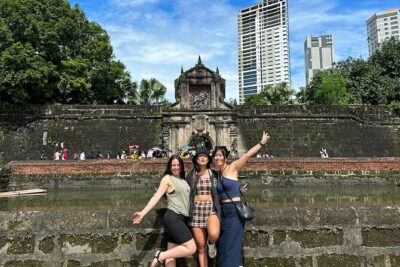
Intramuros, Chinatown, and Old Manila Half-Day Tour
Read our review →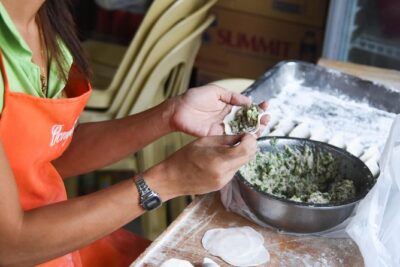
Manila Food Tour: Explore World’s Oldest Chinatown
Read our review →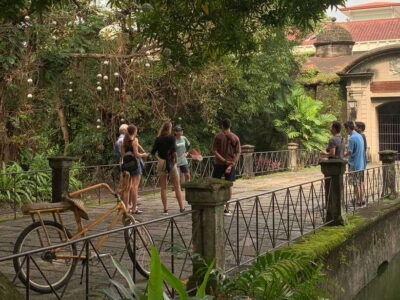
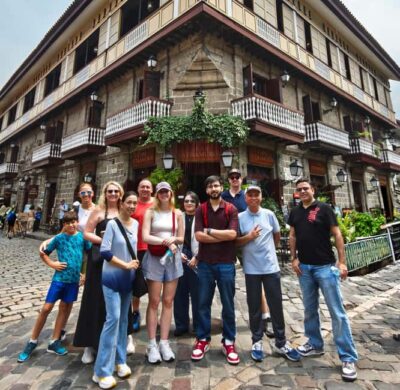
Explore Intramuros: Introduction to Philippine History
Read our review →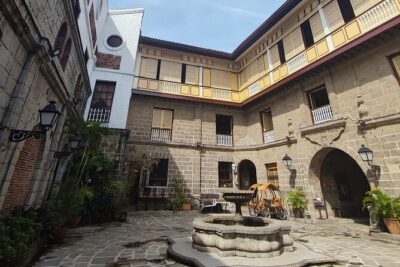
Experience Manila’s Heritage: Intramuros & More in Half a Day!
Read our review →Browse the lists this tour appears in