
Reviewed · INTRAMUROS HERITAGE WALKS
Viva Old Manila: Intramuros Walking Tour
Fort Santiago is more than an old stone fort. It is where Manila’s Spanish colonial rule, wartime suffering, and the final days of Dr. Jose Rizal come together. This three-hour walking tour gives you a clear route through Intramuros, with a guide to explain what you are seeing instead of leaving you to decode plaques and ruins.
I like the guides’ lively teaching style, especially the way Russell, Steven, Jerome, and Jonathan use humor, personal stories, myths, and old photographs to make the past easier to follow. I also like that admission fees, bottled water, sunscreen, and mosquito repellent are included. The main drawback is the heat: you will walk over cobbled streets and open areas, so bring an umbrella, water, and a hat.
Key points at a glance
- Fort Santiago sets the tone: Spend an hour in Intramuros’ best-known military site, including its haunting dungeon and wartime stories.
- The guides make the difference: English-speaking DOT-accredited guides such as Russell, Steven, Jerome, and Jonathan explain events clearly and add humor without turning the tour into a lecture.
- Rizal’s final days add emotional weight: The Museum of Jose Rizal and Rizal Shrine connect the wider story of Philippine independence to one person’s life.
- You see several eras in one walk: Spanish colonial rule, American influence, Japanese occupation, wartime destruction, and later efforts to preserve Intramuros all appear along the route.
- Casa Manila gives you a look inside: The restored home offers a glimpse of colonial-era domestic life after the forts, churches, and memorials.
- The value is strong at $27: Entry fees and guiding are included, making this a practical first visit to Intramuros if you want context as well as sightseeing.
Why this three-hour walk works
Intramuros is compact enough to explore on foot, but its story is not simple. Fortifications, churches, memorials, museums, and old residences reflect different periods and different powers. Without some explanation, you can see the walls and buildings yet miss how Spanish rule, war, religion, and Philippine nationalism fit together.
This tour gives you a useful introduction in a manageable block of time. The route lasts three hours, long enough to cover the key sites but short enough to fit into a morning or afternoon in Manila. I especially like the pacing described by several participants: there is time to listen, ask questions, and take photos without making every stop feel drawn out.
The experience is led in English by a DOT-accredited local guide. The names vary by departure, with Russell and Steven appearing often, along with Jerome, Jonathan, Jimmy, and others. That means the personality of your tour will depend partly on who leads it, but the recurring strength is clear communication and a strong grasp of Philippine history.
The tour is listed at $27 per person. That is fair value because admission to the main sites is included, along with a guide, bottled water, group photo opportunities, sunscreen, and mosquito repellent. You are paying for more than a walk between landmarks. You are paying for the explanations that connect them.
More history on foot in Manila:
- Intramuros, Manila: Historical Bamboo Bike Tour
★ 4.8 · 583 reviews - Experience Intramuros with Bamboo Bicycle – Ecotours
★ 5.0 · 508 reviews - Manila: Intramuros, Chinatown, and Old Manila Half-Day Tour
★ 4.8 · 475 reviews
Meeting at Fort Santiago’s United Philippine Lines entrance
The meeting point is the Fort Santiago entrance in front of the United Philippine Lines building on Sta. Clara Street. This detail matters because Intramuros has several gates, streets, and major landmarks, and a first visit can feel confusing.
Arrive at least 15 minutes early. The meeting instructions say the guide will be looking for participants at the entrance, but you should still allow time to orient yourself. If you have trouble finding the group, contact the operator through Viber or WhatsApp.
The route begins with a general introduction to Intramuros before moving into Fort Santiago. That opening helps you understand the Walled City as a whole rather than treating the fort as an isolated attraction.
One practical point: the activity information gives the location as Nueva Vizcaya, while the meeting point and entire route are in Intramuros, Manila. I would confirm the exact map pin and meeting instructions before setting out, especially if you are booking from outside Manila.
Intramuros opens the story
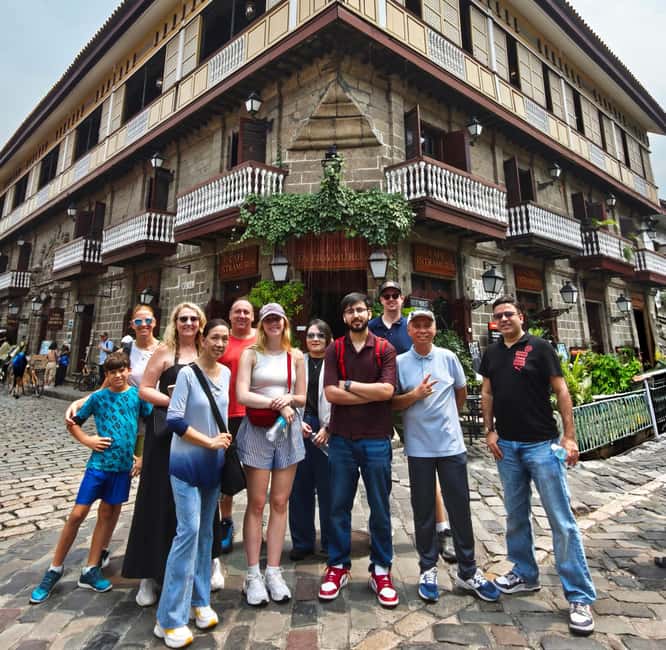
The first guided portion lasts about 30 minutes and introduces the Walled City. You walk through old streets and plazas while the guide explains how Intramuros developed under Spanish rule.
This is where a good guide earns the fee. The stone walls, gates, and old buildings can look impressive, but the setting becomes more meaningful when you understand how the district functioned as the colonial center of Manila. The guide also places later events in context, including the destruction and rebuilding that shaped what you see today.
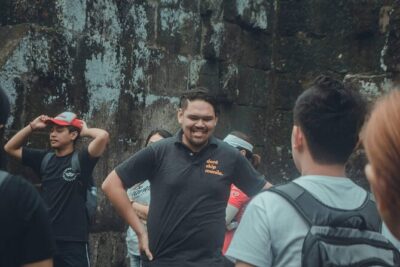
Expect a mix of history, local anecdotes, and questions. Russell is often praised for explaining details in a clear way and for paying attention to each person in the group. Steven is noted for humor and for making a long stretch of Philippine history easier to absorb. These small touches matter because the subject covers several centuries in a short time.
The pace should suit most people who can walk for three hours with pauses. Still, do not treat this as a casual stroll with unlimited time at every stop. One practical account points out that if you wander off for photos, the group may move ahead. Stay within sight of the guide.
Fort Santiago and the dungeon
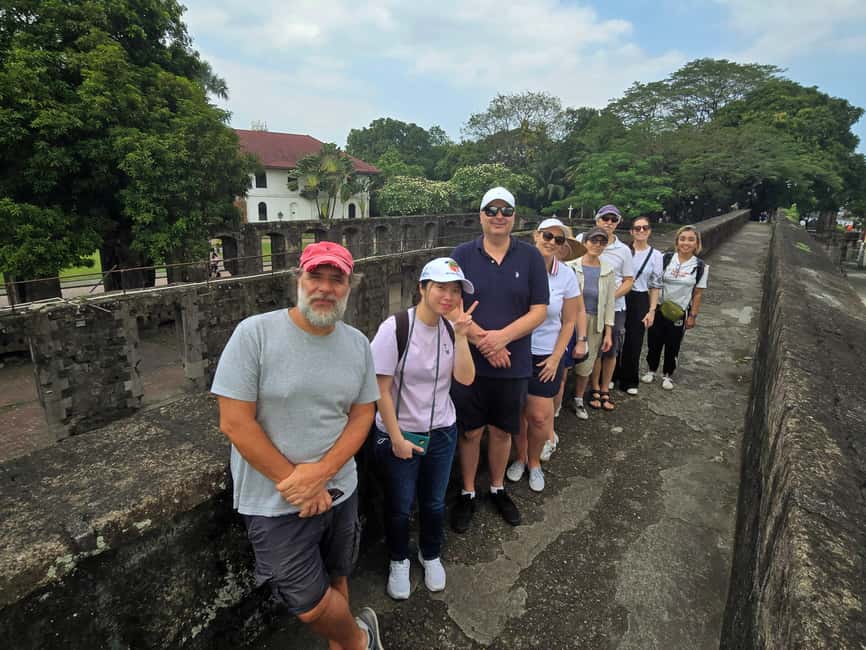
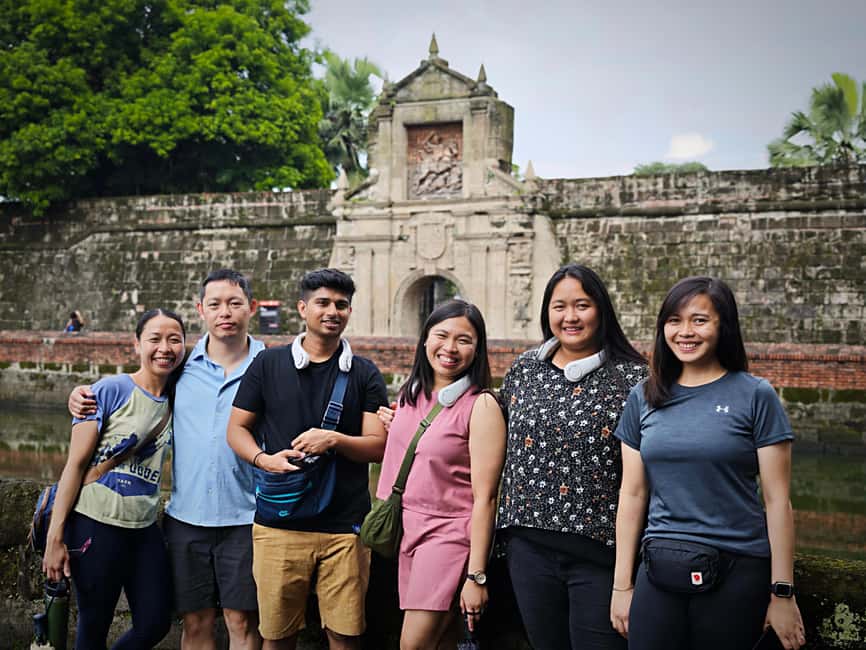
Fort Santiago receives the longest stop, about one hour, and rightly so. This citadel shaped Manila’s military and political story, and it contains some of the most affecting parts of the tour.
You will cross old fortress grounds and see sections of the defensive complex while the guide explains its role under Spanish rule and during the war years. The fort is not presented only as architecture. Its value lies in the events that took place there and the people connected to them.
The dungeon is one of the harder stops emotionally. The guide explains its wartime stories, giving you a sense of the suffering tied to this place. I appreciate that the tour includes this material rather than presenting Fort Santiago as a polished photo stop. Intramuros is beautiful in places, but its past also includes imprisonment, violence, and death.
Give yourself room to listen here. The subject matter may not suit very young children or anyone looking only for light sightseeing. For history-minded visitors, though, this is likely the most memorable section.
The fort also rewards careful looking. The guide can point out details you might pass without noticing and explain how different periods left their mark. Several guides have been praised for answering unusual questions, adapting explanations to the group, and using old photographs to help you compare past and present.
A few more things to do in Manila worth a look
- Manila: Street Food and Drinks Walking Tour with Tastings
★ 4.8 · 114 reviews - Manila: Sightseeing and Food Walking Tour with Tastings
★ 4.7 · 68 reviews - Manila: Intramuros Walking Tour.
★ 4.9 · 63 reviews - Intramuros Walking Tour with Transportation by Don’t Skip Manila
★ 5.0 · 46 reviews
Rizal’s final days at the museum and shrine
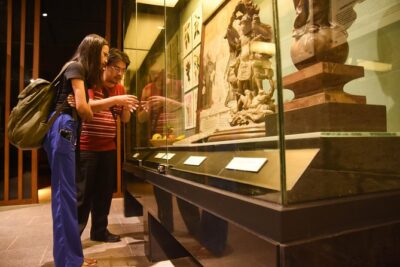
The Museum of Jose Rizal receives about 30 minutes. Dr. Jose Rizal is central to Philippine national identity, and this stop gives the broader story a personal focus.
Rather than hearing only about institutions and battles, you learn about Rizal’s final days and his place in the struggle against Spanish rule. The guide connects his story to Fort Santiago and to the wider development of Philippine independence.
This is a good point to ask questions. Guides such as Russell and Jonathan are praised for making complicated events easy to follow, while Jerome is noted for adjusting the discussion to the interests of the group. You may hear facts, personal stories, and local interpretations that help the material stick.
The stop is brief, so you should not expect an exhaustive museum visit. It works better as part of the walking narrative. The guide gives you the essential setting and meaning, then the route continues.
Manila Cathedral and Memorare Manila 1945
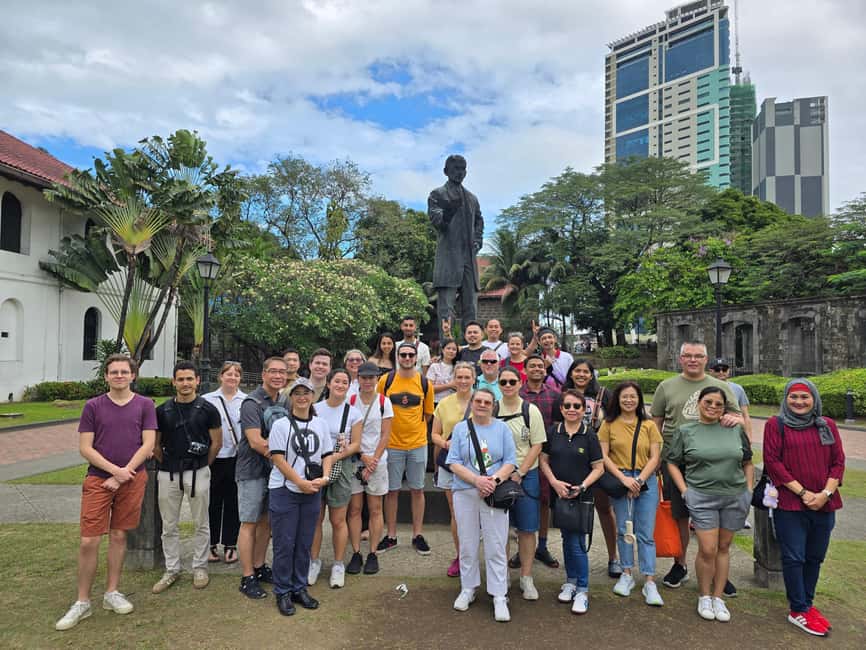
The tour then pauses at Manila Cathedral for about 15 minutes. The cathedral brings religion and colonial power into the route, while its long history also reflects Manila’s repeated destruction and rebuilding.
You will have time to look at the building and hear the guide explain its place in Intramuros. The short stop keeps the tour moving, though visitors who want extended time inside churches may find it quick.
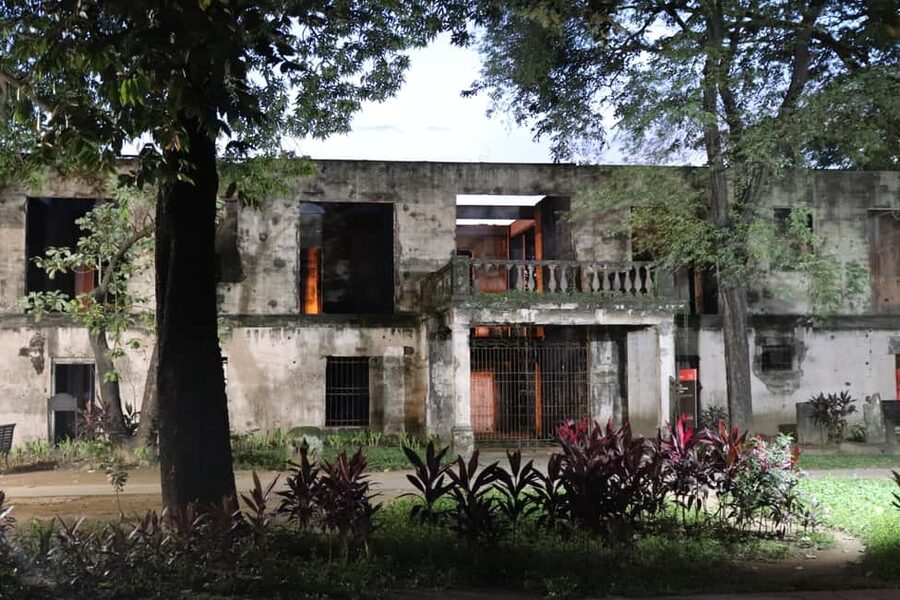
Memorare Manila 1945 follows, also for about 15 minutes. This memorial addresses the suffering and destruction of the Battle of Manila in 1945. It changes the tone of the walk again, linking the old streets to the wartime experience of the city.
Together, these two stops show why this tour is more than a Spanish colonial history lesson. You move from religion and imperial rule to the violence of the Second World War, then on to preservation and memory. The route gives you several ways to understand Manila.
San Agustin Church and Casa Manila
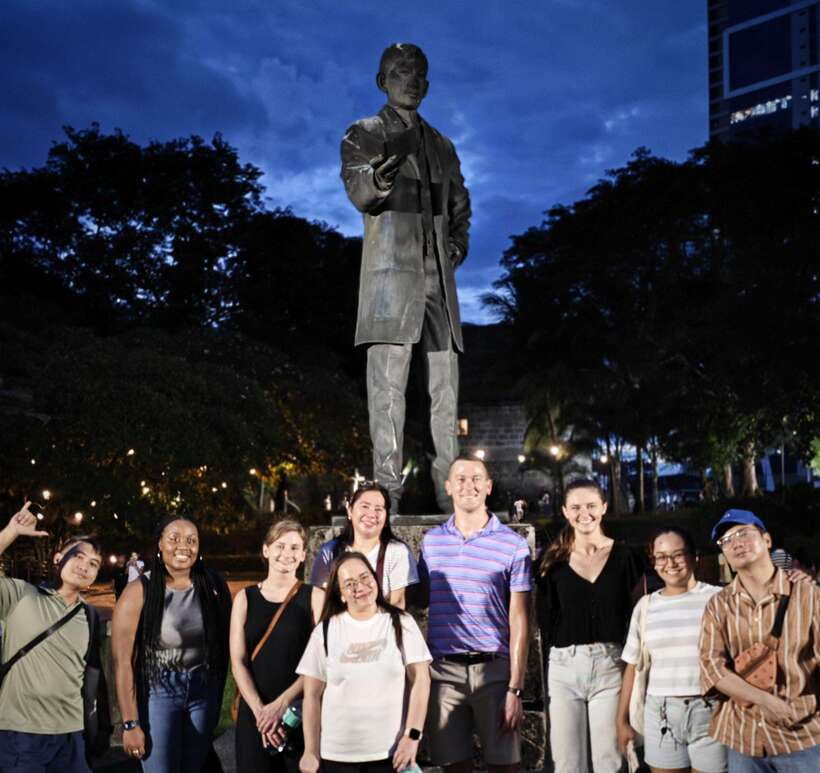
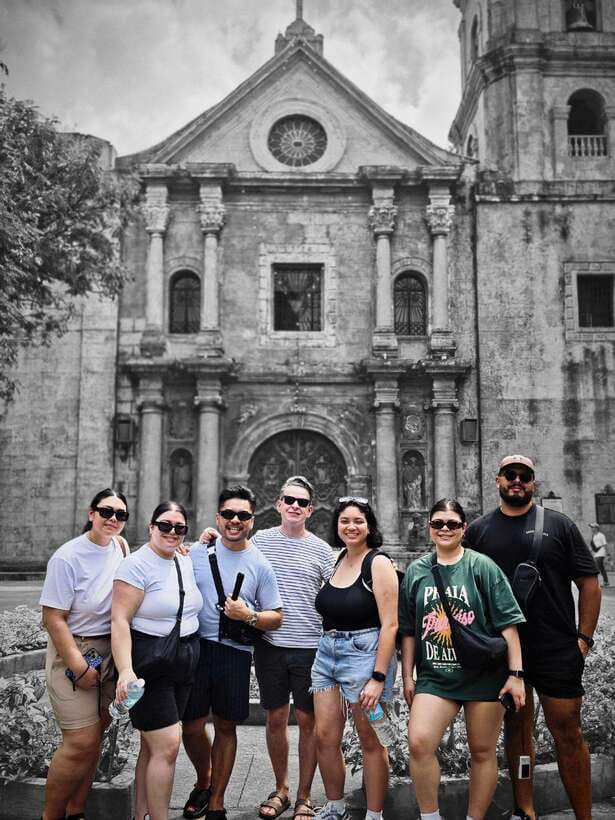
San Agustin Church receives about 15 minutes. It is one of the most important church stops in Intramuros, and the guide helps you notice its place in the city’s religious and colonial story.
The short visit is useful for orientation, but you may want to return later if you prefer to examine churches at length. The tour is designed to give you a broad first look at several sites rather than a long study of one building.
Casa Manila is the final stop and receives another 15 minutes. After forts, memorials, and churches, this restored home changes the focus to domestic life. You get a glimpse of how an affluent colonial-era household might have been arranged and furnished.
I like this ending because it adds texture. Military history can dominate a visit to Intramuros, while Casa Manila shows how people lived, entertained, and organized their homes. It also gives you a different set of photographs and a calmer final stop.
The published route finishes at Casa Manila. Since one part of the activity information also refers to onward transport near San Agustin, confirm the final meeting and departure point with your guide before the tour ends. That is a small step, but it avoids confusion when you are ready to book a car or continue sightseeing.
What the guides do well
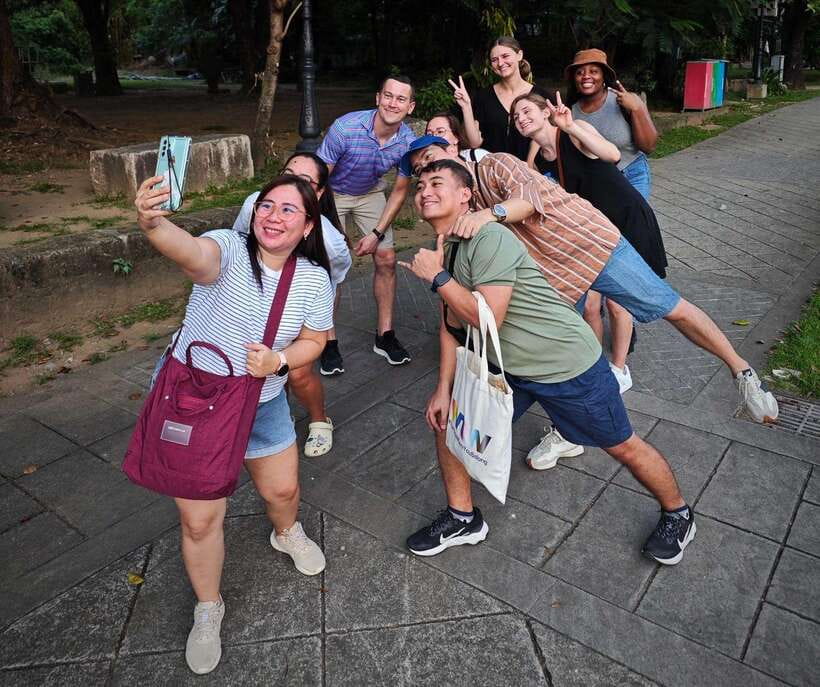
The strongest feature of this experience is the guiding. Across different departures, the guides are repeatedly praised for clear English, strong preparation, patience, humor, and genuine enthusiasm for Philippine history.
Russell appears often in the feedback. He is described as thorough, friendly, and good at putting historical facts into context. Steven is praised for humor, clear explanations, and old photos on his phone. Jerome is noted for answering unusual questions and adjusting the tour to the group. Jonathan is praised for making several hundred years of Manila and Philippine history easier to understand.
That variety is worth keeping in mind. You cannot select a particular guide from the information provided, and each guide will have a different style. Still, the consistent emphasis on explanation and personal attention suggests that the operator’s main strength is its staff rather than a fancy presentation.
The humor is useful here. Three hours of dates, rulers, wars, and political change can become tiring, but a well-placed joke or local story gives you a mental break. The best guides do not erase the difficult parts. They make the information easier to remember.
Walking conditions, weather, and what to bring
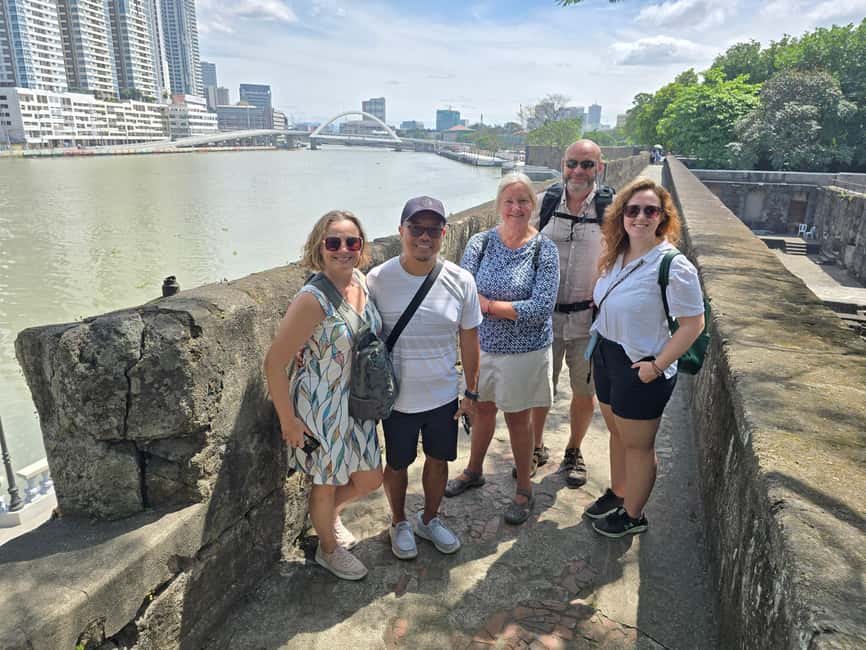
You will be outside for much of the tour, walking over old streets and fortress grounds. Manila’s heat can make a three-hour walk feel longer, so plan for the weather rather than treating the outing as an indoor museum visit.
Bring an umbrella, water, and a hat. Bottled water is included, and sunscreen and mosquito repellent are available for use, but I would still carry your own supplies if you prefer a particular brand or need more than one bottle. One participant specifically advised bringing a couple of water bottles.
Rain does not necessarily stop the tour. The route can continue in wet weather, but an umbrella will make the experience much more comfortable. Wear shoes suitable for walking and keep your camera or phone protected from sudden rain.
The activity is listed as wheelchair accessible. If you use a wheelchair, I would still contact the operator in advance to confirm the route and any site-specific conditions, since the tour includes historic streets, fortress grounds, and several old buildings.
Who should book this tour
I would choose this experience if you are visiting Manila for the first time and want a strong introduction to Intramuros without arranging several separate admissions. It suits history enthusiasts, families with older children, couples, and anyone who prefers to learn the setting before exploring independently.
It is also useful if you have only one free morning or afternoon. Three hours gives you the main framework, and you can return later to spend more time at a church, museum, or fort that catches your interest.
You should think twice if you dislike walking in heat, want a slow photography session, or prefer to spend an hour or more at each museum. The route covers many sites, so the visits are necessarily focused.
Private groups are available. That may be worth considering if you want to ask many questions, travel with family, or set a more personal pace. The standard format is better value for most people, while a private option offers more control.
Should you book Viva Old Manila?
Yes, if you want the main Intramuros story explained by a local guide rather than pieced together from signs. At $27, the included admissions and three hours of guiding make this a sensible buy, especially for a first visit.
Book it knowing what it is: a brisk, thoughtful overview with several short stops, not a long museum tour. Arrive early at the Fort Santiago entrance, bring protection from sun and rain, stay close to the group during photo stops, and confirm the final departure point.
If you want Manila’s old center to feel like more than a set of attractive walls, churches, and ruins, this tour is a good choice.
FAQ
How long is the Viva Old Manila Intramuros Walking Tour?
The tour lasts three hours.
How much does the tour cost?
The listed price is $27 per person.
Where does the tour meet?
The guide meets participants at the Fort Santiago entrance in front of the United Philippine Lines building on Sta. Clara Street.
How early should I arrive?
You are encouraged to arrive at least 15 minutes before the scheduled start time.
What language is the tour conducted in?
The live tour is conducted in English.
Which sites are included?
The route includes Intramuros, Fort Santiago, the Museum of Jose Rizal, Manila Cathedral, Memorare Manila 1945, San Agustin Church, and Casa Manila.
Are admission fees included?
Yes. Admission fees to the listed sites are included in the tour price.
Is bottled water provided?
Yes. Bottled water is included. Sunscreen and mosquito repellent are also available for use.
Is the tour wheelchair accessible?
Yes, the activity is listed as wheelchair accessible. The operator should be contacted in advance if you need to confirm route details for your specific needs.
Just added in Manila
- From Manila: Villa Escudero Guided Tour★ 5.0 · 19 reviews
- Breathtaking Cultural Experience in Villa Escudero★ 4.5 · 15 reviews
- Manila Street food and Night Market Tour★ 4.7 · 21 reviews
- Solo Traveler Friendly Manila Walk w/ Mobile Photography★ 5.0 · 22 reviews
- Day hike to Mount Daraitan with Tinipak River 2024★ 5.0 · 22 reviews
- Banaue & Batad UNESCO 3days 2 nights Tour ( Private Group Tour Max 6 Travelers)★ 5.0 · 30 reviews
- Tagaytay-Pagsanjan Falls combo tour with transfers** updated 2024★ 5.0 · 23 reviews
- Half-Day Heritage Tour: Manila’s Historic Gems★ 4.9 · 29 reviews
Intramuros Heritage Walks, compared.

Intramuros, Manila: Historical Bamboo Bike Tour
Read our review →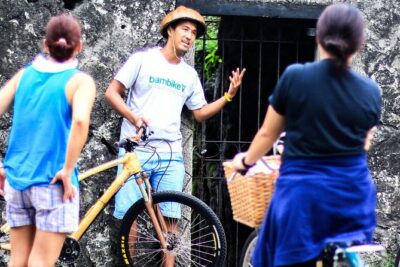
Experience Intramuros with Bamboo Bicycle – Ecotours
Read our review →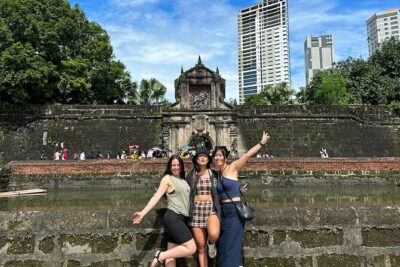
Intramuros, Chinatown, and Old Manila Half-Day Tour
Read our review →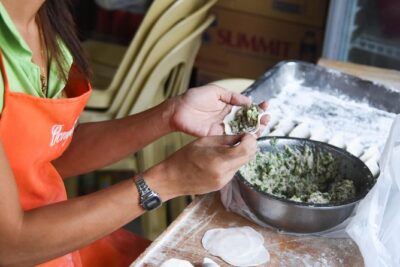
Manila Food Tour: Explore World’s Oldest Chinatown
Read our review →
Explore Intramuros: Introduction to Philippine History
Read our review →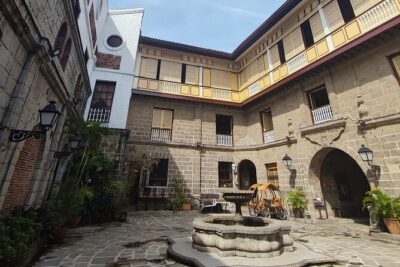
Experience Manila’s Heritage: Intramuros & More in Half a Day!
Read our review →Browse the lists this tour appears in