
Reviewed · FILIPINO FOOD & STREET FOOD TOURS
Manila: Street Food and Drinks Walking Tour with Tastings
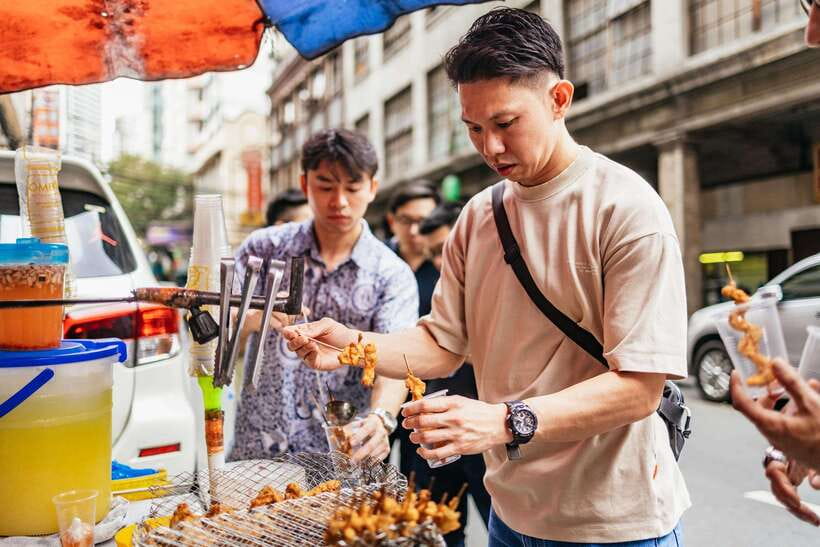
Manila’s best food lesson may happen beside a crowded market stall, not in a polished restaurant. This two-hour walk through Binondo and nearby parts of old Manila gives you a guided route through Filipino snacks, noodle dishes, grilled seafood, sweets, and drinks, with local transport folded into the outing.
I like the wide tasting list, which can include kwek kwek, turon, pancit palabok, grilled squid, mango with shrimp paste, and halo-halo. I also like the way guides such as Mari, Tess, and Jessie explain what you are eating while helping you move through busy streets. The main drawback is clear: this is a meat and seafood-heavy tour, so vegetarians and vegans should skip it.
Key points at a glance
- Six to ten tastings in two hours: Come hungry, since the food can add up quickly.
- Binondo meeting point: You start at Grand Cafe 1919 on Juan Luna Street in Manila.
- Local transport included: The route may feature a jeepney ride or the distinctive limousine-style tricycle.
- Guides who add context: Mari is especially praised for her warmth, energy, food explanations, and knowledge of Manila.
- Real street-food setting: You eat in small local spots and side streets rather than spending the tour in formal restaurants.
- Important limits: The walk is not suitable for wheelchair users, vegans, vegetarians, or pregnant women.
Why this two-hour food walk works
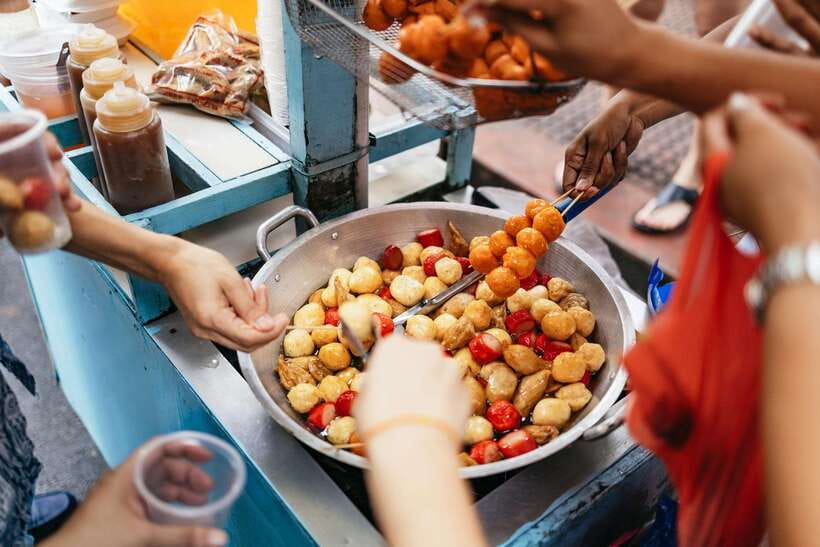
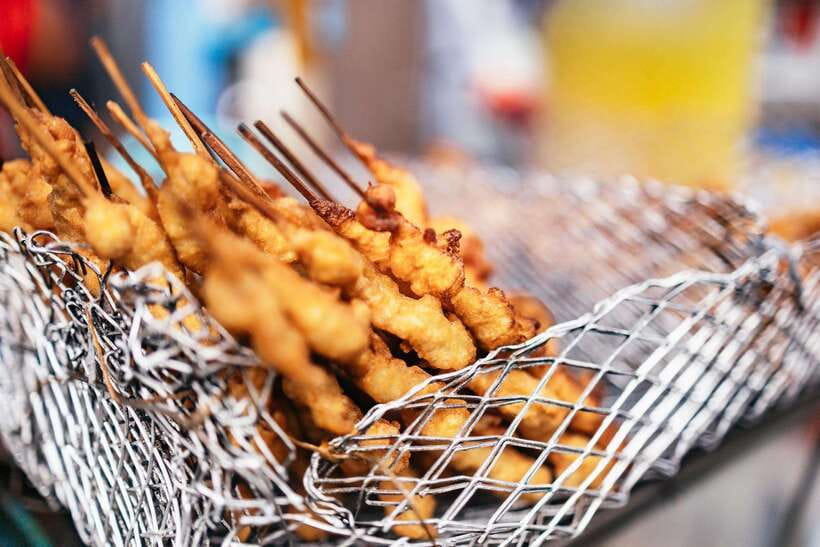
A street-food tour is useful in Manila because many of the best-known dishes are not obvious to a first-time visitor. A tray of orange kwek kwek may look simple, while a bowl of sotanghon soup or pancit palabok can carry more flavor and texture than you expect.
Your guide gives you a way into that food culture. You do not have to guess which stall to choose, how much to order, or how to eat something unfamiliar. The guide can also explain the area, point out local habits, and keep the group together as you cross crowded streets.
The group is limited to 10 participants according to the activity details, with another description listing a limit of 12. Either way, this is designed as a small-group walk, not a large bus excursion. A smaller group makes it easier to ask questions and share food at several stops.
The pace is another strength. You walk, stop, taste, talk, and move on. You are not sitting through a long meal, but you are also not being rushed from one bite to the next. Several guides have been praised for keeping the timing comfortable, with breaks for drinks during the heat.
More Food Tours in Manila
- Manila Food Tour: Explore World’s Oldest Chinatown
★ 5.0 · 158 reviews - Manila: Guided Food Tour of Binondo with Tastings
★ 4.8 · 38 reviews - Manila Street food and Night Market Tour
★ 4.7 · 21 reviews
Starting at Grand Cafe 1919 in Binondo
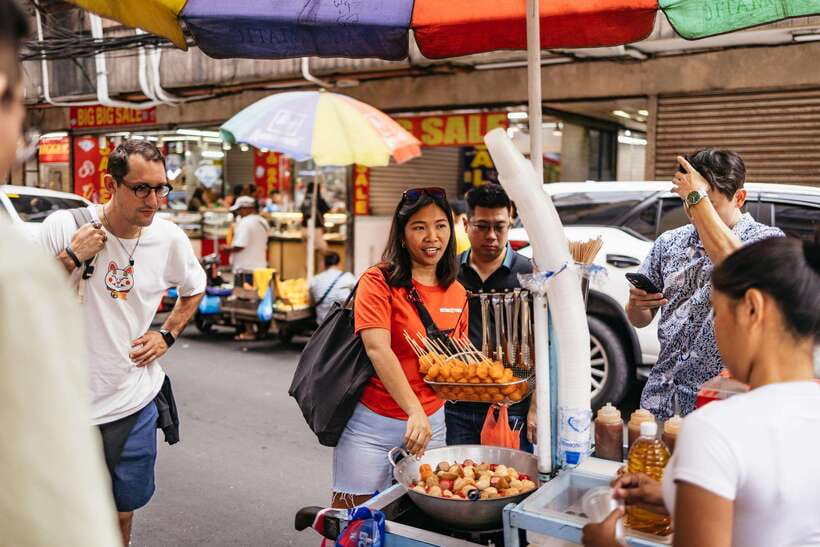
The meeting point is Grand Cafe 1919 in Binondo, at Juan Luna in Manila. It is a practical place to meet because you can have a drink and use the facilities before the walk begins.
Arrive ready for the street. Wear comfortable shoes, since the tour is on foot and includes crowded areas. You should also come hungry, but not so hungry that you rush the first few tastings. This tour can include a lot of food in a short time.
Binondo gives the route a strong sense of place. You move through streets where shops, markets, food stalls, and daily errands all overlap. Some areas are open and easy to cross. Others can feel tight and crowded, especially during festivals or major public events.
Chinese New Year, for example, can make walking more difficult because of parade crowds. That does not make the tour impossible, but it can slow the route and demand more care from both you and the guide. If you prefer a quiet walk, avoid booking on a major celebration day.
The first bites: sweet, salty, and fried
The tasting list changes with what is available, but the advertised selection gives you a good idea of the range. You might start with banana cue, a fried banana coated with brown sugar, or kamote fries made from sweet potato.
Turon is another likely highlight. This fried banana snack has a crisp wrapper and a sweet center, and it is one of the easiest street foods for first-time visitors to enjoy. It also gives you a useful introduction to the Filipino fondness for fried snacks with a sweet finish.
Kwek kwek is more adventurous for some people. These are quail eggs coated in orange batter and fried, often served with sauces. The dish is small, easy to share, and a good test of your willingness to try something that may look unfamiliar.
You may also see lumpia or other fried bites, depending on the day. The exact lineup is not fixed, so you should think of the tour as a tasting route rather than a guaranteed menu.
Mango with shrimp paste brings a sharper contrast. The fruit is sweet and juicy, while the shrimp paste adds salt and a strong savory edge. This is the kind of combination that makes a guided tasting useful, since your guide can explain how the flavors fit together.
Noodles, soup, and savory street food
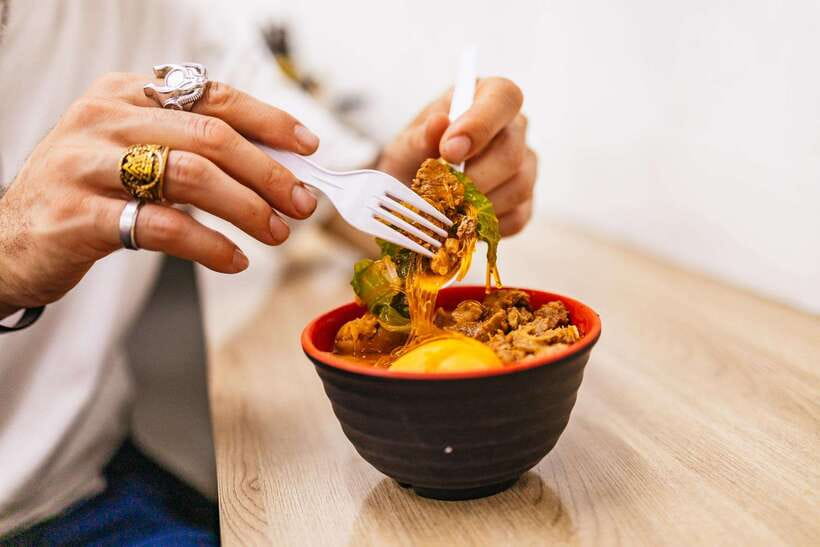
The route can include siomai, sotanghon soup, palabok, and Filipino-style pancit. These dishes show a different side of the food culture from the fried snacks.
Sotanghon is a noodle soup, useful on a hot day because it gives you something warm and savory while you are walking. Pancit refers to Filipino noodle dishes, and the preparation can vary. Palabok is usually more strongly seasoned, with a sauce and toppings that make it heavier than a quick snack.
These stops also help break up the tasting pace. A tour made entirely of fried food would become tiring, especially in Manila’s heat. Soup, noodles, fruit, and drinks give your palate a change of direction.
The portions are intended for tasting, but the total amount can still be substantial. Several people found the food generous enough that skipping breakfast was sensible. I would not plan a large lunch immediately afterward.
More places to eat your way through Manila:
- Makati Street Food Experience end with a Rooftop Bar
★ 5.0 · 33 reviews - Cebu City: Historical Street and Food Tour
★ 4.9 · 31 reviews
Grilled seafood and the more daring choices
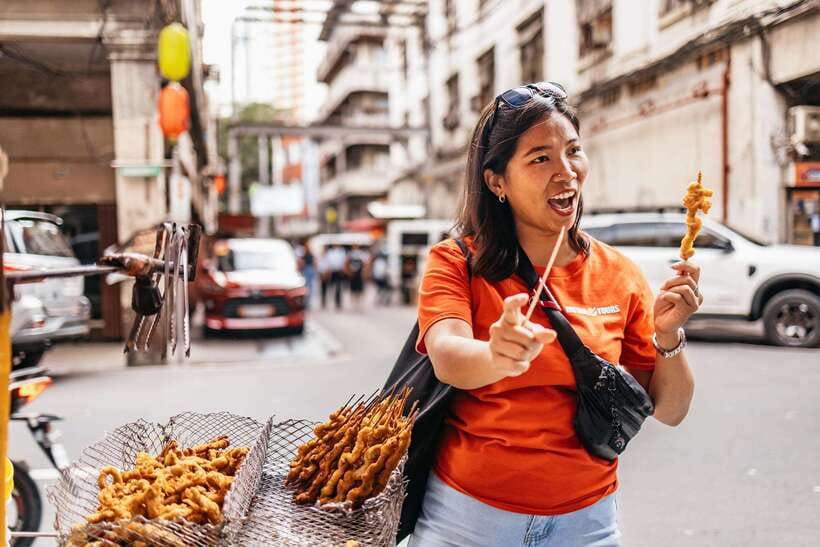
Grilled squid may appear among the savory stops. It offers a smoky, chewy change from fried foods and adds seafood to a menu that already leans toward meat and eggs.
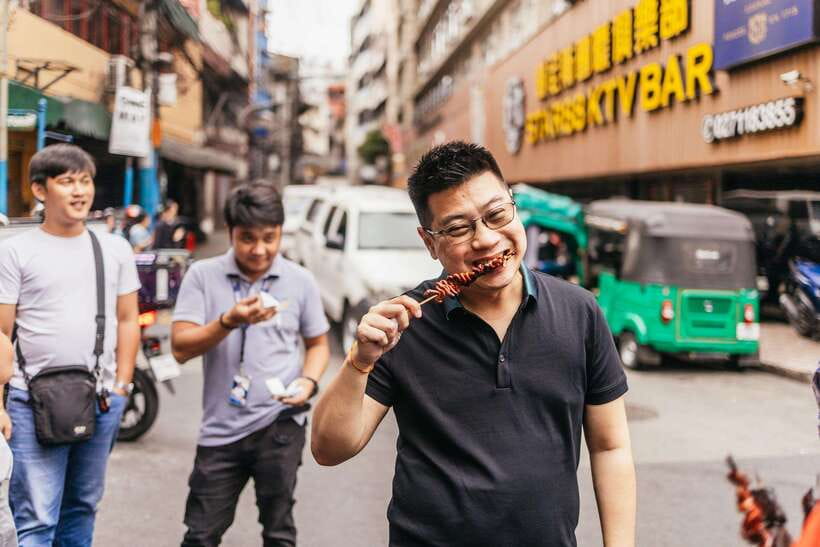
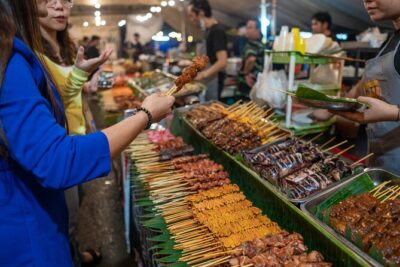
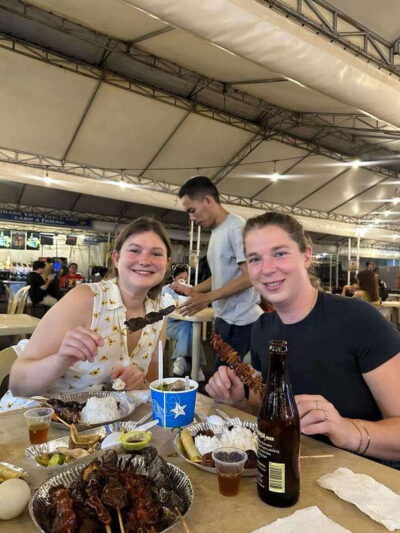
Some routes have also included chicken intestine, pork on a stick, fried calamari, and other grilled or fried items. These are not guaranteed, but they show the sort of food you may encounter in local stalls.
Balut is the biggest challenge for many people. It is a fertilized duck egg with an embryo inside. You are not required to eat it, and you can simply watch others try it if it is offered. One practical approach is to treat it as a cultural experience rather than a test of bravery.
The tour is not a good fit if you need to avoid meat, seafood, eggs, or unfamiliar food textures. The activity specifically excludes vegetarians and vegans, and it is also listed as unsuitable for pregnant women. If you have food allergies, ask the operator before booking, since the provided details do not list allergy accommodations.
Halo-halo and drinks at the finish
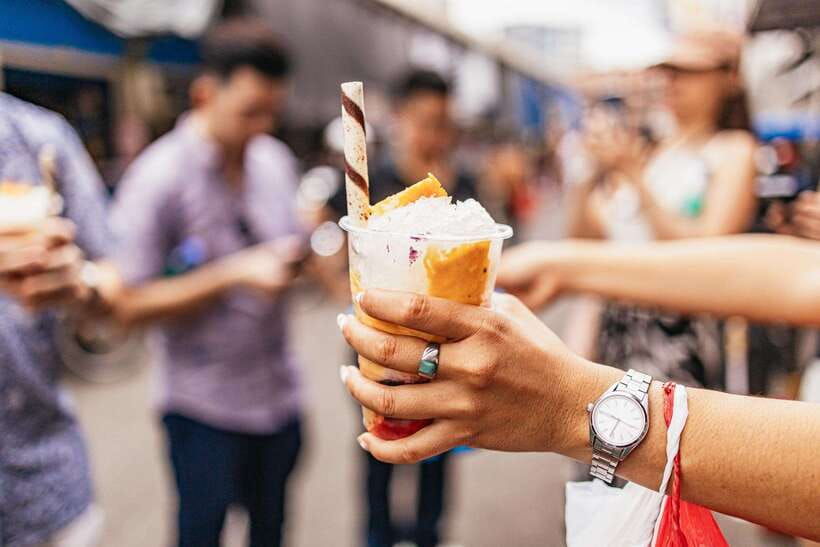
Dessert gives the route a welcome change of pace. Halo-halo is a colorful Filipino dessert made with a mixture of sweet ingredients, shaved ice, and a creamy topping. It is cold, sweet, and especially welcome after walking outside.
The exact contents can vary, so expect a mixed dessert rather than a single-flavor ice cream. Halo-halo is best approached with curiosity. You combine the ingredients and get several textures in one spoonful.
Drinks are included in the tasting experience. Depending on availability, you may receive water, refreshing juice, buko juice, or another local drink. The drinks matter more than they might on paper, since Manila’s heat can make a walking food tour feel much longer without regular refreshment.
A few people have noted the value of having drinks spaced through the route. That is a useful detail for anyone visiting during a hot period. Bring water if you prefer to manage your own supply, but do not assume every drink will be familiar.
Riding a jeepney or limousine-style tricycle
Transportation is part of the appeal. The tour may include a jeepney ride or a ride in what the activity calls a Lamborghini tricycle, also described as a limousine-style tricycle.
A jeepney is one of the most recognizable forms of local transport in the Philippines. Taking one with a guide is easier than trying to work out the route and boarding process alone, especially if you are unfamiliar with local payment and street customs.
The tricycle ride provides a different experience. It is short, practical, and more intimate than a jeepney. The ride has been used as a fun way to finish the route or return toward the meeting point.
Do keep expectations flexible. The transport mode can depend on the route, traffic, and local conditions. One tour did not include the promised jeepney ride, while another included several forms of local transport. If the jeepney is essential to your plans, confirm the current arrangement before booking.
What your guide adds to the experience
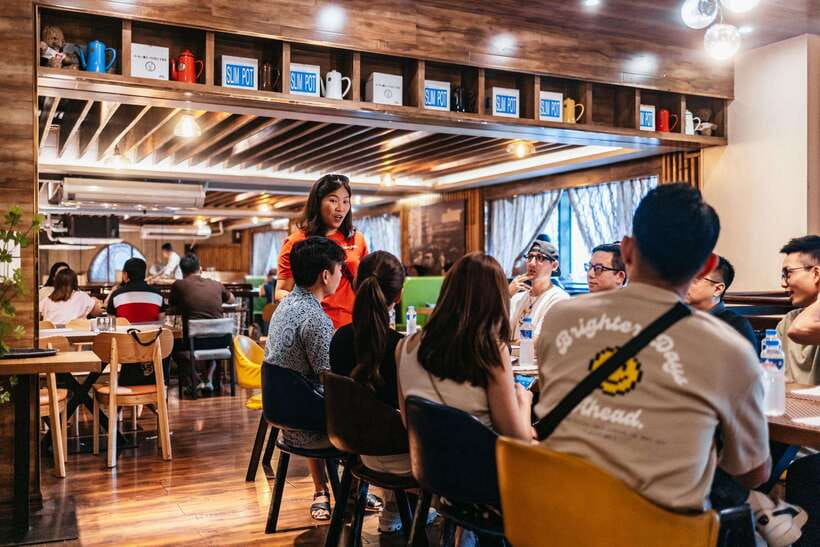
The guide is the reason this tour is more useful than simply wandering through Binondo with a food list. Guides such as Mari have been praised for explaining dishes, answering questions, keeping people together, and making solo visitors feel comfortable.
Mari is described as energetic, warm, funny, and deeply interested in showing people her city. That personal energy matters in a food tour. You may be willing to try something new because the guide explains it clearly and gives you a simple way to start.
Tess and Tessie have also led tours, with guests appreciating their friendly approach and explanations about Filipino culture. Jessie and Chai are among the other guides associated with the experience. Your guide is assigned by availability, so you should not assume that Mari will lead every departure.
The language offered is English, with the general tour information also identifying Tagalog-speaking local guidance. The guide’s role goes beyond food. You can ask about the streets, the neighborhood, transport, local customs, and the ingredients in front of you.
The strongest part of the experience is often the connection between food and place. A bowl of noodles is more meaningful when you know where you are, who eats it, and why a particular stall matters to local routines.
How difficult is the walk?
This is a walking tour through city streets, markets, and crowded areas. You need comfortable shoes and enough balance to manage uneven or congested walking conditions.
It is not suitable for wheelchair users. Parents can bring children aged 3 to 7 with guidance, but the combination of traffic, crowds, hot weather, and unfamiliar food means you will need to supervise closely.
The route may involve getting on and off local transport. If you have limited mobility, ask before booking. The activity details do not promise a step-free route or alternative transportation.
Rain does not automatically cancel the tour. It operates rain or shine, so bring suitable protection and wear shoes that can handle wet streets. A rain shower may make the walk less comfortable and may affect which food stalls are open.
Is $68 a fair price for two hours?
At $68 per person, this is not a cheap snack run. You are paying more than the street food itself, but the price includes 6 to 10 tastings, drinks, a guide, the walking route, and local transportation when provided.
The value depends on how much help you want. If you are comfortable choosing stalls, asking questions, and navigating Binondo alone, you could spend less on food. If you want someone to choose stops, explain dishes, manage the route, and help you handle unfamiliar transport, the fee becomes easier to justify.
The tour also saves time. In two hours, you get a concentrated introduction to several Filipino foods without spending half a day working out where to go. For a short Manila visit, that can be worthwhile.
I would book this early in your stay rather than at the end. It can help you identify foods you want to seek out again, and it gives you a local starting point for exploring the area on your own.
Free cancellation is available up to 24 hours before the tour for a full refund, and you can reserve now and pay later. The activity asks you to book at least 24 hours before the start.
Who should book this street-food tour?
You should consider it if you enjoy trying unfamiliar food, want local context, and prefer a small group to a formal cooking class. It is especially useful for solo visitors who want support in crowded streets, or for couples who want an easy introduction to Filipino food.
It also suits people who have only a short time in Manila. The route combines food, neighborhood walking, and local transport, so you get several experiences in one compact outing.
You may want to skip it if you are vegetarian, vegan, pregnant, or very cautious about food textures. It is also a poor match if you want a quiet, polished meal or a fully fixed menu.
My call: book it if you want food with a sense of place
I would book this tour for a first taste of Manila, especially if you are unsure how to approach street food on your own. The combination of Filipino dishes, Binondo streets, local transport, and a guide who can keep the route friendly and manageable gives you more than a list of snacks.
Come hungry, wear good shoes, and accept that the exact food lineup may change. The best moments may be a dish you did not plan to try, a short jeepney or tricycle ride, or a side street you would have missed alone.
Skip it if dietary restrictions rule out most of the menu. For everyone else, $68 is a reasonable spend for a compact introduction to Manila’s food culture, provided you value guidance and context as much as the food itself.
FAQ
Where does the Manila street-food tour meet?
The meeting point is Grand Cafe 1919 in Binondo, on Juan Luna in Manila.
How long does the tour last?
The tour lasts two hours. Starting times depend on availability.
How many food tastings are included?
You can expect between six and ten food tastings, depending on what is available during the tour.
What foods might I try?
Possible tastings include banana cue, kamote fries, turon, kwek kwek, siomai, sotanghon soup, palabok, Filipino pancit, grilled squid, mango with shrimp paste, and halo-halo. The exact selection can change.
Is transportation included?
The experience includes a walking tour and may include a jeepney ride or a limousine-style tricycle. The exact transport used can vary.
Is the tour suitable for vegetarians or vegans?
No. The tour is not suitable for vegetarians or vegans because several dishes contain meat, seafood, or other animal products.
Can children join the tour?
Children aged 3 to 7 can join with guidance. The tour is not suitable for wheelchair users, pregnant women, vegetarians, or vegans.
More Walking Tours in Manila
- Viva Old Manila: Intramuros Walking Tour
★ 4.9 · 104 reviews - Manila: Sightseeing and Food Walking Tour with Tastings
★ 4.7 · 68 reviews - Manila: Intramuros Walking Tour.
★ 4.9 · 63 reviews - Intramuros Walking Tour with Transportation by Don’t Skip Manila
★ 5.0 · 46 reviews
Just added in Manila
- From Manila: Villa Escudero Guided Tour★ 5.0 · 19 reviews
- Breathtaking Cultural Experience in Villa Escudero★ 4.5 · 15 reviews
- Solo Traveler Friendly Manila Walk w/ Mobile Photography★ 5.0 · 22 reviews
- Day hike to Mount Daraitan with Tinipak River 2024★ 5.0 · 22 reviews
- Manila Street food and Night Market Tour★ 4.7 · 21 reviews
- Manila: Binondo Chinatown Guided Walking Tour★ 5.0 · 27 reviews
- Tagaytay, Taal Volcano & Heritage Town: A Journey of Discovery★ 5.0 · 29 reviews
- From Manila: 2-Day Buscalan Tour with Apo Whang-od★ 3.6 · 29 reviews
Filipino Food & Street Food Tours, compared.
Manila Food Tour: Explore World’s Oldest Chinatown
Read our review →
Makati Street Food Experience end with a Rooftop Bar
Read our review →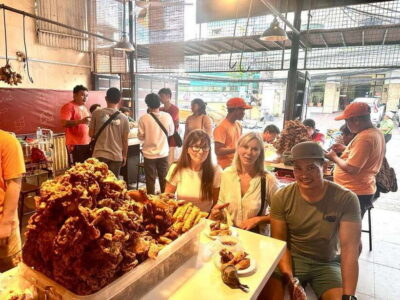
Browse the lists this tour appears in