
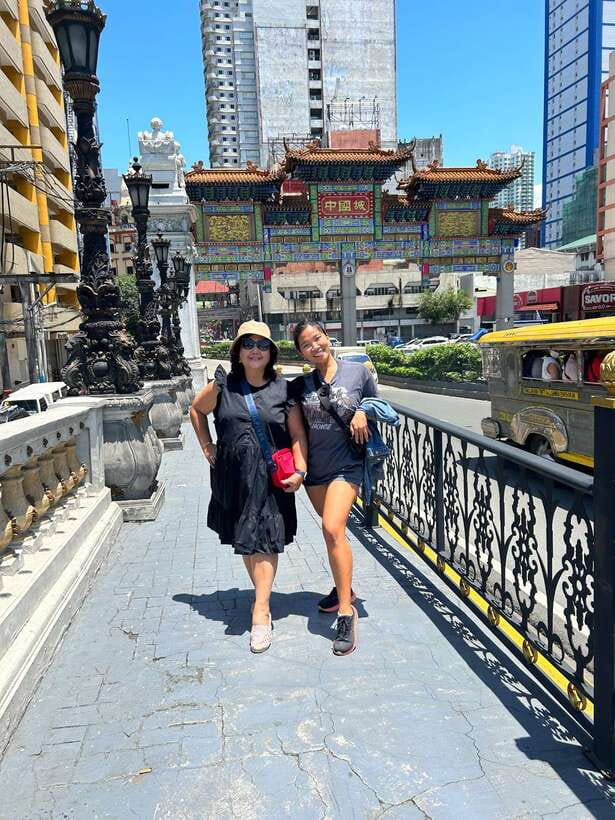
Reviewed · INTRAMUROS HERITAGE WALKS
Manila: Binondo Chinatown Guided Walking Tour
Binondo is where Manila’s Chinese and Filipino stories meet over dumplings, noodles, pastries, and old shopfronts. This two-hour tour takes you through one of the world’s oldest Chinatowns, with local guide Mari or Maria explaining how Chinese merchants settled in the Philippines and shaped the district.
I like the small group of no more than 10, which makes it easier to ask questions and adjust the pace. I also like the mix of old buildings, local history, and food advice, rather than a walk that treats Chinatown as one long photo stop. The main caution is simple: food is not included in the $50 price, and two hours can feel tight if you want to try several dishes and linger over every landmark.
Key points at a glance
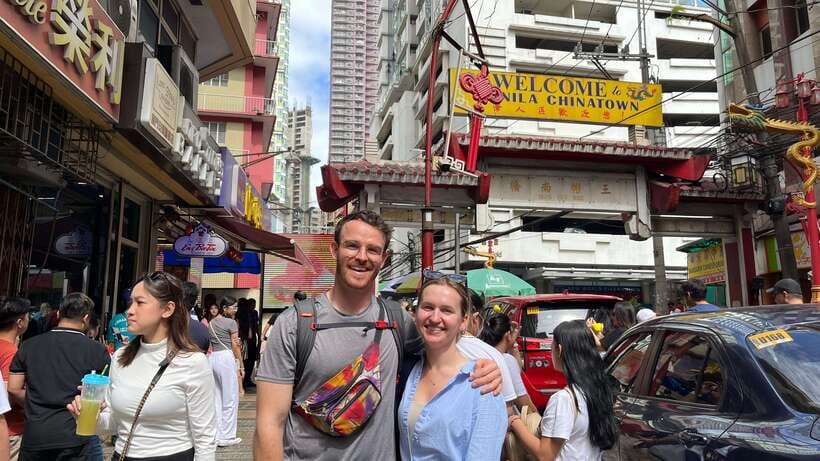
- Binondo’s Chinese-Filipino food: Expect guidance toward dumplings, soup noodles, desserts, and other local favorites, with tastings paid separately.
- Guides with local character: Mari and Maria receive especially strong praise for their warmth, clear explanations, photography, and care with different walking speeds.
- A history-focused route: You learn about Chinese merchants in the Philippines while seeing old buildings and architecture shaped by Spanish rule.
- A compact two-hour format: The route is packed with food, culture, and landmarks, though one guest found that two hours was barely enough.
- Small-group attention: The tour is limited to 10 people and is offered in English or Tagalog.
- Walking with a possible tuk-tuk element: The description refers to tuk-tuks, markets, and street stops, but the main experience is presented as a guided walking tour, so confirm the exact meeting and transport details before booking.
Binondo is Manila served on a plate
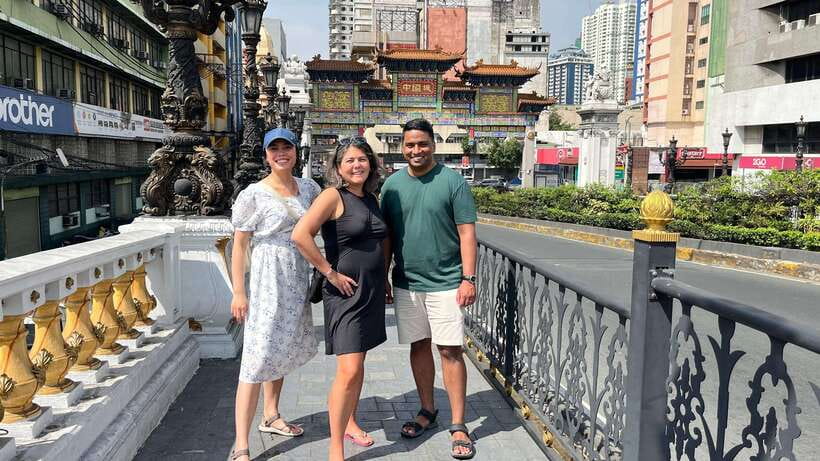
I like tours that help you read a place instead of simply passing through it. Binondo gives you plenty to read: narrow alleys, older buildings, Chinese-Filipino businesses, food counters, and streets where daily commerce matters more than postcard polish.
This is not a formal museum tour. Your guide leads you through the neighborhood and explains how Chinese merchants settled in the Philippines and helped shape Binondo. You also get a look at some of the oldest buildings in Manila’s Chinatown, including architecture connected with the Spanish period.
The food is a major part of the appeal. The stops may include dumplings, soup noodles, dessert, coffee, and other Chinese-Filipino dishes. The exact food choices can vary, but the purpose is clear: your guide helps you find places you might miss on your own and explains the local character of what you are eating.
I would not book this as a simple sightseeing stroll. It works best as a compact introduction to Binondo, especially if you want someone to connect the food, buildings, and people into one story.
More history on foot in Manila:
- Intramuros, Manila: Historical Bamboo Bike Tour
★ 4.8 · 583 reviews - Experience Intramuros with Bamboo Bicycle – Ecotours
★ 5.0 · 508 reviews - Manila: Intramuros, Chinatown, and Old Manila Half-Day Tour
★ 4.8 · 475 reviews
What the two-hour route is likely to cover
The tour begins in the streets of Binondo, where your guide helps you get oriented among alleys, shops, food businesses, and local traffic. The supplied description also refers to a tuk-tuk adventure and stops at markets and street food stalls. Since the title identifies this as a guided walking tour, I would confirm whether a tuk-tuk ride is part of your specific departure or simply part of the wider tour description.
The first part should give you a feel for the district itself. Binondo is best understood at street level, where a short turn can bring you from an old facade to a food counter or a crowded market lane. You will want comfortable shoes and a willingness to keep moving.
The history section focuses on Chinese settlement in the Philippines. This matters because Binondo is not just a themed dining district. Its Chinese-Filipino identity developed through trade, family businesses, religion, food, and daily life. A good guide can make that story easier to understand while you are standing in the streets where it unfolded.
You will also see older buildings and architectural details. One guest particularly enjoyed discussing the older structures and Spanish-influenced design with the guide. Do not expect a long architectural lecture, but do expect useful context about why certain buildings look different from the newer parts of Manila.
The food stops are the most flexible part of the outing. You might try dumplings, soup noodles, sweets, coffee, or other local fare. The guide’s role is valuable here because choosing food in an unfamiliar district can be difficult when menus, queues, and portion sizes are not obvious.
One practical point: the food is not included in the $50 tour fee. That gives you some freedom, since you are not locked into a fixed tasting menu, but you should budget extra for anything you eat. A small appetite can also work against you. The route may involve several tastings, so arriving hungry is sensible.
Mari and Maria make the difference
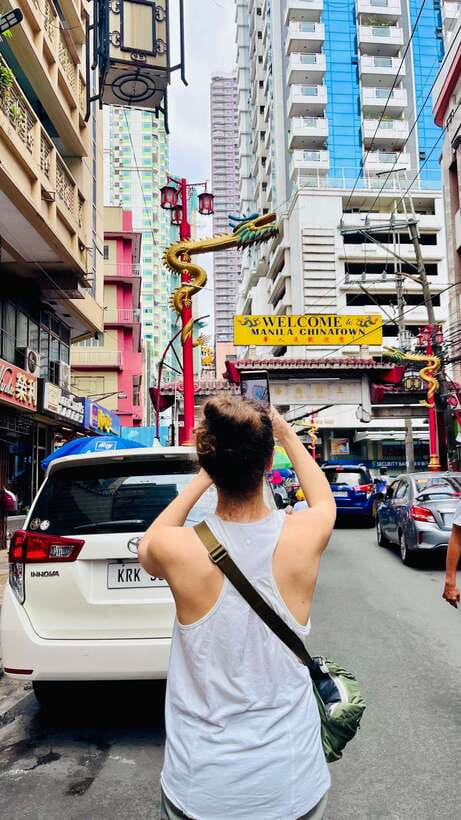
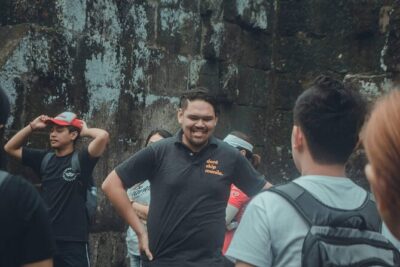
The strongest part of this experience is the guide. Mari is repeatedly described as cheerful, friendly, energetic, patient, and passionate about Binondo. She is also praised for knowing where to find good food, explaining local culture clearly, and taking photos during the walk.
That last detail is useful. If you are traveling alone or want a few pictures of the experience, Mari has a reputation for helping with photos rather than simply pointing out camera angles. Maria is also praised for clear explanations, professionalism, and a friendly manner.
The guide style seems personal rather than stiff. You can ask questions about older buildings, food, local culture, pop culture, and current topics. One guest enjoyed ending the outing with coffee and cake while talking about contemporary life in Binondo.
The guides also appear attentive to pace. The tour has been adjusted for older participants, and the small group makes that more realistic than it would be on a large coach excursion. Still, this is a walking tour through busy city streets, not a seated sightseeing experience. Anyone who needs frequent rest should discuss that before booking.
The food is the reason to arrive hungry
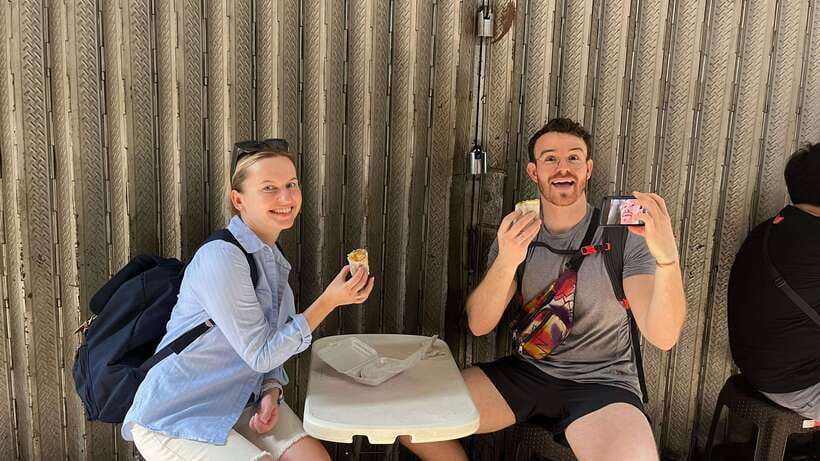
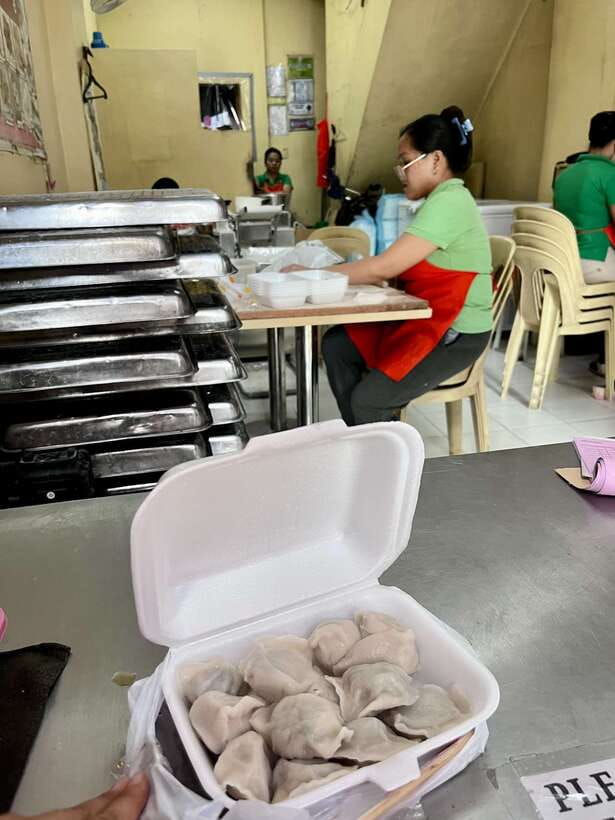
Binondo’s food is not presented as an add-on. It is one of the main ways the tour explains the neighborhood.
Chinese-Filipino cuisine is useful cultural evidence. Dumplings, noodles, desserts, and other dishes show how Chinese traditions have adapted to Filipino tastes and local ingredients. You are not only eating something tasty. You are seeing how communities preserve identity while changing with their surroundings.
The guide can also save you time. Several food stops are described as places that would be difficult to find alone, and one guest appreciated avoiding long queues. That can make a real difference during a short tour. You spend more time eating and learning, and less time guessing which counter to choose.
The drawback is cost control. Because food is extra, the final bill depends on what you order. This may be cheaper and more flexible than a fixed food package, but you should not assume that the advertised price covers the tasting portion.
I would also avoid arriving after a large breakfast. The route is described as food-heavy, and one guest felt that the two-hour schedule barely allowed enough time. You do not need to eat every offering, but an empty or nearly empty stomach will make the route more enjoyable.
A few more things to do in Manila worth a look
- Manila: Street Food and Drinks Walking Tour with Tastings
★ 4.8 · 114 reviews - Viva Old Manila: Intramuros Walking Tour
★ 4.9 · 104 reviews - Manila: Sightseeing and Food Walking Tour with Tastings
★ 4.7 · 68 reviews - Manila: Intramuros Walking Tour.
★ 4.9 · 63 reviews
Old buildings add weight to the walk
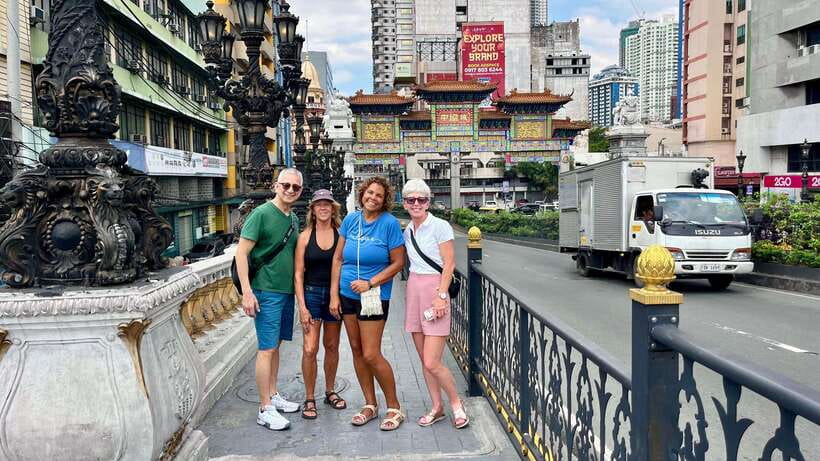
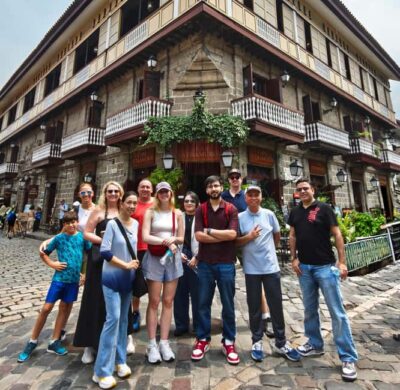
Food alone can make a pleasant outing, but the buildings give this tour more purpose. Binondo’s older structures help you see Manila as a layered city, shaped by Chinese commerce, Filipino life, and Spanish rule.
Your guide points out some of the oldest buildings in the Chinatown area and explains parts of their design. I like this because architecture can otherwise disappear into the noise of a commercial district. Once you know what to look for, a doorway, facade, or street layout can say a lot about the neighborhood’s past.
Do not expect every building to be preserved like a museum piece. Binondo is a working district. Shops, traffic, food stalls, and modern businesses share the same streets as older structures. That contrast is part of the experience, but it also means the walk may feel crowded and visually busy.
If you enjoy taking pictures, the mix of old and new gives you plenty to frame. Mari’s photography help is another useful touch, particularly for solo participants.
How the $50 price measures up
At $50 per person, this is not the cheapest way to walk through Binondo. You can enter the district on your own without paying a guide, and food remains an additional expense.
The value comes from the combination of local guidance, route planning, history, food suggestions, and a small group. If you already know Binondo well, you may not need that help. If this is your first visit, the guide can reduce the uncertainty of choosing where to go and what to eat.
The tour also saves you from turning your limited Manila time into a research project. You do not need to study the district beforehand, identify old buildings, or guess which food stops are worth trying. For a first introduction, that can justify the price.
I would judge the value by your priorities. If you mainly want an inexpensive meal, book a restaurant instead. If you want a guided introduction that combines food with the story of the neighborhood, the fee is easier to defend, especially with a group of only 10 people or fewer.
Timing, group size, and practical comfort
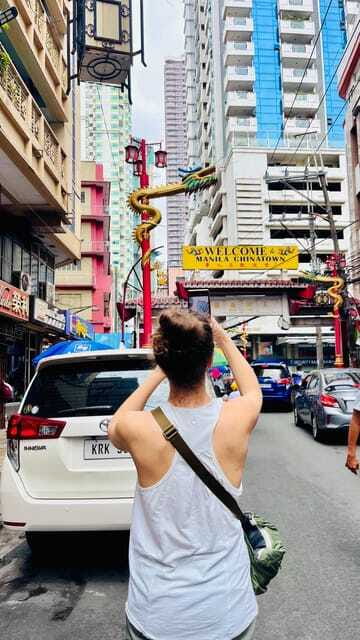
Two hours is enough for a focused introduction, but it is not enough for an unhurried tour of every corner of Binondo. The route is described as packed, and one guest felt the tour could use more time. Go in expecting a brisk sample rather than a full-day exploration.
The small group is a strong advantage. With a maximum of 10 participants, you should be able to hear the guide and ask questions without waiting through a long line of people. It also makes pacing adjustments more manageable.
The tour is offered in English and Tagalog. That makes it accessible to English-speaking visitors while retaining a local language option.
A bottle of water is included as a welcome drink. Food tastings are not included. Bring money for dishes you want to try, and wear shoes suited to walking on city streets.
The activity is not suitable for wheelchair users or people with heart problems. That restriction is important because the route involves walking and city conditions that may not be easy for everyone. If you have mobility or health concerns, ask the provider for current route details before reserving.
The booking terms are flexible: you can cancel up to 24 hours before the activity for a full refund, and you can reserve now and pay later. Starting times depend on availability.
One detail needs checking before you commit. The supplied location says Nueva Vizcaya, while the experience itself is clearly described as a Manila, Binondo activity. The description also mentions tuk-tuks, while the title emphasizes walking. Confirm the exact meeting point, city, and transport arrangement with Mstartours.
Who will enjoy this Binondo tour?
I would recommend it to first-time visitors who want a quick introduction to Chinatown without planning every stop themselves. It also suits food-focused visitors who want local help choosing Chinese-Filipino dishes.
Solo visitors should find the guide and photography support useful. Couples and families can also benefit from the small-group format, especially if they enjoy trying several foods and asking questions along the way.
History fans may like the older buildings and the discussion of Chinese settlement and Spanish-influenced architecture. This is not a specialist history walk, but it gives you a practical way to connect the past with the streets in front of you.
I would be more cautious if you dislike crowds, cannot walk comfortably, or want a slow architectural tour. The district is active, the schedule is compact, and the route may leave little time to stop at every interesting doorway.
Should you book it?
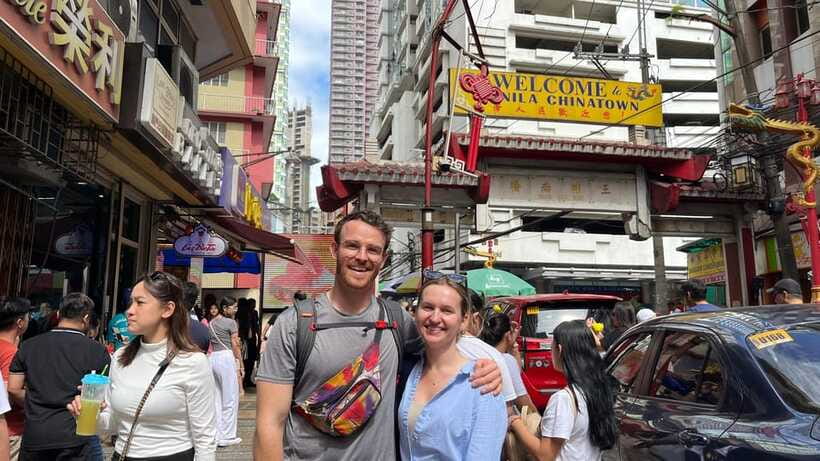
Book this tour if you want a lively first look at Binondo, with food, old buildings, and a guide who can explain how Chinese and Filipino culture meet in the district. Mari and Maria appear to bring the kind of warmth and local knowledge that makes a short walk feel personal.
Skip it if your main goal is the lowest possible food cost, a long leisurely visit, or a fully accessible route. Also confirm the Nueva Vizcaya reference and the tuk-tuk details before paying.
For most first-time visitors to Manila who enjoy walking and eating, this is a strong two-hour orientation. Just bring an appetite, extra money for food, and realistic expectations about the pace.
FAQ
Where does this tour take place?
The experience is described as a tour of Binondo Chinatown in Manila, Philippines. The supplied location also says Nueva Vizcaya, so confirm the exact meeting point and city with Mstartours before booking.
How long is the tour?
The tour lasts two hours.
What languages does the guide speak?
The live guide speaks English and Tagalog.
How many people are in the group?
The group is limited to 10 participants.
Is food included in the price?
No. Food tastings are not included, so you pay separately for any dishes or drinks you choose.
What is included?
A local guide and a bottle of water as a welcome drink are included.
Does the tour include a tuk-tuk ride?
The activity description refers to tuk-tuks, markets, and street food stops, while the tour title describes a guided walking tour. Confirm the exact transport arrangement before booking.
Is the tour suitable for wheelchair users?
No. The activity is listed as unsuitable for wheelchair users.
Is the tour suitable for people with heart problems?
No. The activity is listed as unsuitable for people with heart problems.
Can I cancel for a refund?
Yes. You can cancel up to 24 hours in advance for a full refund. You can also reserve now and pay later.
Just added in Manila
- From Manila: Villa Escudero Guided Tour★ 5.0 · 19 reviews
- Breathtaking Cultural Experience in Villa Escudero★ 4.5 · 15 reviews
- Manila Street food and Night Market Tour★ 4.7 · 21 reviews
- Solo Traveler Friendly Manila Walk w/ Mobile Photography★ 5.0 · 22 reviews
- Day hike to Mount Daraitan with Tinipak River 2024★ 5.0 · 22 reviews
- Manila: Intramuros Walled City Guided Walking Tour★ 4.5 · 30 reviews
- Half-Day Manila City Tour★ 5.0 · 29 reviews
- Makati Rooftop Barhopping with Local Guide★ 4.8 · 26 reviews
Intramuros Heritage Walks, compared.
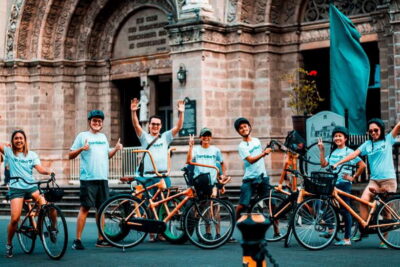
Intramuros, Manila: Historical Bamboo Bike Tour
Read our review →
Experience Intramuros with Bamboo Bicycle – Ecotours
Read our review →
Intramuros, Chinatown, and Old Manila Half-Day Tour
Read our review →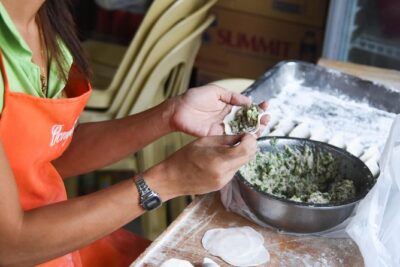
Manila Food Tour: Explore World’s Oldest Chinatown
Read our review →
Explore Intramuros: Introduction to Philippine History
Read our review →Browse the lists this tour appears in