
Reviewed · FILIPINO FOOD & STREET FOOD TOURS
Manila Food Tour: Introduction to Philippine Street Food
The best part of this three-hour outing is its setting: you eat in a real Filipino neighborhood, not on a polished tourist strip. A short tricycle ride from the meeting point leads you to local restaurants, bakeries, a bar, and food vendors serving the people who live nearby.
I like the generous range of food and drinks, with more than 15 tastings included. I also like the practical local advice. Guides such as Chloe and Jian bring food knowledge, neighborhood familiarity, and tips on where to eat and drink across Metro Manila. The main consideration is that this is not a tour for vegans, and the rain-or-shine format calls for comfortable clothes and shoes.
Key points to know before you book
- More than 15 tastings: Expect dumplings, grilled meat, fried savory snacks, sizzling food, drinks, beer, and a sweet finish.
- A local Mandaluyong setting: The route focuses on family-run places and neighborhood food vendors rather than a tourist dining district.
- A short tricycle ride: You meet at Starbucks near California Garden Square, then ride to the first food stops.
- Guides with different strengths: Chloe is warm and entertaining, while Jian brings food knowledge, local history, and a wider view of how Filipino dishes connect with other cuisines.
- Drinks are part of the price: Alcoholic and nonalcoholic drinks, bottled water, local juices, and beer are included.
- Best for curious eaters: You should arrive hungry, be open to unfamiliar food, and know that vegan requirements cannot be met.
Why this is a useful first taste of Manila
Manila is not a city you understand from a single landmark or a restaurant in a shopping mall. Its food culture is spread through neighborhoods, small eateries, bakeries, roadside vendors, and modest bars. Finding the right places can take time, especially if you do not speak Filipino or know which businesses serve local regulars.
This tour gives you a simple way to get oriented. You start at Starbucks near the main gate of California Garden Square in Mandaluyong City, then take a short tricycle ride to the food route. That ride is part of the experience. It helps move you from a familiar meeting point into the neighborhood where the eating takes place.
The tour is designed as an introduction, not a single specialty-food hunt. You move through several kinds of businesses and try a wide spread of Filipino street food. That variety matters. You can compare textures, cooking methods, and flavors instead of deciding what you think of Filipino food after one plate.
You should come properly hungry. More than 15 dishes and drinks are served during three hours, with food appearing at several restaurants, a bakery, a bar, and another bakery for dessert. Portions are intended for tasting, but the total amount can still be substantial.
More places to eat your way through Philippines:
- Manila Chinatown Food Tour Experience
★ 4.2 · 4 reviews - Manila Food Tour: Explore World’s Oldest Chinatown
★ 5.0 · 158 reviews - Manila: Street Food and Drinks Walking Tour with Tastings
★ 4.8 · 114 reviews
Starting at California Garden Square
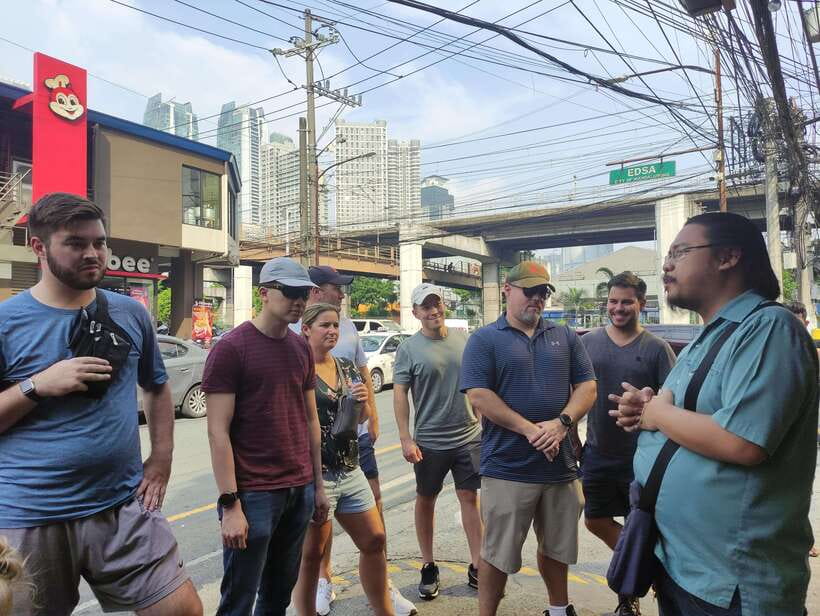
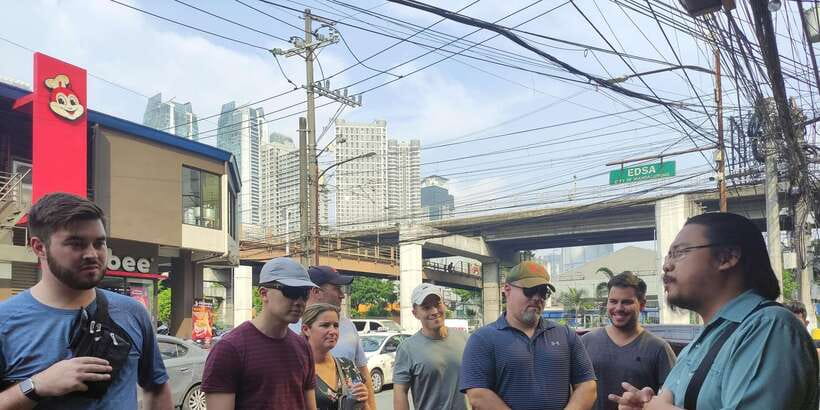
Your meeting point is inside the Starbucks located near the main gate of California Garden Square. This is a practical place to begin because it is easy to identify and gives you a clear indoor meeting spot before heading into the neighborhood.
Hotel pickup and drop-off are not included, so you need to make your own way there. Plan enough time to arrive calmly, especially if you are unfamiliar with Mandaluyong City. The tour returns to the same Starbucks after the food route, which keeps the beginning and ending simple.
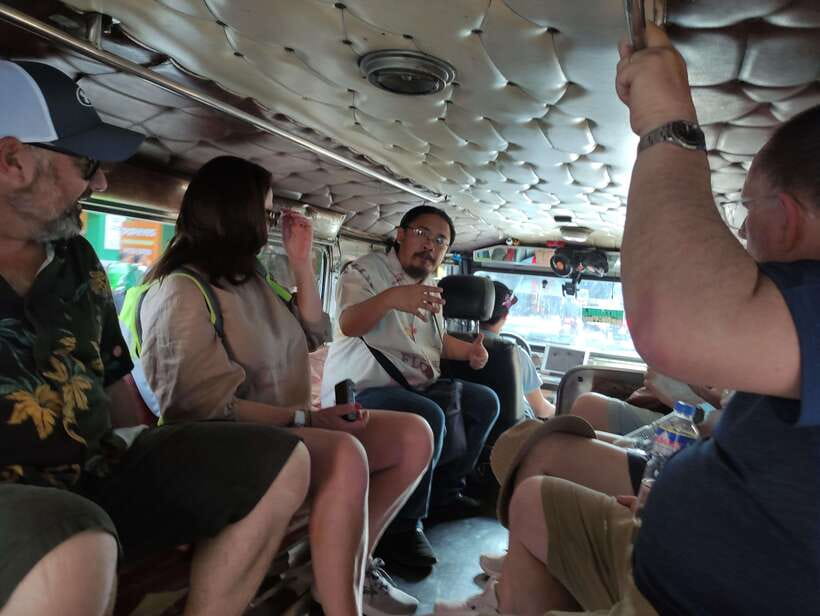
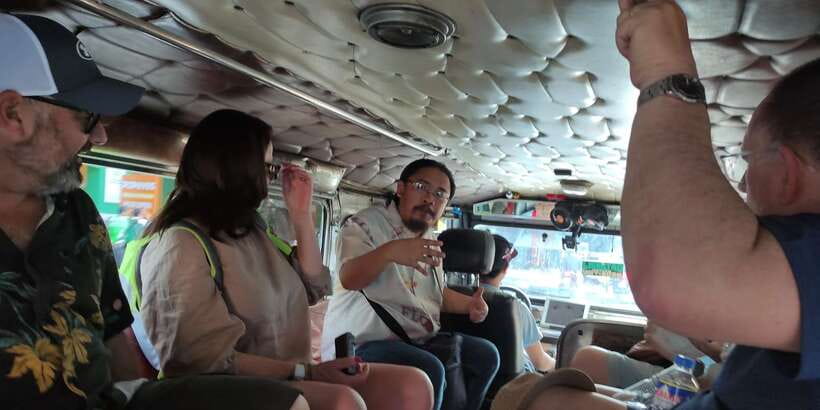
After a short orientation, you take a tricycle to the first stop. A tricycle is a common local form of transport, and this short ride gives you a quick look at how the route connects with the surrounding community. Do not expect a long sightseeing ride. The point is to reach the food stops efficiently and begin eating.
First restaurant stops: dumplings and local favorites
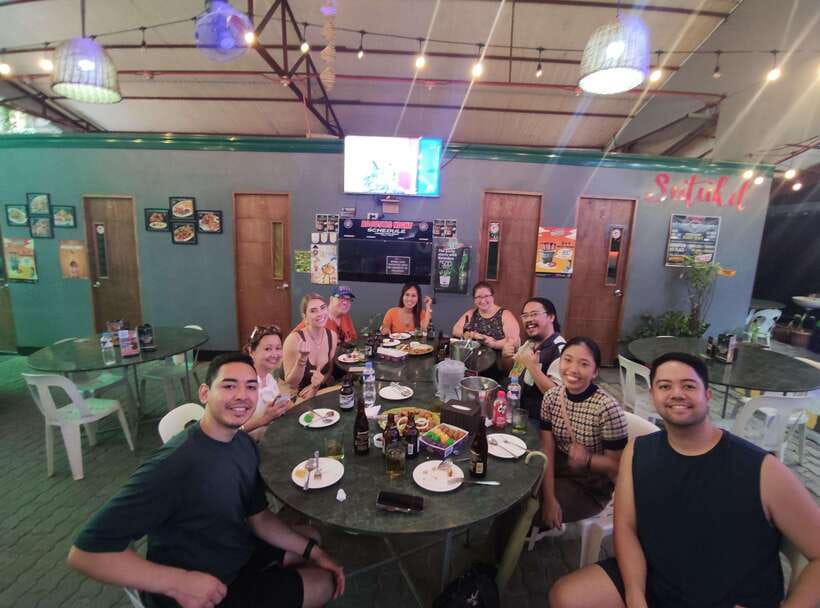
The early restaurant stops introduce the basic rhythm of the tour. You visit several local restaurants and sample different foods at each one, rather than sitting down for one large meal.
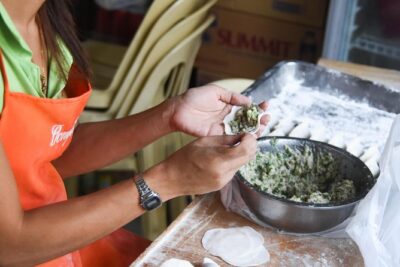
Steamed dumplings are among the styles included. They are a useful first bite because they are familiar enough for many people, yet still show how a common food fits into Filipino eating habits. You also move through other local dishes as the tour develops, with your guide explaining what you are eating and how it is normally enjoyed.
The exact order and selection can vary. Food tours depend on what local vendors are serving, so you should think of the route as a guided tasting rather than a fixed restaurant menu. That flexibility is helpful when a particular item is unavailable, but it also means you should not book expecting a precise list of named dishes.
The restaurant stops are especially useful if you want to return to the area later. Your guide can point out places that cater to local customers, and you can ask for suggestions about eating and drinking elsewhere in Metro Manila. Those tips may be more valuable than a single meal, since they help you make better food choices for the rest of your stay.
Grilled skewers, fried snacks, and sizzling food
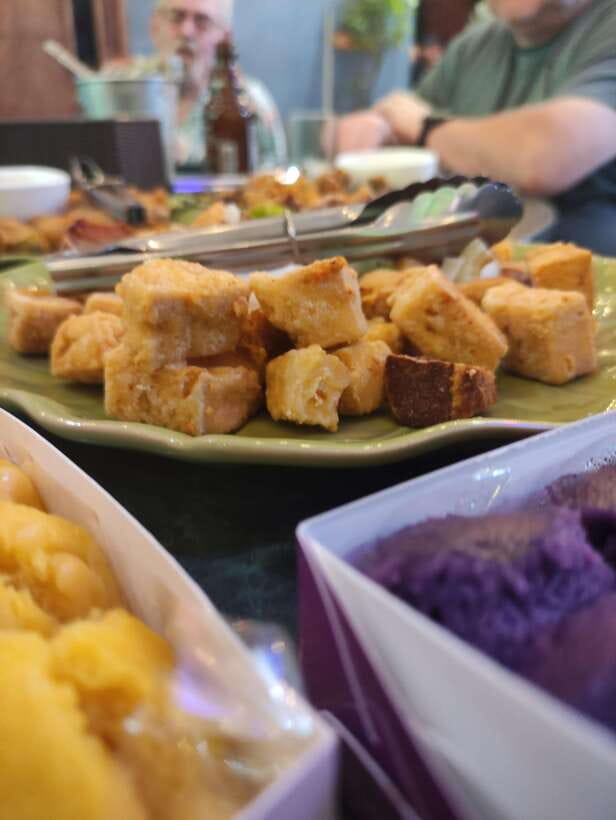
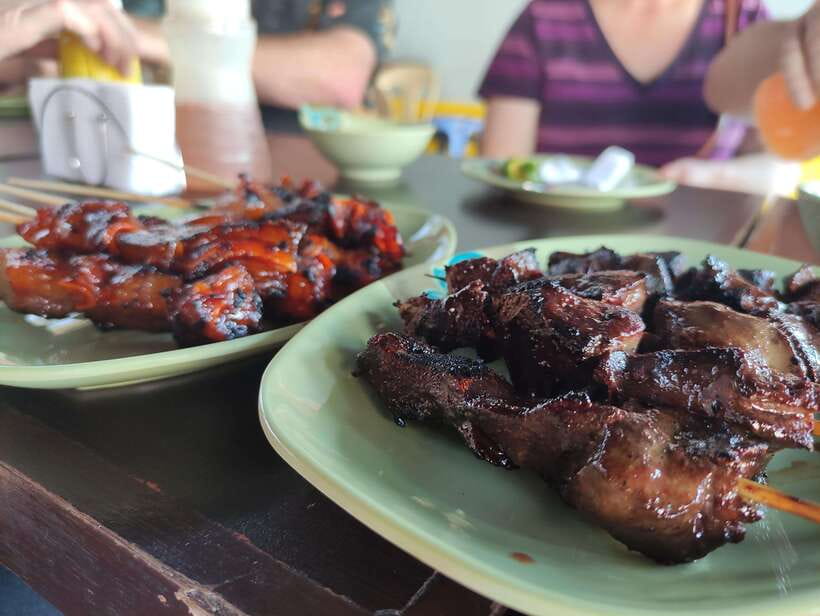
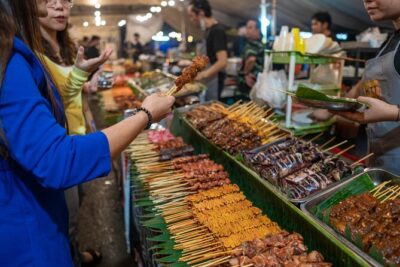
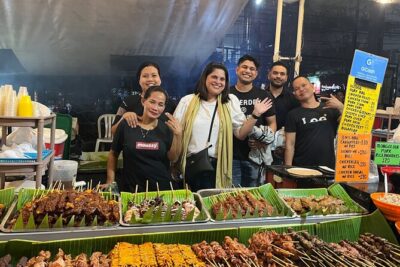
The middle of the route shifts through several classic street-food styles. Grilled meat on skewers gives you smoky, savory bites, while deep-fried treats bring crunch and a different set of textures.
You also try sizzling dishes. These are the foods that arrive hot and aromatic, often making the cooking method as noticeable as the flavor. This part of the tour is a good reminder that street food is not one single category. It includes quick snacks, grilled food, fried food, and dishes served hot from a pan or grill.
If you are cautious about unfamiliar food, the tasting format helps. You receive small portions and can ask questions before trying each one. If you are already eager to sample everything, the steady sequence of stops keeps the afternoon moving.
Still, this is not a sanitized food court experience. You are eating at places that serve local residents, and the setting may be informal. That is a strength for anyone who wants a more ordinary side of Manila, but it may not suit someone seeking air-conditioned dining, a quiet table, or control over every ingredient.
A few more things to do in Philippines worth a look
- Boracay Sunset Cruise with Party DJ & Unlimited Food and Drinks
★ 5.0 · 211 reviews - The Original Cebu City Historical and Food Walking Tour
★ 4.5 · 81 reviews - Manila: Sightseeing and Food Walking Tour with Tastings
★ 4.7 · 68 reviews - Manila’s Culinary Expedition: The Ultimate Food and Market Tour
★ 5.0 · 42 reviews
The local bakery stop
One stop takes you to a local bakery for another kind of tasting. Bakeries are easy to overlook when people talk about Filipino street food, yet they help show the range of everyday eating beyond grilled and fried snacks.
The bakery visit also breaks up the savory food. It gives you a chance to try something different before the later bar stop and final dessert. You do not need to treat this as a full bakery tour. It is one part of a larger route that uses different small businesses to build a broader picture of neighborhood food.
This variety is one of the tour’s strongest features. In three hours, you are not simply sampling multiple versions of the same dish. You are seeing how food fits into different local businesses, from restaurants to bakeries and a bar.
Beer, juices, and a stop at the local bar
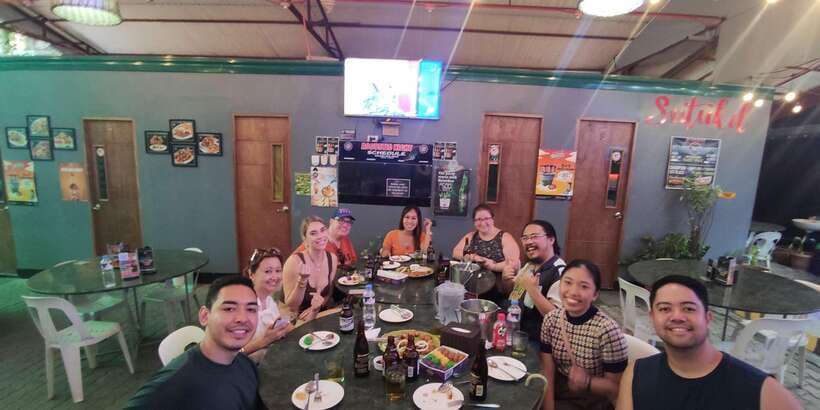
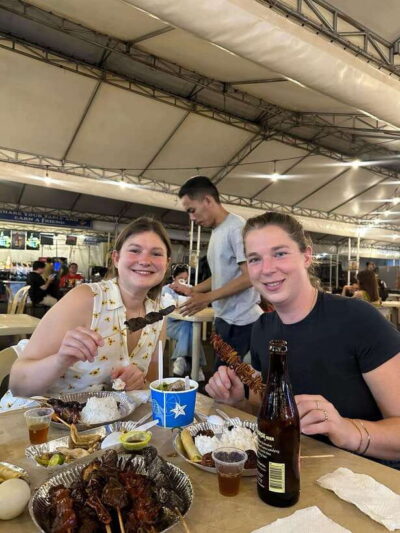
Drinks are included throughout the experience. You can expect bottled water, local juices, and beer, along with alcoholic and nonalcoholic beverages. The local bar stop provides a change of pace and shows another place where people eat and drink in the neighborhood.
The inclusion of beer is useful because it keeps the price from creeping upward at every stop. You do not have to keep reaching for your wallet when a drink is served. If you do not drink alcohol, the tour includes nonalcoholic choices as well.
The bar is also a natural place to ask your guide for advice about Manila nightlife and casual drinking spots. The experience is not advertised as a nightlife crawl, so you should not expect a series of bars. Instead, this is one food stop with beer and a chance to see another everyday local business.
Alcohol can make a food tour feel more relaxed, but you should pace yourself. The tour includes several tastings, and the afternoon is better enjoyed when you can still pay attention to the food and conversation.
Ending with something cool and sweet
The route finishes at another local bakery, where dessert and a cool, sweet treat close out the tasting. This is a welcome ending after grilled, fried, and sizzling food.
The sweet finish also gives you a clear sense of the tour’s structure. You begin with an orientation, move through savory food and drinks, and finish with dessert before returning to the starting point. The total duration is about three hours, so the pace is full but not designed to occupy an entire day.
One detail worth knowing is that the tour is not built around a fixed promise of every famous Filipino dish. For example, balut is not normally part of the standard route. A guide may be able to help you find it if you specifically want to try it, as happened for one participant, but you should ask rather than assume it is included.
The guide makes the difference
This type of experience depends heavily on the person leading it. The guide has to explain unfamiliar foods without turning the meal into a lecture, keep the route moving, and notice what you actually enjoy eating.
Chloe has led the route with a warm, entertaining style and has helped a curious eater locate balut outside the usual selection. Jian brings a strong interest in food, local history, and comparisons between Filipino cooking and other cuisines. He is also described as a good storyteller, which matters when you are moving between small stops and want more than a list of ingredients.
Your actual guide may be Chloe, Jian, or another English-speaking member of the team. The important point is that the tour is led in English and built around conversation. You can ask what you are eating, how locals approach it, and where to go next in Metro Manila.
The guides also appear able to adjust the experience within reason. If you do not have much of a sweet tooth, mention it early. The tastings are broad enough that your preferences can help shape how you approach the meal, although the tour is still centered on Filipino food rather than personal menu design.
What the $60 price includes
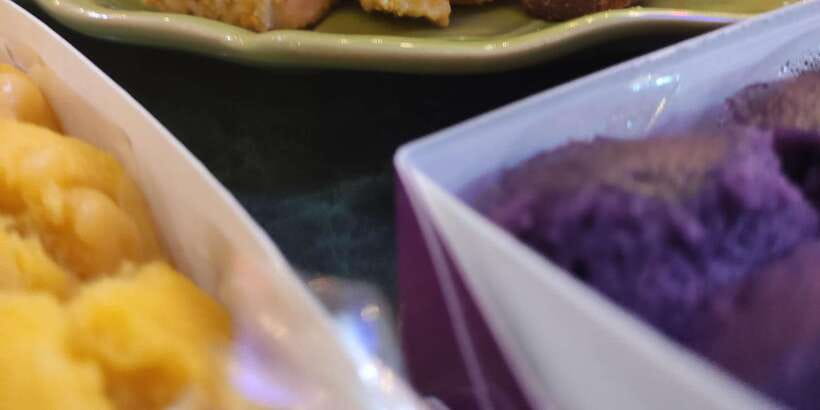
At $60 per person, this is not the cheapest way to eat in Manila. Local street food itself can cost far less than a guided afternoon. The value comes from the access, organization, transport between the meeting point and route, guide, and sheer number of tastings.
You receive more than 15 food and drink samples, alcoholic and nonalcoholic beverages, bottled water, and an English-speaking guide. If you tried to locate several family-run vendors on your own, you might spend less, but you would need to research the area, work out what to order, and manage the route yourself.
The price makes the most sense for a first visit or for anyone who wants a reliable introduction to Filipino food without losing half a day to guesswork. It is less compelling if you already know Mandaluyong well, speak Filipino, and are comfortable choosing small local eateries on your own.
You should also count the practical value of the advice. A good food tour can improve the rest of your trip by showing you what to look for and where locals actually eat. That is especially useful in Manila, where the best meal may be in a place you would not notice without local help.
Who should book this experience
I would choose this tour if you enjoy trying many small portions, asking questions, and eating in ordinary neighborhood settings. It is a strong fit for first-time visitors who want a quick introduction to Filipino food and useful guidance for the rest of their time in Metro Manila.
It also suits people who prefer food with a local setting rather than a formal restaurant presentation. The family-run vendors, bakeries, restaurants, and bar give the route a sense of everyday life.
You should look elsewhere if you are vegan. The experience is specifically marked as unsuitable for vegans, and the food-centered format does not promise a plant-based alternative route.
It may also be a poor fit if you dislike eating on the move, want a precise menu in advance, or need a tour that operates only in good weather. The tour runs rain or shine, so bring suitable clothing and comfortable shoes. You are not expected to dress up.
Should you book the Manila street-food tour?
Book it if you want a friendly, food-heavy introduction to Manila that gets you beyond the usual tourist dining areas. The strongest reasons are the range of more than 15 tastings, the neighborhood setting, included drinks, and guides such as Chloe and Jian who can add useful context and practical food advice.
At $60, you are paying for guidance and access rather than cheap calories. That is fair value if you would otherwise struggle to find local vendors or feel unsure about what to order. Arrive hungry, keep an open mind, and tell the guide about your preferences at the start.
Skip it if you are vegan, want luxury dining, or prefer to explore completely independently. For curious omnivores who want to eat well and see a less polished side of Mandaluyong, this is a sensible three-hour choice.
FAQ
Where does the Manila food tour meet?
The meeting point is inside the Starbucks near the main gate of California Garden Square in Mandaluyong City.
How long does the food tour last?
The tour lasts three hours.
How many food tastings are included?
More than 15 food tastings and drinks are included.
Are drinks included in the price?
Yes. Alcoholic and nonalcoholic beverages, bottled water, local juices, and beer are included.
Is hotel pickup and drop-off included?
No. You need to make your own way to the Starbucks meeting point, and the tour returns there after the food route.
Is the tour suitable for vegans?
No. The experience is not suitable for vegans.
What should I bring, and does the tour run in bad weather?
Bring comfortable shoes and comfortable clothes. The tour takes place rain or shine.
Just added in Philippines
- Tri island tour: Naked Island, Daku Island and Guyman Island★ 5.0 · 3 reviews
- Trekking to see the beautiful view of Cebu City★ 3.3 · 4 reviews
- Siargao Tour E (Private Tour)★ 5.0 · 3 reviews
- Siargao:Lagoon,Cave Rock Pool, w/Lunch & Transfer★ 4.5 · 11 reviews
- Siargao Tour B (shared tour)★ 4.1 · 4 reviews
- Siargao Tour C (shared tour)★ 3.8 · 4 reviews
- SIARGAO: PRIVATE ISLAND HOPPING GUYAM, DAKU AND NAKED ISLAND★ 4.1 · 4 reviews
- Scuba Diving in Boracay: SSI Basic Diver for Beginners★ 5.0 · 10 reviews
Filipino Food & Street Food Tours, compared.
Manila Food Tour: Explore World’s Oldest Chinatown
Read our review →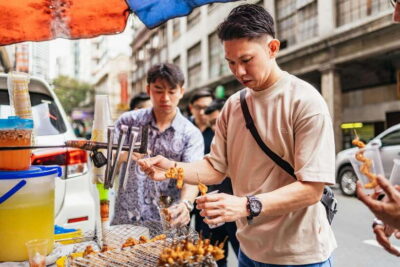
Street Food and Drinks Walking Tour with Tastings
Read our review →
Makati Street Food Experience end with a Rooftop Bar
Read our review →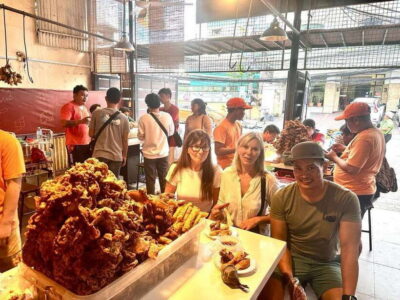
Browse the lists this tour appears in