
Reviewed · INTRAMUROS HERITAGE WALKS
Manila: Intramuros, Chinatown, and Old Manila Half-Day Tour
Manila’s story comes into focus when you move from the crowded stalls of Tondo to Binondo’s Chinese-Filipino streets, then finish behind the old walls of Intramuros. This three-hour route gives you a sharp look at very different sides of the city without taking up a full day.
I like the mix of street life and history, especially the chance to see Divisoria and Ongpin Street before visiting Fort Santiago and Manila Cathedral. I also like the small-group limit of 15 people, plus the guides’ strong English and personal style. The drawback is the brisk pace: one hour per area leaves little room for lingering, and Tondo and Divisoria can feel crowded and intense.
Key points to know before booking
- Tondo and Divisoria first: You begin among produce, seafood, local food, and everyday market trade.
- Binondo dates to 1594: The route includes Ongpin Street, Binondo Church, and the Filipino-Chinese district.
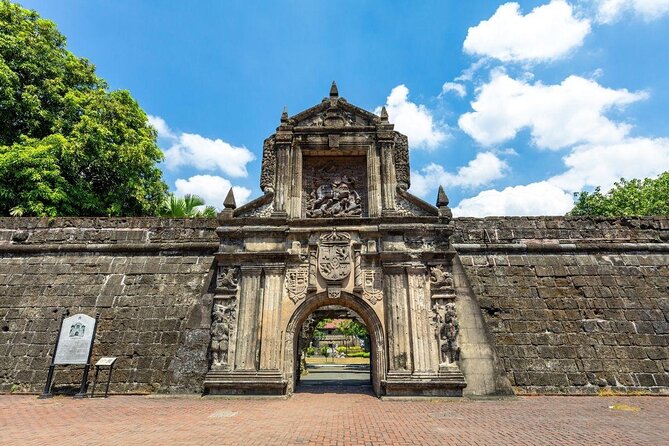
- Intramuros is the historical finish: You end at Fort Santiago after seeing Manila Cathedral and the old walled city.
- Guides make the difference: Felix and Floyd are named among the guides, with praise for clear English, humor, and personal attention.
- Transport adds variety: The experience includes walking, tuk-tuks, and jeepneys, according to the tour details.
- Plan for a fast three hours: This is a city sampler, not a slow food crawl or a full historical tour.
From Tondo market stalls to old Manila walls
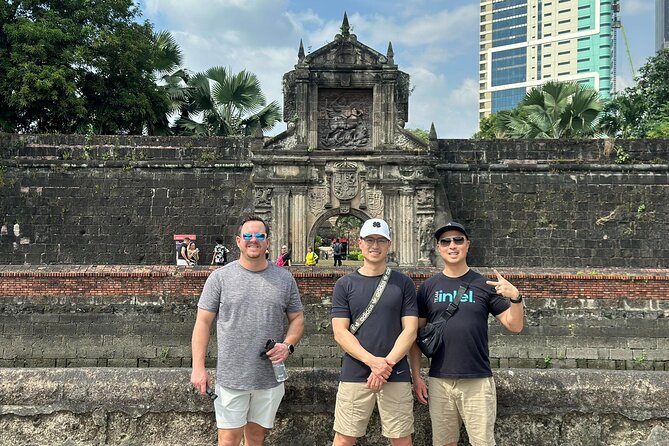
This tour works because it does not show you just one polished version of Manila. It begins in Tondo, where the city feels practical and busy, moves into the commercial and cultural streets of Binondo, then ends with Spanish-era landmarks inside Intramuros.
That order matters. You first see the city as a place where people shop, work, eat, and move through tight streets. After that, you can better understand Manila’s older layers, including the Chinese-Filipino community and the Spanish colonial center.
The experience costs $75 per person. That is not a low-cost walking tour, but the value depends on what you want. You are paying for a guide, a compact route across several districts, and a small group rather than simply entering one attraction. If you have only a short stay in Manila, the tour covers ground that would be awkward to organize on your own.
Still, the price makes the three-hour limit important. You should book this for orientation, context, and variety. If your main goal is a long meal in Binondo or a detailed visit to every Intramuros landmark, you will need extra time afterward.
More history on foot in Luzon:
- Manila Old and New: Sightseeing Tour Including Intramuros and Fort Santiago
★ 4.5 · 377 reviews - Manila’s Walled City: Intramuros Walking Tour
★ 5.0 · 82 reviews - Express Bamboo Bike Tour inside Intramuros
★ 4.5 · 66 reviews
Tondo and Divisoria: Manila before the postcard
The first hour takes place around Tondo and Divisoria Market. Your guide leads you through alleys lined with stalls selling fresh produce, seafood, and local delicacies. This is not a quiet introduction, and that is part of its value.
Divisoria shows Manila as a working city. You see goods being sold, food moving through the neighborhood, and local shopping happening around you. The setting can be crowded and noisy, so wear comfortable shoes and keep your belongings secure. The tour requires a moderate level of physical fitness, and the first stop is more about walking and observing than sitting back.
I like this opening because it gives you useful context. Manila is not only churches, forts, and grand façades. Tondo brings you close to the daily rhythms that shape the city now.
The tradeoff is that the market portion may feel demanding if you prefer quiet sightseeing. You have about an hour here, so do not expect to inspect every stall or stop for a long meal. Your guide’s explanations are the main benefit, helping you read the scene instead of simply passing through it.
The starting point is Tondo, Manila. Since the tour is near public transportation, you have a practical way to reach the general area, but the supplied information does not specify a hotel pickup service. Check your meeting instructions carefully before setting out.
Binondo, the world’s oldest Chinatown
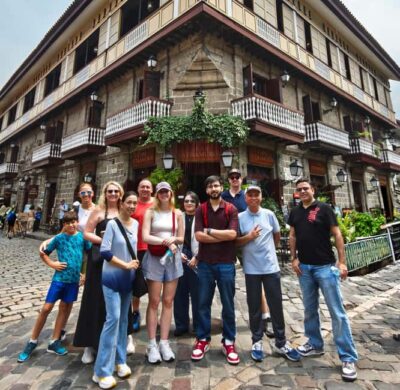
The second hour shifts to Binondo, identified as the world’s oldest Chinatown and established in 1594. This is the cultural middle of the tour, with Ongpin Street, Binondo Church, and the Filipino-Chinese community at its center.
Ongpin Street gives you a different feel from Tondo. Shops, food businesses, religious landmarks, and street activity sit close together. The point is not simply to look at a Chinatown sign and move on. Your guide helps explain how Chinese and Filipino influences have shaped this part of Manila.
Binondo Church adds a useful historical stop. The district’s story is not separate from the rest of the city. It connects to trade, migration, religion, food, and Manila’s growth over centuries. In one short hour, you get a framework for understanding why Binondo feels distinct while still being fully part of Manila.
Food is part of the appeal, but be clear about the format. This is not described as a dedicated tasting tour, and admission at the Binondo stop is not included. You may encounter authentic food shops and local specialties, but the supplied details do not promise a set meal or specific tastings. If you want to eat, ask your guide what fits within the schedule and budget.
This is also where the pace can pinch. Binondo rewards wandering, yet the tour gives you roughly an hour before moving on. I would treat the stop as an introduction, then return later if you want a proper food crawl.
Intramuros: Fort Santiago and Manila Cathedral
The final hour takes you into Intramuros, Manila’s old walled city. Here, the mood changes again. Streets and buildings connect to the Spanish colonial period, and your guide brings together the history you have seen in the first two stops.
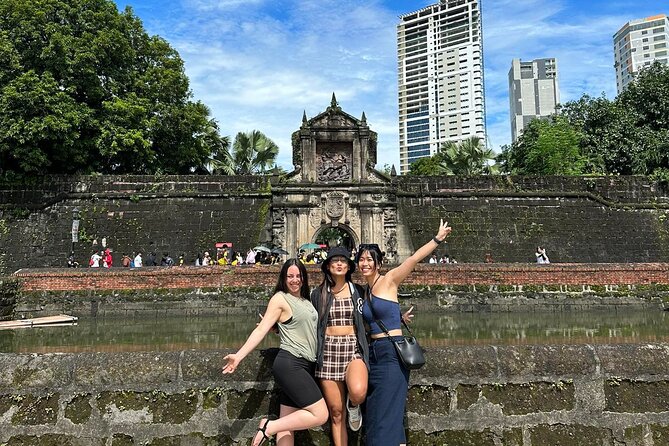
Fort Santiago is the key named site. It gives the tour a strong ending because the fort provides a clear sense of Manila’s defensive and colonial past. The route also includes Manila Cathedral, whose architecture adds another major landmark to the hour.
The Intramuros portion is likely to appeal most to anyone who enjoys architecture and history. After the markets and commercial streets, the old walls create a more ordered setting. You can focus on stonework, religious buildings, and the stories attached to the area.
The tour ends at Fort Santiago, Intramuros, Manila, 1002 Metro Manila. Intramuros admission is listed as free in the tour details, while the Binondo admission is listed as not included. Because attraction arrangements can vary, confirm exactly what your booking covers if you want to enter paid areas within Fort Santiago.
One hour is enough for a guided introduction, but it is not enough for a full study of Intramuros. You will want additional time if you plan to see more of the walled city at a relaxed pace. The benefit here is efficiency. You get the major orientation and finish in a place where you can continue exploring independently.
A few more things to do in Luzon worth a look
- Manila: Intramuros, Chinatown, and Old Manila Half-Day Tour
★ 4.8 · 475 reviews - Discover Tagaytay’s Countryside: Half-Day Sightseeing Tour
★ 4.5 · 207 reviews - From Manila: Tagaytay Countryside Wonders: A Half-Day Tour
★ 4.4 · 187 reviews - Chocolate hills tour with Tarsier & Loboc river Buffet Lunch (half-day tour)
★ 5.0 · 152 reviews
Guides, group size, and the feel of the tour
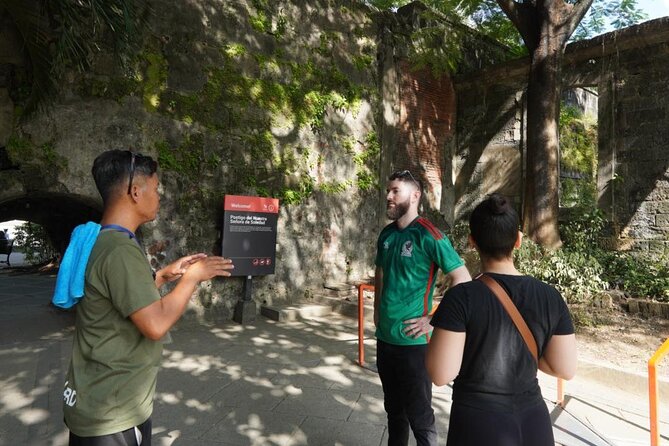
The guide is central to this experience. The named guides in the supplied information include Felix and Floyd. Felix is described as personable and easygoing, while Floyd is repeatedly associated with clear explanations, humor, and an engaging approach. You should not assume you will receive a particular guide unless the operator confirms it.
Strong English is also a practical advantage. The tour covers local life, cultural background, and colonial history in a short period, so clear explanations matter. A guide who can answer questions and adjust the pace can make the difference between a confusing market walk and a useful introduction.
The maximum group size is 15 people. That is small enough for questions and easier movement through narrow streets, though it is not the same as a private tour. One person received a one-on-one experience because of the day’s bookings, but that should be treated as a possibility rather than a promise.
The route includes walking, tuk-tuks, and jeepneys. That variety makes the tour feel more connected to Manila’s streets than a simple vehicle tour. It also means you should expect changes in pace and some physical effort. Wear shoes that can handle uneven walking and dress for warm conditions.
Why the short format can be useful
Three hours is a good length if you have a layover-style schedule, a first day in Manila, or limited energy after a flight. You can see three districts with different identities and finish with a clearer map of the city.
I would also consider this tour if you are visiting alone. A guide provides structure in places that can feel overwhelming at first, and the small group gives you company without committing to a full-day program. Solo visitors can also ask more direct questions when the group is small.
Families with older children may like the variety, though the market crowds and walking require a moderate fitness level. History fans will appreciate Intramuros, while food-minded visitors will enjoy the Binondo setting but should not mistake this for a full culinary tour.
The compact format is less suitable if you dislike crowds, want long photo stops, or need a slow pace. Tondo and Divisoria are active market areas, not calm museum spaces. The tour also moves quickly between districts, so you should keep your expectations realistic.
Price, timing, and practical value
At $75 per person, this experience is best judged as a guided city overview rather than a cheap sightseeing walk. You receive a route across Tondo, Binondo, and Intramuros, plus local interpretation and varied transport. Those elements can save you time and help you understand what you are seeing.
The strongest value comes when you have only a half-day available. Planning this route independently would require arranging transport between districts and deciding which landmarks fit. A guide also helps you make sense of places that may not explain themselves clearly.
The weaker value appears if you already know Manila well or plan to spend a full day in Intramuros and Binondo on your own. In that case, you may prefer paying only for specific admissions and using your own schedule.
The tour has a 97 percent recommendation rate and a 4.9 rating from 37 reviews, with 37 reviews recorded at the time of the supplied information. Those figures point to a consistently well-received experience, especially for the guides and the mix of local life with history. They do not remove the practical limits: the pace is quick, and Binondo admission is not included.
Free cancellation is available up to 24 hours before the start time for a full refund. Changes or cancellations within 24 hours are not refunded, and poor weather can lead to a different date or a full refund. Manila’s weather can change quickly, so keep that rule in mind when planning a tight schedule.
Should you book the Manila half-day tour?
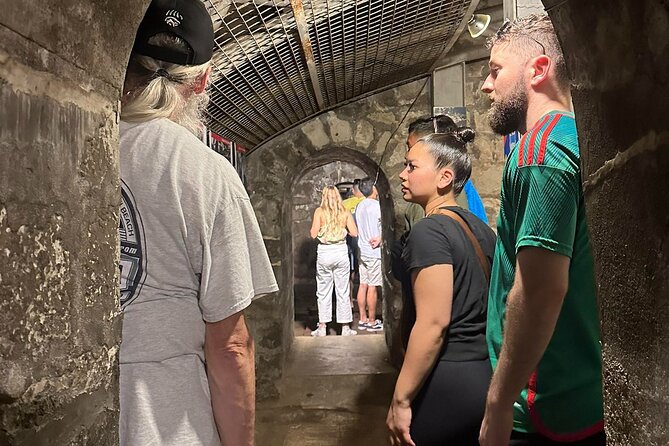
Book it if you want a guided first look at Manila that combines market life, Chinese-Filipino culture, and Spanish colonial landmarks. The route is especially useful for first-time visitors, solo visitors, and anyone with only three hours to spare.
I would book it with two expectations: you will walk through busy areas, and you will only get an introduction to each district. The strongest parts are the local guide, the unusual Tondo opening, the Binondo context, and the final hour in Intramuros. If you want a slow food tour or a detailed fort visit, choose a longer experience instead.
For a short, varied orientation to Manila, this tour earns its place. Just leave room in your schedule to return to the areas that catch your interest.
FAQ
How long is the tour?
The tour lasts approximately three hours, with about one hour allocated to Tondo and Divisoria, one hour to Binondo, and one hour to Intramuros.
Where does the tour start?
The meeting point is in Tondo, Manila, Metro Manila, Philippines.
Where does the tour end?
The tour ends at Fort Santiago in Intramuros, Manila, 1002 Metro Manila.
What places are included on the route?
The route includes Divisoria Market in Tondo, Binondo Chinatown, Ongpin Street, Binondo Church, Intramuros, Fort Santiago, and Manila Cathedral.
Is Binondo admission included?
Admission for the Binondo stop is listed as not included. The tour details list Intramuros admission as free.
How large is the group?
The tour has a maximum of 15 participants.
What happens if the weather is poor?
The experience requires good weather. If it is canceled because of poor weather, you will be offered another date or a full refund.
Just added in Luzon
- Skip the Line: Villa Escudero Plantation & Resort Day Pass Ticket★ 4.5 · 11 reviews
- Home Cooked Meal with a Filipino Grandma★ 5.0 · 24 reviews
- Small-Group Weekend Hiking Tour to Banaue-Ifugao from Manila★ 5.0 · 30 reviews
- Manila: Binondo Walking Tour ( Oldest Chinatown )★ 5.0 · 30 reviews
- Manila Hidden Gems with local guide★ 5.0 · 27 reviews
- Private Filipino cooking class in a local Manila Home★ 5.0 · 28 reviews
- Pagsanjan Falls Adventure from Manila★ 4.0 · 37 reviews
- Makati: Music Clubs, Rooftops, and Go Go Bars Nightlife Tour★ 5.0 · 34 reviews
Intramuros Heritage Walks, compared.

Intramuros, Manila: Historical Bamboo Bike Tour
Read our review →
Experience Intramuros with Bamboo Bicycle – Ecotours
Read our review →
Intramuros, Chinatown, and Old Manila Half-Day Tour
Read our review →
Manila Food Tour: Explore World’s Oldest Chinatown
Read our review →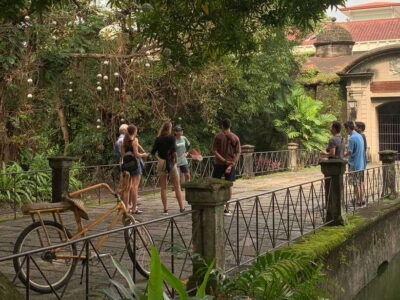

Explore Intramuros: Introduction to Philippine History
Read our review →Browse the lists this tour appears in