
Reviewed · INTRAMUROS HERITAGE WALKS
Manila: Intramuros Myths and Nights Tour
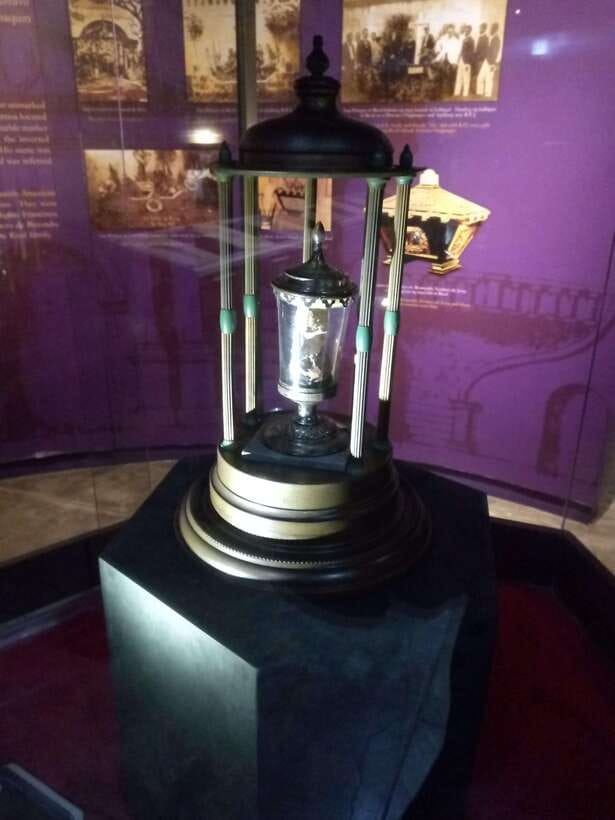
Intramuros looks different after sunset. Under old trees and beside Spanish-era walls, Jerome connects Aswangs, Kapres, Duwendes, and White Ladies with the real pressures of colonial rule. This is not just a ghost walk. It asks how stories can shape power, fear, faith, and resistance.
I like the way the tour puts folklore beside major historical sites, especially Fort Santiago and Jose Rizal’s chapel-cell. I also like the guide’s personal touch: Jerome has handled a last-minute date mix-up, answered questions patiently, and helped a solo guest get home safely. The main consideration is the pace. Two hours gives you a sharp introduction, not a full study of Intramuros.
Key points to know before you book
- Folklore has a historical purpose: Aswangs, Kapres, Duwendes, and other beings are discussed as more than spooky childhood tales.
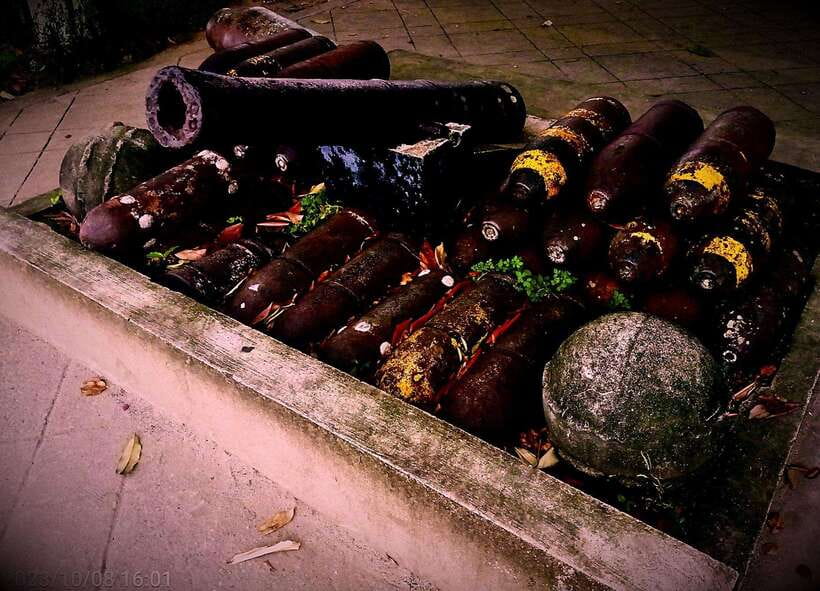
- The route covers major Intramuros sights: You visit Plaza Moriones, Fort Santiago, Rizal’s chapel-cell, Manila Cathedral, San Agustin, and Puerta del Parian.
- Jerome is the guide to look for: His style blends clear historical explanation, humor, and lively storytelling.
- Night adds atmosphere: The Acacia and Balete trees, old walls, and dungeons give the stories a fitting setting.
- The tour costs $49 per person: Entrance, guiding, and a snack are included, making the price easier to assess as a small-group cultural outing.
- Bring biodegradable insect repellent: You spend time outdoors, including under trees and in open areas.
Why this is more than a ghost walk
Many old-city tours point at a fortress, name a date, and move on. This one takes a more unusual route. It asks why certain frightening stories took hold, how local beliefs were treated by colonial authorities, and how religion and folklore changed under Spanish rule.
That approach gives the walk a clear purpose. You are not simply collecting tales about spirits. You are considering how a conquering power might use fear and religion to make its own authority seem natural. The tour presents colonial stories as tools that could weaken local confidence and suggest that outsiders were wiser, stronger, or closer to the divine.
I find that useful because Intramuros can otherwise feel like a collection of grand buildings with painful stories kept in the background. Here, the buildings and legends speak to each other. The old walls frame the political story, while the myths help explain how ordinary people made sense of danger, illness, death, and foreign rule.
The tone is educational but not stiff. Jerome’s reputation for humor matters here. Folklore can become heavy when presented as a lecture, but a lively guide can keep you alert while still treating the subject with respect.
More history on foot in Manila:
- Intramuros, Manila: Historical Bamboo Bike Tour
★ 4.8 · 583 reviews - Experience Intramuros with Bamboo Bicycle – Ecotours
★ 5.0 · 508 reviews - Manila: Intramuros, Chinatown, and Old Manila Half-Day Tour
★ 4.8 · 475 reviews
Plaza Moriones and the first Filipino legends
The tour begins at Plaza Moriones. This gives you a practical starting point in Intramuros and lets the guide set the theme before the walk reaches the more solemn sites.
Under an Acacia tree, Jerome introduces stories of Aswangs, Kapres, and other mythological beings. An Aswang is commonly described as a Filipino vampire or shape-shifting creature, while a Kapre is associated with a large tree-dwelling figure. These stories are part of childhood for many Filipinos, so the discussion has a personal side as well as a historical one.
The useful question is not simply Are these creatures real? Instead, you look at what these beings represented. Folklore can help explain places people feared, behavior they wanted to discourage, or events they could not easily explain. It can also carry older beliefs from one generation to another.
This opening section should suit you if you like cultural context more than a list of dates. It also gives Filipino visitors a chance to hear familiar legends placed in a wider political story. One guest who already considered herself familiar with Philippine history found that Jerome’s approach offered a fresh angle. That is a good sign for local visitors who think they have already heard the basics.
Because the meeting point is outdoors, bring biodegradable insect repellent. The tour information also gives Nueva Vizcaya as the location, while the title and route clearly refer to Manila’s Intramuros. I would confirm the exact meeting details before paying, especially if you are arranging transport from elsewhere.
Fort Santiago, Balete trees, and White Ladies
The route continues to Fort Santiago, one of the most important stops on the walk. Here, the setting turns the discussion toward White Ladies, Duwendes, and similar supernatural figures.
A Balete tree provides a natural stage for this part of the conversation. In Filipino folklore, trees can be linked with spirits and unseen beings. The point of the stop is not to create cheap scares. It is to consider how local beliefs were recast by colonial culture and how the conquerors could present native traditions as strange, backward, or dangerous.
Duwendes are often described as dwarves or small supernatural beings. Discussing them beside the fort helps the tour place local spiritual ideas within the larger story of Spanish control. The guide also examines how colonizers encouraged the belief that they were superior to the people they ruled.
That theme gives Fort Santiago more weight than a photo stop. You are looking at a place tied to military power while hearing about the power of the imagination and the mind. Fear does not need walls to control people, but walls make the political message plain.
At night, the trees and fort setting should add mood. Still, you should know what this tour is not. It is not presented as a theatrical haunted-house experience with actors, special effects, or jump scares. The atmosphere comes from the place itself and from Jerome’s storytelling.
Jose Rizal’s chapel-cell and the role of the agimat
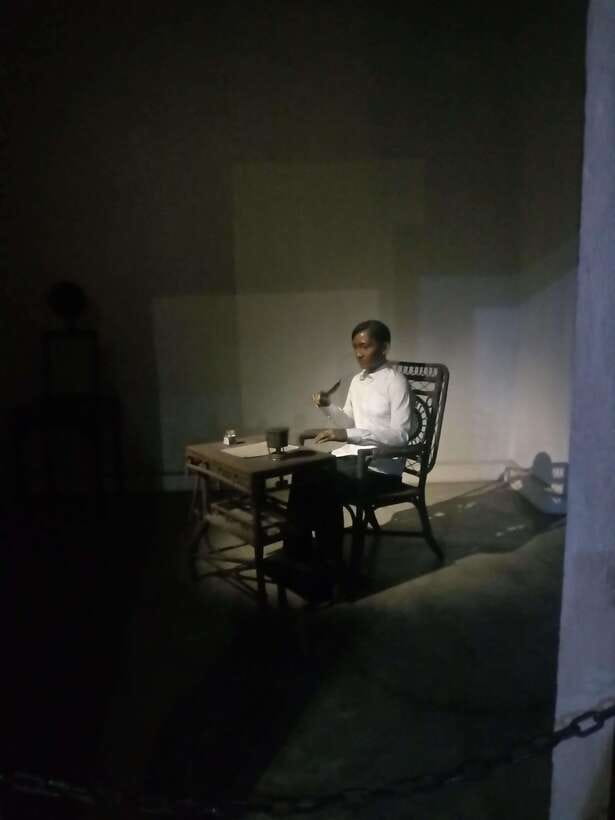
One of the most meaningful stops is the chapel-cell of Jose Rizal. The tour uses Rizal’s final days to connect personal faith, national identity, and resistance to colonial power.
Here, you hear about the agimat, a protective charm or object associated with spiritual power, and about monasticism. These ideas are brought into the story of the struggle for independence. The value of this stop is the way it shows that resistance was not only a military or political act. It could also involve belief, symbols, sacred practice, and a refusal to accept the conqueror’s view of the world.
Rizal’s chapel-cell is also a place where the tour’s tone becomes more serious. The legends from Plaza Moriones and Fort Santiago are lively, but this stop reminds you that colonial history involved real imprisonment and death. I appreciate that the tour does not use folklore to distract from that fact.
The discussion may be especially useful for you if you know Rizal mainly as a national hero from school lessons. By linking his story with agimat and monastic ideas, the guide gives you another way to think about how spiritual life and national feeling overlapped.
Do not expect a long museum-style explanation of every object or room. The tour has only two hours, so the guide uses the chapel-cell as a focused point in a wider argument. If Rizal is your main interest, you may want extra time in Intramuros beyond this walk.
Same base, a different kind of day out:
- Manila: Old & New 4-Hour City Tour
★ 4.5 · 458 reviews - Spectacular Manila to Tagaytay: Full-Day Sightseeing Tour
★ 5.0 · 349 reviews - Makati Nightlife: VIP Access to Clubs, Rooftops & Go-Go Bars
★ 4.9 · 278 reviews - Discover Tagaytay’s Countryside: Half-Day Sightseeing Tour
★ 4.5 · 207 reviews
The dungeons and the memory of 600 civilians
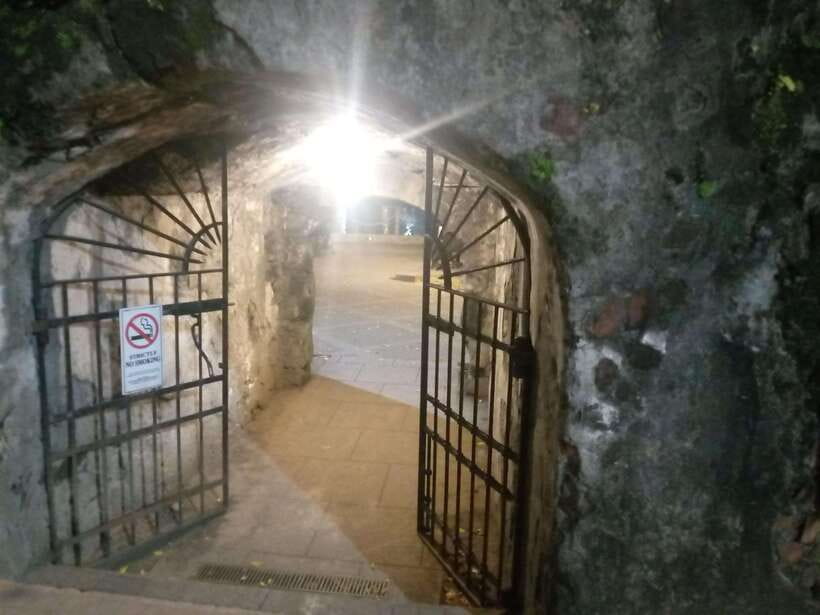
The dungeons are the most sobering part of the route. The tour refers to the deaths of 600 civilians there and asks you not to fear ghosts as much as you fear the loss of their memory.
That is a strong change in emphasis. A standard ghost story ends with a fright. This tour uses the idea of ghosts to raise a moral question: what happens when people who suffered are reduced to a spooky tale and their real lives disappear?
I find this one of the best reasons to take the walk. You get atmosphere, but you also get a reminder that historic sites are not empty backdrops. The dungeon is connected to human suffering, and the guide’s job is to keep that suffering visible without turning it into entertainment.
The space may feel dark and intense, particularly at night. If you dislike confined historic sites or prefer a lighthearted outing, this part could be uncomfortable. The tour information does not say that the dungeons are unsuitable for anyone with mobility concerns, and the experience is described as wheelchair accessible, but you may still want to confirm the exact route and access arrangements when booking.
Manila Cathedral and San Agustin Church
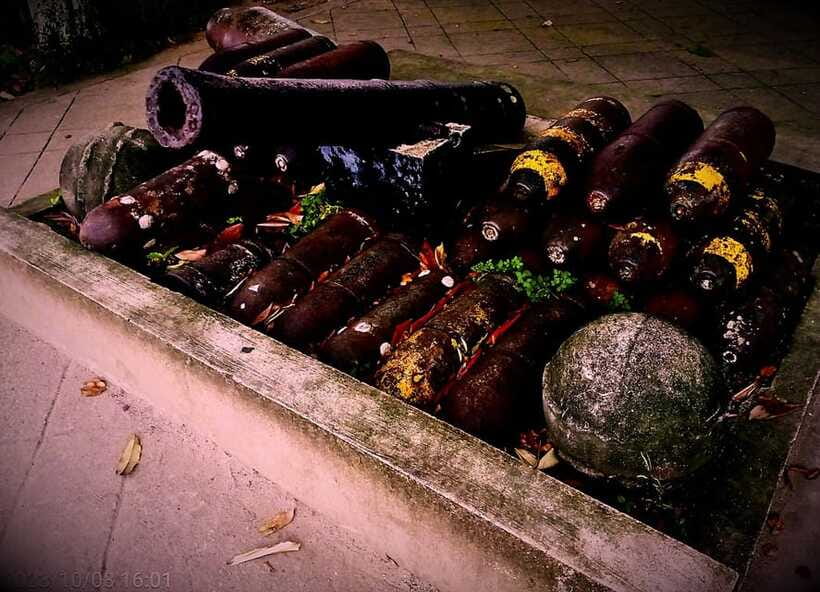
From Fort Santiago, the group continues to Manila Cathedral and San Agustin. These churches let the tour examine the meeting of Catholicism and local religious traditions.
The discussion looks at how native supreme beings and spiritual ideas were treated by the conquerors. Local beliefs could be absorbed, renamed, rejected, or recast as demonic. That process helps explain why religious conversion was not only about worship. It also changed how people understood their own traditions.
This is where the tour’s myth-and-history theme becomes clearest. A ghost story, a tree spirit, or a protective charm may sound separate from church history, but the guide places them in the same conversation. You see how belief systems can compete, blend, and change when one society takes control of another.
San Agustin and Manila Cathedral are also valuable stops for anyone who wants more than a military account of Intramuros. Fort Santiago shows force. The churches show institutional and spiritual power. Together, they give the walk a wider view of colonial rule.
The churches are not described as a separate long interior visit, so keep your expectations in check. The emphasis is on discussion and interpretation along the route. If you want detailed architectural study or extended time inside each church, this tour may feel too quick.
Puerta del Parian and the return of resistance
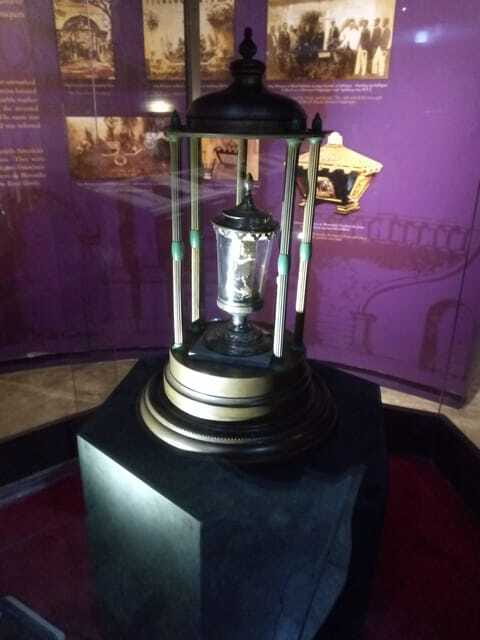
The tour ends at Puerta del Parian. This closing stop revives the spirit of uprisings and brings the group back to the question of independence.
Ending here makes sense. The walk begins with stories that help you understand Filipino beliefs and finishes with the political energy of people challenging colonial control. The route does not treat mythology as a side subject. It uses it to show how identity could survive pressure and how resistance could draw from local ideas of power and protection.
The final stop should leave you thinking about the difference between official history and lived history. Colonial records may describe a conquered population one way. Folklore, family stories, religious practice, and popular heroes preserve other points of view.
This is also a good place to continue your own exploration. Since the tour ends in Intramuros, you can treat it as a starting point for more time in the Walled City. The two-hour format works well for that. You get a focused narrative, then remain free to visit other sites at your own pace.
Jerome’s guiding style and the value of the price
Jerome is central to the experience. His approach combines historical explanation with jokes, questions, and vivid treatment of the legends. The available feedback describes him as patient with questions, flexible when a guest confused the tour date, and attentive to a solo guest’s safe return.
Those details matter more than a generic promise of a good guide. A tour built around myths can fall flat if the guide only recites definitions. Jerome appears to make the creatures memorable while still explaining why they matter. He also guides in English or German, which makes the tour accessible to a wider range of visitors.
At $49 per person, the cost is not bargain-basement for two hours. You are paying for a specialist-led walk rather than a long full-day sightseeing program. The price includes the entrance fee, guide’s fee, and a snack, which improves the value.
I would judge the price by your interest in interpretation. If you want a quick introduction to the main buildings and a few standard facts, cheaper options may be enough. If you want folklore tied to colonial power, Philippine identity, Rizal, and independence, this offers a more distinctive use of two hours.
The five-star feedback available for the experience points to the guide’s passion, humor, and ability to add information even for someone who had already taken another Intramuros tour. That suggests the tour’s value rests less on covering every street and more on the way Jerome frames what you see.
Timing, comfort, and who should book
You can choose a day or night tour. I would choose night if you enjoy atmosphere and do not mind the darker tone of the fort, trees, and dungeons. Daytime may work better if you want easier visibility or prefer a calmer setting for taking notes and asking questions.
The walk lasts two hours, so wear comfortable shoes and leave room for stops and discussion. The supplied information specifically asks you to bring biodegradable insect repellent. That is practical advice, since the route includes time under trees and outdoors.
The tour is wheelchair accessible, and live guiding is offered in English and German. It is listed as unsuitable for people over 95, though no further reason is given. You should confirm the exact meeting point because the supplied location information says Nueva Vizcaya even though every named stop is in Intramuros, Manila.
Free cancellation is available up to 24 hours before the start for a full refund. You can also reserve now and pay later, which helps if your Manila plans are still moving around. Starting times depend on availability, so check the date you want rather than assuming an evening departure.
This tour suits you best if you enjoy:
- Folklore with a political and cultural purpose
- Forts, churches, prisons, and stories of independence
- Guides who welcome questions and use humor
- A compact two-hour introduction to Intramuros
- Night walks with a serious edge rather than a pure scare show
It may not suit you if you want a broad architectural survey, a long museum visit, or a theatrical haunted attraction. It also may feel too intense if stories of imprisonment and civilian deaths are not what you want from an evening outing.
Should you book the Intramuros Myths and Nights Tour?
I would book this if you want to understand Intramuros through Filipino stories, not just Spanish buildings. The best parts are the links between Aswangs and colonial fear, the Balete tree discussion, Rizal’s chapel-cell, the dungeons, and the churches’ changing religious meaning.
Choose the night option for mood, or the day option for easier viewing. Check the exact Manila meeting details before booking because of the location inconsistency in the supplied information. At $49, the tour is worth it for visitors who value a strong guide and an unusual angle on Philippine history.
Skip it if your main goal is a detailed church tour or a simple list of historical dates. Book it if you want Jerome to help you see how myths, faith, memory, and resistance have shaped the story of the Philippines.
FAQ
Where does the tour begin?
The tour begins at Plaza Moriones in Intramuros.
Where does the tour end?
The tour ends at Puerta del Parian.
How long does the tour last?
The tour lasts two hours.
Is the tour available during the day?
Yes. You can choose between a day tour and a night tour, depending on available starting times.
Which languages are offered?
Live guiding is available in English and German.
Is the tour wheelchair accessible?
Yes, the activity is described as wheelchair accessible.
What is included in the price?
The price includes the entrance fee, guide’s fee, and a snack.
Can I cancel and receive a refund?
Yes. You can cancel up to 24 hours in advance for a full refund.
What should I bring?
Bring biodegradable insect repellent.
Just added in Manila
- Tagaytay Adventure: Volcano Views, Countryside, Market & Cruise!★ 4.5 · 14 reviews
- 3 Days Private Tour in Banaue Ifugao visiting Batad Rice Terraces★ 3.5 · 3 reviews
- Private Tour: Tagaytay Midlands & Taal Volcano Boat Ride★ 4.5 · 15 reviews
- Tagaytay Day Tour sightseeing with Panoramic Taal volcano view★ 5.0 · 6 reviews
- Tagaytay + Hidden Valley Springs: A Scenic Escape w/ Transfers★ 4.0 · 4 reviews
- Unforgettable Manila Fishing Village Day Excursion 2024★ 5.0 · 4 reviews
- 5 Days Sagada Banaue Batad Discovery (PRIVATE GROUP TOUR Max 6 Travellers)★ 5.0 · 16 reviews
- Shared Old Manila Tour★ 5.0 · 5 reviews
Intramuros Heritage Walks, compared.

Intramuros, Manila: Historical Bamboo Bike Tour
Read our review →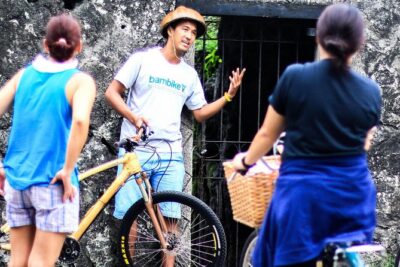
Experience Intramuros with Bamboo Bicycle – Ecotours
Read our review →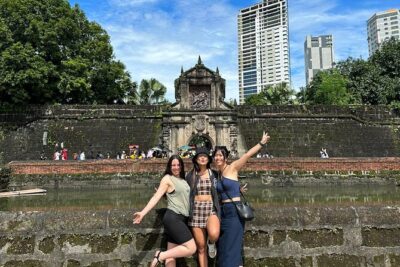
Intramuros, Chinatown, and Old Manila Half-Day Tour
Read our review →
Manila Food Tour: Explore World’s Oldest Chinatown
Read our review →
Explore Intramuros: Introduction to Philippine History
Read our review →Browse the lists this tour appears in