
Reviewed · INTRAMUROS HERITAGE WALKS
Manila: Rich History of Intramuros Private Tour
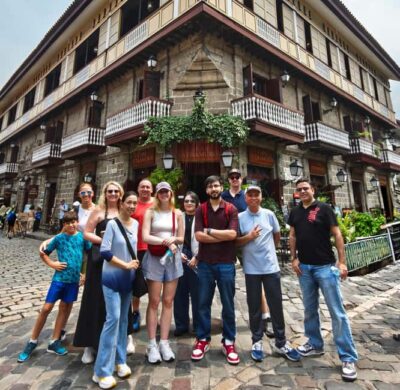
Intramuros is Manila’s most memorable history lesson, a walled quarter where Fort Santiago, old churches, stone gates, and cobbled lanes bring the city’s Spanish colonial past into focus. This private tour gives you a guide to connect those places with the wider story of the Philippines.
I like the private format, since you can ask questions and set a comfortable pace. I also like the combination of serious landmarks and a kalesa ride, which gives the visit a more local, old-fashioned feel. The main caution is transport: one family reported being split between two ride-hailing cars and waiting afterward, so confirm the vehicle arrangements if you are booking for a larger group.
Key points to know before booking
- Fort Santiago gets the most time: Plan on about 90 minutes around the gate, grounds, and José Rizal shrine.
- The kalesa ride is part of the package: You ride through Intramuros instead of seeing every street from an air-conditioned vehicle.
- Iya and Allan are frequently praised: They guide together on some tours, while Raymond has also led the route.
- The tour covers major colonial sights: You visit Baluarte de San Diego, Baluarte de San Francisco de Dilao, Manila Cathedral, San Agustin Church, and Casa Manila.
- Pickup is limited to Makati and the Bay area: Hotel pickup and drop-off are included from those areas.
- Four hours goes quickly: The schedule is full, with little room for a long meal or an unplanned museum stop.
Why Intramuros makes such a good first history stop
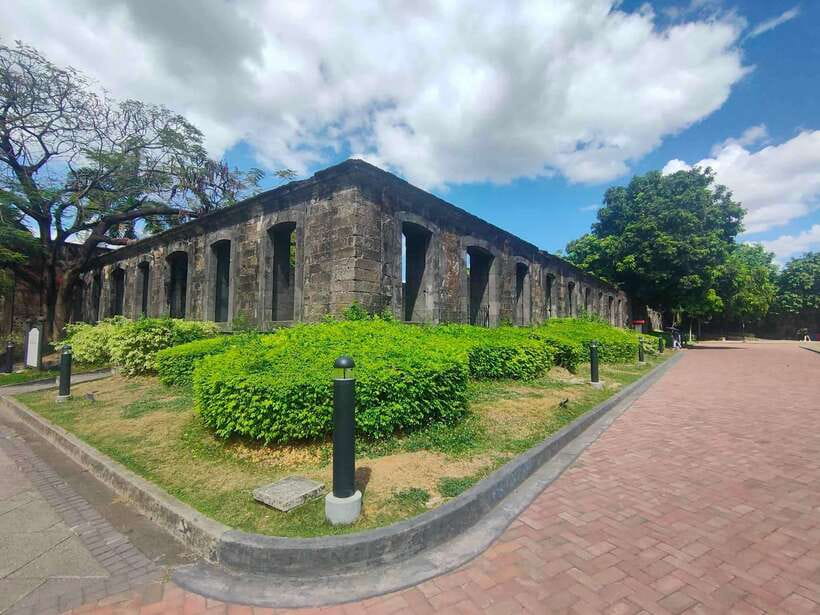
Manila can be hard to read at street level. Modern roads, dense traffic, shopping districts, churches, memorials, and office towers all sit on top of older layers. Intramuros gives you a clear starting point. Its walls and landmarks help you see how Spanish colonial rule shaped Manila, while the guide explains the American and Filipino chapters that followed.
I find a guided visit especially useful here because the buildings do not explain themselves. A stone gate may look impressive, but its importance comes from knowing what the fort was used for, how the district functioned, and why José Rizal matters so much to the country. A private guide can fill in those links without forcing you to follow a large group.
The route also gives you different ways to experience the district. You walk through churches and museums, stop for guided explanations, ride in a horse-drawn carriage, and use an air-conditioned vehicle for pickup and drop-off. That mix helps break up the heat and the steady stream of historical detail.
More history on foot in Manila:
- Intramuros, Manila: Historical Bamboo Bike Tour
★ 4.8 · 583 reviews - Experience Intramuros with Bamboo Bicycle – Ecotours
★ 5.0 · 508 reviews - Manila: Intramuros, Chinatown, and Old Manila Half-Day Tour
★ 4.8 · 475 reviews
Starting at Baluarte de San Diego and Baluarte de San Francisco de Dilao
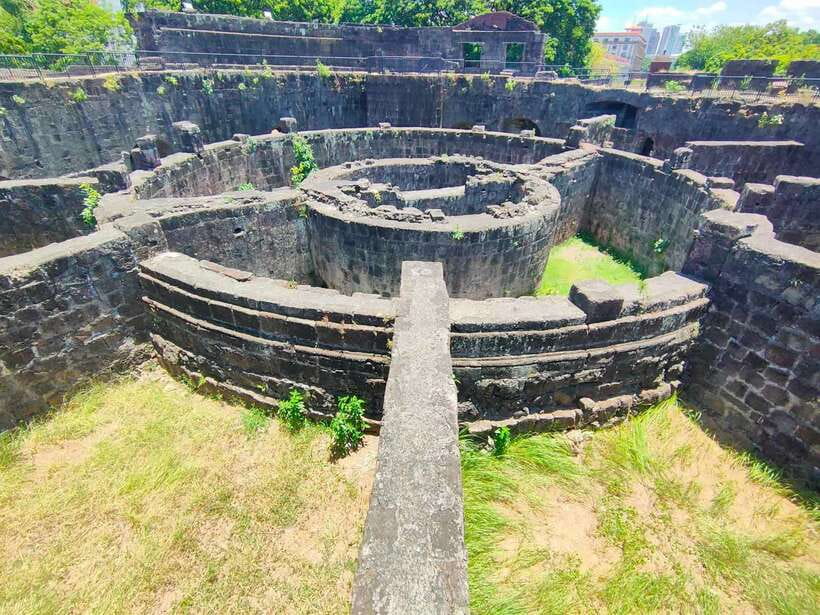
The tour begins with two old defensive points, Baluarte de San Diego and Baluarte de San Francisco de Dilao. These stops introduce the military side of Intramuros before you move on to its churches, civic squares, and museums.
You can expect guided sightseeing at both sites, with scenic views along the way. The first stop takes about 20 minutes, while the second takes about 15 minutes. That is enough time to understand their place in the old fortifications, but not enough for a long, unhurried exploration.
This part of the route works best as a visual introduction. You see how Intramuros was defended and get a sense of the district’s scale before spending more time at Fort Santiago. If you prefer a slow photographic stop at every wall and gate, the schedule may feel brisk.
Fort Santiago gives the tour its main historical weight
Fort Santiago receives about an hour and a half, making it the central stop. The large stone gate is one of Intramuros’s defining sights, and the grounds include a shrine connected with José Rizal, the Philippine national hero.
Your guide’s storytelling matters most here. Fort Santiago is not just a place to photograph. It helps explain the political and military power concentrated inside Intramuros, as well as the country’s later struggle for national identity. Guides Iya, Allan, and Raymond have been singled out for clear explanations and detailed answers, which is useful at a site with several historical layers.
This is also where the tour’s private format pays off. You can ask about Rizal, the fort, or the wider story of the Philippines without waiting for a group to catch up. If you are traveling with family, younger members may appreciate the change from formal church interiors to gates, courtyards, and open spaces.
The allotted time is generous compared with the other stops, but Fort Santiago can still feel packed into a four-hour route. Your guide will lead the main visit rather than leaving you with unlimited time to wander.
Plaza de Roma connects the major landmarks
After Fort Santiago, the route moves to Plaza de Roma for about 15 minutes. This is a short guided walking stop, but it helps place the nearby buildings in relation to one another.
The plaza is useful as a transition point. Instead of treating each landmark as a separate attraction, your guide can show you how the central part of Intramuros was organized around important civic and religious buildings. Keep your shoes comfortable, since this section adds walking on top of the earlier stops.
Fifteen minutes is not long, so think of Plaza de Roma as a setting for orientation and explanation rather than a major standalone visit. It is one of those stops that becomes more valuable once you understand the surrounding buildings.
A few more things to do in Manila worth a look
- Explore Intramuros: Introduction to Philippine History
★ 5.0 · 80 reviews - Experience Manila’s Heritage: Intramuros & More in Half a Day!
★ 5.0 · 76 reviews - Half-Day Heritage Tour: Manila’s Historic Gems
★ 4.9 · 29 reviews - Tagaytay, Taal Volcano & Heritage Town: A Journey of Discovery
★ 5.0 · 29 reviews
Manila Cathedral shows a different side of Spanish Manila
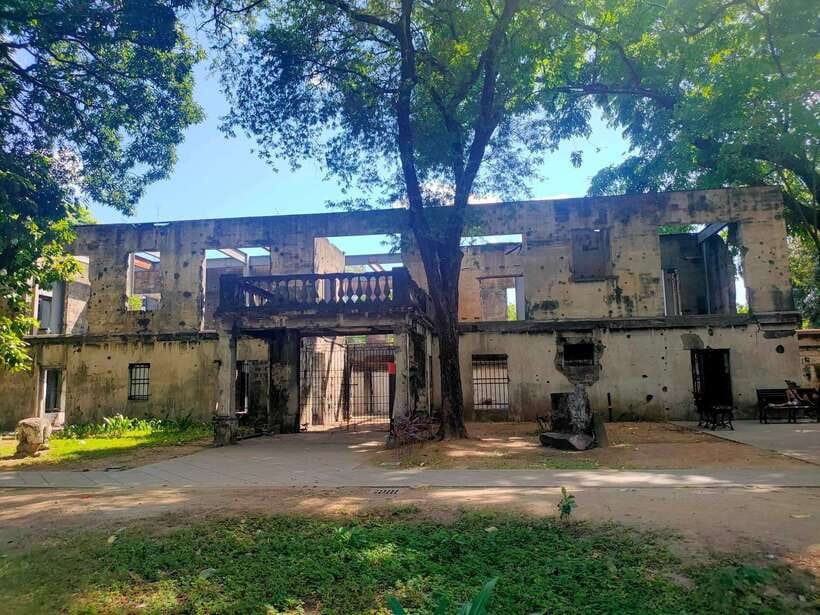
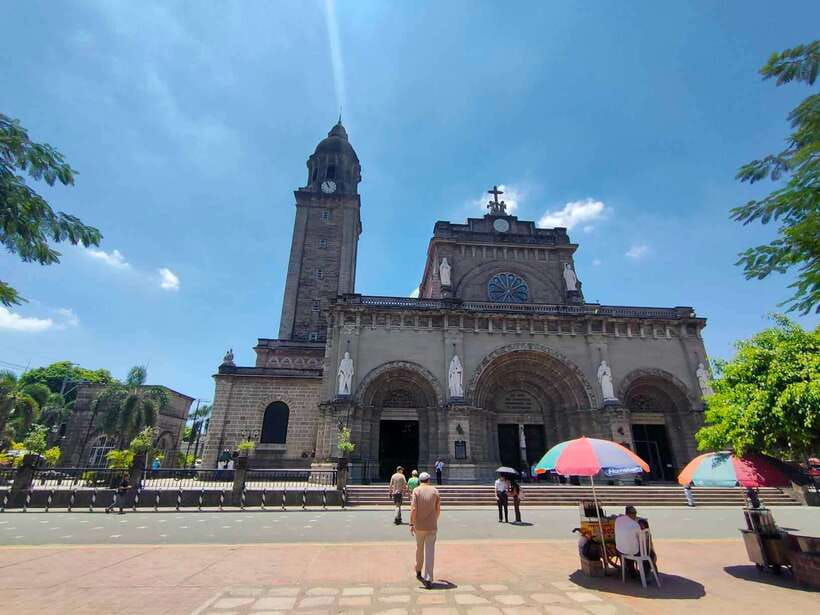
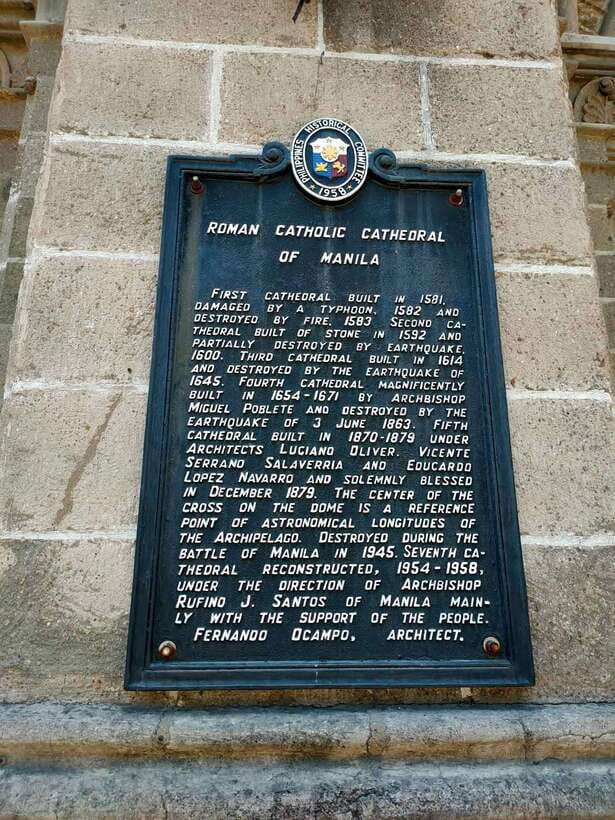
Manila Cathedral receives another 15-minute guided visit. The cathedral is noted for its bronze carvings and stained glass windows, which give you a chance to focus on religious art and design after the military setting of Fort Santiago.
The stop is brief, but the contrast is useful. Fort Santiago represents defense and political power. The cathedral shows the importance of the Catholic Church in the colonial city. Your guide can help you notice details you might otherwise pass without a second look.
The short timing means you should not expect a long architectural study. Still, the cathedral works well in this sequence because it sits near the plaza and can be reached on foot. You are not spending much of the tour in a vehicle between major sights.
San Agustin Church and its museum add detail
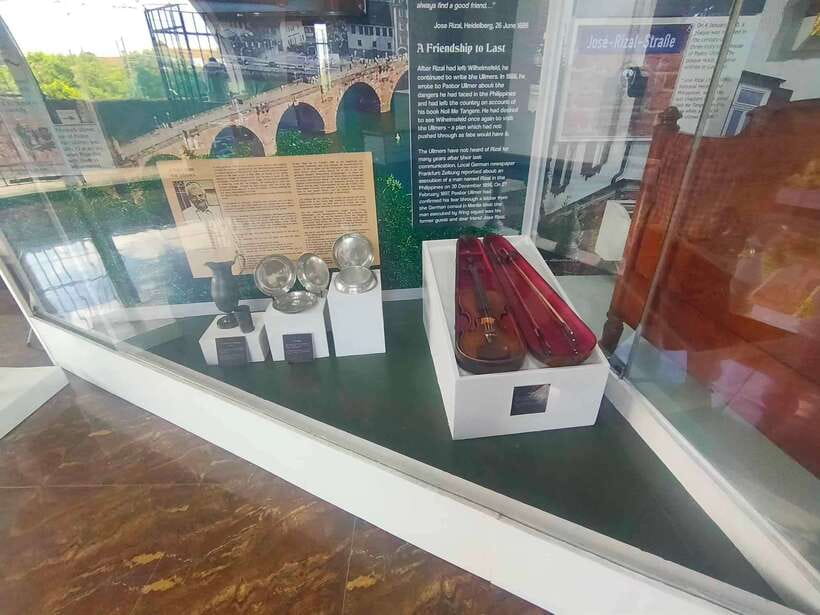
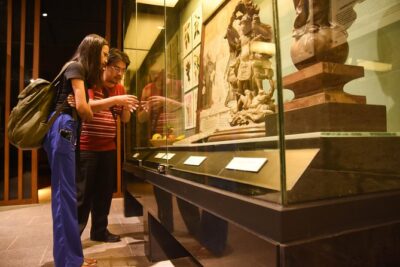
San Agustin Church is another 15-minute walking stop. The church museum contains religious artwork and statues, giving you a closer look at the material culture of Spanish-era Manila.
I like this stop for the detail it adds. Fort Santiago and the cathedral offer large, recognizable sights. The museum brings the story down to objects, images, and devotional art. That makes the history feel less abstract.
Again, the timing is tight. If religious art is a major interest, you may want to ask your guide which pieces deserve the most attention. The tour includes the entrance fee, so you do not need to budget separately for this visit.
Casa Manila lets you step inside colonial domestic life
Casa Manila takes about 30 minutes and shifts the focus from public institutions to a Spanish colonial home. Inside, you see period furniture and art arranged to suggest the lifestyle of a wealthy household.
This is one of the route’s best contrasts. Churches and forts tell you about public power, religion, and conflict. Casa Manila helps you picture how colonial status was expressed inside the home. Furniture, room layouts, and decorative objects can reveal social habits in a way that a stone wall cannot.
Thirty minutes gives you more time here than at the cathedral or San Agustin Church, though you should still expect a guided overview rather than a long independent museum visit. If you enjoy interiors, decorative arts, or the daily side of history, this may be one of your favorite stops.
The kalesa ride slows the pace
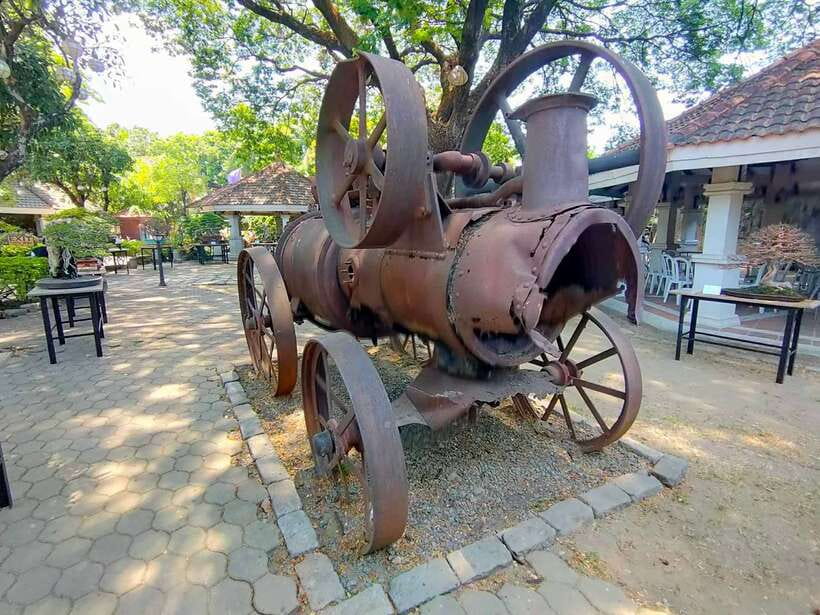
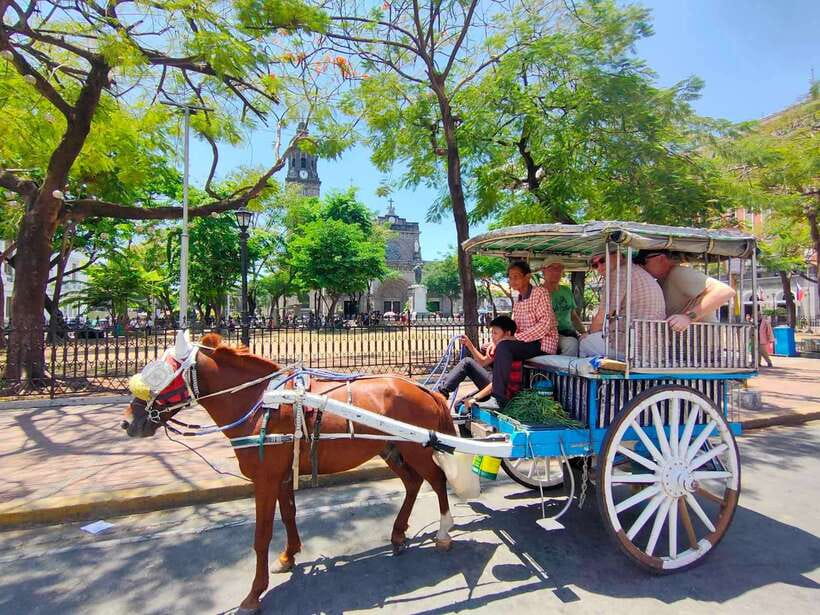
A horse-drawn kalesa ride is included, with time on the route around the defensive points and Fort Santiago. Some guests have described this part as a highlight, especially when the driver and horse are well matched to the outing.
The ride changes the mood. Instead of moving quickly from one sight to another, you see Intramuros from a lower, slower viewpoint. The cobbled streets and old walls make more sense when you are not focused on traffic or navigation.
The ride is also practical. Intramuros can be hot, and a short seated break is welcome after walking through Fort Santiago and the religious sites. The exact length is built into the stop times, so it is best understood as an important part of the four-hour visit, not a separate extended carriage excursion.
You should still bring comfortable clothes, comfortable shoes, and biodegradable sunscreen. The horse carriage does not replace all walking, and parts of the route involve uneven historic surfaces.
Rizal Park offers a final change of scene
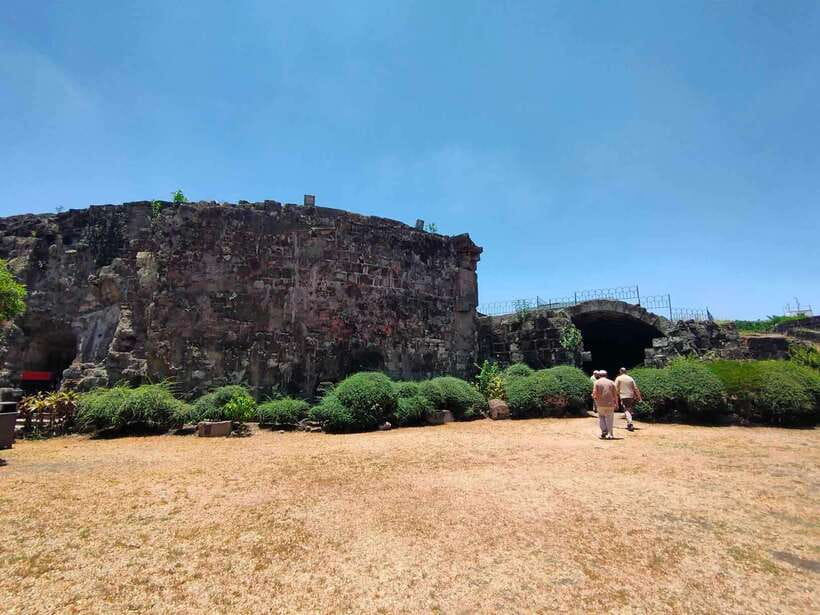
The tour description includes Rizal Park as a final area to explore, with the Rizal Monument, Central Lagoon, and National Museum Complex among its attractions. You may use the stop for sightseeing, a relaxed walk, or a picnic in the green spaces.
The detailed stop schedule focuses most heavily on Intramuros, so confirm with your guide how much time is available at Rizal Park on your departure date. In a four-hour tour with several Intramuros visits, the park may function as a shorter final stop rather than a full museum visit.
Still, it is a sensible ending. After forts, churches, and colonial interiors, the park gives you open space and a chance to think about the national story represented by Rizal. If the National Museum Complex is important to you, ask about timing before the tour begins rather than assuming there will be enough time for a full visit.
What the private format is really worth
The price is $108 per person. That is not the cheapest way to see Intramuros, but the cost includes hotel pickup and drop-off from Makati or the Bay area, an air-conditioned vehicle, entrance fees, a licensed English-speaking guide, and the kalesa ride.
For a solo visitor or couple, the price may feel high compared with simply walking into Intramuros and paying for selected admissions. The value improves when you want transport, a planned route, and someone to explain the historical links. It also improves for families or small groups who would otherwise arrange several separate rides and admissions.
The four-hour length keeps the outing manageable. You get a strong introduction without giving up an entire day. The tradeoff is that the schedule is full. You are paying for coverage and explanation, not a slow day spent at two or three sites.
The private group setup lets the guide adjust the pace. One guide has been described as taking photographs during the outing and sharing them later, while another accommodated a solo guest through the stops. Those details are not guaranteed on every departure, but they show why a private tour can feel more personal than a fixed group walk.
Pickup details deserve a quick check
Pickup is offered from hotels in Makati City and the Bay area, with drop-off in Makati or Manila Bay. You are asked to wait in the hotel lobby about 10 minutes before the assigned time. The driver may carry a sign with your name, or the hotel concierge may page you.
Leave accurate contact details so the provider can confirm the pickup. This matters because transport arrangements have not always been simple for larger parties. A family of six was separated into two ride-hailing cars and faced a long wait for the first vehicle after the tour.
That report does not cancel out the many smooth experiences, but it gives you a useful booking question: if you are traveling with six or more people, ask exactly what vehicle will collect the group and how the return transfer will work. Smaller parties may find the arrangement easier.
Who will enjoy this four-hour route
I would choose this tour for a first visit to Manila, especially if you want the main Intramuros sights explained in plain English. It suits people who enjoy political history, architecture, religious art, museums, and stories about national identity.
It is also a good fit if you are staying in Makati or near Manila Bay and do not want to solve transport on your own. The air-conditioned vehicle is useful in Manila’s heat, while the kalesa ride adds a traditional touch.
You may want another plan if you prefer to spend an entire day at museums, take long photo stops, or set your own route. The schedule is structured, and each place receives a set amount of time. It is not suitable for wheelchair users, and the activity is not recommended for people over 95 years old.
The rating is 4.3 from 11 reviews, with strong praise for the guides’ warmth, clear explanations, flexibility, and knowledge of Philippine history. The lower score centers on transport coordination for a large family, so I would treat group size as the main practical issue to check.
Should you book this Intramuros tour?
Book it if you want a well-shaped introduction to Manila’s old walled district, prefer private guiding, and value transport and entrance fees being handled together. The strongest reasons are the long Fort Santiago visit, the range of sights, and the chance to ask questions as you go.
I would be more cautious if you are booking for a large group or need guaranteed private transport for everyone in one vehicle. Confirm that detail before paying. For most couples, families with a modest group size, and first-time visitors based in Makati or the Bay area, this offers a useful four-hour look at the buildings and stories that shaped Manila.
FAQ
How long does the Intramuros tour last?
The tour lasts four hours.
Where is hotel pickup available?
Pickup is available from hotels within Makati City and the Manila Bay area.
Where can the tour drop me off?
Drop-off is offered in Makati or the Manila Bay area.
Is a horse-drawn carriage ride included?
Yes. A kalesa, or horse-drawn carriage, ride is included in the price.
Which language does the guide speak?
The live tour guide speaks English.
Are entrance fees included?
Yes. All entrance fees are included.
Is the tour private?
Yes. The experience is arranged for a private group.
Can I cancel for a full refund?
Yes. You can cancel up to 24 hours in advance for a full refund.
Just added in Manila
- Private Tour: Tagaytay Midlands & Taal Volcano Boat Ride★ 4.5 · 15 reviews
- Tagaytay Adventure: Volcano Views, Countryside, Market & Cruise!★ 4.5 · 14 reviews
- 3 Days Private Tour in Banaue Ifugao visiting Batad Rice Terraces★ 3.5 · 3 reviews
- Tagaytay Day Tour sightseeing with Panoramic Taal volcano view★ 5.0 · 6 reviews
- Tagaytay + Hidden Valley Springs: A Scenic Escape w/ Transfers★ 4.0 · 4 reviews
- Unforgettable Manila Fishing Village Day Excursion 2024★ 5.0 · 4 reviews
- 5 Days Sagada Banaue Batad Discovery (PRIVATE GROUP TOUR Max 6 Travellers)★ 5.0 · 16 reviews
- Shared Old Manila Tour★ 5.0 · 5 reviews
Intramuros Heritage Walks, compared.

Intramuros, Manila: Historical Bamboo Bike Tour
Read our review →
Experience Intramuros with Bamboo Bicycle – Ecotours
Read our review →
Intramuros, Chinatown, and Old Manila Half-Day Tour
Read our review →
Manila Food Tour: Explore World’s Oldest Chinatown
Read our review →

Explore Intramuros: Introduction to Philippine History
Read our review →Browse the lists this tour appears in