
Reviewed · FILIPINO FOOD & STREET FOOD TOURS
Manila Street food and Night Market Tour
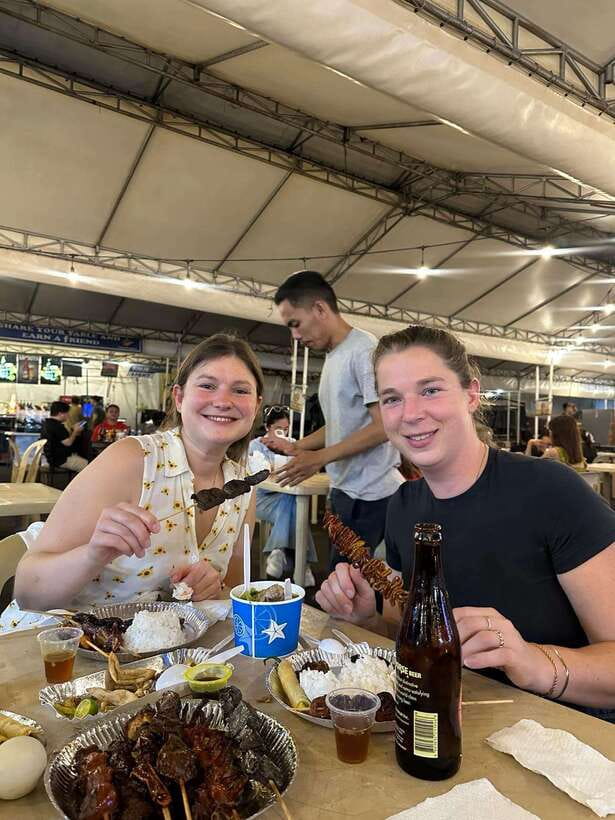
Manila’s street-food life makes the most sense when you move through it with someone who knows where to look, how to order, and when a crowded lane is worth entering. This two-hour evening route runs from Tutuban Night Market through Divisoria and Binondo, then ends beside the Pasig River.
I like the mix of food and everyday city life, especially the chance to try isaw, balut, kwek-kwek, taho, and banana cue rather than sticking to familiar restaurant dishes. I also like the short tuk-tuk or jeepney rides, which add a local touch and save your feet a little.
The main drawback is the tight schedule. Two hours is enough for a lively introduction, but not enough to explore each market slowly, and $68 per person is a serious price for a short walking tour. Ask what food purchases are covered before you book.
Key points at a glance
- Tutuban starts the food lesson: Begin among stalls selling quick Filipino snacks, grilled bites, and market goods.
- Divisoria feels wonderfully real: Ilaya Street gives you a close look at Manila’s bargain-shopping district as well as local snacks.
- Binondo adds Chinese-Filipino flavor: Try siopao and dumplings while learning how this part of Manila connects food and culture.
- Floyd and Venus lead the route: Both are named as English-speaking guides, and Floyd receives especially strong praise for his patience, humor, and care.
- Pasig Esplanade slows the pace: Finish beside the river, with city lights and room to catch your breath.
- You need an open mind: This is a food tasting and walking tour, so tell the operator about allergies and expect unfamiliar ingredients.
Why this short Manila tour works
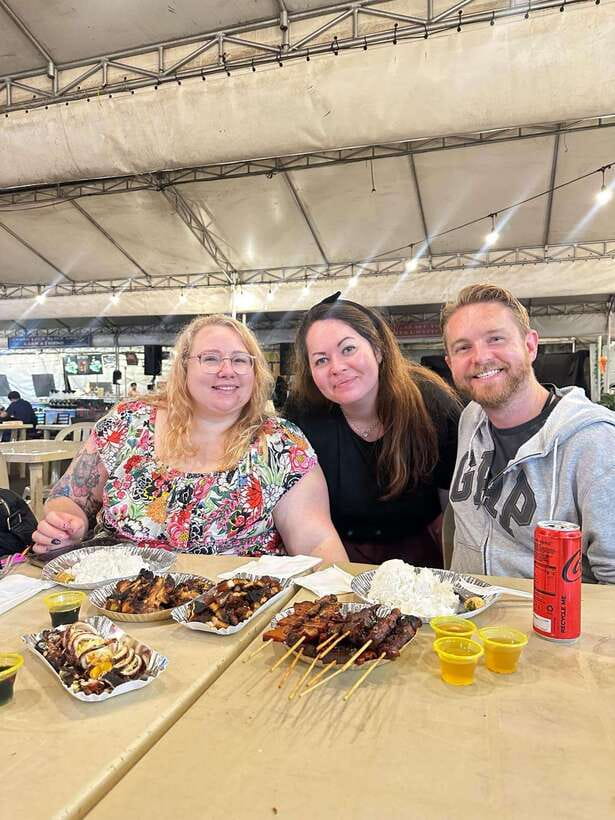
This is not a polished food crawl built around fashionable restaurants. It is a fast-moving introduction to the street stalls, market lanes, transport, and people that shape daily Manila. You will see goods for sale, hear the noise of the markets, and stop for small portions rather than sit down to a long meal.
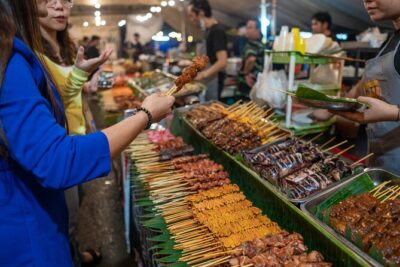
That makes the tour useful early in a Manila visit. A local guide can explain how to approach a stall, what to point at, and how to order without guessing. You also get a practical look at Filipino food culture, where snacks can be grilled over charcoal, fried to order, served in a plastic cup, or bought from a bakery counter.
The route is also easy to understand geographically. It starts at Tutuban Center, moves through Divisoria and Binondo, and finishes at Manila City Hall after the Pasig Esplanade stop. The supplied location information also mentions Nueva Vizcaya, but every stop and meeting detail describes Manila, so confirm the exact meeting point when you reserve.
The tour meets at Bonifacio Monument or Tutuban Center Mall. A WhatsApp contact is provided at 09980864564. Since Manila traffic can be slow, allow extra time to reach the meeting point, even though the scheduled activity itself lasts only two hours.
More Food Tours in Manila
- Manila Food Tour: Explore World’s Oldest Chinatown
★ 5.0 · 158 reviews - Manila: Street Food and Drinks Walking Tour with Tastings
★ 4.8 · 114 reviews - Manila: Guided Food Tour of Binondo with Tastings
★ 4.8 · 38 reviews
Tutuban Night Market: your first taste of Manila
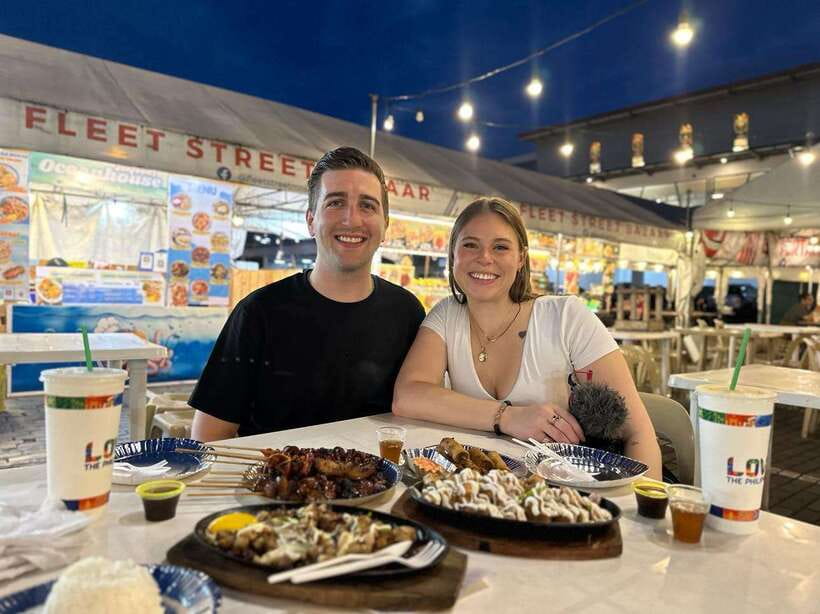
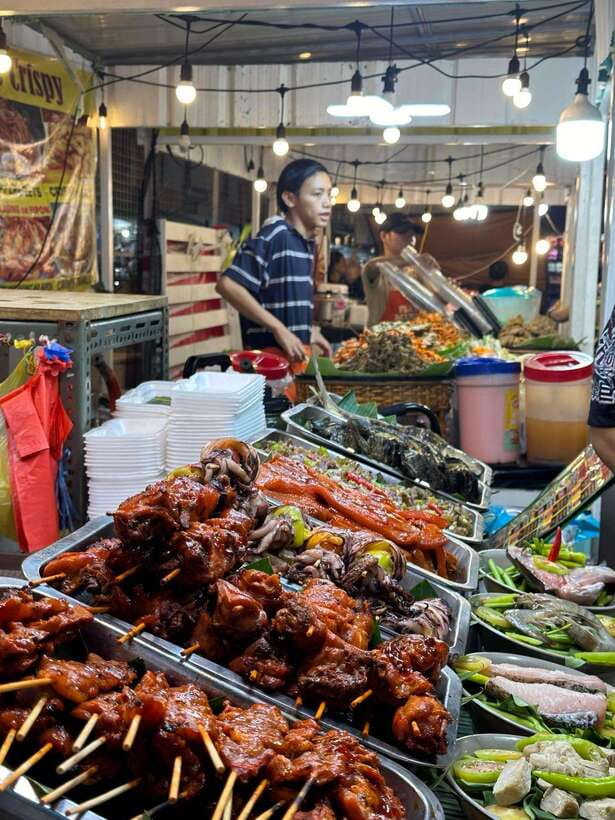
The opening 30 minutes take place at Tutuban Night Market. This is a good place to start because you get the full market setting before focusing on individual dishes. Stalls, shoppers, low-priced goods, and food vendors all compete for your attention.
Your guide may introduce you to isaw, grilled chicken or pork intestines served as a quick snack. The texture can surprise first-time visitors, but the point is not to force yourself to eat anything. Your guide can explain what you are seeing and help you decide how adventurous you want to be.
You may also encounter balut, the famous fertilized duck egg, and kwek-kwek, quail eggs coated in orange batter and fried. Kwek-kwek is often an easier first step for cautious eaters. Balut is more demanding, and you should only try it if you feel comfortable.
This is where the guide’s role matters most. Floyd is praised for making solo participants feel safe and at ease, while also encouraging them to try foods they might normally avoid. Venus is described as friendly, professional, and good at explaining local life. The food is only half the experience. The other half is learning how to act naturally at a stall.
Do not expect a quiet tasting room. You will be walking, standing, and making quick stops. If you prefer a slow dinner with plenty of seating, this will feel rushed. If you want a first look at Manila’s street-food habits, the pace makes sense.
Divisoria and Ilaya Street: food beside bargain shopping
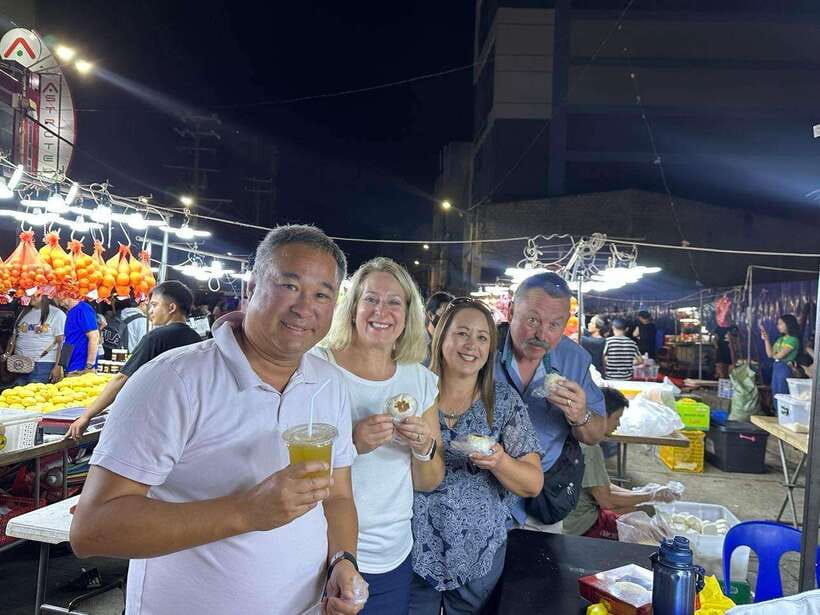
The next stop lasts about 20 minutes and takes you into Divisoria, especially Ilaya Street. This area is known for affordable goods and crowded market lanes, so the food is part of a much larger scene. You may be looking at clothing or household items one moment, then turning toward a snack cart the next.
The suggested foods here include taho, soft silken tofu served with sweet syrup, and banana cue, a fried banana snack coated with caramelized sugar. Both are approachable choices, though they offer very different experiences. Taho is soft and warm, while banana cue is sweet, sticky, and more substantial.
I like this stop because it shows how street food fits into ordinary routines. These are not special-occasion dishes served with ceremony. They are quick foods bought while people shop, work, commute, or pass through the market.
The drawback is that 20 minutes is brief. You will not have much time to browse the goods or stop at every food stall. Treat Ilaya Street as a snapshot, not a full shopping visit. Keep your belongings secure and stay close to your guide, since the route passes through busy public market areas.
Binondo Chinatown: Chinese-Filipino flavors in 40 minutes
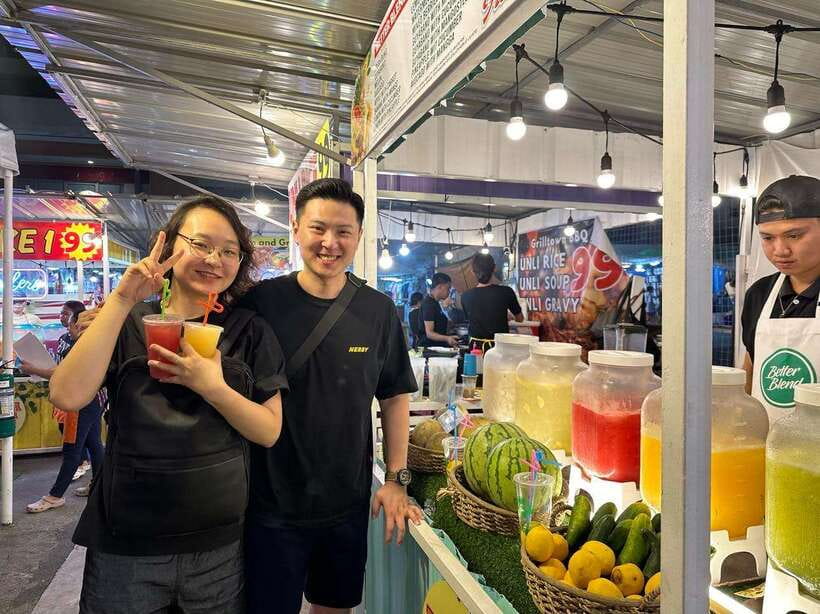
Binondo receives the longest stop, about 40 minutes, and that extra time is useful. Manila’s Chinatown brings Chinese and Filipino food traditions together, giving the tour a different flavor after the grilled and fried snacks of Tutuban and Divisoria.
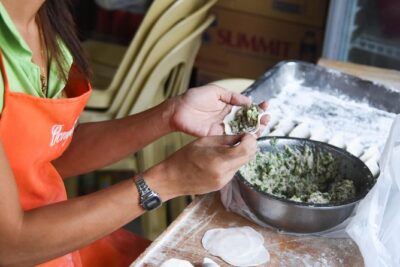
Here you might stop at street stalls or bakeries for siopao, a steamed bun with savory filling, and dumplings. These foods are familiar enough for many first-time visitors, but your guide can help explain how they fit into Binondo’s food culture and how to order them locally.
The area also gives the walk more cultural context. Instead of treating street food as a list of strange things to sample, the route shows how Manila’s Chinese-Filipino communities have shaped what people eat. You will not get a long academic lecture in a 40-minute visit, but a good guide can connect the food, the streets, and the neighborhood.
Floyd receives repeated praise for his stories, humor, patience, and ability to keep people interested. That combination is useful in Binondo, where the best experience comes from asking questions. Ask why a dish is popular, how it is usually eaten, and which flavors are mild or strong.
Because the tour is short, do not count on a full meal here. The stops are tastings and quick bites. If you arrive hungry, you may want to carry a little extra money in case you wish to buy more food, but confirm with V.S Tour Services what the $68 fee covers.
More places to eat your way through Manila:
- Makati Street Food Experience end with a Rooftop Bar
★ 5.0 · 33 reviews - Cebu City: Historical Street and Food Tour
★ 4.9 · 31 reviews
Pasig Esplanade: a calmer finish by the river
The final 30 minutes take you to Pasig Esplanade. After the noise and close quarters of the markets, the riverside setting gives the evening a change of pace. You can take a final stroll, look at the city lights, and have a light snack if one is available.
This ending is a smart part of the route. A market tour that finishes in another crowded lane can leave you overstimulated. The Esplanade offers a chance to pause and talk with your guide about the foods you tried.
The experience finishes at Manila City Hall, although the meeting point and final listed route can sound slightly different in the supplied details. Confirm where the group will separate at the start of the tour. That small check can save you a confusing walk at the end of the evening.
What $68 per person gets you
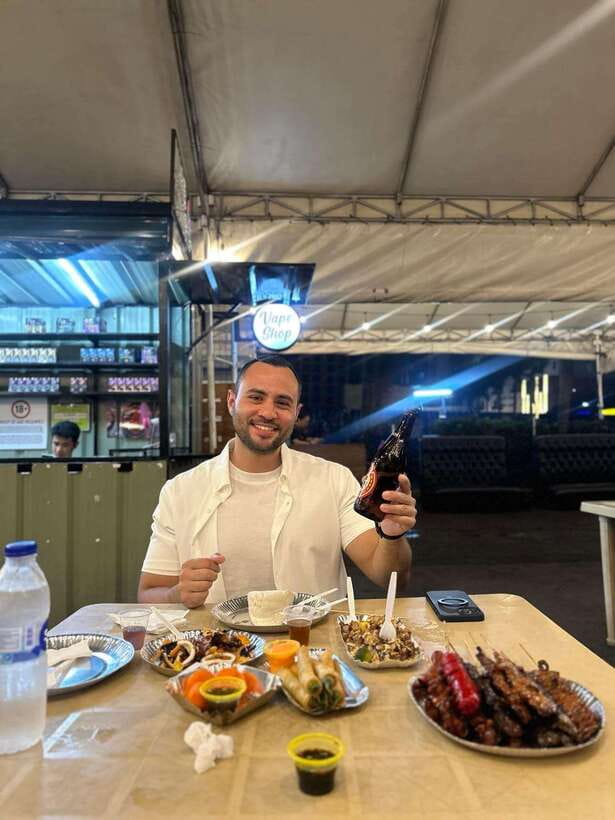
At $68, this is not a cheap way to buy street food. You are paying for more than the snacks. The price includes an English-speaking guide, a tuk-tuk or jeepney ride, and photography, while the tour itself provides structure in areas that can feel difficult to approach on your own.
The value is strongest if you are new to Manila, traveling alone, or interested in food but unsure how to order at public stalls. Floyd’s calm approach is particularly useful for solo visitors, and one solo participant used the tour during a long layover and felt comfortable trying new dishes.
The value is weaker if you already know Manila well or simply want to eat as cheaply as possible. You could spend far less by buying snacks independently. You would not, however, get the same help with ordering, neighborhood context, or movement between Tutuban, Divisoria, Binondo, and Pasig Esplanade.
Food is described as part of the activity, but the included section lists the guide, transport, and photography rather than specific food costs. Ask before booking whether tasting portions are included or paid for separately. That answer affects the real price.
The guides make the difference
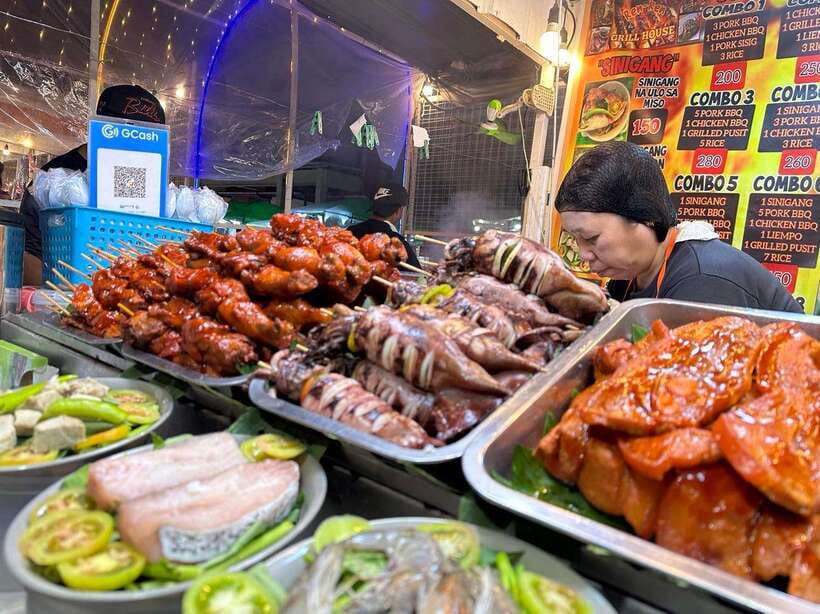
The tour lists Floyd and Venus as the English-speaking guides. The strongest praise centers on their personal style: patience, care, humor, professionalism, and the ability to make unfamiliar foods feel less intimidating.
Floyd appears especially suited to visitors who are nervous about Manila or trying street food for the first time. He is described as patient with late arrivals caused by traffic, attentive to safety, and good at explaining both food and local life. He also has the kind of easy humor that helps a short tour feel social rather than instructional.
Venus is described as friendly, polished, and well informed about the city. She is a good fit if you want a guide who can explain the cultural side of the route while keeping the group comfortable.
Guide assignments can change, so ask who will lead your departure if having Floyd or Venus matters to you. The quality of this experience depends heavily on the guide’s ability to judge your comfort level. You should expect encouragement, not pressure, when a dish is outside your normal diet.
Food, allergies, and comfort
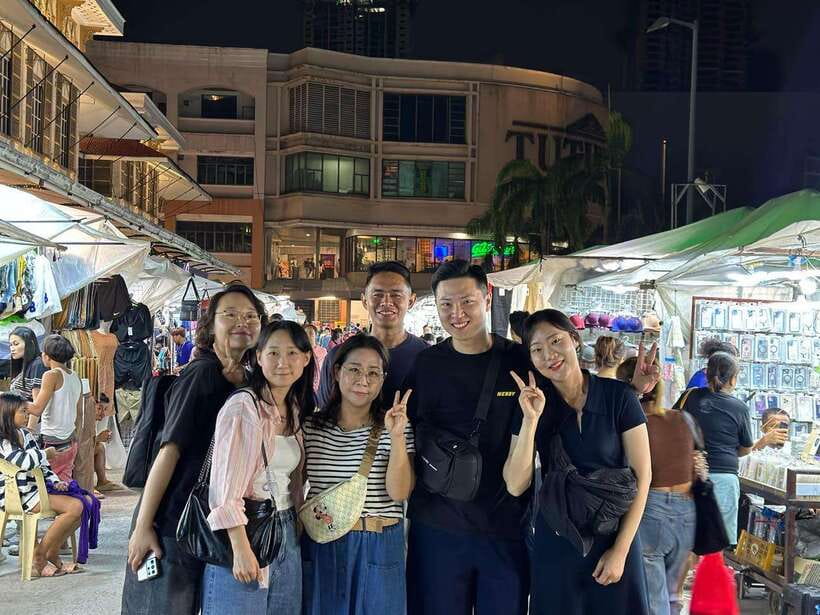
This tour works best if you are curious and flexible. You do not need to like every dish, but you should be willing to look closely, ask questions, and try at least a few unfamiliar flavors.
Tell the operator about food allergies before the tour. The route includes street stalls and quick-service vendors, so ingredients and preparation methods may not be as easy to confirm as they are in a formal restaurant.
Wear comfortable walking shoes. The tour is explicitly a walking experience, with short rides by tuk-tuk or jeepney. You will spend time standing in markets, moving through public streets, and stopping for food rather than sitting for long periods.
The route may also suit a long layover, provided you can reach the meeting point on time and have enough buffer for Manila traffic. Two hours gives you a compact introduction, but you should not schedule a tight onward connection immediately afterward.
Who should book this experience?
I would recommend it to first-time Manila visitors who want a quick orientation through food. It also suits solo visitors who want company and local guidance, couples who prefer markets to formal dining, and anyone curious about Filipino snacks but unsure where to begin.
Families with older children may enjoy the variety, though the food can be unfamiliar and the market lanes crowded. Picky eaters may find the tour frustrating. The operator specifically asks you to mention allergies, and the experience is better for people who can make their own choices rather than expecting a fixed menu.
You should also book it if transport sounds part of the fun. The tuk-tuk and jeepney rides are small details, but they help the tour feel connected to Manila rather than like a series of isolated food stops.
Practical booking advice
The activity offers free cancellation up to 24 hours before departure and a reserve-now, pay-later option. Starting times vary, so check availability when choosing your date.
Bring enough cash or a payment method for any food not included in the booking. Since the food costs are not itemized in the supplied details, clarify this with V.S Tour Services.
Use the WhatsApp number provided for meeting-point questions: 09980864564. Confirm whether you should meet at Bonifacio Monument or Tutuban Center Mall, and ask where the group finishes in relation to Manila City Hall.
Should you book the Manila street-food tour?
Book it if you want a fast, guided look at Manila’s food stalls, market streets, and local transport. The best reasons are the four-part route, the practical ordering help, and the chance to try dishes such as isaw, balut, kwek-kwek, taho, banana cue, siopao, and dumplings without having to plan every stop yourself.
Skip it if you want a long, relaxed meal, a low-cost food crawl, or a quiet evening. At $68 for two hours, you are paying for guidance and access rather than quantity of food. For an open-minded visitor, especially a solo newcomer, that can be worthwhile. Just confirm the food inclusions, meeting point, and allergy arrangements before paying.
FAQ
Where does the tour start?
The listed starting point is Tutuban Center. Meeting details also mention Bonifacio Monument and Tutuban Center Mall, so confirm the exact spot with the operator before departure.
Where does the tour finish?
The itinerary lists Pasig Esplanade as the final sightseeing stop and Manila City Hall as the finish point.
How long does the tour last?
The tour lasts two hours.
What food can I try?
Possible tastings include isaw, balut, kwek-kwek, taho, banana cue, siopao, and dumplings.
Is the tour conducted in English?
Yes. The tour has an English-speaking live guide.
Who are the guides?
The listed guides are Floyd and Venus.
Is transportation included?
A tuk-tuk ride or jeepney ride is included as part of the experience.
Is this a walking tour?
Yes. Walking and food tasting are central parts of the tour.
Should I report food allergies?
Yes. You should tell the operator about any food allergies before the tour.
Can I cancel for a refund?
You can cancel up to 24 hours in advance for a full refund. The activity also offers reserve now and pay later booking.
More Shopping Tours in Manila
- Cebu City: Half-Day Tour with Shopping
★ 4.8 · 36 reviews
More Markets in Manila
- Manila: Guided Night Market Experience
★ 5.0 · 54 reviews - Manila’s Culinary Expedition: The Ultimate Food and Market Tour
★ 5.0 · 42 reviews - Explore Manila Slums and Hidden Market
★ 4.9 · 41 reviews
Just added in Manila
- From Manila: Villa Escudero Guided Tour★ 5.0 · 19 reviews
- Breathtaking Cultural Experience in Villa Escudero★ 4.5 · 15 reviews
- Solo Traveler Friendly Manila Walk w/ Mobile Photography★ 5.0 · 22 reviews
- Day hike to Mount Daraitan with Tinipak River 2024★ 5.0 · 22 reviews
- Manila: Intramuros Walled City Guided Walking Tour★ 4.5 · 30 reviews
- Half-Day Manila City Tour★ 5.0 · 29 reviews
- Makati Rooftop Barhopping with Local Guide★ 4.8 · 26 reviews
- Makati Rooftop and Hidden Bars Experience★ 4.9 · 30 reviews
Filipino Food & Street Food Tours, compared.
Manila Food Tour: Explore World’s Oldest Chinatown
Read our review →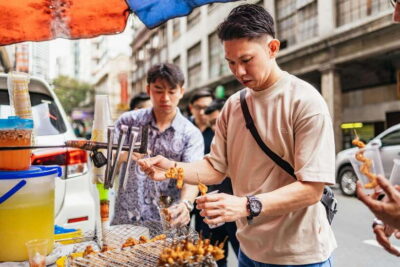
Street Food and Drinks Walking Tour with Tastings
Read our review →
Makati Street Food Experience end with a Rooftop Bar
Read our review →
Browse the lists this tour appears in