
Reviewed · INTRAMUROS HERITAGE WALKS
Manila: Binondo Chinatown Food Tour with Free Food Samples
Binondo is the sort of place where the food, streets, and history all arrive at once. This three-hour walk begins at Binondo Church, then threads through the world’s oldest Chinatown, established in 1594, with samples ranging from savory dim sum to sweet traditional pastries. Guide Jane also adds the stories that turn a snack stop into a lesson about Manila.
I like the private-group format, which should make it easier to ask questions and adjust the pace. I also like that the food is not treated as an afterthought: the route includes stalls and restaurants, street snacks, a proper meal, and the much-praised siopan. The main drawback is simple: you walk for the entire three hours, and the tour is not suitable for wheelchair users.
Key points to know before you book
- Binondo Church is both meeting point and finish: You do not need to arrange a separate return transfer after the walk.
- Guide Jane is a major part of the experience: She leads in English or Tagalog and explains the food, landmarks, and Filipino-Chinese connections.
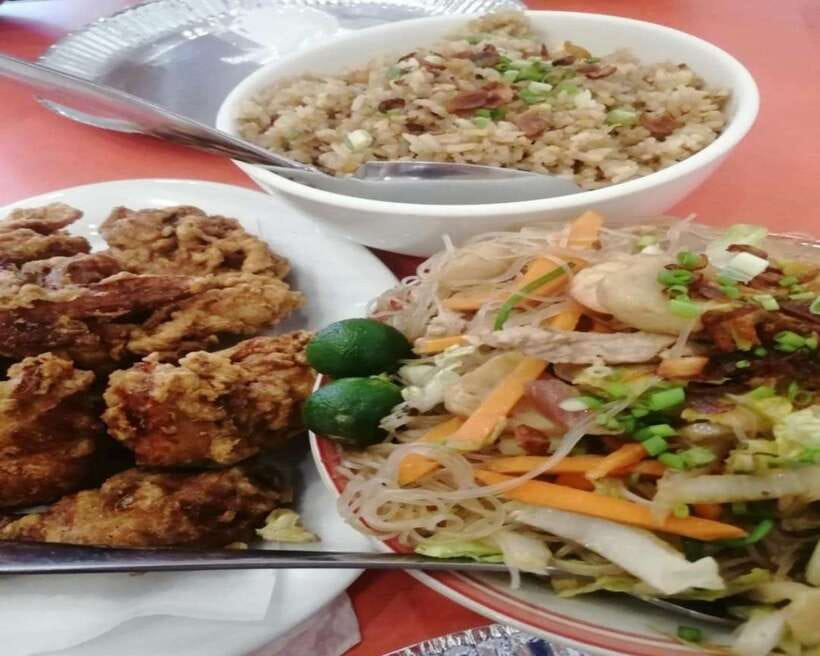
- The tasting is varied: Expect savory dishes, dim sum-style food, street snacks, and traditional sweets rather than one large sit-down meal.
- Ongpin Street anchors the food experience: This famous Chinatown thoroughfare provides some of the tour’s strongest atmosphere and food stops.
- The whole route is on foot: Wear shoes you can trust, carry water, and be ready for busy streets and markets.
- The $80 price buys more than samples: You are paying for a private three-hour walk, a local guide, food tastings, and several cultural stops.
Starting at Binondo Church in Manila
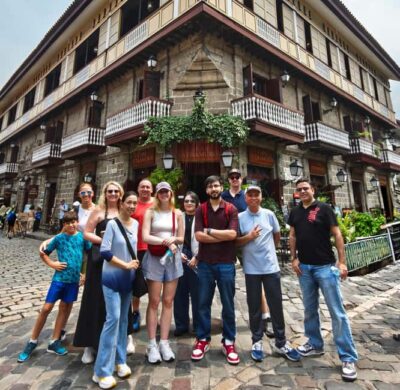
Your meeting point is the Minor Basilica and National Shrine of Saint Lorenzo Ruiz, usually called Binondo Church. It is also where the tour ends, a useful arrangement in a busy part of Manila where finding the same guide or restaurant twice could be a nuisance.
The church gives the tour a strong opening because Binondo is not just a food district. It is a place shaped by Chinese Filipino life, Catholic worship, trade, family businesses, and centuries of movement through Manila. The tour uses the church as a doorway into that story before turning toward food.
I would arrive with enough time to find the entrance and settle in. The exact starting time depends on availability, so check the schedule when you book. Since the group is private, you may have more room to ask about the church, Chinatown, or the dishes as you go.
This first stop also helps you understand the route. You are not being driven between restaurants. You meet at the church, walk through the district, and return there after three hours. That makes the experience easy to fit into a day of sightseeing, but it also means you should not plan it as a break from walking.
More Food Tours in Manila
- Manila Food Tour: Explore World’s Oldest Chinatown
★ 5.0 · 158 reviews - Manila: Street Food and Drinks Walking Tour with Tastings
★ 4.8 · 114 reviews - Manila: Guided Food Tour of Binondo with Tastings
★ 4.8 · 38 reviews
Ongpin Street and the first taste of Chinatown
From Binondo Church, the food portion takes over. Ongpin Street is one of the key places to see Chinatown in motion, with food businesses, shops, stalls, and people moving through the district. It is a place to look closely. Signs, counters, displays, and cooking smells all compete for your attention.
Your guide’s role matters here. A visitor on a self-guided walk might notice a crowded counter but have no idea what to order or why a certain food matters. Jane can point out what you are tasting and explain how the dishes connect to Chinatown and the Philippines.
The food is served as a series of samples, so you get variety rather than one oversized plate. That is a smart approach for Binondo. You can try several flavors without committing your whole meal to one dish, and you can compare savory, sweet, familiar, and less familiar foods during the same walk.
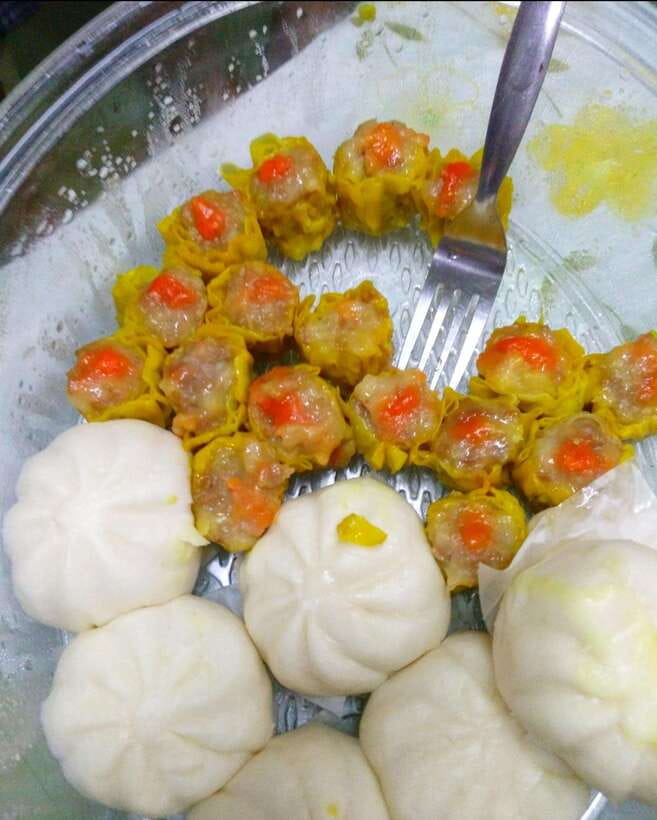
One particularly useful feature is the chance to try dishes you might otherwise pass by. One booking review specifically praised the siopan, written that way in the supplied feedback, and called it amazing. Since you are sampling food selected along the route, the tour can help you get past the usual safe choices.
Dim sum, street snacks, and traditional pastries
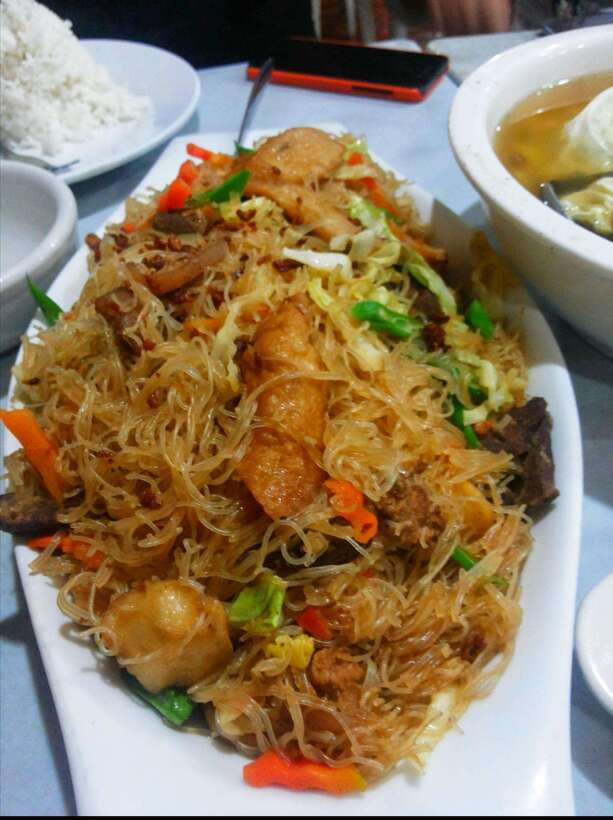
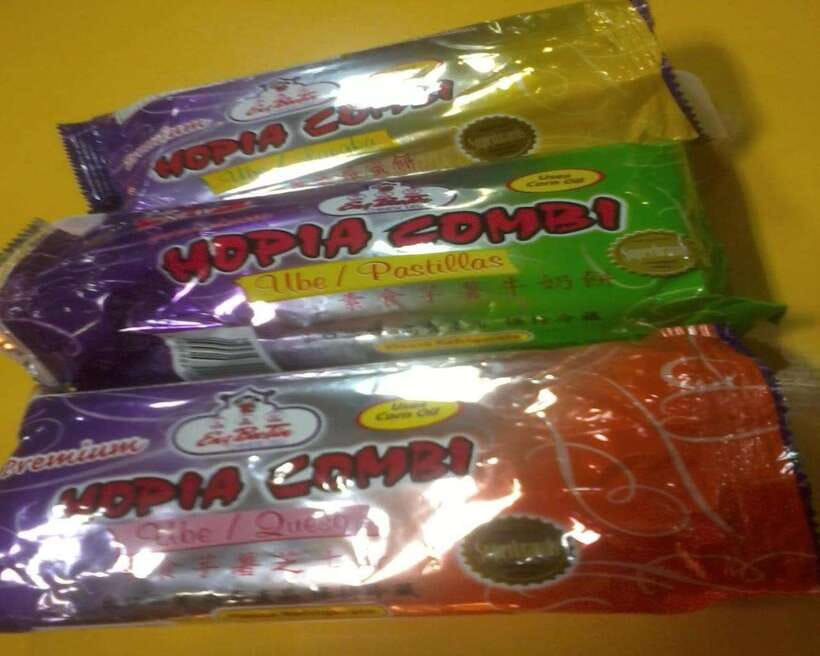
The tasting menu is described in broad categories rather than a fixed dish list. You can expect food from several parts of Chinatown’s culinary scene, including savory dim sum, street snacks, and sweet traditional pastries. That flexibility is worth noting: exact dishes may depend on what is available at the stops on the day.
The dim sum portion gives you a familiar entry point, especially if you already enjoy small steamed or savory Chinese-style dishes. The street food samples bring a different feel. They are connected to the daily life of the district, where eating is often quick, practical, and social rather than a formal restaurant event.
Dessert provides a useful change of pace. Traditional pastries show that Chinatown food is not only about noodles, dumplings, or savory snacks. Sweet foods can reveal family traditions and local adaptations just as clearly as a main dish.
I like this format for curious eaters who want breadth. You can ask questions about ingredients, preparation, and local habits while the food is in front of you. The limitation is that the description does not promise a precise number of samples or a fixed menu, so you should book for the guided food exploration rather than a guaranteed checklist of dishes.
The experience includes free food samples, but personal expenses are not included. If you want extra portions, drinks, souvenirs, or food beyond the planned tastings, budget separately. Tips and gratuity are also not included.
Plaza San Lorenzo Ruiz and the stories between bites
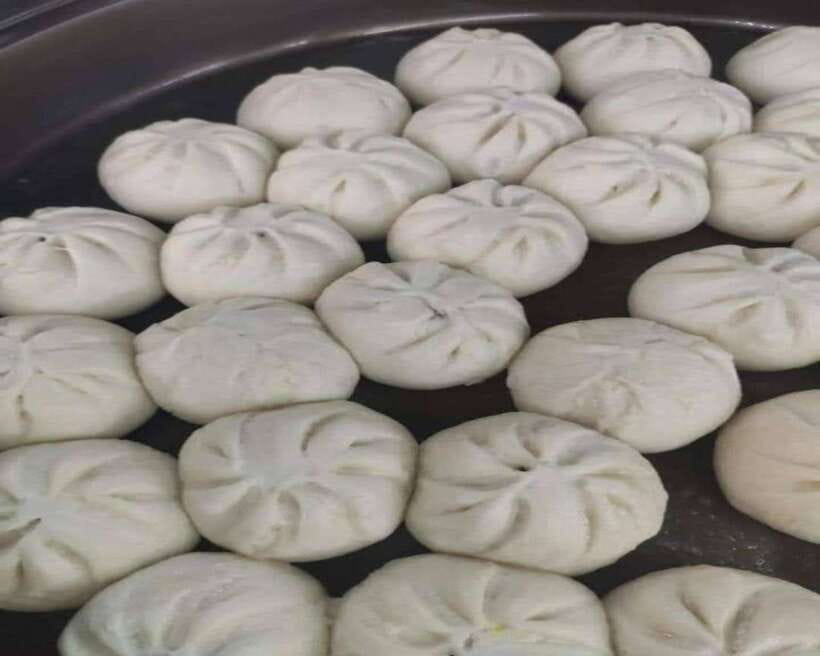
The route includes Plaza San Lorenzo Ruiz, another useful pause from the food stops. Places like this help keep the tour from becoming a restaurant crawl with a few facts added at the end. Your guide can connect the square and nearby landmarks to the area’s past while you catch your breath.
That balance is important in Binondo. The neighborhood’s appeal is not limited to what is on the plate. You are also seeing how Chinatown fits into Manila, how landmarks sit beside food businesses, and how a district established in 1594 continues to function as a living part of the city.
The supplied guide languages are English and Tagalog. For English-speaking visitors, that makes the tour accessible without needing to rely on gestures or translation apps when asking about a dish. For Filipino visitors, the Tagalog option may make the conversation feel more natural, especially when discussing local food terms or family traditions.
Guide Jane receives especially strong praise in the available feedback. One English-language comment calls her an excellent guide after a food-filled walk through busy streets. Other comments describe her as friendly and credit her with explaining Chinatown, the food, and the Philippines. A French-language comment also highlights the way she uses dishes, snacks, and neighborhood stories to introduce the area. That combination of food knowledge and local storytelling is the main reason to choose a guided tour over walking Ongpin Street alone.
More history on foot in Manila:
- Intramuros, Manila: Historical Bamboo Bike Tour
★ 4.8 · 583 reviews - Experience Intramuros with Bamboo Bicycle – Ecotours
★ 5.0 · 508 reviews - Manila: Intramuros, Chinatown, and Old Manila Half-Day Tour
★ 4.8 · 475 reviews - Manila: Guided Sunset Bamboo Bike Tour in Intramuros
★ 4.8 · 119 reviews
What three hours on foot really feels like
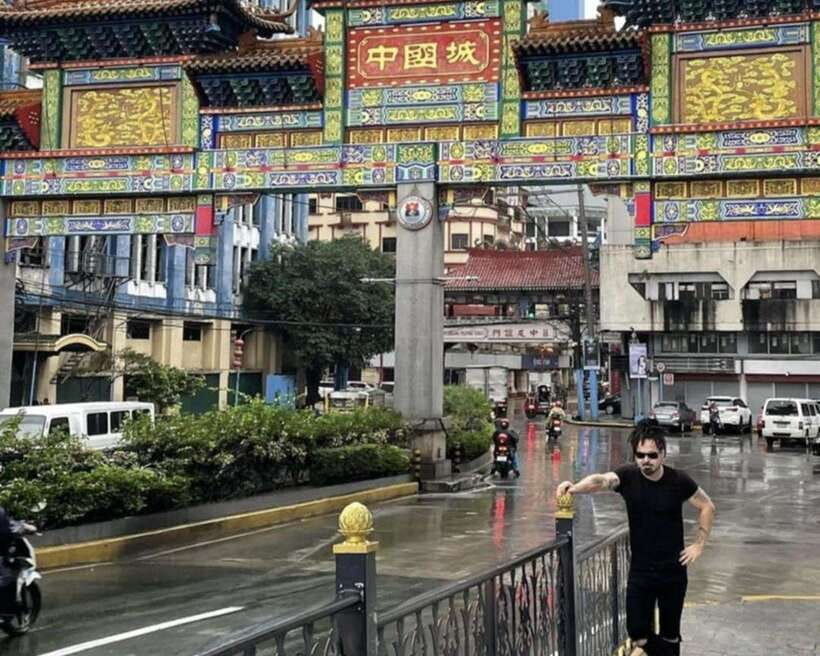
Three hours is enough time to sample several foods and visit the named landmarks without turning the outing into a full-day commitment. It is also long enough for the physical side of the tour to matter. You are walking throughout, with no transport segment listed.
Comfortable shoes are essential. Bring water, particularly if you are sensitive to heat or prefer not to buy a drink at each stop. A camera is recommended, though you should give your attention to the guide and the food as well. Busy streets and markets can make it awkward to stop suddenly, so keep your belongings secure and stay close to the group.
The private-group setup is helpful for pacing. You can ask for clarification, spend more time on a food you find unfamiliar, or move along when you have had enough. Still, private does not mean the neighborhood will be quiet. Binondo remains a working district, and the streets can feel crowded and energetic.
This is not a good match if you need a seated tour, avoid walking, or use a wheelchair. The activity information specifically lists it as unsuitable for wheelchair users. Anyone with limited stamina should consider that the tour stays on foot from the church and returns there on foot.
Is $80 a fair price for this food walk?
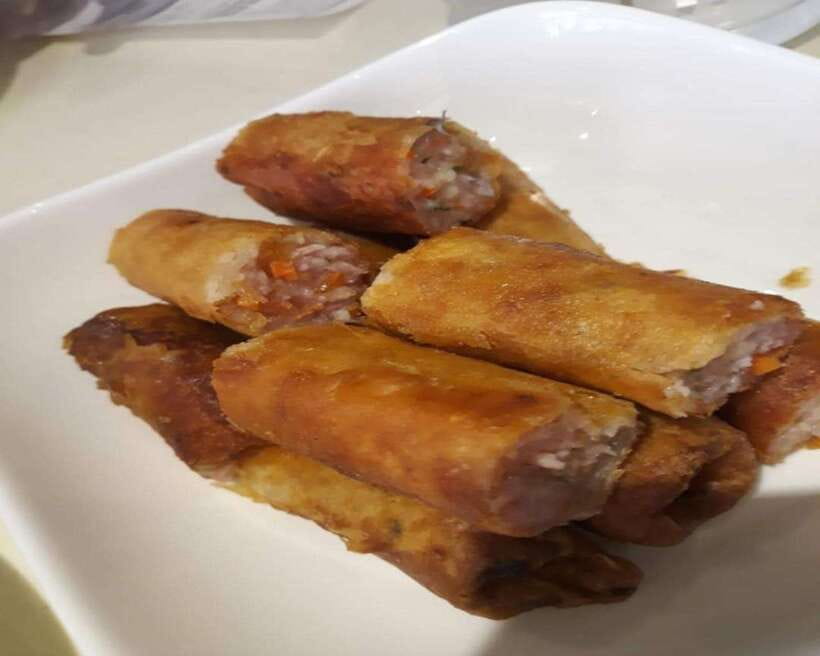
The listed price is $80 per person. On the food alone, that may look high compared with buying individual snacks in Chinatown. The better question is what else the price covers.
You are getting a private three-hour walking tour, an English or Tagalog-speaking local guide, samples at food stalls and restaurants, and stops at landmarks including Binondo Church, Ongpin Street, and Plaza San Lorenzo Ruiz. You are also paying for the convenience of having someone choose the route and explain what you are eating.
That can be good value if you are new to Binondo or want a guided introduction rather than a self-directed food hunt. The value is weaker if you already know the neighborhood, speak confidently with vendors, and mainly want a large meal for the lowest possible price. This is a food-and-culture tour, not an all-you-can-eat outing.
Because the group is private, the price may make more sense for couples, families, or a small group that wants its own guide. Solo visitors should look closely at the final booking cost and decide if personal attention and structure justify the per-person rate.
The booking also allows cancellation up to 24 hours before the tour for a full refund, and you can reserve now and pay later. Those terms are practical if your Manila plans are still shifting. They do not change the food value, but they reduce the risk of committing too early.
Who will enjoy this Binondo experience most?
I would recommend this tour to first-time visitors who want an easy introduction to Chinatown without researching every stall in advance. It is also a good fit for people who enjoy trying several small foods instead of ordering one familiar meal.
Food-focused visitors will appreciate the range. The route includes dim sum-style dishes, street snacks, pastries, and a meal, giving you a broad taste of the district. You will not know the exact sample list ahead of time, but that can be part of the fun if you like a little surprise.
History-minded visitors should also find enough substance here. The landmarks are not random photo stops. Binondo Church, Ongpin Street, and Plaza San Lorenzo Ruiz give Jane places to explain how the district developed and how food remains tied to its identity.
Families and small groups may like the private format, especially if some members are adventurous eaters and others need more explanation before trying something new. The walking requirement is the deciding factor. Anyone who cannot comfortably spend three hours on foot should choose another activity.
Practical details for a smoother outing
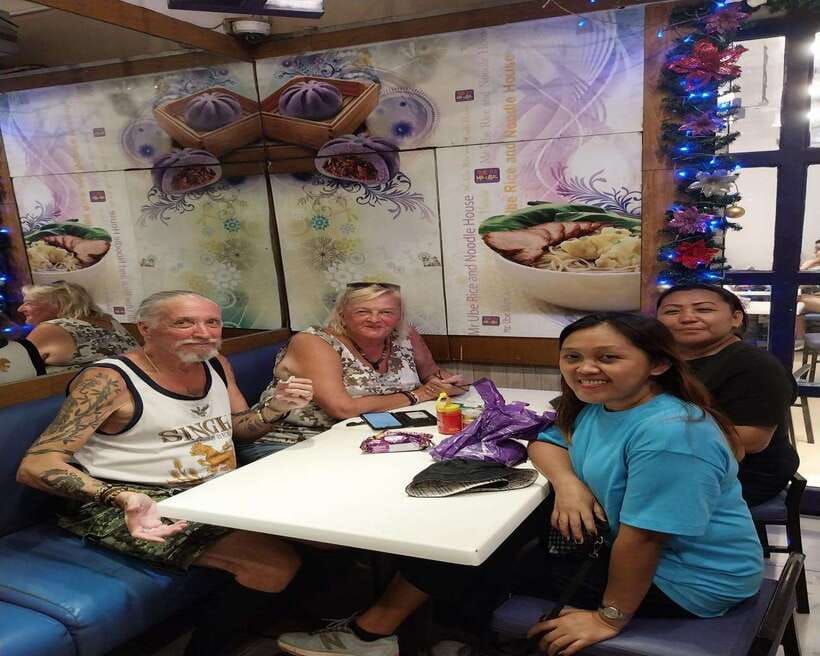
Meet at Binondo Church and plan to finish at the same location. Starting and ending in one place keeps the logistics simple, but you still need to plan your route to the church before the scheduled start.
The tour lasts three hours, with starting times available according to the booking calendar. Since no fixed daily departure time is provided, check availability rather than assuming a morning or afternoon slot.
Bring comfortable shoes, water, and a camera. Food samples are included, but extra personal expenses and gratuity are not. If you have dietary restrictions or strong dislikes, ask about them before booking because the available information does not promise a customized menu.
The experience is offered in English and Tagalog. It is a private group activity, which means your party gets a more personal setting than a large shared tour. The guide is Jane, whose role includes explaining the food and the places along the route.
Should you book the Binondo food tour?
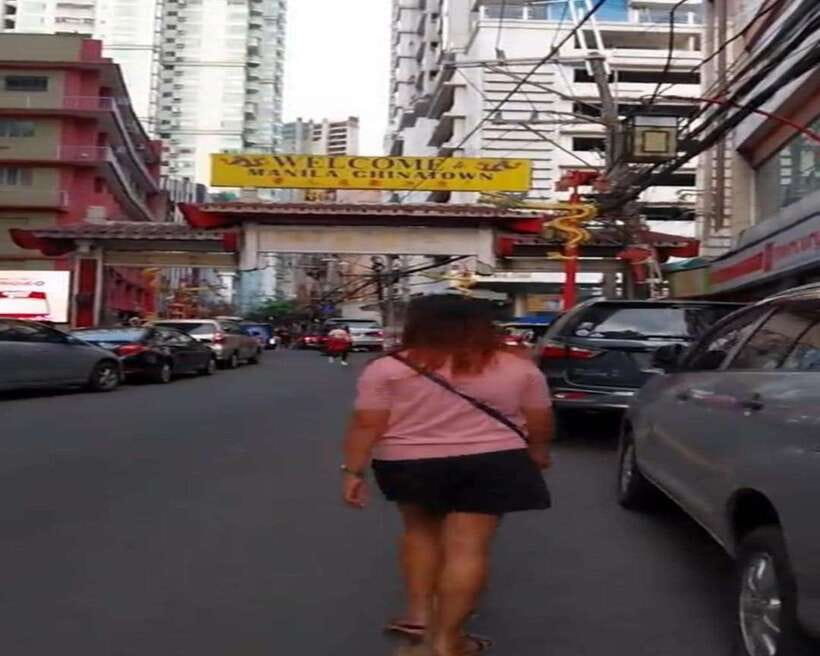
Book it if you want your first look at Binondo to combine food, landmarks, and local explanation. The strongest reasons are the private format, the range of samples, and Jane’s clear reputation for making the district understandable and enjoyable. The siopan, pastries, dim sum, and street snacks give you plenty of ways to discover something new.
Skip it if you mainly want a cheap, filling meal or if three hours of walking will be uncomfortable. The $80 price is easiest to justify when you value a guide, a planned route, and cultural context as much as the food itself.
For an active visitor with comfortable shoes and an open appetite, this is a practical way to meet Binondo at street level and return to the church with a better sense of both the neighborhood and its food.
FAQ
Where does the Binondo food tour start?
The tour starts at the Minor Basilica and National Shrine of Saint Lorenzo Ruiz, also known as Binondo Church.
Where does the tour finish?
The tour returns to Binondo Church, which is both the meeting point and the end point.
How long does the activity last?
The walking tour lasts three hours.
What food is included?
Free samples are included, with food described as savory dim sum, street snacks, traditional pastries, and other local dishes from Chinatown’s food scene.
Is a guide included?
Yes. A local English-speaking or Tagalog-speaking guide leads the private walking tour. The guide named for this experience is Jane.
What landmarks are visited?
The route includes Binondo Church, Ongpin Street, Plaza San Lorenzo Ruiz, and other historical landmarks and food stops.
Is the tour private?
Yes. The activity is offered as a private group tour.
What should I bring?
Bring comfortable shoes, water, and a camera.
Is the tour suitable for wheelchair users?
No. The activity information states that it is not suitable for wheelchair users because the tour is walked throughout.
Just added in Manila
- Private Tour: Tagaytay Midlands & Taal Volcano Boat Ride★ 4.5 · 15 reviews
- Tagaytay Adventure: Volcano Views, Countryside, Market & Cruise!★ 4.5 · 14 reviews
- 3 Days Private Tour in Banaue Ifugao visiting Batad Rice Terraces★ 3.5 · 3 reviews
- Tagaytay Day Tour sightseeing with Panoramic Taal volcano view★ 5.0 · 6 reviews
- Tagaytay + Hidden Valley Springs: A Scenic Escape w/ Transfers★ 4.0 · 4 reviews
- Unforgettable Manila Fishing Village Day Excursion 2024★ 5.0 · 4 reviews
- 5 Days Sagada Banaue Batad Discovery (PRIVATE GROUP TOUR Max 6 Travellers)★ 5.0 · 16 reviews
- Shared Old Manila Tour★ 5.0 · 5 reviews
Intramuros Heritage Walks, compared.
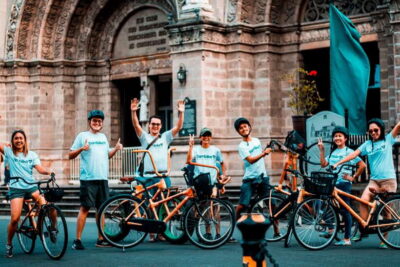
Intramuros, Manila: Historical Bamboo Bike Tour
Read our review →
Experience Intramuros with Bamboo Bicycle – Ecotours
Read our review →
Intramuros, Chinatown, and Old Manila Half-Day Tour
Read our review →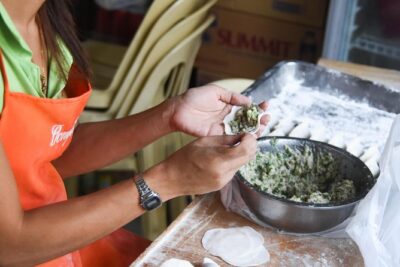
Manila Food Tour: Explore World’s Oldest Chinatown
Read our review →
Explore Intramuros: Introduction to Philippine History
Read our review →Browse the lists this tour appears in