
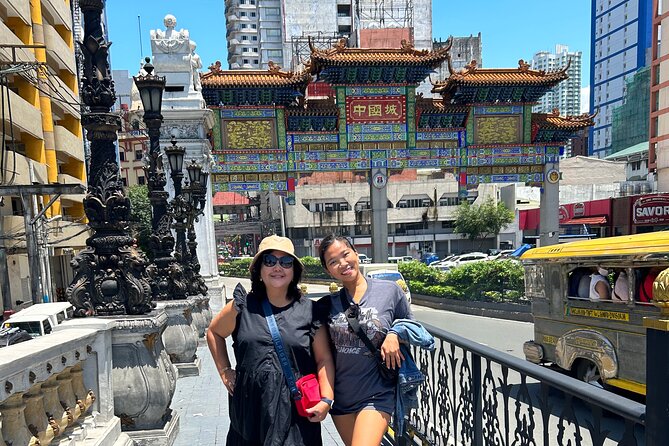
Reviewed · INTRAMUROS HERITAGE WALKS
Manila: Binondo Walking Tour ( Oldest Chinatown )
Binondo is best understood on foot, one food stop and old street corner at a time. This two-hour tour brings you through Manila’s Chinese-Filipino heart, with street-food tastings, historic buildings, market stalls, and local transport folded into a compact outing.
I like two things here: guide Mari’s warm, energetic approach, and the way she helps you choose what to eat rather than simply pointing at a menu. I also like the small maximum of 10 people, which makes a crowded district easier to manage. The main catch is clear: food is not included, so the $55 price does not cover the dishes you sample.
Key points to know before you book
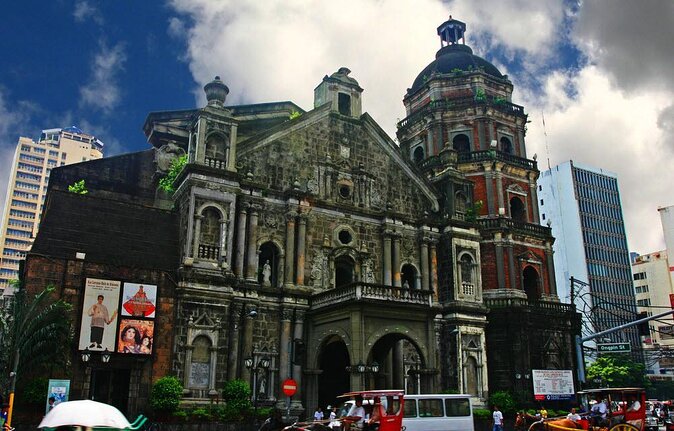
- Binondo is the whole stage: The tour focuses on Manila’s oldest Chinatown, its streets, shops, landmarks, and Chinese-Filipino traditions.
- Mari gets strong praise: She is described as lively, flexible, helpful with children and dietary needs, and good at finding places with shorter lines.
- You pay for food separately: This lets you choose what you want, but your final cost will be higher than the advertised tour price.
- A small group keeps it personal: The maximum is 10 people, and some departures may feel almost private.
- Local transport is part of the fun: The experience includes a ride in what is described as a Lamborghini tricycle.
- Plan for a walking-and-eating visit: Wear comfortable shoes, arrive hungry, and keep room in your budget for snacks and brunch-style food.
Why Binondo makes a good first stop in Manila
Binondo is not a polished museum district. It is a working part of Manila, where Chinese and Filipino customs meet in food shops, markets, religious sites, older buildings, and narrow lanes. That mix gives the walk its appeal. You are not simply looking at a landmark, then moving on. You are seeing how a neighborhood functions.
The tour begins at 1919 Grand Cafe on Juan Luna Street. From there, you can expect a guided walk through the Chinatown area, with attention to the district’s Chinese-Filipino culture and the way its cooking developed over time. The focus is not only on famous sights. It is also on the small details that are easy to miss when you explore alone.
I like this format for a first visit because Binondo can feel confusing at street level. A local guide can explain what you are seeing, help you decide which food stalls are worth your time, and keep the route moving during a short two-hour visit. That matters in a district where the best experience often comes from trying several small bites instead of sitting down for one long meal.
More history on foot in Luzon:
- Manila Old and New: Sightseeing Tour Including Intramuros and Fort Santiago
★ 4.5 · 377 reviews - Manila’s Walled City: Intramuros Walking Tour
★ 5.0 · 82 reviews - Express Bamboo Bike Tour inside Intramuros
★ 4.5 · 66 reviews
A walking route built around food and old streets
The itinerary lists Chinatown as the main stop, and the visit is designed as one connected walk rather than a string of separate attractions. You will move through alleys, historical streets, shops, and a Filipino market offering produce, souvenirs, and local goods.
The market portion gives the tour a useful change of pace. Food tours can become a parade of restaurants, but a market shows you the everyday side of the neighborhood. You may find fresh produce, packaged goods, small gifts, and items that are difficult to understand without local context. If you want souvenirs, this is also a practical place to ask what is genuinely local and what is simply made for tourists.
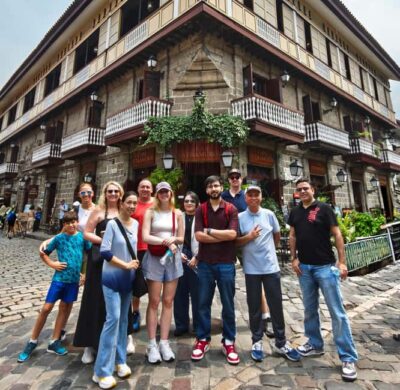
The old buildings add another layer. The information does not promise entry into a long list of specific interiors, so you should think of this as an outdoor history walk. Your guide points out older structures and explains how the area changed as Chinese and Filipino communities shaped one another’s customs and cuisine.
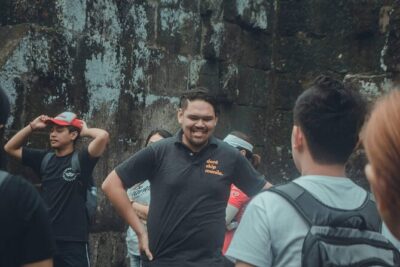
This is where Mari’s role matters most. A good guide turns a street into a story. She has been praised for giving useful background without burying the walk in lectures, and for showing places you might pass without noticing. You can also ask for photos, and she has taken pictures for people and sent them through WhatsApp.
What you may eat, and what you will pay
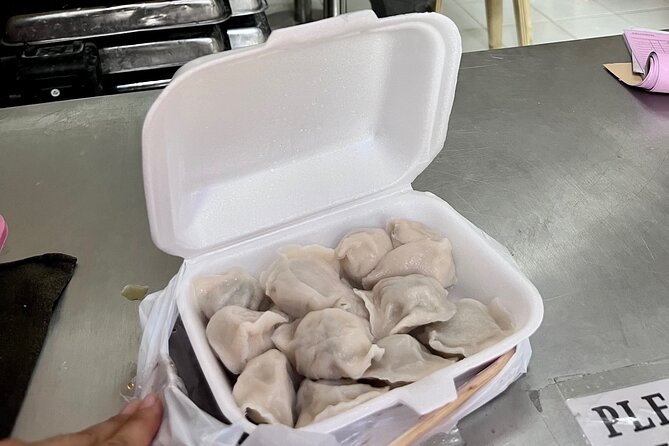
The food is the main reason to choose this tour over a standard Chinatown stroll. You are invited to sample Chinese street food and see how Chinese flavors have been adapted within Filipino life. The exact dishes are not fixed in the information provided, so do not book this expecting a guaranteed menu.
That flexibility can work in your favor. You can choose what looks appealing, ask for help with unfamiliar items, and adjust around dietary needs. Mari has been praised for handling different food requirements and for helping people find good-value choices. She has also helped visitors select produce, including dragon fruit, and negotiate the best price.
But the cost structure needs careful attention. The tour costs $55 per person, and the food, snacks, and brunch are not included. You pay for each item separately. For a short food walk, that can feel expensive if you expected the advertised price to cover several tastings.
The upside is control. You do not pay for dishes you cannot eat or do not want. The downside is that your final bill depends on your appetite and choices. If you want to sample widely, bring extra Philippine pesos or another suitable way to pay, though the supplied details do not specify accepted payment methods. I would set a food budget before starting and tell the guide how much you want to spend.
Mari’s guiding style is a big part of the value
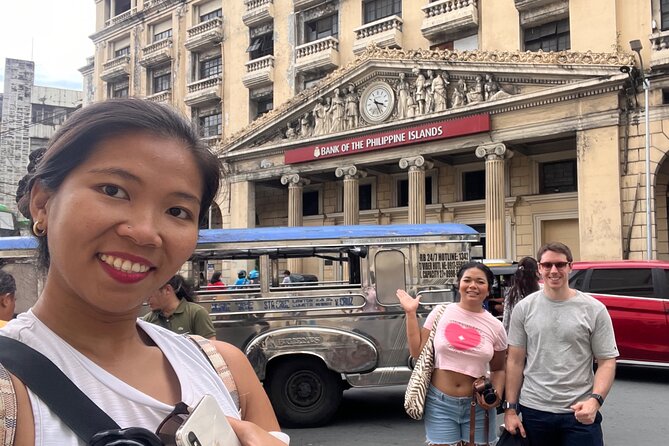
The guide can make or break a short walking tour, and Mari receives especially strong praise for her personality and care. She is described as fun, energetic, attentive, and well informed about the area. Those qualities matter in Binondo because two hours passes quickly.
Her practical help appears to be just as useful as her historical knowledge. She can point you toward good food stops, help you skip long lines, recommend items, and adjust the outing to your interests. Families may appreciate her patient approach. One account specifically notes that she was attentive to a four-year-old child.
She also seems comfortable with different kinds of visitors. If you are uncertain about food, she can help you choose. If you have dietary needs, it is worth telling her at the start so she can guide your choices. If you want photos, ask her. The personal attention described in the tour details is a real part of what you are paying for.
The name of the guide is not guaranteed in every booking, so check the current reservation details. The supplied information identifies Mari repeatedly, but a tour provider can sometimes assign another local guide.
A few more things to do in Luzon worth a look
- Manila Intramuros Walking tour with Local Tour Guide
★ 5.0 · 33 reviews - Intramuros & Chinatown Manila Tour – Walking, Food & Culture
★ 4.5 · 32 reviews - Manila: Street Food and Drinks Walking Tour with Tastings
★ 4.8 · 114 reviews - Viva Old Manila: Intramuros Walking Tour
★ 4.9 · 104 reviews
The tricycle ride adds local texture
Local transportation is included, described as a ride in a Lamborghini tricycle. The name sounds playful, and the point is less luxury than local character. You get a short taste of how people move around the district instead of spending the entire tour on foot.
Because the tour lasts about two hours, the ride also helps break up the walking. The information does not state how long the transport portion lasts or exactly where it fits into the route, so treat it as one element of the outing, not a major sightseeing transfer.
This is a small feature, but I like it. A short ride can make the tour feel connected to daily Manila rather than like a packaged food crawl. Just remember that the experience remains primarily a walking tour. Comfortable shoes will serve you better than fashionable ones.
Group size, pace, and who will enjoy it
The maximum group size is 10 people. That is a sensible limit for narrow streets and food stops, especially when everyone needs to hear the guide and make choices at busy counters. A group of this size also gives you a chance to ask questions without holding up a large crowd.
Some bookings may be smaller, and one account describes a private outing for the booked party. You should not assume every departure will be private, but the small cap improves the odds of a more personal experience.
The tour suits you best if you:
- Like trying several small foods instead of ordering one full meal
- Want local background with your sightseeing
- Enjoy markets, old streets, and everyday neighborhood life
- Prefer a guide who can help with food choices and photos
- Are comfortable paying extra for what you eat
- Have only a short window for Binondo
It may be less suitable if you want a fully prepaid food tour, a long historical lecture, or a carefully timed visit to many named monuments. The listed experience is broad and local in character. Its strength is the overall feel of Chinatown, not a checklist of major attractions.
Practical details for a smooth visit
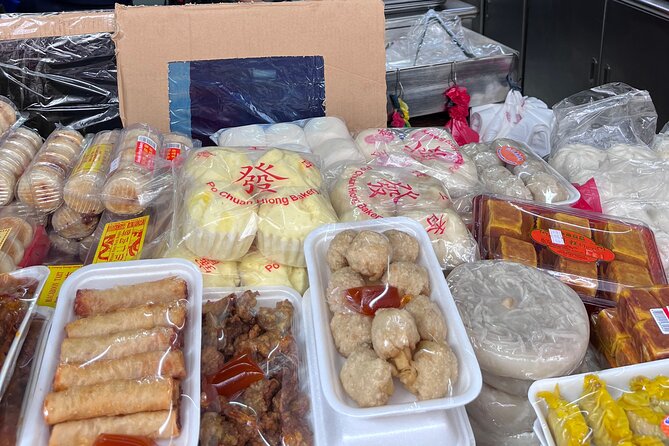
The meeting point is 1919 Grand Cafe at 117 Juan Luna Street in Binondo, Manila. The tour ends back at the same meeting point, which makes it easier to continue your day from a known location.
The duration is approximately two hours. That is enough time for a brisk introduction to the district, several food opportunities, market browsing, and the local transport element. It is not enough time to linger over every stall or explore all of Binondo at a slow pace.
The tour is near public transportation, and most people can participate. The provider supplies bottled water. Food, snacks, and gratuity are separate, so budget for all three if you intend to eat and tip your guide.
Confirmation is received at booking. If your schedule changes, free cancellation is available up to 24 hours before the start time for a full refund. Cancellations or changes made inside that window are not accepted for a refund. The activity also requires a minimum number of people, so a cancellation by the provider may result in another date, another experience, or a full refund.
How the $55 price works for you
At $55 per person, this is not the cheapest way to walk through Binondo. You are paying for a local guide, a planned route, bottled water, and the convenience of having someone explain the food and neighborhood as you go. You are also paying for the chance to ask questions and adapt the outing to your tastes.
The price feels easier to justify if you value personal guidance. Mari’s help with food choices, shorter lines, dietary requests, family needs, prices, and photos adds service that you would not get from a self-guided stroll.
The value is harder to defend if you mainly want to eat. Since every food item costs extra, the advertised fee is only the starting point. A self-guided visit will cost less, but you may spend more time searching, misunderstand what you are ordering, or miss the background that gives the neighborhood meaning.
My advice is simple: book it for the guide and the local context, not as a bargain meal deal. If you want a food-inclusive package, this is not that product. If you want a compact introduction with a friendly local host, the cost may be reasonable.
Should you book the Binondo walking tour?
I would book this experience if you have two hours, enjoy trying unfamiliar food, and want help making sense of Manila’s oldest Chinatown. Mari’s personal style appears to be the strongest reason to choose it, especially for families, first-time visitors, and anyone who wants photos and food advice along the way.
I would skip it if paying separately for every tasting will annoy you. In that case, a self-guided walk gives you more control over spending. But if you see the $55 as the fee for access to a local guide, a flexible route, and a lively introduction to Chinese-Filipino Manila, this tour makes a solid start to your Binondo visit.
The 4.8 rating from 30 reviews and 93 percent recommendation point to a consistently well-received experience, but the value concern is real. Go hungry, bring a food budget, wear good walking shoes, and confirm who your guide will be. Those four steps should help you get the most from the outing.
FAQ
How long does the Binondo walking tour last?
The tour lasts approximately two hours.
Where does the tour start and finish?
It starts at 1919 Grand Cafe, 117 Juan Luna Street, Binondo, Manila. The activity ends back at the same meeting point.
Is food included in the $55 tour price?
No. Chinese street food, brunch, and snacks are not included. You pay separately for the food you choose.
How many people can join the tour?
The activity has a maximum of 10 participants.
Is local transportation included?
Yes. The tour includes local transportation, described as a Lamborghini tricycle.
Can I cancel for a full refund?
Yes, if you cancel at least 24 hours before the experience start time. Cancellations or changes made less than 24 hours in advance are not accepted for a refund.
Just added in Luzon
- Skip the Line: Villa Escudero Plantation & Resort Day Pass Ticket★ 4.5 · 11 reviews
- Private Filipino cooking class in a local Manila Home★ 5.0 · 28 reviews
- Home Cooked Meal with a Filipino Grandma★ 5.0 · 24 reviews
- Small-Group Weekend Hiking Tour to Banaue-Ifugao from Manila★ 5.0 · 30 reviews
- Manila Hidden Gems with local guide★ 5.0 · 27 reviews
- Manila Intramuros Walking tour with Local Tour Guide★ 5.0 · 33 reviews
- Pagsanjan Falls Adventure from Manila★ 4.0 · 37 reviews
- Makati: Music Clubs, Rooftops, and Go Go Bars Nightlife Tour★ 5.0 · 34 reviews
Intramuros Heritage Walks, compared.
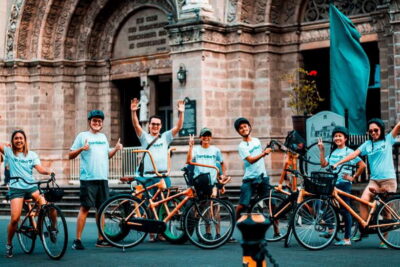
Intramuros, Manila: Historical Bamboo Bike Tour
Read our review →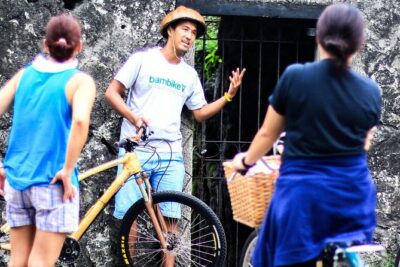
Experience Intramuros with Bamboo Bicycle – Ecotours
Read our review →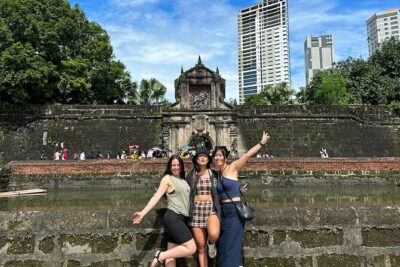
Intramuros, Chinatown, and Old Manila Half-Day Tour
Read our review →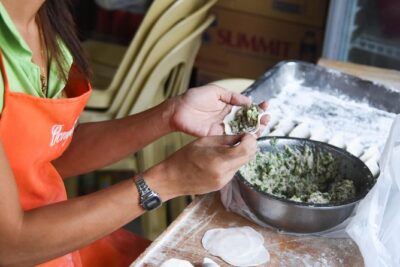
Manila Food Tour: Explore World’s Oldest Chinatown
Read our review →
Explore Intramuros: Introduction to Philippine History
Read our review →Browse the lists this tour appears in