
Reviewed · INTRAMUROS HERITAGE WALKS
Intramuros & Chinatown Manila Tour – Walking, Food & Culture
Manila makes the most sense when you move through its layers. This five-hour tour links Quiapo Market, Binondo, and Intramuros, taking you from crowded food stalls and Chinese Filipino streets to the stone walls of the old city. Along the way, you may use several forms of transport, including a ferry, jeepney, tricycle, or bicycle.
I like two things right away: the tour connects food with history instead of treating them as separate subjects, and it ends inside Intramuros, where the city’s Spanish colonial past and wartime scars are easy to see. Guides such as Mike, Fred, George, Erick, Carmen, Eric, and Jen have also made the experience personal with clear stories and practical Manila tips.
The main caution is the food tasting. Shared dishes are part of the format, and one guest found the food less impressive than the tour itself. You should also expect a warm, active morning with plenty of walking, uneven city streets, and changing transport.
Key points to know before booking
- Three very different Manila districts: Quiapo, Binondo, and Intramuros each reveal a separate side of the city.
- Food is part of the education: Tastings introduce Filipino flavors and the Chinese influence on Manila’s cooking.
- Transport adds local texture: Depending on the day, you may ride a ferry, jeepney, tricycle, bus, or bicycle.
- Intramuros includes bike exploration: The old fortified city is not only a walking stop.
- A small group helps: The maximum group size is 18 people, which gives the guide room to explain details and manage city crossings.
- The price covers quite a bit: At $62 per person, food tastings, transport between sites, entrance fees, guiding, and bike rental are included.
Why this tour works as a first look at Manila
Manila can feel confusing at first. It is not one tidy historic center with a simple path from one sight to the next. It is a huge metropolis where old churches, Chinese businesses, Muslim communities, markets, modern commerce, and damaged colonial buildings share the same streets.
That is why I like the shape of this tour. Instead of keeping you in one polished district, it shows how Manila grew through contact with different cultures. You begin at Quinta Market in Quiapo, continue through Binondo, and finish in Intramuros. The route gives you a useful sense of how the city works before you start exploring on your own.
The tour begins at 9:00 a.m. at Quinta Market on Carlos Palanca in Quiapo and lasts about five hours. It ends at Casa Manila in the Plaza San Luis complex on General Luna Street in Intramuros. Since the start and finish are in different parts of the city, the tour also helps you cover ground without arranging every ride yourself.
You need moderate physical fitness. This is not a seated sightseeing trip. You will walk through crowded areas, taste food, manage city transport, and spend time outdoors. Bottled water, soft drinks, coffee, tea, and alcohol are not included, so bring water or plan to buy it along the way.
More history on foot in Luzon:
- Manila Old and New: Sightseeing Tour Including Intramuros and Fort Santiago
★ 4.5 · 377 reviews - Manila’s Walled City: Intramuros Walking Tour
★ 5.0 · 82 reviews - Express Bamboo Bike Tour inside Intramuros
★ 4.5 · 66 reviews
Quiapo Market: Manila in close-up
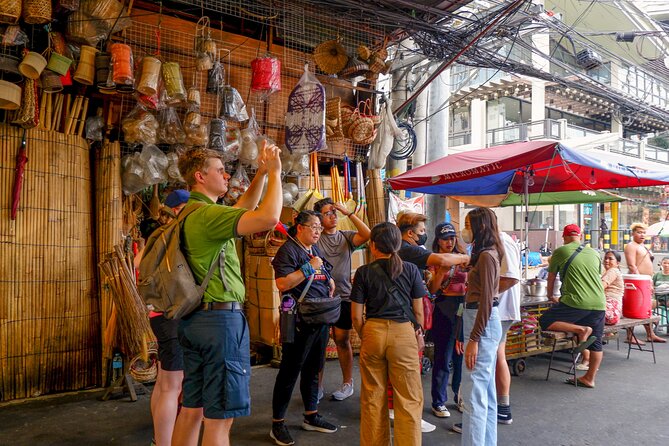
The first hour takes place around Quiapo Market, a useful introduction to Manila’s contrasts. The description of this stop points to old and new, East and West, common and scarce. That is not just a slogan. Quiapo is the kind of place where you can see daily commerce, religious life, street food, and local shopping pressed into a small area.
The market is also where the food side of the tour begins. You may taste dishes that are unfamiliar, and the guide can explain what you are eating and how it fits into Filipino life. That context matters. A snack is more useful when you know why people eat it, where its ingredients come from, and how it differs from food served in a restaurant.
I would keep an open mind here. The food is intended as a sampling of local life, not a carefully designed restaurant meal. One piece of feedback praised the tour but found much of the food only average, while the fruit made a stronger impression. That is a fair expectation to carry into the morning. Come for variety and context rather than a gourmet tasting menu.
Quiapo also sets the tone for the rest of the experience. Manila is not presented as a museum city. You see working streets and ordinary commerce, then connect those details to the larger story of the Philippines.
Binondo: Chinese Filipino food and city connections
The next portion, about two hours, takes you into Binondo, Manila’s Chinatown. This is the longest stop, and for good reason. Binondo brings together Chinese, Filipino, Catholic, and Muslim communities in a compact urban area. The food here reflects that contact.
You will walk through Chinatown while tasting Filipino dishes. Sharing food is part of the format, which allows the group to try a wider range of items. If you prefer to eat only your own individual serving, this may require some adjustment. The shared approach is common in the Philippines and across East Asia, but it is worth knowing before you book.
The food is valuable because it shows Manila as a meeting point. Filipino cuisine did not develop in isolation, and Binondo makes that clear through ingredients, cooking methods, and the mix of businesses along the route. Your guide can help you notice those links rather than simply handing you a plate and moving on.
The transport may also become part of this section or the connections between stops. Several people especially enjoyed using local modes such as the ferry, jeepney, tricycle, bus, and bicycle. The exact combination is not guaranteed in the tour details, so treat these as possible elements rather than promises. Still, the variety adds much more character than riding in a private vehicle from sight to sight.
I like this because transport becomes part of the lesson. A jeepney or tricycle is not only a way to get somewhere. It shows how Manila moves, and it puts you closer to the city’s everyday rhythm. The tradeoff is that public transport can be less predictable and less comfortable than a private van.
Intramuros: stone walls, colonial rule, and wartime loss
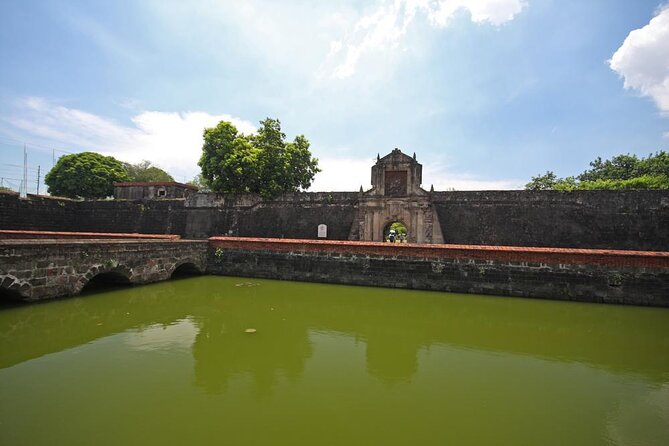
The final two hours take place in Intramuros, Manila’s old fortified city. This is the part of the tour most likely to appeal to history-minded visitors. The area traces Philippine history from the ninth century through 1946, with special attention to the long period of foreign occupation.
Intramuros gives the day a strong sense of place. Its streets and walls make Manila’s colonial past visible in a way that a lecture cannot. You are not just hearing about power, trade, religion, and administration. You are moving through the district built to hold those forces together.
World War Two left heavy damage here, and that loss is part of what you see. The remaining beauty is not untouched or artificial. It exists beside evidence of destruction and rebuilding. That contrast gives the stop emotional weight without turning the tour into a simple parade of old buildings.
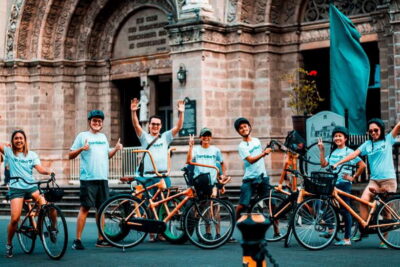
Bike rental is included, so this section may be explored on two wheels. I see that as a real advantage. Intramuros is easier to cover by bike than on foot alone, and cycling can make the old city feel more open and connected. You should still be comfortable moving around streets and handling a moderate amount of physical activity.
The tour ends at Casa Manila in the Plaza San Luis complex. Ending in Intramuros is practical if you want to continue exploring the old city, visit another attraction nearby, or arrange your next ride from there. The tour does not return you to the original meeting point, so plan your day with that in mind.
A few more things to do in Luzon worth a look
- Makati Street Food Experience end with a Rooftop Bar
★ 5.0 · 33 reviews - Boracay Sunset Cruise with Party DJ & Unlimited Food and Drinks
★ 5.0 · 211 reviews - Manila Food Tour: Explore World’s Oldest Chinatown
★ 5.0 · 158 reviews - Manila: Street Food and Drinks Walking Tour with Tastings
★ 4.8 · 114 reviews
The guides shape the experience
The guide is especially important on a tour like this. Markets and historic streets do not explain themselves, and the difference between a hurried walk and a meaningful introduction often comes down to the person leading it.
Mike is praised for explaining the history around Intramuros and pointing out memorable places. Fred is described as fun and well informed, with suggestions for what to do after the tour, including a heritage dinner and show and drinks at the Bayleaf Hotel penthouse bar. George and his coworkers are noted for bringing Philippine history, culture, food, and the country’s centuries of occupation into one personal experience.
Erick and Carmen added unusual transport experiences to one outing, including a river ferry, tricycle, and jeepney. Eric helped explain food, fruit, and Filipino culture while moving the group around the city. Jen combined the bike ride in the old town with stories about Manila’s past.
Guide assignments can change, so you should not book with the assumption that one named person will lead your date. The useful point is that the tour depends on local explanation, and several guides have shown an ability to add detail beyond the basic route.
What $62 includes, and what it does not
At $62 per person, this is not the cheapest way to walk through Manila, but it covers several costs that can quickly add up. You receive food tastings, transport to the sites, entrance fees, a guide, and bike rental. That makes the price more reasonable than a simple walking tour, especially if the day includes several paid rides and the bike portion.
The value is strongest if you want structure. You do not have to work out how to connect Quiapo, Binondo, and Intramuros, and you have someone explaining what you are seeing. The tour also saves planning time, which matters during a short stay in Manila.
The value is less certain if your main goal is a large meal or a polished culinary experience. The included food is tasting-sized and shared. One person found the food only moderately satisfying, even while rating the guiding and transport highly. I would think of the tastings as a cultural sample, then budget for a separate meal later.
Group discounts are available, and the maximum group size is 18 people. That is small enough for a more personal explanation than you would get on a large coach tour, though it is still a group experience rather than a private outing.
Who should book this Manila tour?
This tour suits first-time visitors who want an organized introduction to several sides of Manila in one morning. It is also a good fit if you enjoy local food but want historical context, or if you would like to try city transport without planning every connection yourself.
It works well for people who prefer active sightseeing. You will walk, cycle, eat small portions, and move through public spaces. Families with older children may enjoy the variety, especially the bike ride and transport, though each person should be comfortable with a moderate level of activity.
History fans will appreciate the final stop in Intramuros, while food-focused visitors may prefer the longer Binondo section. The tour is less suitable if you want a quiet, air-conditioned outing, a private guide, or a formal restaurant meal.
I would also choose it if I had only a short time in Manila and wanted orientation before exploring further. The route introduces enough districts and transport options to help you decide where to return later.
Practical details for a smoother morning
Meet at 9:00 a.m. at Quinta Market, Carlos Palanca, Quiapo, Manila. The tour ends at Casa Manila in the Plaza San Luis complex, General Luna Street, Intramuros, so do not assume you will finish where you started.
Wear comfortable shoes and expect a warm, active outing. Bring water, since bottled water is not included. You can use mobile tickets, and confirmation is sent when you book.
The activity operates with a minimum number of participants. If that minimum is not reached, the provider offers another date or experience, or a full refund. Poor weather can also lead to a rescheduled date or full refund. You can cancel for a full refund up to 24 hours before the start time, but changes or cancellations inside that window are not accepted.
Should you book it?
Book this tour if you want Manila explained through markets, shared food, local transport, and Intramuros history rather than through a single sightseeing stop. The strongest part is the combination: Quiapo gives you daily city life, Binondo shows cultural exchange through food, and Intramuros gives the day historical shape.
Keep your expectations realistic about the tastings. The guiding and route appear to be the main strengths, while the food itself may vary from one person to another. At $62, the tour offers solid value for a structured half-day, especially when you use the included transport, entrance fees, and bike rental.
If you want a friendly, active introduction to Manila and do not mind sharing food or navigating a busy city, I would book it. If you are seeking a quiet private tour or a high-end culinary experience, choose something more focused.
FAQ
How long does the tour last?
The tour lasts approximately five hours.
What time does the tour start?
It starts at 9:00 a.m.
Where does the tour begin?
The meeting point is Quinta Market on Carlos Palanca in Quiapo, Manila.
Where does the tour end?
The tour ends at Casa Manila in the Plaza San Luis complex on General Luna Street in Intramuros.
Which places are visited?
The tour visits Quiapo Market, Binondo Chinatown, and Intramuros.
Is food included?
Yes. Snacks and food tastings are included.
Is transportation included?
Yes. Transportation to the sites is included. Some outings have included transport such as a ferry, jeepney, tricycle, bus, or bicycle, but the exact combination may vary.
Is bike rental included?
Yes. Bike rental is included, along with entrance fees and a tour guide.
What is the cancellation policy?
You can cancel at least 24 hours before the start time for a full refund. Cancellations or changes made less than 24 hours before the start time are not accepted for a refund.
More Walking Tours in Luzon
- Manila Intramuros Walking tour with Local Tour Guide
★ 5.0 · 33 reviews - Manila: Binondo Walking Tour ( Oldest Chinatown )
★ 5.0 · 30 reviews - Viva Old Manila: Intramuros Walking Tour
★ 4.9 · 104 reviews - The Original Cebu City Historical and Food Walking Tour
★ 4.5 · 81 reviews
Just added in Luzon
- Skip the Line: Villa Escudero Plantation & Resort Day Pass Ticket★ 4.5 · 11 reviews
- Private Filipino cooking class in a local Manila Home★ 5.0 · 28 reviews
- Small-Group Weekend Hiking Tour to Banaue-Ifugao from Manila★ 5.0 · 30 reviews
- Home Cooked Meal with a Filipino Grandma★ 5.0 · 24 reviews
- Manila: Binondo Walking Tour ( Oldest Chinatown )★ 5.0 · 30 reviews
- Manila Hidden Gems with local guide★ 5.0 · 27 reviews
- Intramuros Sunset Tours by Bambike★ 5.0 · 33 reviews
- Makati Street Food Experience end with a Rooftop Bar★ 5.0 · 33 reviews
Intramuros Heritage Walks, compared.
Intramuros, Manila: Historical Bamboo Bike Tour
Read our review →
Experience Intramuros with Bamboo Bicycle – Ecotours
Read our review →
Intramuros, Chinatown, and Old Manila Half-Day Tour
Read our review →
Manila Food Tour: Explore World’s Oldest Chinatown
Read our review →
Explore Intramuros: Introduction to Philippine History
Read our review →Browse the lists this tour appears in