
Reviewed · FILIPINO FOOD & STREET FOOD TOURS
Cebu City: Historical Street and Food Tour
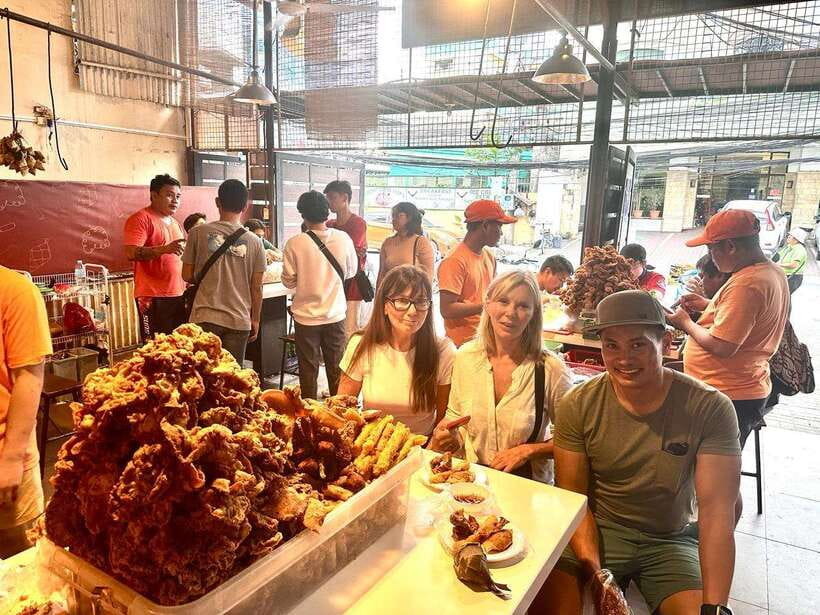
Cebu’s past comes at you quickly on this tour: a Chinese-Spanish ancestral house, a church dating to 1565, a coal depot turned market, and the cross linked to Magellan’s 1521 arrival. You also get to taste Filipino street food, including balut, the boiled salted duck egg that makes this more than a sightseeing walk.
I like the way the tour connects food with history, rather than treating them as separate subjects. I also like the small-group format, which gives you room to ask questions and can make a solo visitor feel well looked after. Guides such as Philip, Philipe, Nacien, Kyle, and others are praised for their English, energy, and care.
The main drawback is value. At $90 per person for three hours, this is expensive by Cebu standards, especially if you are comfortable exploring on your own. The food is part of the experience, but it may not satisfy anyone expecting a full meal.
Key points to know before you book
- Balut is part of the experience: You can try the famous boiled duck egg with salt, along with other local snacks and drinks.
- Cebu’s key historic sites fit into three hours: The route includes the Heritage of Cebu Monument, Yap Sandiego Ancestral House, Basilica Minore del Sto. Niño, Magellan’s Cross, and Cebu Metropolitan Cathedral.
- The Yap Sandiego house dates to 1680: Its coral-stone construction and Chinese-Spanish design give you a close look at old Cebu.
- The group is limited to 10 people: That matters when you want to ask about food, religion, colonial rule, or daily life.
- You walk through working city areas: Cebu Farmers Market and Carbon Market are active places, not polished museum settings.
- Rain does not cancel the outing: Wear comfortable clothes and shoes, and bring cash for the food and small purchases.
Why this three-hour Cebu walk works
Cebu City is the oldest city in the Philippines and the first Spanish settlement and capital in the country. Those claims can feel abstract on a map, but this route gives them physical form.
You move from market stalls to Spanish-era religious sites, then into old residential architecture and streets shaped by trade. The result is a compact introduction to Cebu, with enough food and local detail to keep the history from feeling like a lecture.
The guide is the key part of the experience. The route itself can be followed without much trouble, but a good guide helps explain why the churches matter, how the markets function, and what you are eating. The strongest guide reports describe Philip, Philipe, and Nacien as attentive, friendly, and easy to talk with. Kyle is also praised for bringing energy to the walk.
The group limit of 10 is useful here. You are not trying to hear a guide across a large crowd, and the tour can feel personal when the group is small. One participant had so much individual attention that it was easy to ask repeated questions about both food and history.
More places to eat your way through Cebu:
- Manila Food Tour: Explore World’s Oldest Chinatown
★ 5.0 · 158 reviews - Manila: Street Food and Drinks Walking Tour with Tastings
★ 4.8 · 114 reviews - Manila: Guided Food Tour of Binondo with Tastings
★ 4.8 · 38 reviews
Starting at Cebu Farmers Market
The tour begins at Cebu Farmers Market, where your guide introduces you to local ingredients and food customs. This is a smart place to start because it puts everyday Cebu before the grand churches and monuments.
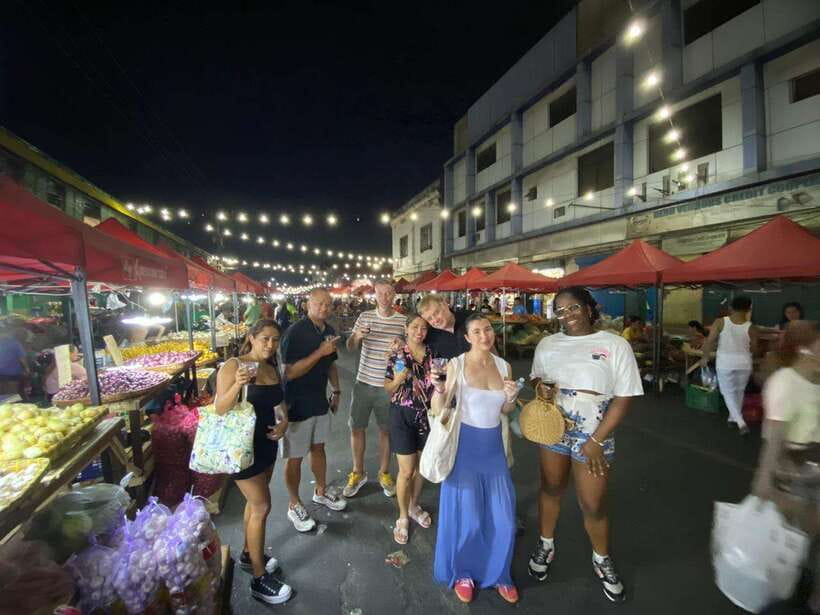
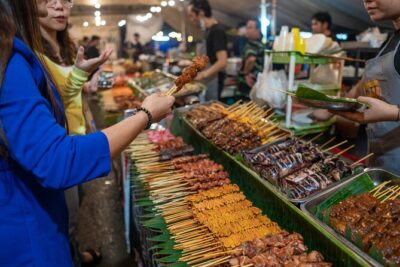
You will see the food in its normal setting, rather than only meeting it on a restaurant plate. Your guide can explain what you are tasting and how locals approach the snacks. The exact food selection may vary, but balut is a central part of the experience, along with other Filipino street food and drinks.
Balut is a boiled duck egg containing a partly developed embryo. It is usually eaten with salt and is one of the Philippines’ best-known foods for curious visitors. You do not need to pretend it is ordinary if it is not ordinary to you. The point is to try it with an open mind, ask questions, and decide for yourself.
Bring cash. That is useful for food, drinks, or small purchases along the route, and the tour specifically advises it. Comfortable shoes matter too. You are walking through markets and city streets, not spending three hours inside air-conditioned buildings.
The Heritage of Cebu Monument
The Heritage of Cebu Monument uses metal sculptures to tell the city’s story. It is a useful early stop because it compresses major moments into one visual scene.
This kind of monument is best understood with a guide. Without context, you may see a crowded group of figures and symbols. With an explanation, you can connect Cebu’s precolonial past, Spanish arrival, Catholic influence, and later urban development.
The stop also gives you a change from food sampling and market activity. You begin to see that Cebu’s story is not only about Ferdinand Magellan and Spanish rule. It also includes Chinese influence, local communities, commerce, religion, and the long life of the city before and after colonial control.
Entering the 1680 Yap Sandiego Ancestral House
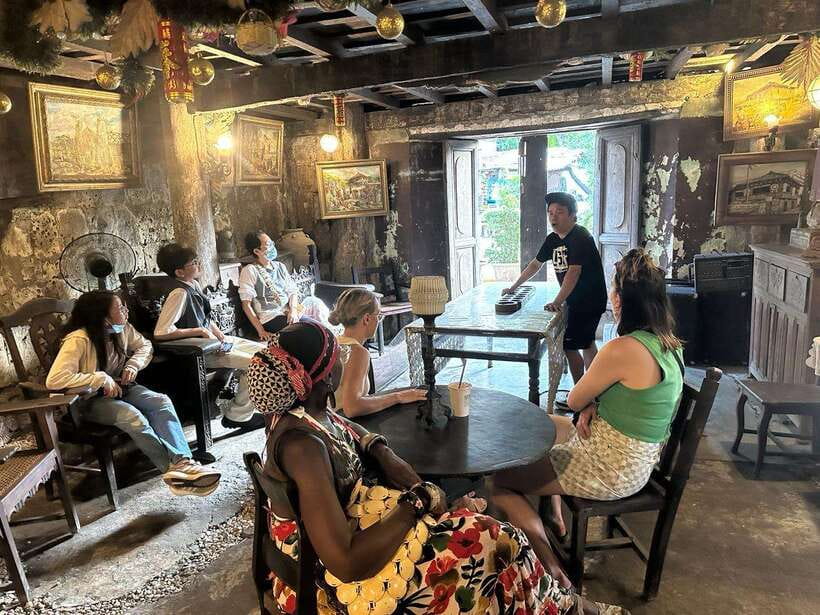
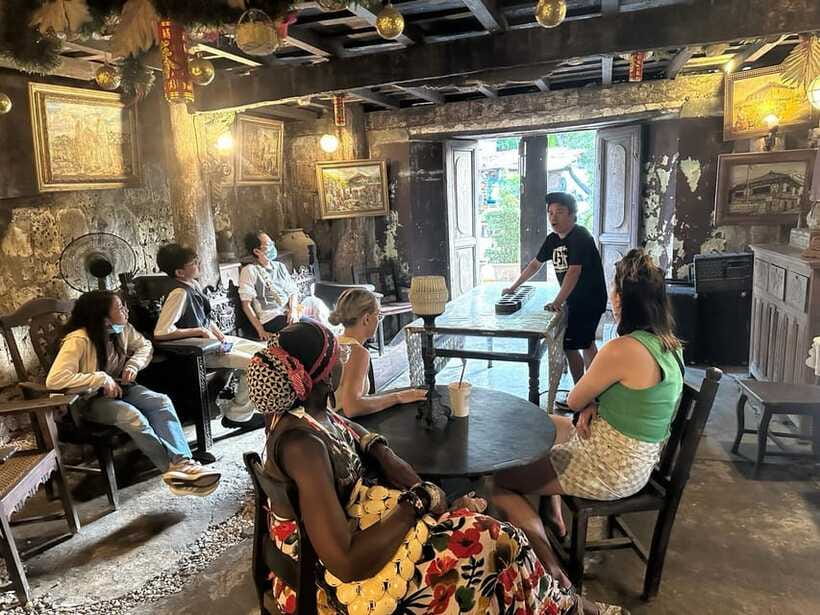
The Yap Sandiego Ancestral House is one of the tour’s most distinctive stops. Built from coral stone in 1680, it shows the Chinese and Spanish influences that shaped old Cebu homes.
This is not just another old building to photograph. The house helps you picture the city as a trading center where different cultures met and families built lives across generations. Its age is impressive, but the combination of materials and design is what makes the visit useful.
I especially like this stop for visitors who want architecture, not only church history. The house gives the tour a domestic scale. Instead of standing in front of a large religious building, you get a sense of how an old Cebu household may have been organized and presented.
Allow yourself time to look closely. Coral-stone construction, old details, and Chinese-Spanish design are easy to miss if you rush in, take a photo, and leave. The guide’s explanation adds much of the value, so stay close enough to hear.
A few more things to do in Cebu worth a look
- The Original Cebu City Historical and Food Walking Tour
★ 4.5 · 81 reviews - Boracay Sunset Cruise with Party DJ & Unlimited Food and Drinks
★ 5.0 · 211 reviews - Manila: Sightseeing and Food Walking Tour with Tastings
★ 4.7 · 68 reviews - Manila’s Culinary Expedition: The Ultimate Food and Market Tour
★ 5.0 · 42 reviews
Basilica Minore del Sto. Niño and Cebu’s Catholic story
The Basilica Minore del Sto. Niño dates to 1565 and is described as the oldest Roman Catholic church in the Philippines. It is one of the route’s major stops, and its age gives Cebu’s colonial story a clear focal point.
The church is tied to the arrival and spread of Spanish Catholicism in the Philippines. Your guide can help place the basilica within Cebu’s wider story, rather than presenting it as an isolated building.
Religious sites also call for respectful behavior. Wear comfortable but suitable clothing, follow any instructions at the church, and remember that this is an active place of worship, not simply a historic exhibit.
For many people, this will be the most important church on the route. Cebu Metropolitan Cathedral later adds another layer, but the basilica provides the stronger link to the city’s earliest Spanish period.
Carbon Market, a former coal depot
Carbon Market gets its name from the Spanish word for coal. It was once a coal depot, and today it forms part of the city’s busy market life.
This is where the tour feels most connected to present-day Cebu. You are not only looking at monuments from the past. You are moving through a working commercial area, with the sounds, smells, and movement that come with an active market.
That setting can be a plus or a challenge. It gives you a more direct look at ordinary city life, but it may also feel crowded or untidy compared with a planned sightseeing district. Keep your belongings secure, stay with the group, and listen carefully for meeting points.
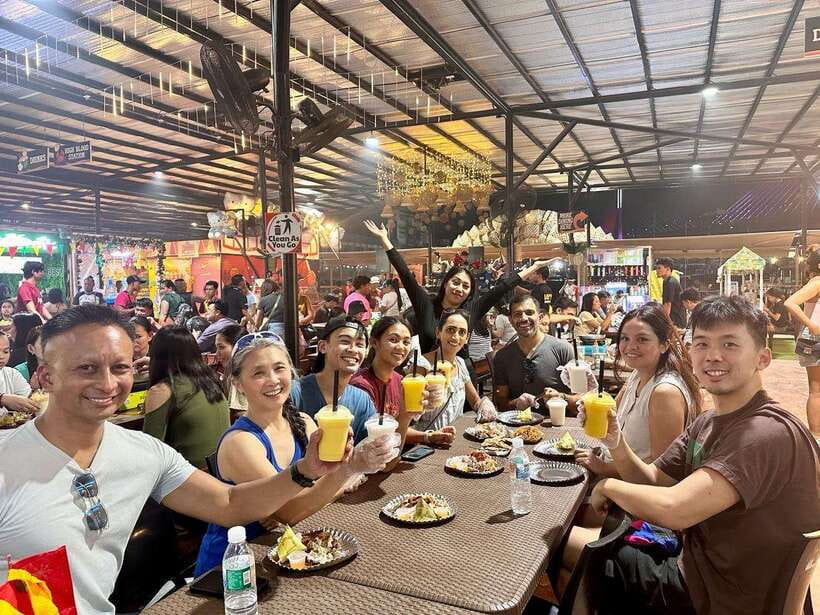
The tour also includes street food during the walk. If you are cautious about unfamiliar food, ask the guide what each item is before trying it. If you enjoy sampling, this is one of the better parts of the route because you can connect what you eat with the market setting around you.
Magellan’s Cross and the 1521 landing story
At Magellan’s Cross, you see the site associated with a Christian cross placed by Spanish explorers led by Ferdinand Magellan in 1521. This is one of Cebu’s most famous historic markers.
The stop carries both religious and colonial meaning. It represents the arrival of Christianity with the Spanish expedition, but it also opens the door to a larger question about how foreign rule changed the Philippines.
A guide is useful here because the site is easy to reduce to a single date and name. Ask about the difference between the symbolic cross and the broader events surrounding the expedition. The tour is short, so you will not get a full course in Philippine history, but you should leave with a clearer understanding of why this location matters.
The site can be busy, so do not expect a quiet moment alone with the monument. Think of it as a central historical marker within a living city.
Cebu Metropolitan Cathedral and wartime damage
The final major church stop is Cebu Metropolitan Cathedral. It was destroyed during the Second World War and rebuilt in the 1950s.
That detail gives the tour another useful lesson: old-looking cities are often made from many periods, not just from the colonial era. A building can carry centuries of religious importance while also showing the effects of war and reconstruction.
The cathedral complements the Basilica Minore del Sto. Niño. One connects more strongly to the earliest Spanish period, while the other helps explain Cebu’s twentieth-century experience. Seeing both prevents the city’s past from becoming a simple story of old churches and explorers.
After the cathedral, the tour ends and you return to your accommodation on your own. Hotel transfer is not included, so plan your onward transport before the walk finishes.
Food, buses, and the pace of the route
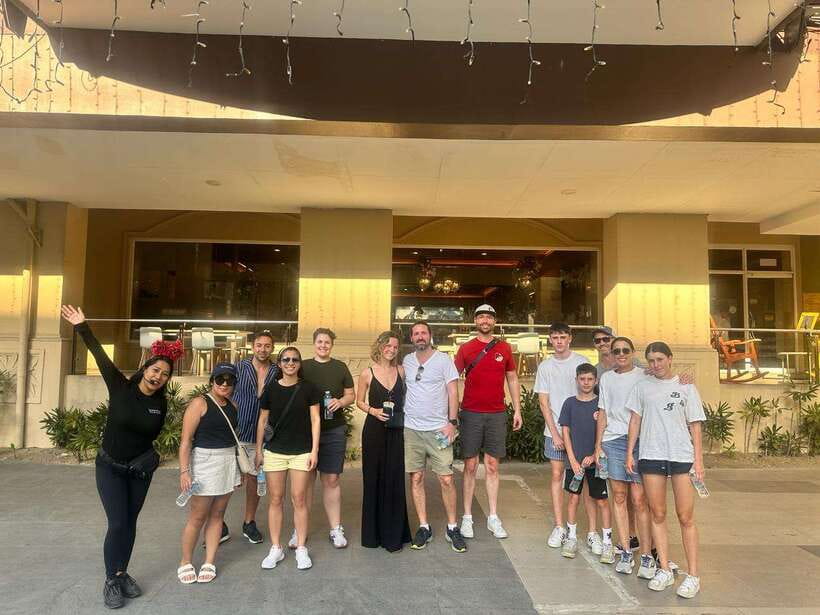
Three hours is enough for a strong introduction, but it is not enough for long visits at every stop. You should expect a brisk walk with short explanations, food tastings, and several historic locations.
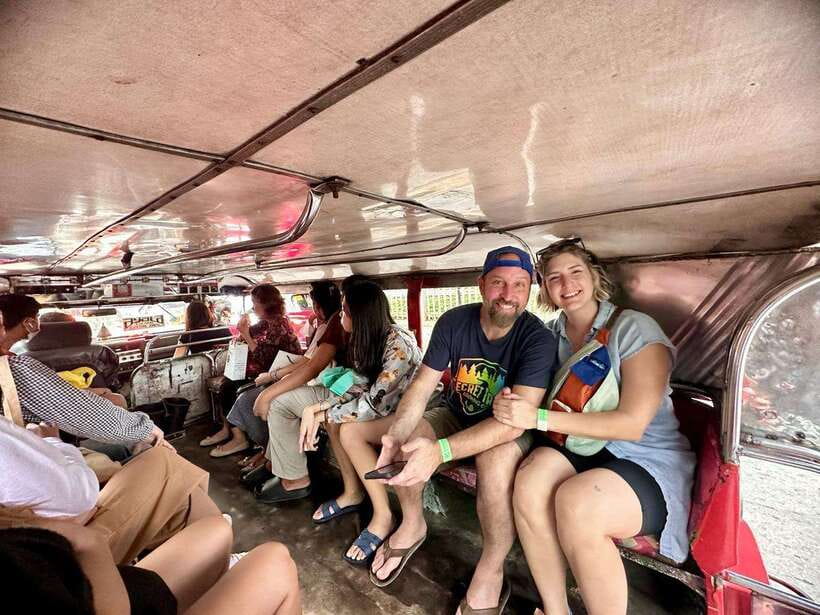
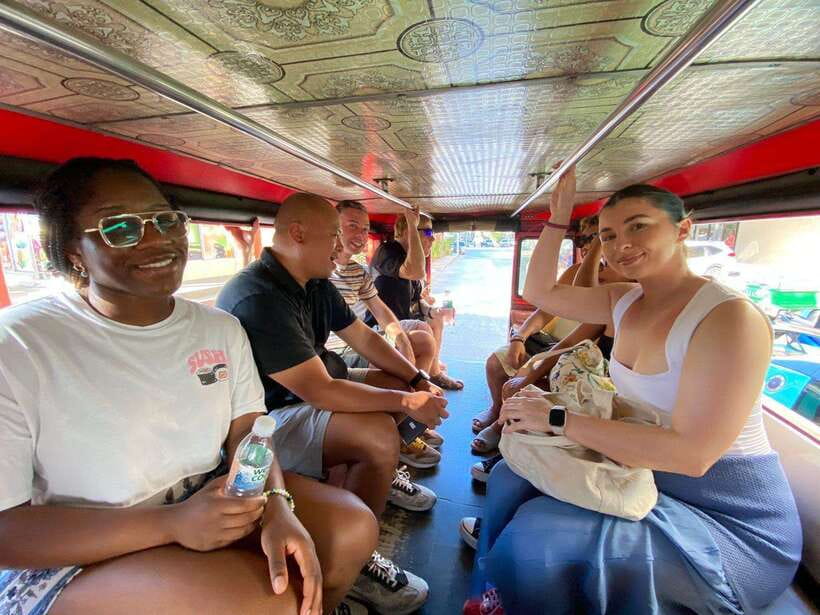
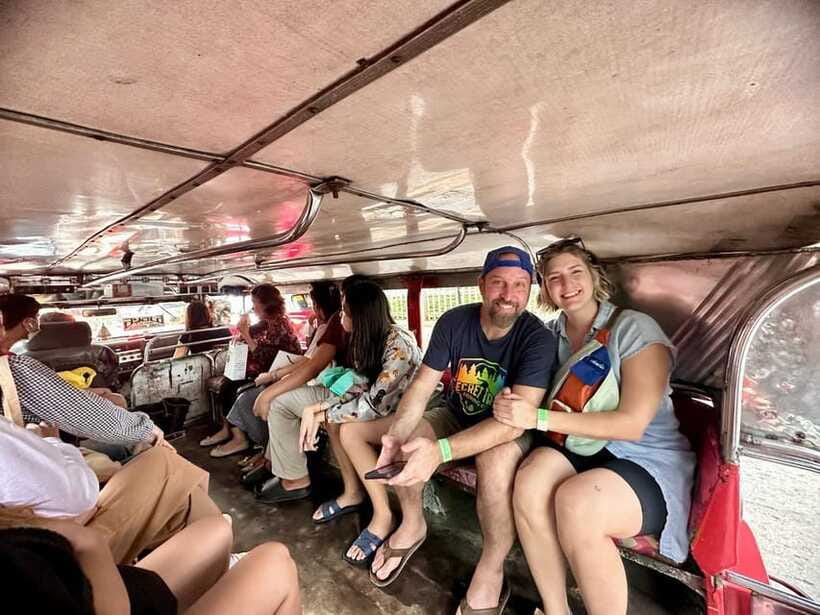
The experience can include riding local buses, adding a practical piece of Cebu life to the outing. That is a welcome touch if you want more than a standard walking route, though transportation details may depend on the day’s arrangements.
Food portions are intended for tasting, not for replacing lunch or dinner. Some people find the food generous and satisfying for a tour; others find it only average for the price. I would schedule this before or after a proper meal rather than counting on it as your main dining experience.
Balut is the signature challenge, but you are also introduced to other local street foods and drinks. The value comes from the explanation and setting as much as from the taste. If you already know Cebu’s food scene well, the sampling may feel less special. If this is your first visit, it can help you decide what to seek out later.
Is $90 a fair price?
At $90, this is a premium walking tour. You are paying for a guide, a small group, food and drink samples, and a tightly arranged route through several important sites.
The cost is easier to justify if you are visiting Cebu for a short time, traveling alone, or prefer having someone handle the order of the day. Several guides are praised for taking extra care with solo participants, including helping one person safely catch a taxi afterward. That kind of attention can matter when you are new to the city.
The price is harder to justify if you are a confident independent explorer. Cebu’s churches, markets, and public areas can be visited without a private guide, and the historic stops are concentrated in one part of the city. One direct assessment of the experience found that it could be done alone for less, with food that did not fully match the price.
My advice is to compare the fee with what you want from the visit. If you want context, conversation, and a ready-made food introduction, the tour may be worth it. If you mainly want photos of the major sites, spend less and explore independently.
Who should book this experience?
I would recommend it most to first-time visitors who want Cebu’s major historic sights explained in plain language. It also suits solo visitors, people who enjoy trying unfamiliar food, and anyone with only a few hours in the city.
The tour is a good fit for history fans who want more than a church checklist. The Yap Sandiego house, Carbon Market, and the food stops add variety to the better-known religious sites.
You should think twice if you dislike walking in active market areas, have strong food restrictions that limit sampling, or want a slow visit with lots of time at each building. The route is compact and useful, but it moves quickly.
Rain does not stop the tour, so come prepared for changing weather. Wear comfortable shoes and clothes, bring a camera and cash, and leave jewelry at home as advised by the operator. Meet your guide in the designated area, where they will hold a paper with your name. You can also contact the tour team through its Facebook page if needed.
Should you book the Cebu Historical Street and Food Tour?
Book it if you want a guided first look at Cebu that mixes old churches, market life, architecture, and local food. The strongest reason to choose it is the guide-led connection between these pieces. Philip, Philipe, Nacien, Kyle, and the wider guide team are praised for clear English, friendly energy, and personal care.
Skip it if $90 feels too high for a three-hour walk or if you are happy researching the sites and finding food on your own. The tour offers convenience and context, not a bargain.
For most first-time visitors, I would book it early in a Cebu stay. You will get your bearings, learn the city’s main historical markers, and collect ideas for where to return independently. Just keep your expectations clear: this is a compact cultural walk with tastings, not a full meal or a slow museum tour.
FAQ
How long is the Cebu Historical Street and Food Tour?
The tour lasts three hours.
What language is the tour conducted in?
The live tour guide speaks English.
How many people are in the group?
The group is limited to 10 participants.
Does the tour include hotel pickup?
A designated meeting or pickup area is provided, but hotel transfer is not included.
What food can I taste?
The tour includes Filipino street food and local delicacies, including balut, a boiled salted duck egg.
Is balut required?
The tour includes the chance to taste balut, but the provided information does not state that you must eat it.
Which historic house does the tour visit?
You visit the Yap Sandiego Ancestral House, built from coral stone in 1680, with Chinese and Spanish architectural features.
Which churches are included?
The route includes Basilica Minore del Sto. Niño and Cebu Metropolitan Cathedral.
What should I bring?
Bring comfortable shoes, comfortable clothes, a camera, and cash.
Does the tour run in bad weather?
Yes. The tour takes place rain or shine.
More Historical Tours in Cebu
- Cebu: Exploring Cebu City’s rich history and Uphill Tour
★ 4.5 · 68 reviews - CEBU: Cebu City Heritage and Uphill Guided Tour
★ 4.2 · 31 reviews - Cebu Historic and Views Tour Pickup Dropoff and Lunch (private)
★ 5.0 · 26 reviews - BEST OF CEBU: Cebu City Heritage with Uphill Tour | Joiners
★ 4.5 · 22 reviews
Just added in Cebu
- Scuba Diver Course (PADI)★ 5.0 · 18 reviews
- Discover Scuba Diving★ 5.0 · 18 reviews
- BEST OF CEBU: Cebu City Heritage with Uphill Tour | Joiners★ 4.5 · 22 reviews
- Moalboal Sardines Run Private Tour w/ Transfers Option★ 5.0 · 22 reviews
- Cebu City: Bohol Countryside Tour with River Cruise Lunch★ 4.2 · 29 reviews
- Cebu Historic and Views Tour Pickup Dropoff and Lunch (private)★ 5.0 · 26 reviews
- Cebu Highlands Tour (Tops,Taoist temple, Leah and sirao garden)★ 4.5 · 28 reviews
- Whale Shark, Canyoneering, Sardines Run and Turtles with Transpo★ 4.5 · 28 reviews
Filipino Food & Street Food Tours, compared.
Manila Food Tour: Explore World’s Oldest Chinatown
Read our review →
Street Food and Drinks Walking Tour with Tastings
Read our review →
Makati Street Food Experience end with a Rooftop Bar
Read our review →
Browse the lists this tour appears in