
Reviewed · INTRAMUROS HERITAGE WALKS
A Step Back in Time: Intramuros Walking Tour
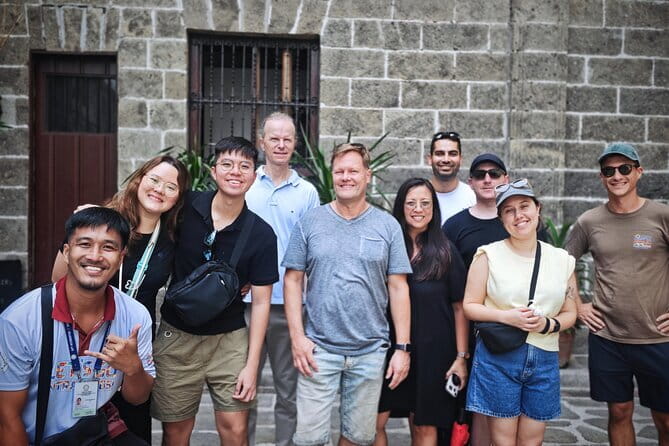
Intramuros is more than a collection of old walls and churches. It is where the Philippines’ Spanish-era past, the life of national hero Jose Rizal, and the devastation of the Manila Massacre meet on one compact walking route. This tour brings those layers together with a Department of Tourism accredited guide, led by Manila storyteller Russell Leyco.
I like the well-chosen stops, especially Fort Santiago and Casa Manila, because they give you both public history and everyday details. I also like the guide’s reported use of humor, empathy, and practical advice about the rest of your Philippine stay. The main consideration is the group size, which can reach 30 people, so this is not the quiet, highly personal feel of a private walk.
Key points to know before you book
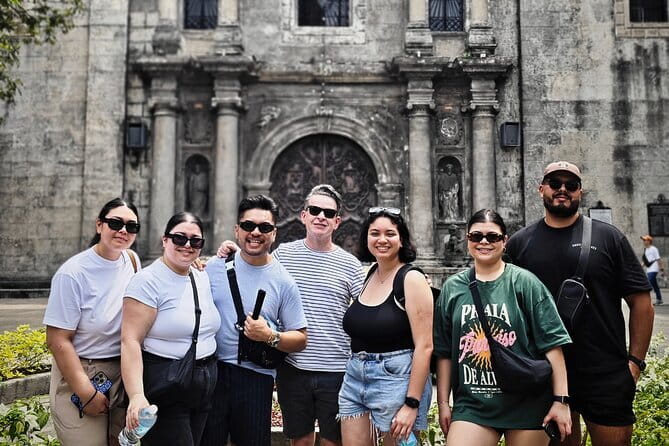
- Fort Santiago anchors the walk: You get about an hour for the fort, including its dungeon, Lego museum, and other attractions.
- Jose Rizal’s story is given its own focus: The Rizal Shrine explains his life, writings, imprisonment, and execution.
- The route covers several kinds of history: You move from colonial churches to wartime memory and a recreated Spanish-era home.
- Russell Leyco leads with stories: His style is described as lively, sympathetic, humorous, and useful for first-time visitors.
- The $25 price includes entry fees: You pay separately only for food, drinks, and your own transport.
- The finish is practical: The tour ends at Casa Manila, close to places for lunch and further exploring in Intramuros.
Why this three-hour walk works in Intramuros
Intramuros can be confusing on a first visit. Its streets are easy enough to walk, but the meaning of each building is not always obvious from the outside. A church may look like a beautiful old landmark, while its walls also carry stories of colonial rule, war, earthquakes, faith, and rebuilding.
This route gives you a clear sequence. You begin at Fort Santiago, move through the Rizal Shrine, continue to Manila Cathedral, pause at the Memorare Manila Monument, visit San Agustin Church, and finish inside Casa Manila. The order moves from military power to national identity, religious history, wartime loss, and domestic life.
The listed visit times add up to about two hours and 15 minutes. The full experience lasts about three hours, so the remaining time is used for walking between stops, listening to explanations, and getting oriented inside the larger sites. Wear comfortable shoes and expect to be on your feet for most of the morning.
The start time is 9 a.m. at United Philippine Lines, One Fort Santiago 1 on Sta. Clara Street. The route is near public transportation, but hotel pickup and drop-off are not included. You need to make your own way to the starting point and arrange your own ride afterward.
More history on foot in Luzon:
- Manila Old and New: Sightseeing Tour Including Intramuros and Fort Santiago
★ 4.5 · 377 reviews - Manila’s Walled City: Intramuros Walking Tour
★ 5.0 · 82 reviews - Express Bamboo Bike Tour inside Intramuros
★ 4.5 · 66 reviews
Fort Santiago opens the story
Fort Santiago is the strongest opening stop because it gives you a physical sense of Manila’s old defensive core. You spend about an hour here with access included. The fort contains several points of interest, including the dungeon, a Lego museum, and other attractions inside the grounds.
The dungeon adds a sobering note. This is not simply a pleasant walk beside old masonry. The fort has been used as a place of confinement, and its spaces help explain the harsh side of colonial and wartime Manila. Your guide’s storytelling matters here because the walls alone cannot tell you how the fort functioned or why it remains so important.
The Lego museum is an unusual detail. It gives the stop a lighter and more accessible feature, especially for families or anyone who enjoys seeing historical places interpreted through models. Do not expect every part of Fort Santiago to feel solemn. The appeal comes from the mix of military history, exhibits, open courtyards, and small surprises.
You will have roughly an hour, which is enough for a useful introduction but not an exhaustive study of every corner. If you like to read every museum panel slowly, you may need to keep moving with the group.
The Rizal Shrine connects one man to a nation
Inside Fort Santiago, the Rizal Shrine focuses on Dr. Jose Rizal, the Philippines’ national hero. The museum presents personal items, photographs, and artwork connected to his life and writing. It also explains his role in the movement for Philippine independence.
This stop lasts about 20 minutes and does not carry a separate admission charge. The short visit means you will get a focused introduction rather than a full museum day. The most important point is Rizal’s connection to the fort before his execution and the effect his death had on the Philippine revolution.
I find this part especially useful if you are arriving with little background. Rizal is central to the country’s national story, but a name on a monument does not tell you enough. Here, you can connect his personal life and writing with the political pressure of the period.
The shrine also changes the mood of the morning. Fort Santiago begins as a place of walls and military control. The Rizal Shrine makes the history more personal. You are no longer looking only at a fort. You are considering the life of a writer, the cost of political resistance, and the way one person became a symbol.
Manila Cathedral shows the power of the mother church

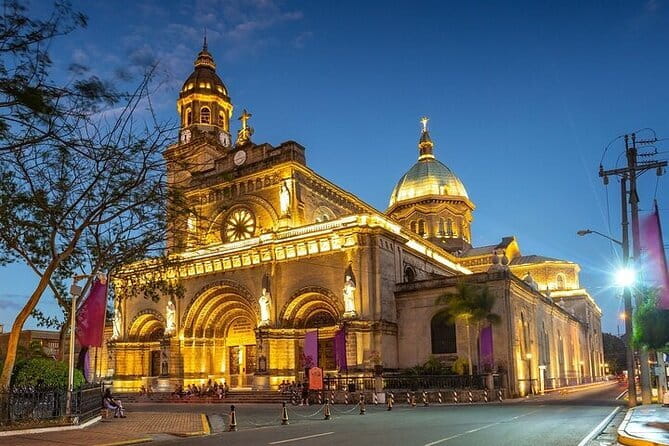
The next stop is Manila Cathedral, where the guide provides background on the Philippines’ mother church. The visit lasts about 20 minutes, and admission is listed as free for this stop.
You should see this as an orientation visit rather than a long church tour. The guide’s explanation gives the building a place in the wider story of Manila and Catholic life in the Philippines. Since the stop is brief, you may have limited time to linger over every architectural detail.
That brevity is also useful. The tour has six stops, and a long church visit could take over the morning. Twenty minutes gives you time to hear the main points, look around, and stay with the group without turning the walk into a series of lengthy museum sessions.
If religious sites are important to you, listen closely here and at San Agustin Church. The two stops work better together than either would alone. Manila Cathedral introduces the role of the city’s principal church, while San Agustin offers a closer look at an older Baroque building.
A few more things to do in Luzon worth a look
- Manila Intramuros Walking tour with Local Tour Guide
★ 5.0 · 33 reviews - Intramuros & Chinatown Manila Tour – Walking, Food & Culture
★ 4.5 · 32 reviews - Manila: Binondo Walking Tour ( Oldest Chinatown )
★ 5.0 · 30 reviews - Manila Old & New City Walking Tour With A Guide
★ 4.0 · 9 reviews
Memorare Manila remembers wartime suffering
The Memorare Manila Monument is a shorter stop, lasting about 15 minutes. The guide tells the story of the Japanese invasion and the Manila Massacre.
This is a serious part of the route, and it gives needed balance to the handsome buildings and restored streets of Intramuros. Manila’s past is not only about Spanish architecture or national heroes. The wartime destruction of the city and the suffering of civilians are essential to understanding why the old district carries such emotional weight.
Because the stop is short, the guide’s ability to explain events clearly matters. You will not receive a full military history in 15 minutes, but you will get a direct reminder of the human cost of war. The subject may feel heavy, but leaving it out would give you a false picture of Intramuros.
The monument also helps you look at the surrounding streets differently. Restored walls and historic churches can suggest continuity, yet Manila endured enormous loss. This brief stop puts the visible old city into a more honest frame.
San Agustin Church brings architecture and endurance together
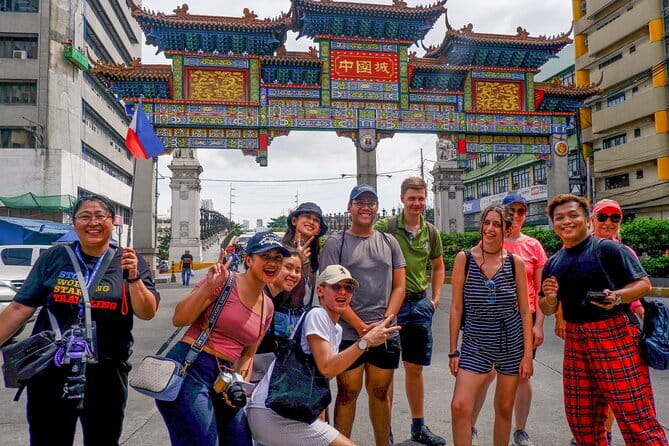
San Agustin Church, formally the Immaculate Conception Parish of San Agustin, is a UNESCO World Heritage Baroque church. You spend about 20 minutes here, with admission listed as free.
This is one of the morning’s clearest architectural highlights. Baroque churches can be easy to reduce to a list of dates and design features, but a guide can help you notice how the building expresses the religious and colonial order of its time. The church also gives you a chance to pause indoors after walking through the fort and streets.
The stop is not designed for an extended architectural study. You may want more time if you are interested in church art, construction, or UNESCO sites. Still, the short visit fits the larger purpose of the tour: show you the essential places, explain their meaning, and leave room for the next stop.
I like the placement near the end of the route. By this point, you have heard about military power, Rizal, and wartime destruction. San Agustin is not just a pretty church. It becomes part of a larger story about institutions that shaped Manila over centuries.
Casa Manila ends with everyday Spanish-era life
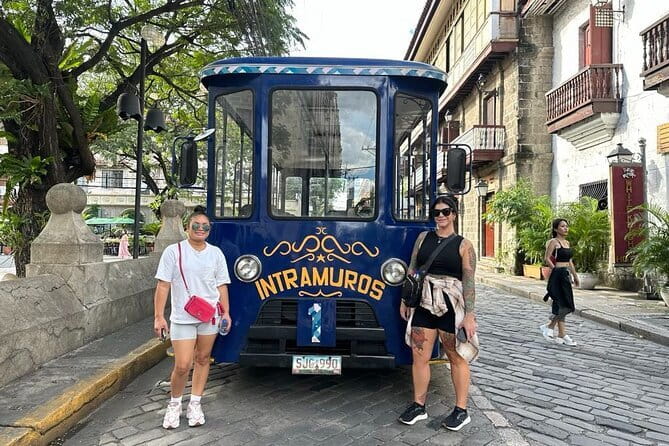
The final stop is Casa Manila, where you spend about 20 minutes inside the museum. Admission is included, and the tour ends here.
Casa Manila shifts the focus from public monuments to domestic life. Instead of asking how a fort defended a city or how a church shaped a community, you get a sense of how an affluent Spanish-era household might have been furnished and arranged. Rooms and objects can make history easier to picture because they deal with daily habits, comfort, status, and social rules.
Ending here is a smart choice. The morning begins with imposing defensive architecture and ends with interiors and household details. That makes the route feel more complete. You see not only the institutions of old Manila, but also the kind of setting in which people lived.
Casa Manila is also a useful launch point for the rest of your day. The tour ends in the Plaza San Luis Complex on General Luna Street, rather than returning you to Fort Santiago. A practical suggestion from the tour experience is to consider lunch at Barbara’s after the walk. Food is not included, so plan and budget for lunch separately.
Russell Leyco’s storytelling is central to the experience
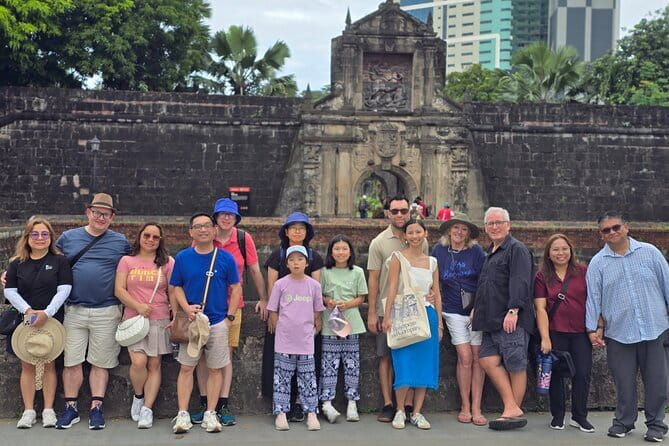
The tour is led by Russell Leyco, described as a Manila storyteller. The strongest praise focuses on his ability to keep the three-hour walk lively, clear, and human. His style combines historical explanation with humor and empathy, rather than treating the morning as a string of dates.
That matters in Intramuros. The subject can become dense very quickly. You are moving between Spanish colonial rule, Philippine independence, Catholic institutions, Japanese occupation, and national memory. A good guide has to connect those topics without turning the walk into a classroom lecture.
The feedback also identifies guides named Sir Rasa and Russell. Since the experience is presented under Russell Leyco’s name, you should expect Russell as the main guide, but the references to another guide suggest that staffing may vary. The stated qualification is a Department of Tourism accredited guide.
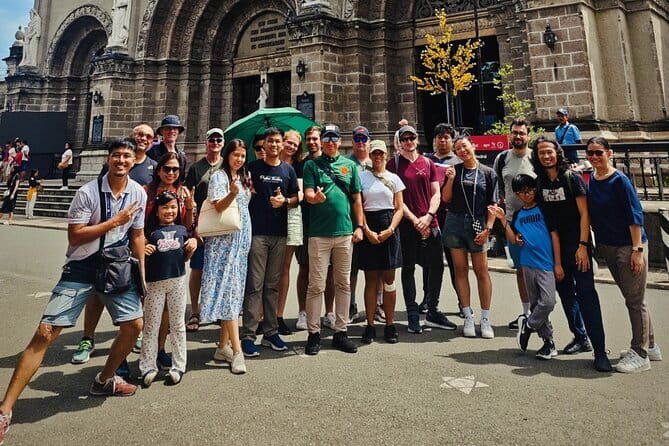
A useful extra is the local advice. One account specifically praised the guide’s tips for the rest of a Philippine stay. That can be valuable if this is your first day in Manila and you want more than a fixed lesson. Still, remember that the tour is capped at 30 people, so individual questions may be easier at quieter moments than during the whole walk.
Is $25 a fair price for three hours?
At $25 per person, the value is solid if you want a guided introduction rather than only a self-guided walk. The price includes a Department of Tourism accredited guide and admission fees to the sites that charge entry, including Fort Santiago and Casa Manila.
You are paying for interpretation as much as entrance tickets. Fort Santiago, the Rizal Shrine, Manila Cathedral, the Memorare Manila Monument, San Agustin Church, and Casa Manila create a full morning of sightseeing. You also avoid the work of researching how these places connect.
The price does not include food or drinks. Private transportation is also excluded, along with hotel pickup and drop-off. Since the tour begins at 9 a.m. and ends at Casa Manila, you should include the cost of getting to Fort Santiago and continuing from Casa Manila in your day’s budget.
For a private tour, $25 would be unusually low, but this is not private. A maximum of 30 people gives the experience a group-tour feel. If you want flexible pacing, long photo stops, or a guide devoted only to your party, you should seek a smaller option. If you want the main sights explained at a reasonable price, this format makes sense.
Who will get the most from this walk?
I would choose this tour for a first visit to Intramuros, especially if you know little about Philippine history. The route gives you the basic framework you need before returning on your own to explore a church, museum, or street in more detail.
It also suits history enthusiasts who prefer stories to isolated displays. The mix of fort, shrine, cathedral, monument, church, and house covers military, political, religious, wartime, and domestic history in one morning.
Families may like the variety, including the Lego museum at Fort Santiago, but the subject matter is not light throughout. The dungeon, execution of Rizal, and Manila Massacre require mature attention. Most people can participate, but you should expect continuous walking and standing.
I would be less keen on this tour if your main goal is photography or quiet contemplation. The group may be large, the schedule is fixed, and the short stop times limit how long you can linger. It is best for learning the shape of Intramuros first, then exploring at your own pace later.
Booking details that matter
You receive confirmation when you book, and the ticket is mobile, which keeps the morning simple. The tour starts at 9 a.m., so check the route to United Philippine Lines before the day begins rather than assuming your hotel is nearby.
Free cancellation is available if you cancel at least 24 hours before the start time. Cancellations or changes made less than 24 hours ahead are not accepted for a refund. The cut-off follows local time.
The tour operates near public transportation, but there is no hotel transfer. Most people can participate, and the group limit is 30. Those details make this a straightforward shared walking tour, not a door-to-door sightseeing package.
Should you book A Step Back in Time?
Book it if you want a clear, story-led introduction to Intramuros and prefer to see the key sites in one morning. The combination of included admissions, a qualified guide, Russell Leyco’s lively presentation, and a useful finish at Casa Manila gives you good value for $25.
Think twice if you need a private pace, extensive museum time, or transport from your hotel. For everyone else, this is a practical first step into old Manila. Plan lunch afterward, wear comfortable shoes, and use the tour to decide which parts of Intramuros deserve a second, slower visit.
FAQ
How long does the Intramuros walking tour last?
The experience lasts about three hours.
What time does the tour begin?
The tour begins at 9 a.m.
Where does the tour start?
It starts at United Philippine Lines, One Fort Santiago 1, Sta. Clara Street, Intramuros, Manila.
Where does the tour end?
The tour ends at Casa Manila Museum in the Plaza San Luis Complex on General Luna Street, Intramuros.
Which sites are included?
The route includes Fort Santiago, the Rizal Shrine, Manila Cathedral, the Memorare Manila Monument, San Agustin Church, and Casa Manila.
Are admission fees included?
Admission fees to the included sites are covered. The tour specifically lists entry to Fort Santiago and Casa Manila as included, while the Rizal Shrine, Manila Cathedral, the Memorare Manila Monument, and San Agustin Church are listed as free stops.
Is food included?
No. Food and drinks are not included, so you need to arrange and pay for them separately.
How large can the group be?
The tour can have a maximum of 30 participants.
Can I cancel for a full refund?
Yes, if you cancel at least 24 hours before the experience begins. Cancellations or changes made less than 24 hours before the start time are not accepted for a refund.
Just added in Luzon
- The Jeepney & Tuk Tuk Adventure ride with Local Guide★ 4.5 · 4 reviews
- Villa Escudero Tour with Lunch From Manila (SHARED)★ 5.0 · 5 reviews
- Villa Escudero Coconut Plantation Day Trip from Manila★ 3.5 · 9 reviews
- Manila ATV Mountain Trail Adventure(with Transfers***)★ 4.5 · 19 reviews
- VILLA ESCUDERO DAY TOUR with Carabao Cart Ride and Bamboo from Manila★ 4.0 · 6 reviews
- Private Filipino Cooking Class in the Heart of Manila,Makati City★ 5.0 · 5 reviews
- Makati Rooftop Bar Hopping with Guided★ 5.0 · 8 reviews
- Sagada and Banaue Rice Terraces 4-Day Tour★ 5.0 · 4 reviews
Intramuros Heritage Walks, compared.

Intramuros, Manila: Historical Bamboo Bike Tour
Read our review →
Experience Intramuros with Bamboo Bicycle – Ecotours
Read our review →
Intramuros, Chinatown, and Old Manila Half-Day Tour
Read our review →
Manila Food Tour: Explore World’s Oldest Chinatown
Read our review →

Explore Intramuros: Introduction to Philippine History
Read our review →Browse the lists this tour appears in