
Reviewed · INTRAMUROS HERITAGE WALKS
Manila’s Walled City: Intramuros Walking Tour
Intramuros is Manila’s history book in stone. Inside its old walls, you move from Fort Santiago and José Rizal’s prison cell to Manila Cathedral, wartime memorials, a 1607 church, and a Spanish-era mansion. The story reaches from pre-colonial peoples through Malay, Spanish, American, and Japanese periods.
I like the way this tour links famous sights into one clear story, rather than leaving you to guess why each ruin matters. I also like the human touch: guides such as Andre, Ann, and Anne bring humor, visual aids, and plenty of time for questions. The main caution is the tropical heat and the moderate amount of walking, especially if you visit in the afternoon.
Key points to know before you book
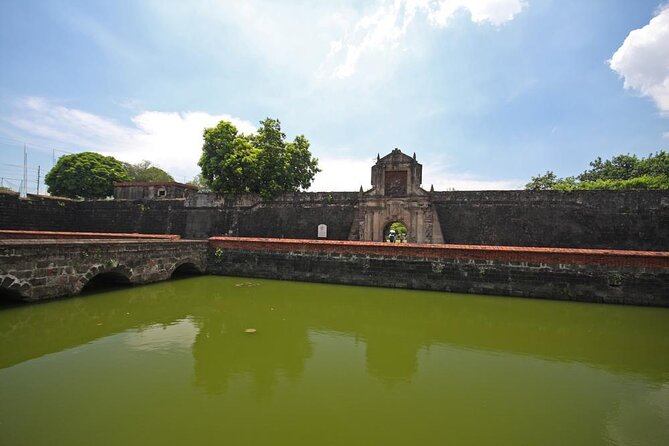
- Fort Santiago anchors the tour: Allow about an hour for the citadel, grounds, and José Rizal connections.
- The route covers major Intramuros sights: You visit the Manila Cathedral, Memorare Manila Monument, San Agustin Church, and Casa Manila.
- A kalesa or Tranvia ride adds a change of pace: The ride gives you a broader look at the walled city after walking its main sites.
- Guides are a major strength: Andre, Ann, and Anne are praised for clear English, energy, humor, and strong command of Philippine history.
- The price includes useful extras: At $35 per person, you get an English-speaking guide, bottled water, snacks, and listed admission tickets.
- Dress for churches and museums: No mini-shorts or sleeveless tops are allowed at places with a dress code.
Why Intramuros is the right place to start in Manila
Intramuros means within the walls, and the name tells you what makes this district different. It is a compact historic area where the layers of Manila are close together. You are not simply walking past old buildings. You are following the changing fortunes of the city, from Spanish rule to war and rebuilding.
The tour begins at 1 Sta. Clara Street and ends at Casa Manila in the Plaza San Luis Complex. That point-to-point route is useful because you finish near one of the district’s most atmospheric museums instead of returning to the start.
You can choose a morning or afternoon departure. Morning is likely the easier choice if you want cooler walking conditions, though the available departure time should fit your own Manila plans. The experience lasts about three and a half hours, so leave room for the full route rather than squeezing it between tight appointments.
The group can reach up to 30 people. That is small enough to keep a tour moving, but large enough that you should not expect a private guide at every stop. The strongest part of the experience is the guide’s storytelling, so stay close enough to hear clearly when the group gathers.
More history on foot in Luzon:
- Manila Old and New: Sightseeing Tour Including Intramuros and Fort Santiago
★ 4.5 · 377 reviews - Express Bamboo Bike Tour inside Intramuros
★ 4.5 · 66 reviews - Manila: Intramuros, Chinatown, and Old Manila Half-Day Tour
★ 5.0 · 37 reviews
Fort Santiago: Manila’s military gateway
Fort Santiago receives about an hour, and that is the right amount of time for the tour’s main opening chapter. The citadel was first built for the new Spanish city of Manila by Miguel López de Legazpi, a Spanish navigator and governor. Its walls and defensive setting introduce you to the colonial city before you move into its churches, homes, and memorials.
I like Fort Santiago as a first stop because it gives the rest of Intramuros a frame. You begin with power and defense, then see how religion, government, education, and private life grew around that military core.
Expect a mix of open areas, historic structures, and museum displays. The grounds are described as well maintained, and there are good chances for photographs. The site is also important for its connection to José Rizal, the national hero whose final days are tied closely to Intramuros.
The hour can pass quickly, especially if your guide uses a visual booklet or points out details that are easy to miss. At the same time, the fort is one of the places where the tropical sun can feel strongest. Bring the bottled water provided, wear comfortable shoes, and use a hat or other sun protection if you need it.
The Rizal Shrine and the story of José Rizal
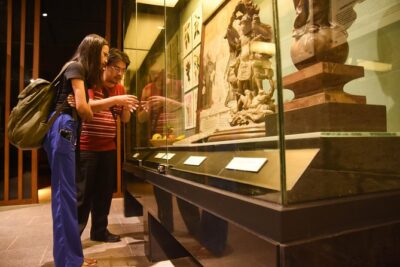
The Rizal Shrine receives about 30 minutes. José Rizal was imprisoned here before his execution in 1896, and the museum holds memorabilia connected with his life and work.
This stop gives the tour a personal center. Fort Santiago can feel like a large historical site, but Rizal’s story brings the national struggle down to one person. You get a clearer sense of why he remains such an important figure in the Philippines.
Half an hour is enough for an introduction, but not for every detail of Rizal’s life. If you already have a strong interest in him, you may want to leave extra time elsewhere in your Manila schedule for more reading or a return visit. For most people, the guide’s explanation here will make the fort’s history easier to understand.
Families can handle this part well. One account specifically found the pace suitable for a six-year-old and a teenager, though children must be accompanied by an adult. The tour mixes short visits with movement, which is easier for young children than a long indoor lecture.
Manila Cathedral and the Spanish church quarter
The Manila Cathedral stop lasts about 20 minutes. Officially the Minor Basilica and Metropolitan Cathedral of the Immaculate Conception, it is the cathedral of Manila and one of the key religious buildings inside Intramuros.
The short visit works as a visual pause between Fort Santiago and the later churches. You can take in the cathedral’s role in the old city while your guide explains how religion shaped Spanish Manila.
Keep the schedule in mind here. Twenty minutes is a brief stop, not a full architectural study. The same applies to San Agustin Church later in the route. If church interiors are your main interest, you will want to return independently if time and opening conditions allow.
Dress modestly for this part of the tour. The activity advises casual clothing but requires appropriate dress for places of worship and selected museums. Mini-shorts and sleeveless tops can lead to refused entry, so light clothing that still covers your shoulders and knees is the practical choice.
A few more things to do in Luzon worth a look
- Manila Intramuros Walking tour with Local Tour Guide
★ 5.0 · 33 reviews - Intramuros & Chinatown Manila Tour – Walking, Food & Culture
★ 4.5 · 32 reviews - Manila: Binondo Walking Tour ( Oldest Chinatown )
★ 5.0 · 30 reviews - Manila: Street Food and Drinks Walking Tour with Tastings
★ 4.8 · 114 reviews
Seeing the walls by kalesa or Tranvia
At some point on the route, you take a ride around Intramuros by kalesa, the traditional horse-drawn carriage, or by Tranvia, the historic-style tram option listed for the experience. This breaks up the walking and lets you see more of the walled district from a slower, moving viewpoint.
The kalesa is especially memorable because it connects the sightseeing experience with an old form of local transport. It also gives you a chance to rest your feet and view the streets as a whole rather than concentrating on one monument at a time.
The exact ride option may depend on the day’s arrangements, so do not treat it as a guaranteed private carriage or a long independent excursion. It is one part of a guided route. Still, the change of pace is valuable, especially in Manila’s heat, and it creates some of the best photo opportunities on the tour.
Memorare Manila and the cost of wartime history
The Memorare Manila 1945 Monument receives about 20 minutes. It commemorates the lives lost during the Battle for the Liberation of Manila, fought by Filipino and American forces against Imperial Japanese troops from February 3, 1945.
This stop widens the story beyond Spanish colonial Manila. The walls and churches can make Intramuros seem like a purely Spanish-era district, but the monument forces you to confront the destruction and human cost of the Second World War.
The shorter visit is appropriate because the monument works best as part of the larger narrative. Your guide can connect it to the wartime chapter before the tour moves on to buildings that survived, were damaged, or were later preserved.
It is also a reminder that Intramuros is not simply an attractive old quarter. Its beauty comes with difficult memories. I appreciate tours that make room for that fact instead of presenting the district as a polished backdrop for photographs.
San Agustin Church, Manila’s oldest surviving church
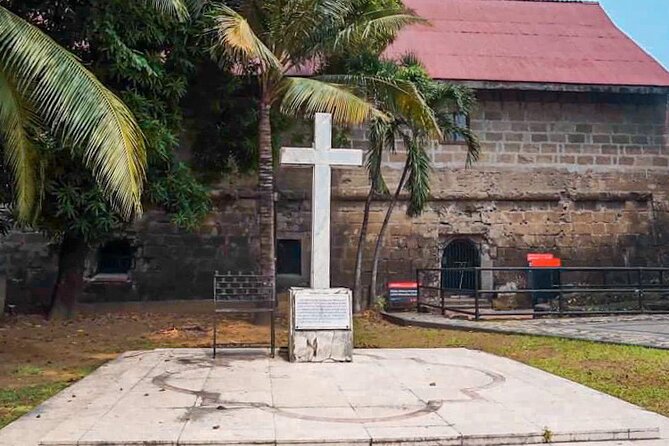
San Agustin Church is allotted about 15 minutes. Completed in 1607, it is a Roman Catholic church from the Spanish colonial period and part of the UNESCO World Heritage listing for the Baroque Churches of the Philippines.
The date alone makes this one of the most important stops. You are looking at a church completed more than four centuries ago, within the same walled district where the tour has already covered military power, national identity, and wartime loss.
Fifteen minutes is enough for a focused introduction, but it is not generous. The church and museum deserve attention, and some visitors will wish for longer inside. Think of this stop as a guided orientation. Your guide helps you notice why the church matters, then you can decide if you want to return on your own.
As with the cathedral, proper clothing matters. Keep your voice low and follow any rules in effect inside the church. The tour moves at a planned pace, so be ready when the group gathers again.
Casa Manila: a look inside colonial domestic life
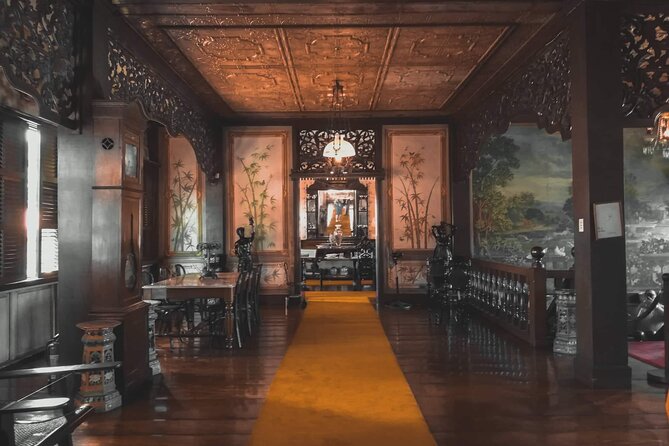
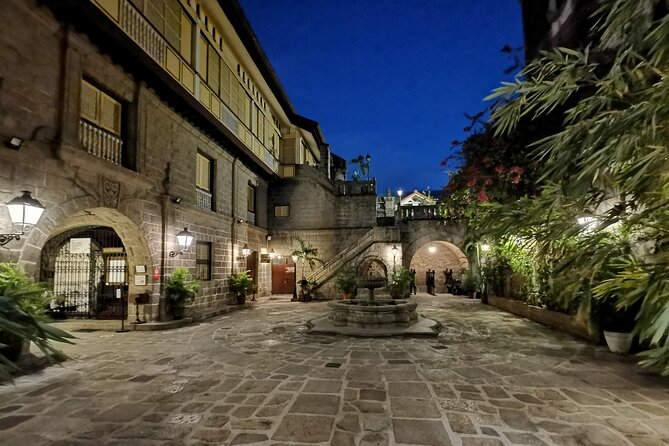
Casa Manila is the final stop and the endpoint at the Plaza San Luis Complex. This museum presents colonial life during Spanish rule in the Philippines, using a stone-and-wood structure dating from around 1850 and modeled on the grand houses of the old district.
After Fort Santiago’s military setting and the churches’ public religious role, Casa Manila shows a more domestic side of colonial society. Rooms, furnishings, and the design of the house help explain how the upper levels of Spanish-era Manila lived.
The visit lasts about 30 minutes and includes admission. Because you finish here, Casa Manila is more than a quick stop before retracing your route. It gives the tour a natural closing point, moving from the founding and defense of the city to everyday life within it.
The Plaza San Luis Complex also makes the end easy to identify. Your stated endpoint is Casa Manila, not the original meeting point, so plan your next move from there.
How good is the $35 value?
At $35 per person, this is not the cheapest way to walk around Intramuros, since you can see some exterior sights without a guide. The value comes from having the route organized and the history explained in the right order.
The price includes an English-speaking local guide, bottled water, snacks, and admission tickets for Fort Santiago, the Rizal Shrine, and Casa Manila. The Manila Cathedral and San Agustin Church stops are listed without an admission charge. You also receive the planned kalesa or Tranvia component described in the route.
That bundle matters in Manila, where a self-guided visit can easily become a series of disconnected stops. You might see the cathedral, fort, and church but miss the links between Malay, Spanish, American, and Japanese periods. A strong guide turns those separate buildings into one understandable story.
The snacks are simple rather than a full meal. They may include local treats such as taho and ice cream from street vendors, with bottled water available during the walk. That is a pleasant local touch, but you should still eat beforehand or carry extra food if you need a proper lunch.
Tips are not included. Hotel pickup and drop-off are also not included, so you need to reach 1 Sta. Clara Street yourself and arrange your own transport after finishing at Casa Manila. The meeting point is near public transportation.
The guides make the biggest difference
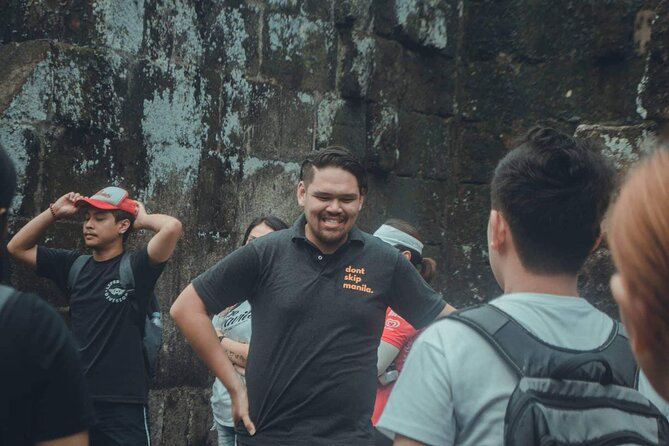
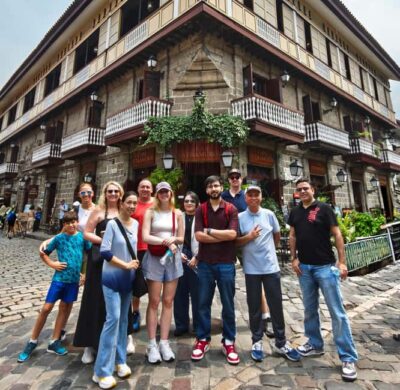
The clearest pattern in the feedback is the quality of the guiding. Andre is repeatedly singled out for friendly energy, clear English, humor, and a helpful visual aid booklet. Ann is described as funny, warm, and full of energy, while Anne is praised for making the family experience both informative and enjoyable.
Guide assignments can vary, so you should not assume one specific person will lead your departure. What you can reasonably expect is a guide who is prepared to explain the sites, answer questions, and keep the group moving.
That matters because Intramuros contains a lot of dates, names, and political changes. A dry recital would make the three and a half hours feel long. The best version of this tour uses stories and humor to make the material easier to follow, including for children and visitors with Filipino family connections who want a clearer link to the past.
The rating is listed as 4.9 from 82 reviews, with 96 percent recommending the activity. Those figures suggest a strong record, though they do not remove the usual variables of weather, group size, and the particular guide on your date.
Practical advice for the walk
Wear comfortable shoes and light, breathable clothing. The tour includes a moderate amount of walking in a tropical climate, with time outdoors between indoor sites.
Bring sun protection and take advantage of the water provided. Morning or afternoon departures let you fit the walk into your schedule, but you should choose the time that gives you the best chance of staying comfortable.
Dress for church and museum rules from the start. Avoid mini-shorts and sleeveless tops. A casual outfit with covered shoulders and suitable-length shorts or trousers is the safest choice.
The tour requires good weather. If poor weather cancels it, you are offered another date or a full refund. You can cancel for a full refund up to 24 hours before the start time. Cancellations and changes inside that 24-hour window are not accepted for a refund.
The activity requires a minimum number of participants. If that minimum is not reached, you are offered another date or experience, or a full refund. Confirmation is normally provided at booking, though bookings made within nine hours of departure are confirmed as soon as possible and depend on availability.
Who should book this Intramuros tour?
I would choose this for a first visit to Manila, especially if you want the old city explained rather than simply photographed. It suits families, couples, and solo visitors who prefer a planned route and a local guide to handling the connections.
It is also a good fit if you have only half a day for Intramuros. The route covers the district’s major historic themes without requiring you to plan separate admissions, transport, and stops.
You may want a different approach if you dislike group tours, need a very slow pace, or want extended time inside every church and museum. A maximum of 30 people and a fixed three-and-a-half-hour schedule mean you will sometimes move on just as a site becomes interesting.
Should you book it?
Book it if you want a lively introduction to Manila’s walled city, with Fort Santiago, Rizal’s story, major churches, wartime memory, Casa Manila, and a kalesa or Tranvia ride in one organized outing. At $35, the guide and included admissions make the price reasonable for a first look.
Skip it only if you already know Intramuros well or prefer to set your own pace. For most first-time visitors, the combination of clear storytelling, practical planning, snacks, water, and a route through the district’s most important sites makes this a useful Manila activity.
FAQ
How long does the Intramuros walking tour last?
The tour lasts approximately 3 hours and 30 minutes.
Where does the tour start?
It starts at 1 Sta. Clara Street, Intramuros, Manila, 1002 Metro Manila, Philippines.
Where does the tour end?
The tour ends at Casa Manila in the Plaza San Luis Complex on General Luna Street, Intramuros.
What is included in the price?
The price includes bottled water, snacks, an English-speaking local tour guide, and the listed admission tickets for Fort Santiago, the Rizal Shrine, and Casa Manila.
Is hotel pickup included?
No. Hotel pickup and drop-off are not included. You need to make your own way to the meeting point and arrange transport after the tour.
What should I wear?
Wear comfortable clothing suitable for walking in a tropical climate. Dress modestly for places of worship and selected museums. Mini-shorts and sleeveless tops are not allowed at sites with a dress code.
Can I cancel the tour for a refund?
Yes. You can cancel at least 24 hours before the experience start time for a full refund. Cancellations or changes made less than 24 hours before the start time are not accepted for a refund.
Just added in Luzon
- Skip the Line: Villa Escudero Plantation & Resort Day Pass Ticket★ 4.5 · 11 reviews
- Private Filipino cooking class in a local Manila Home★ 5.0 · 28 reviews
- Home Cooked Meal with a Filipino Grandma★ 5.0 · 24 reviews
- Small-Group Weekend Hiking Tour to Banaue-Ifugao from Manila★ 5.0 · 30 reviews
- Manila: Binondo Walking Tour ( Oldest Chinatown )★ 5.0 · 30 reviews
- Manila Hidden Gems with local guide★ 5.0 · 27 reviews
- Intramuros Sunset Tours by Bambike★ 5.0 · 33 reviews
- Makati Street Food Experience end with a Rooftop Bar★ 5.0 · 33 reviews
Intramuros Heritage Walks, compared.

Intramuros, Manila: Historical Bamboo Bike Tour
Read our review →
Experience Intramuros with Bamboo Bicycle – Ecotours
Read our review →
Intramuros, Chinatown, and Old Manila Half-Day Tour
Read our review →
Manila Food Tour: Explore World’s Oldest Chinatown
Read our review →
Explore Intramuros: Introduction to Philippine History
Read our review →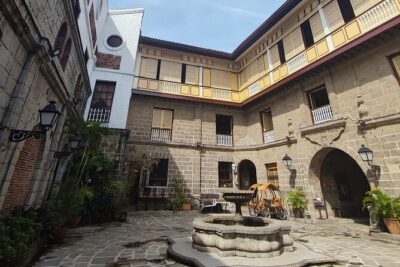
Experience Manila’s Heritage: Intramuros & More in Half a Day!
Read our review →Browse the lists this tour appears in